






24 April 2026
There are amazing stories lurking in that pocket of yours - throughout our 200-year history and for thousands of years beyond, mints have been immortalising the tale of different animals, in metal all around the globe.
Over the years, and around the world, coins have been celebrated with artistry to showcase national identity and heritage. Every coin is created to tell a story, a story that goes on a journey - each having crossed the palms of countless humans across continents. They’re part of history.
Every coin has two faces and each of them are trying to tell you a story
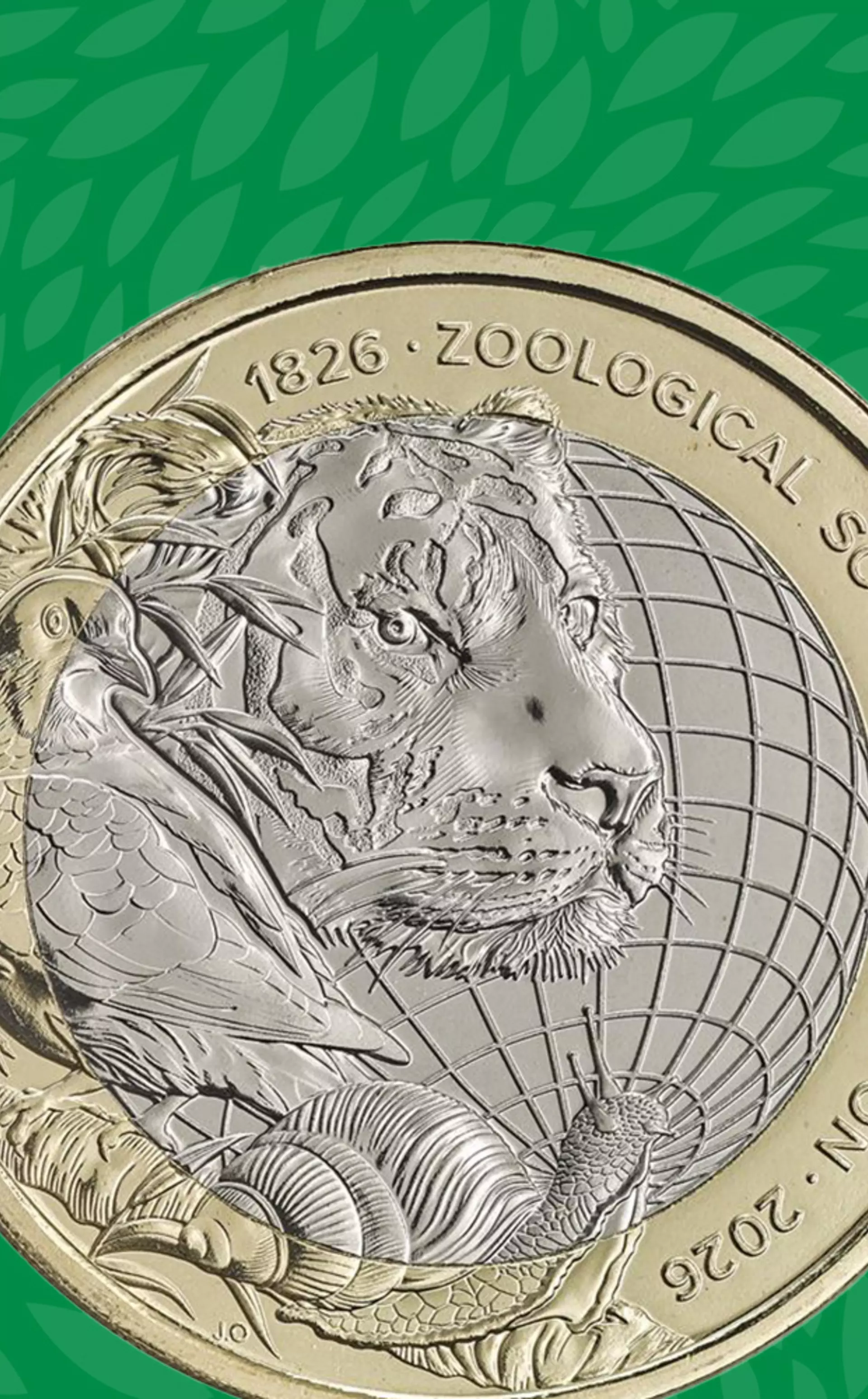
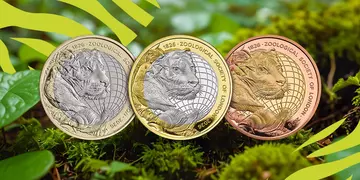
By buying our 200th anniversary coin, you will have started that coin on its storytelling journey. And as we celebrate our 200th anniversary, The Royal Mint has honoured three species at real risk of extinction that we’re working tirelessly to save, by commemorating them on a special edition £2 coin: the partula snail, Sumatran tiger and Socorro dove.
Let’s journey around the world, and through time - to look at some of the other incredible animals that have been immortalised in coins forever.
Lions appear on more coins, from more countries, than any other animal. Here's a few of our favourite examples with some surprising connections to our 200-year-old conservation charity:

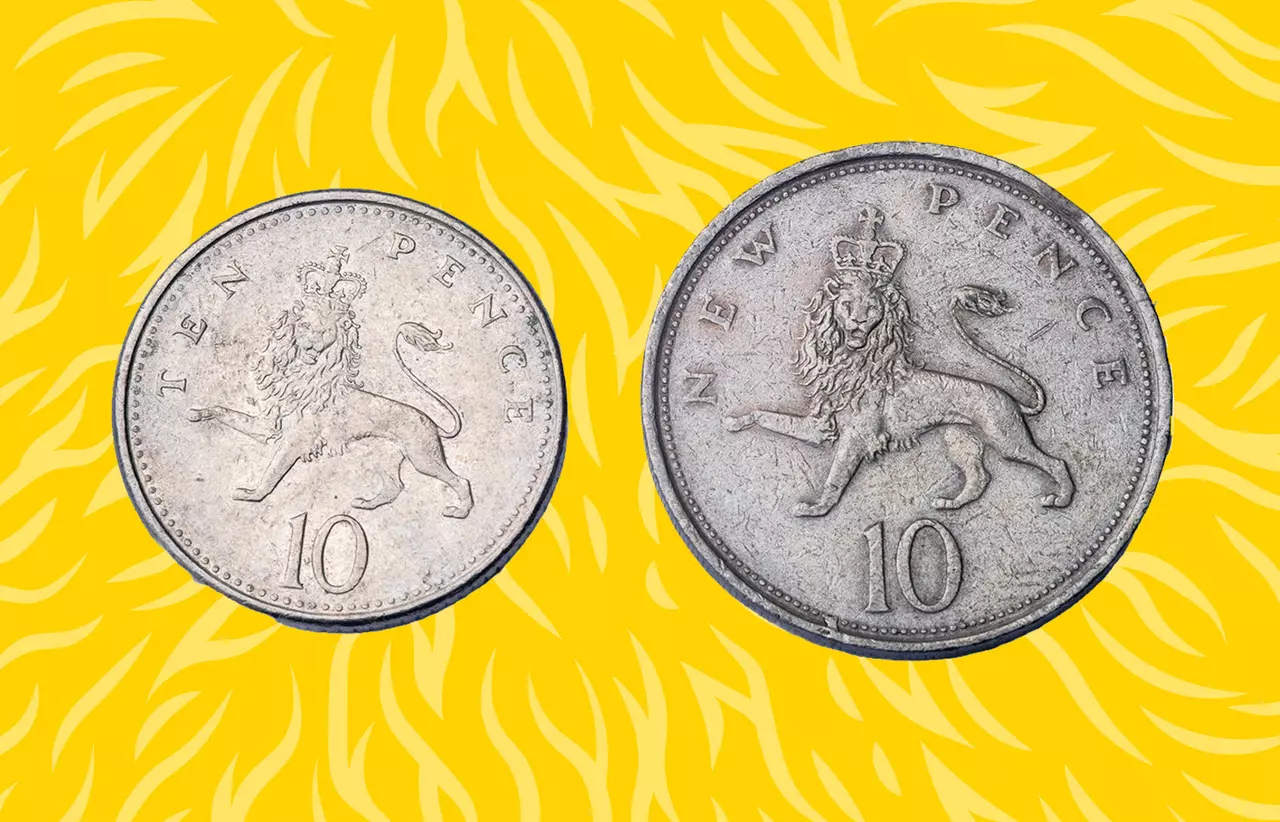
1. The lion on your British 10p - and the year London Zoo almost disappeared
Arnold Machin's heraldic lion on the 10p has been in British purses since decimalisation in 1968. In 1992, the larger coin was replaced with the smaller, lighter version we use today.
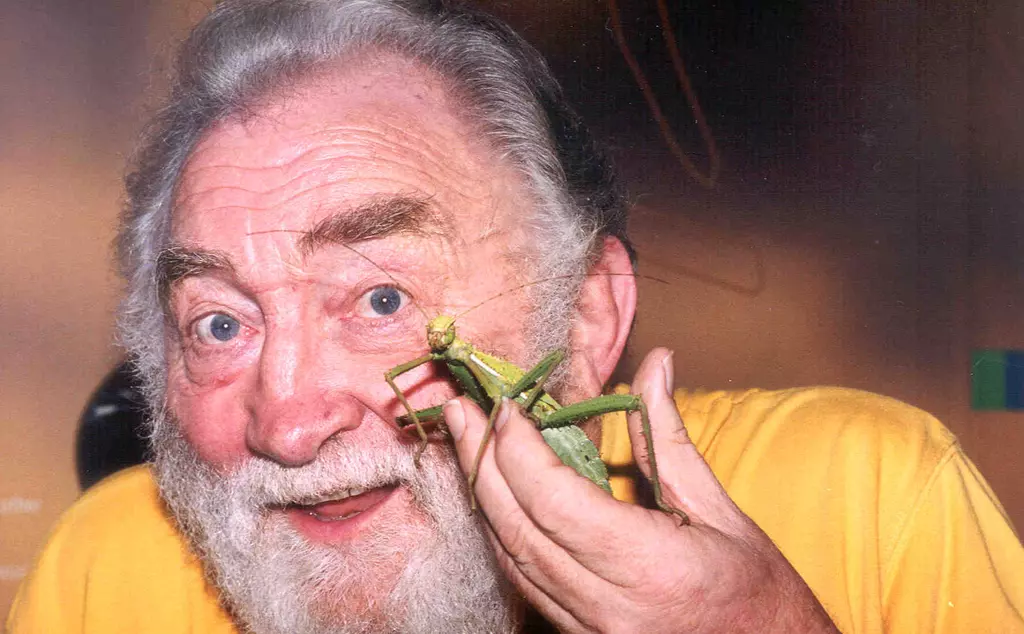
That very same year, London Zoo ran into major financial trouble and closure became a very real threat. Thankfully, and with the support of thousands of visitors, including TV presenter and naturalist, David Bellamy, London Zoo survived - we restructured, refocused, and were more committed to conservation than ever.
We will always remain grateful to the late David Bellamy (pictured below left at London Zoo in 2001) who supported our campaign to remain open, way back in the early 90s.
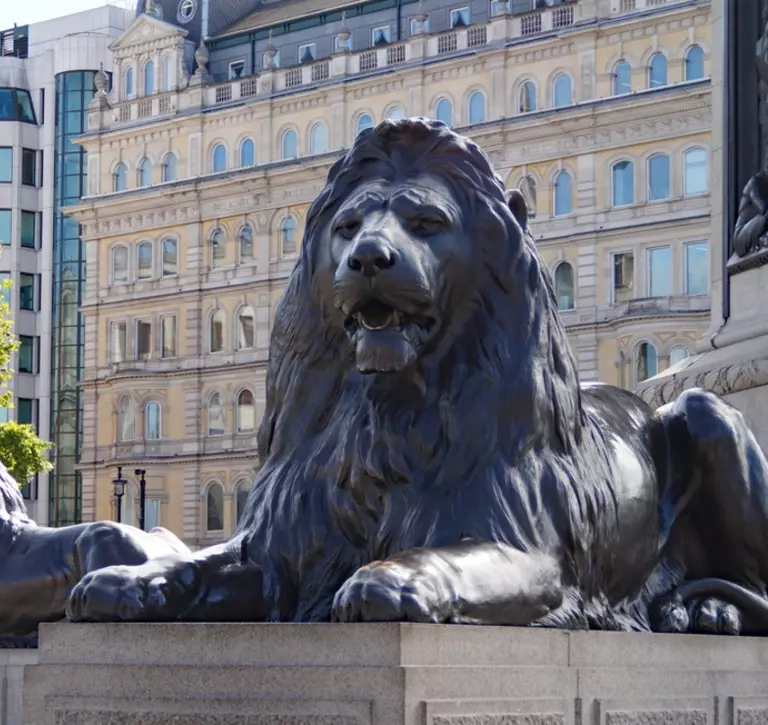
Our conservation Zoo at the heart of England’s capital has another connection to metal lions: sculptor Sir Edwin Landseer came to London Zoo to study our real lions before casting the four bronze figures we know and love today, at Nelson's Column in Trafalgar Square (below, right), in 1867.


2. Guernsey 50p, 1981 - three lions much older than England's own
Britain's Royal coat of arms - the official coat of arms of the monarch, seen on everything from football kits to pub signs - quite famously features three lions. So does this 50p. But looks can be deceiving - this isn’t a British 50p. The inscription reads BAILLIVE DE GERNEREYE: Norman French for Bailiwick of Guernsey. When William the Conqueror crossed from Normandy in 1066, Guernsey came with him - and when England and Normandy later separated, Guernsey stayed loyal to the Duke rather than the English Crown. It has never been part of England. Its three lions come from Norman ducal tradition that predates England's own royal arms - same three lions, entirely separate history.
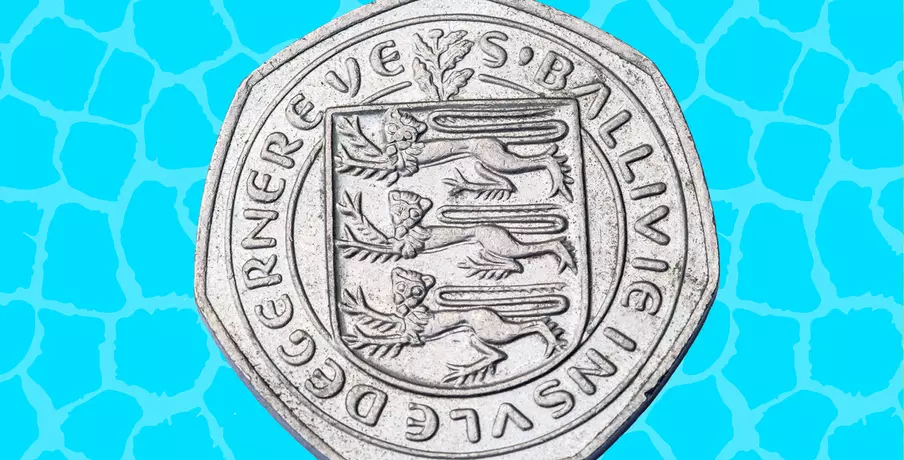
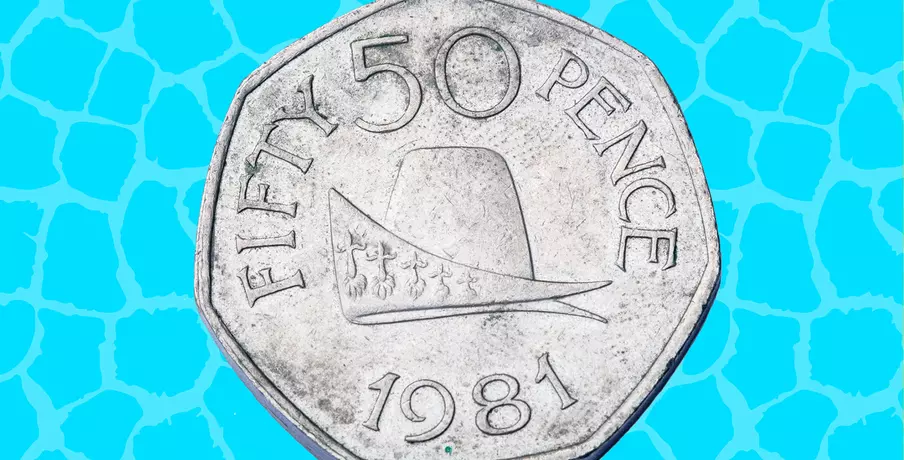
To this day, when Guernsey raises a toast to the monarch, it's not "The King" but "The Duke" - Our Royal Patron King Charles III in his capacity as Duke of Normandy, a title held continuously by the reigning British monarch since William the Conqueror.
3. India 50 Naye Paise, 1962 - a 3rd-century BCE menagerie
The Lion Capital of Ashoka on this 1962 rupee was carved in the 3rd century BCE, at the site of the Buddha's first sermon. Four lions stand back-to-back with the fourth (which you can’t see) always facing away from you, whichever way you turn the coin. And look at the base: a bull, a horse, an elephant, carved between the wheels of law. Not just one animal - five. This artwork is two thousand years old and still features in everyday circulation in India, where we’ve been doing conservation work with Asiatic lions for many years. In the year this particular coin was minted, on the other side of the world we were busy contributing to the world’s first international co-operative breeding programme, working to save the Arabian oryx - by sending a London Zoo oryx called Caroline to join the ‘world herd’ in Arizona in the US.
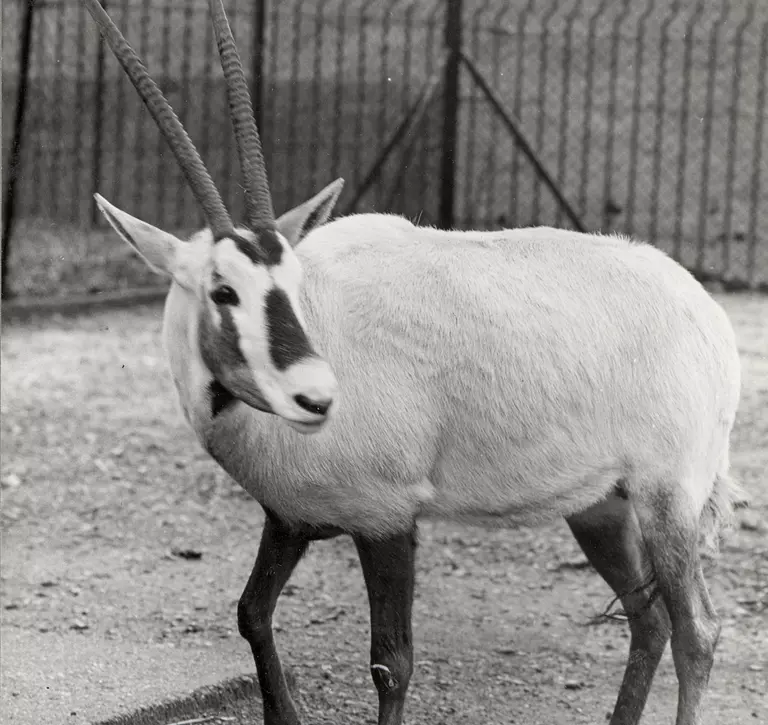
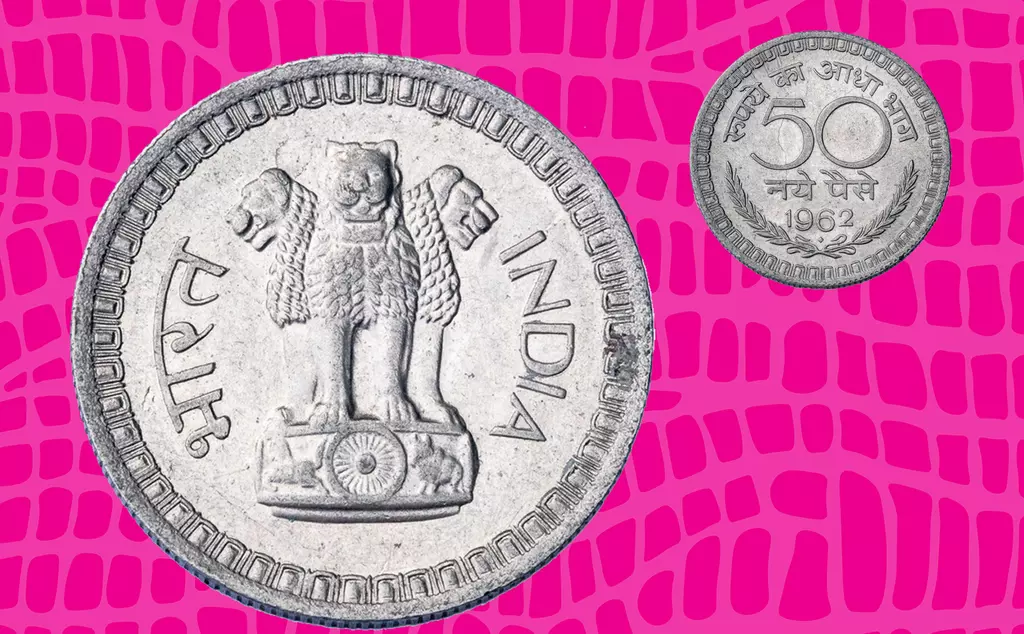
Arabian oryx (left), coin (right)
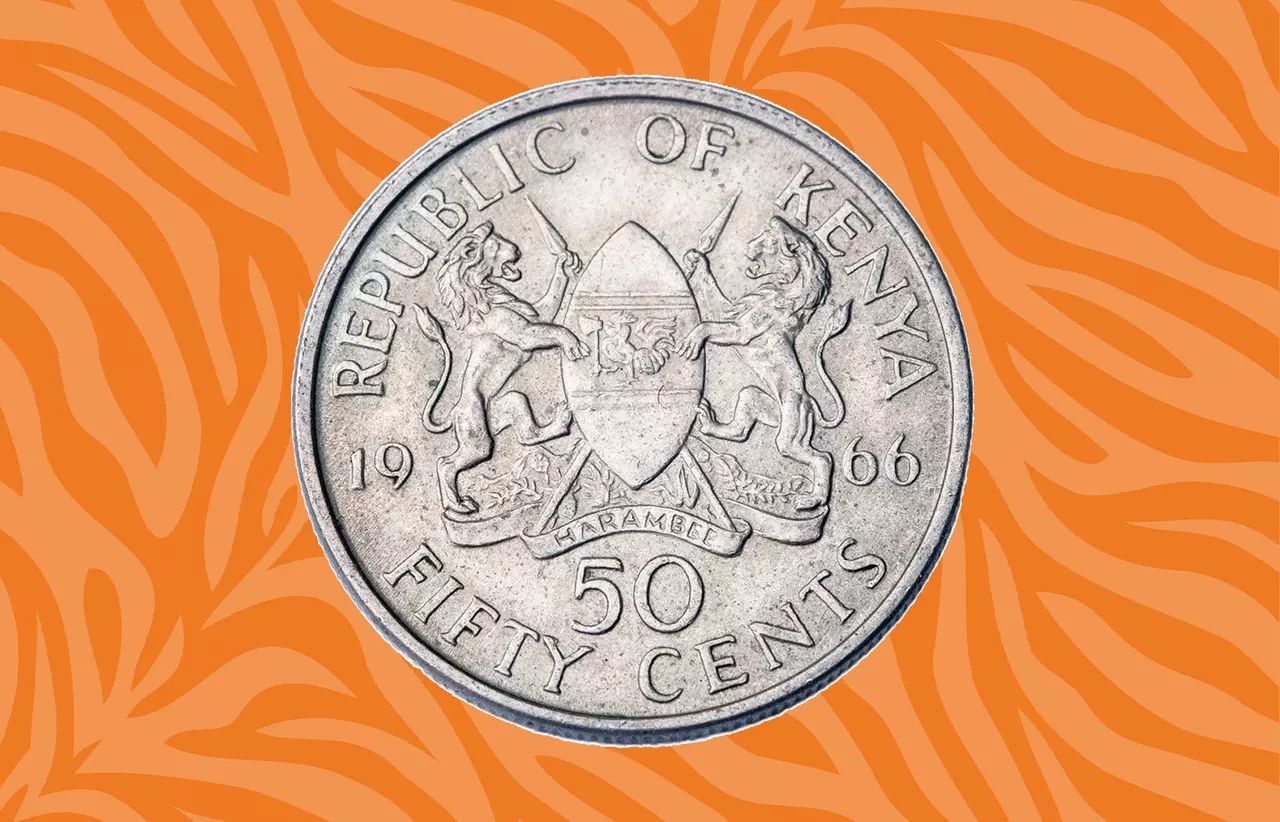
4. Republic of Kenya 50 Cents, 1966 - HARAMBEE
Three years after Kenyan independence, the new nation chose Maasai lion supporters for its coat of arms - flanking a Maasai shield and crossed spears. The motto reads HARAMBEE: "all pull together" in Swahili, the philosophy of Kenya's first President Jomo Kenyatta. These lions owe nothing to all of the European coins featured so far They are East African animals chosen by a sovereign nation to represent its own people and land.
Our conservationists have worked in Tsavo, Kenya, since 1983, to protect lions and the communities that share their landscape.
5. Czech Republic 2 Koruna, 2003 - the double-tailed lion
You might be starting to notice a bit of a theme here - countries all over the world, whether home to native lions or not, have been using lion symbology for thousands of years. This and is most likely nearly always stemming from the ancient Romans who used lions as a symbol of power, sovereignty and strength.
The Bohemian lion on this Czech coin however, is actually mythical - see the two tails? The ancient myth goes that this Bohemian lion is the offspring of a lion and a dragon (quite the breeding programme, we imagine) and is a design that has appeared in Czech coinage since the 12th century.
Below, left: a mosaic two-tailed Bohemian lion mosaic a building in Prague. Below, right: the same lion, miniaturised onto a 2 Koruna coin
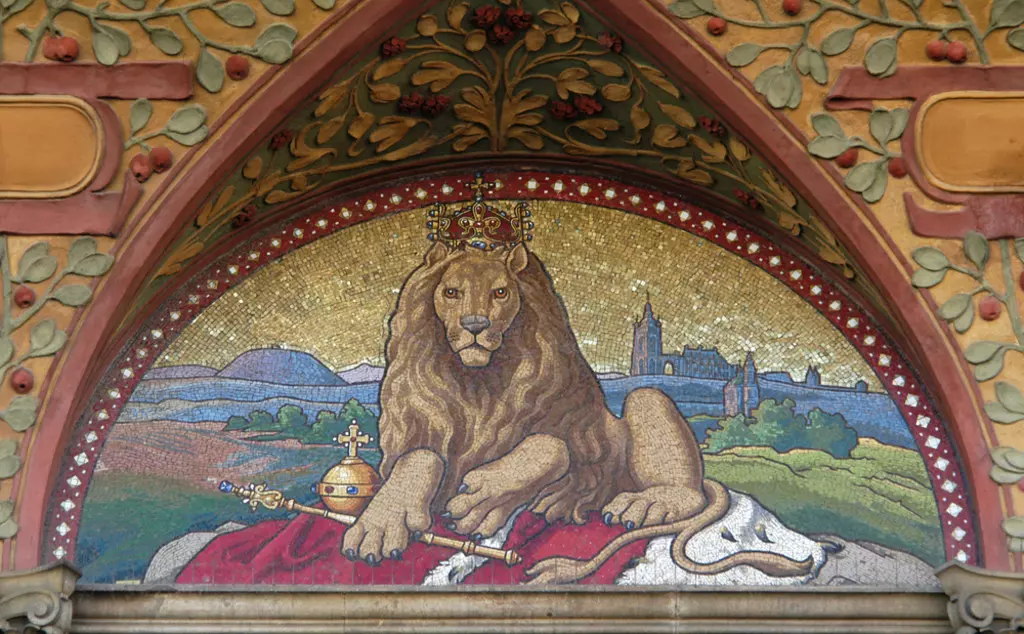
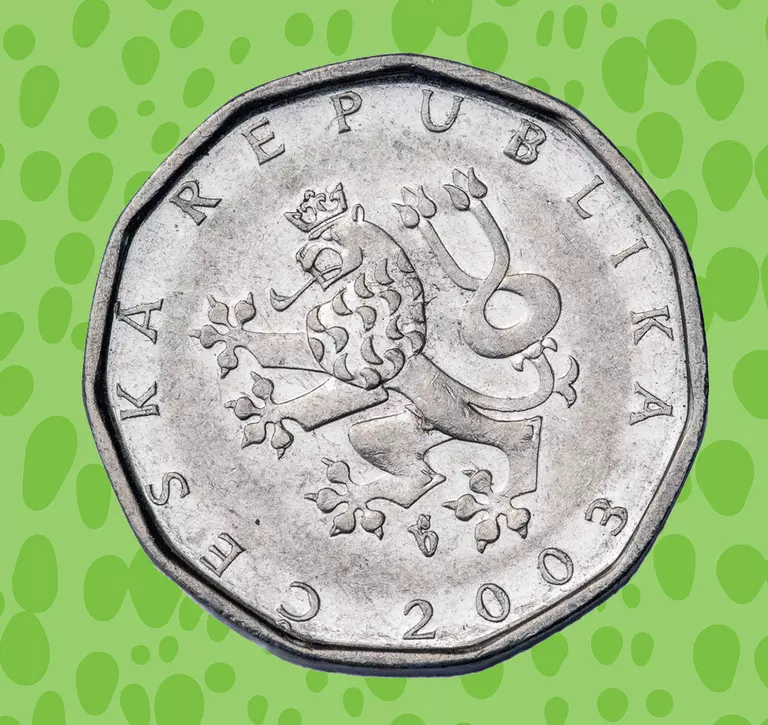
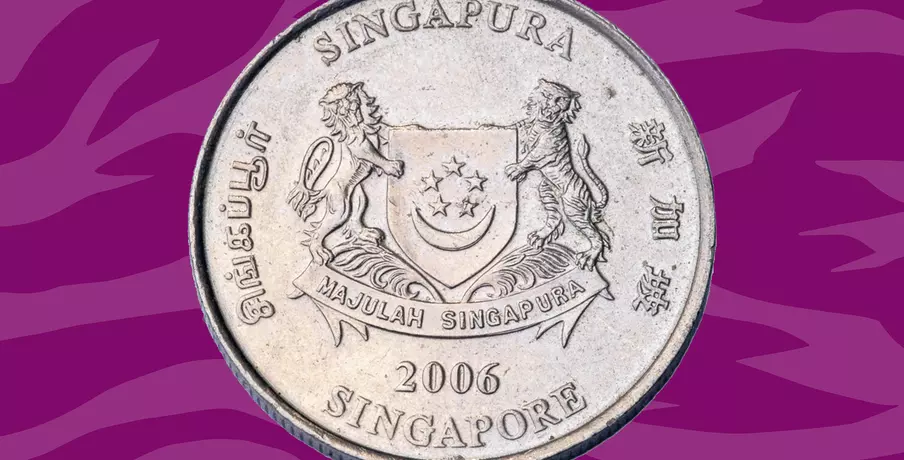
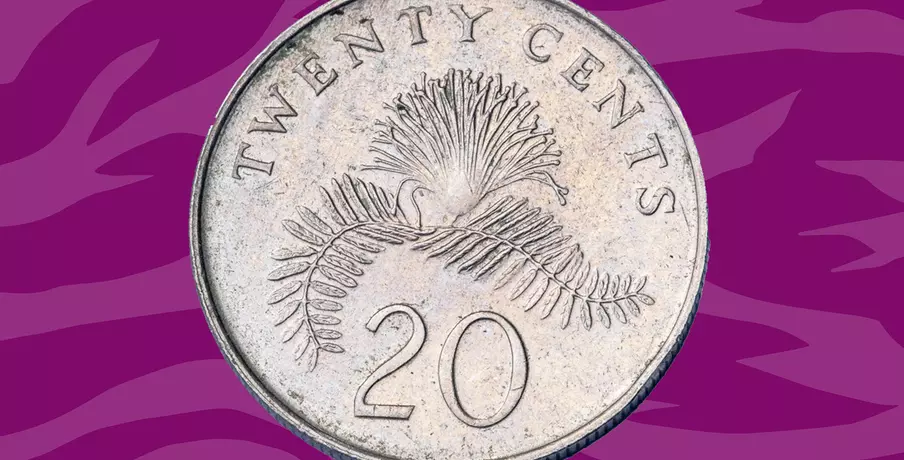
6. Singapore, 2006 - a lion and a tiger
At first glance this does look a bit like two lions but if you look really closely, there’s only one - on the right of Singapore’s coat of arms is actually a is a tiger - representing the country’s brief political union with Malaysia. The last wild Malayan tiger in Singapore died in 1930, where they are now extinct. In Malaysia though, a tiny population of around 150 of this critically endangered species remains. The tiger on this coin is very much a memorial, pressed into metal on the island from which it vanished.
Today, the WildCats Conservation Alliance, our longest-running conservation initiative, is still working to protect tigers across their range, from the snow-capped mountains of the Amur region at the top of their range to the tropical forests of Sumatra at the bottom.
7. Iran, Pahlavi era - a lion on a coin from a country where lions no longer roam
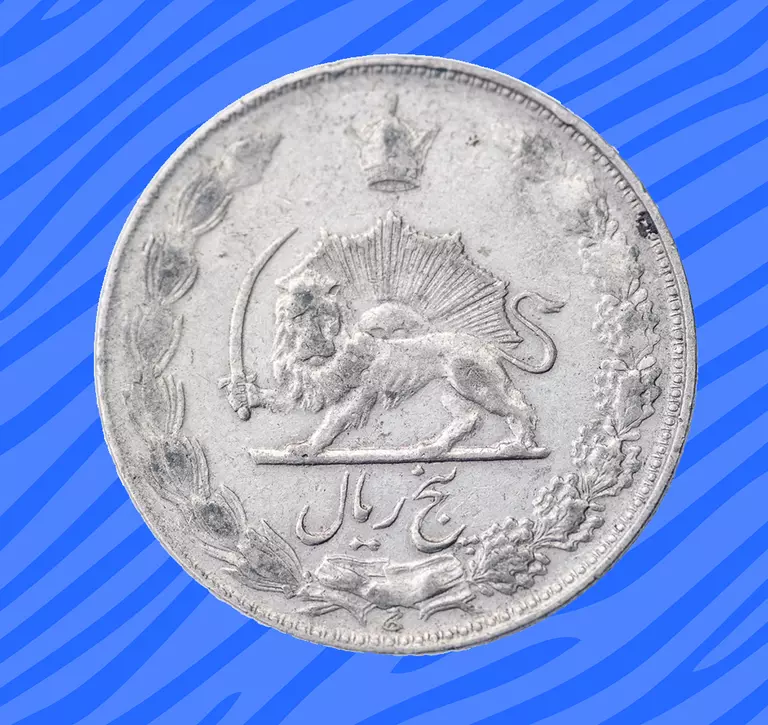
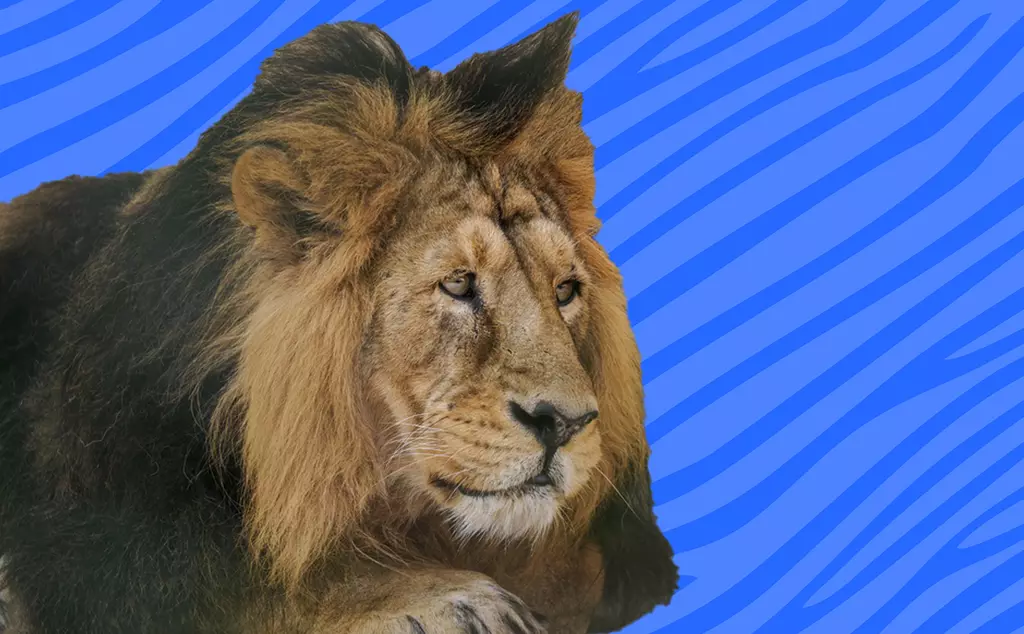
The Shir o Khorshid - Lion and Sun - on this Iranian coin is arguably one of the most ancient symbols in Persian culture, predating Islam by centuries and used on coins until the 1979 Islamic Revolution. But the deeper loss came earlier: the Persian lion, now known as the Asiatic lion, once also roamed Iran, as well as India. The last confirmed wild individual was seen in the 1940s. The Lion and Sun is a double memorial: an animal removed from currency as well as the land.
While we’ve historically worked to protect the Asiatic lion's last remaining population in Gujarat's Gir Forest, India, today our conservation Zoos continue to lead on big cat breeding programmes. You can see our Asiatic lion family at London Zoo, with our sister conservation Zoo, Whipsnade, currently home to a pride of African lions.
Asiatic lions disappeared from Iran in the '40s with the remaining wild population now confined to one forest in India - the region that inspired London Zoo’s Land of the Lions which opened in 2016.
Eagles, falcons and one extraordinary condor
Eagles frequently appear on coins all over the globe and have done so for hundreds of years – and we sure know a thing or two about historic eagles. In 1965, Goldie the eagle famously flew away from London Zoo and holidayed in Regent’s Park for 12 days. People came from all over to spot her, including the media. But, perhaps surprisingly, the most significant bird minted on a coin in this collection isn't an eagle at all…
8. USA California State Quarter, 2005’s condor
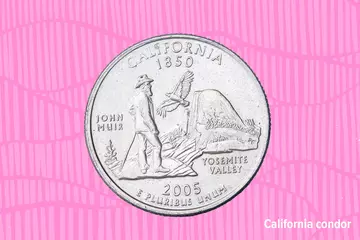
The depiction on this coin is so much more than a pretty picture – it tells the story of an extraordinary conservation achievement. The bird soaring beside John Muir - the Scottish-born father of American conservation, whose advocacy helped establish Yosemite as a national park - on the California State Quarter is a California condor: one of the world's most endangered birds, reduced to just 27 wild individuals by 1987. In a move to save the species, an emergency breeding programme was launched, putting conservation science into practical action. Today, numbers have recovered, with around 500 individuals estimated to be alive today. As it happens, John was born in the year that we were awarded our Royal charter from King George IV, way back in 1828.
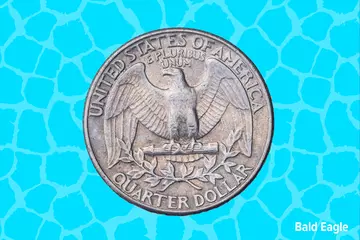
9. USA Washington Quarter - the bald eagle since 1794
The bald eagle has been gracing the faces of American coins since 1794 - one of the first symbolic decisions of the young republic. In this depiction, it clutches arrows in one talon and an olive branch in the other - and faces toward the olive branch. By the 1980s, the bald eagle was recovering from near-extinction following a pesticide crisis that started in the late 40s, making the bald eagle on this coin: simultaneously a national emblem and a conservation story.
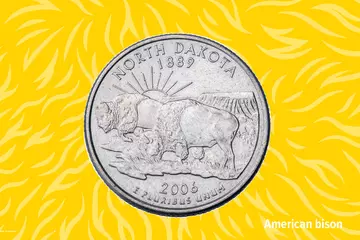
From 1999 to 2008, the US Mint ran the 50 State Quarters programme. A specially designed quarter for each of the 50 states, five per year, in the order states joined the union. One side always carried the standard George Washington portrait; the reverse was unique to each state, designed to celebrate its landscape, history, wildlife or culture.
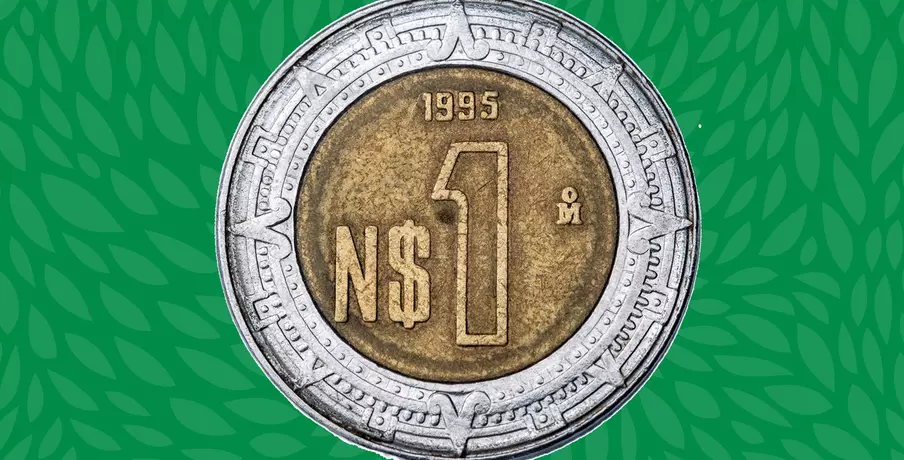
10. Mexico 1 Nuevo Peso, 1995 - the most ancient bird on our list
This striking bi-metallic coin is adorned with Aztec calendar stone motifs, and its gold-coloured centre shows a golden eagle munching at a serpent while sat on a prickly pear cactus. This is a visualisation of the Aztec foundation myth of Tenochtitlan – which tells the story of the god Huitzilopochtli's instruction to build a city on the spot where this chaotic wildlife scene was witnessed.
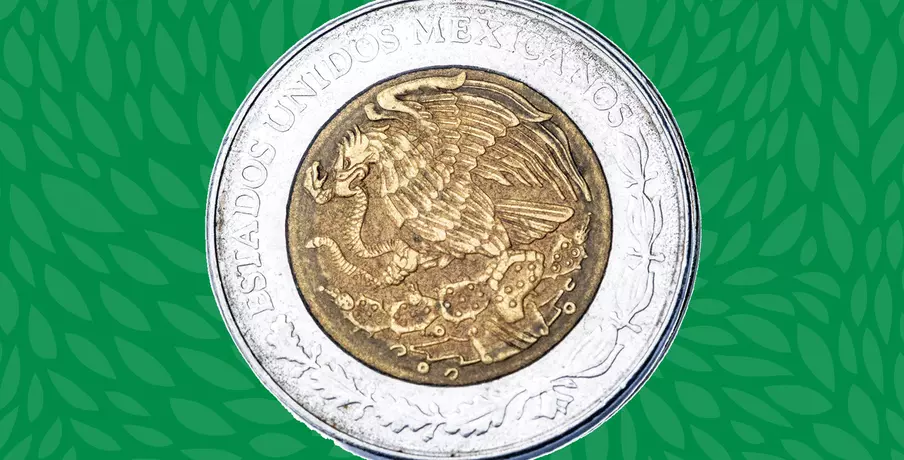
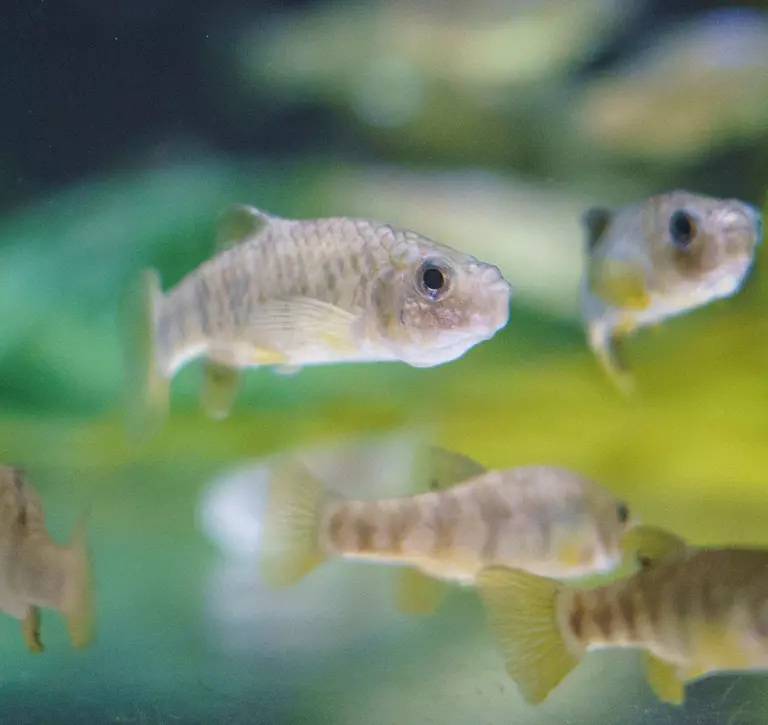
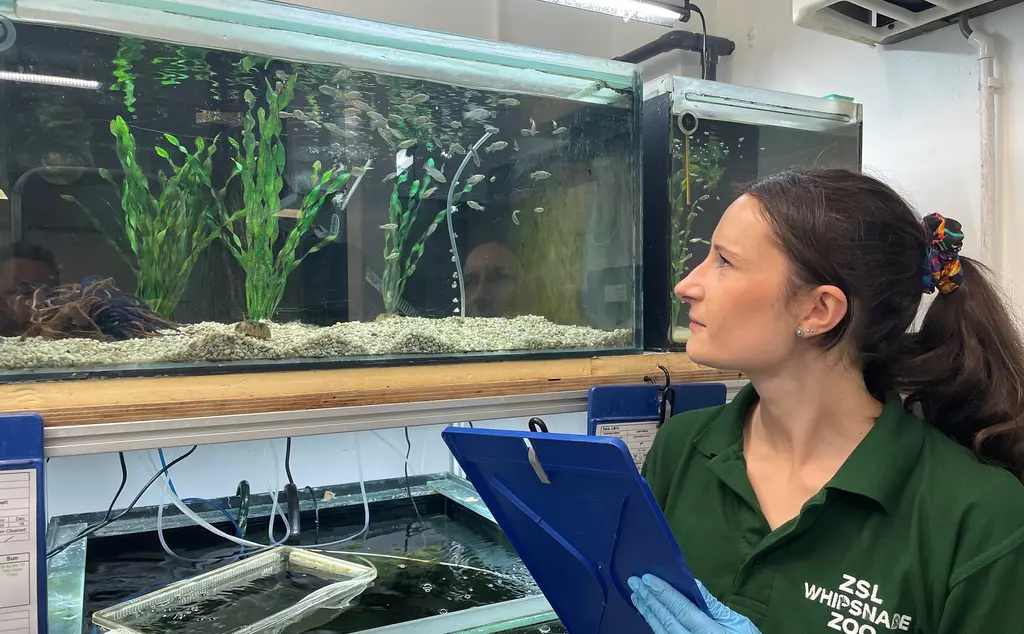
The golden eagle on Mexico's coin is mythological, but our ongoing conservation work in Mexico is very real. Three freshwater fish species, the Potosí, La Palma, and Charco pupfish, have been safeguarded through conservation breeding programmes at Whipsnade Zoo for over two decades, after disappearing from the wild entirely. In 2025, our team travelled to northern Mexico to start the wheels turning on a long-term reintroduction programme. For the first time in decades, there is real hope that these fish will swim wild again.
The eagle on Mexico's coin is mythological. The fish at Whipsnade Zoo are very much not - three species, extinct in the wild, being kept alive until they can be successfully reintroduced into their native habitat.
11. Egypt/United Arab Republic, 1967 - the Eagle of Saladin
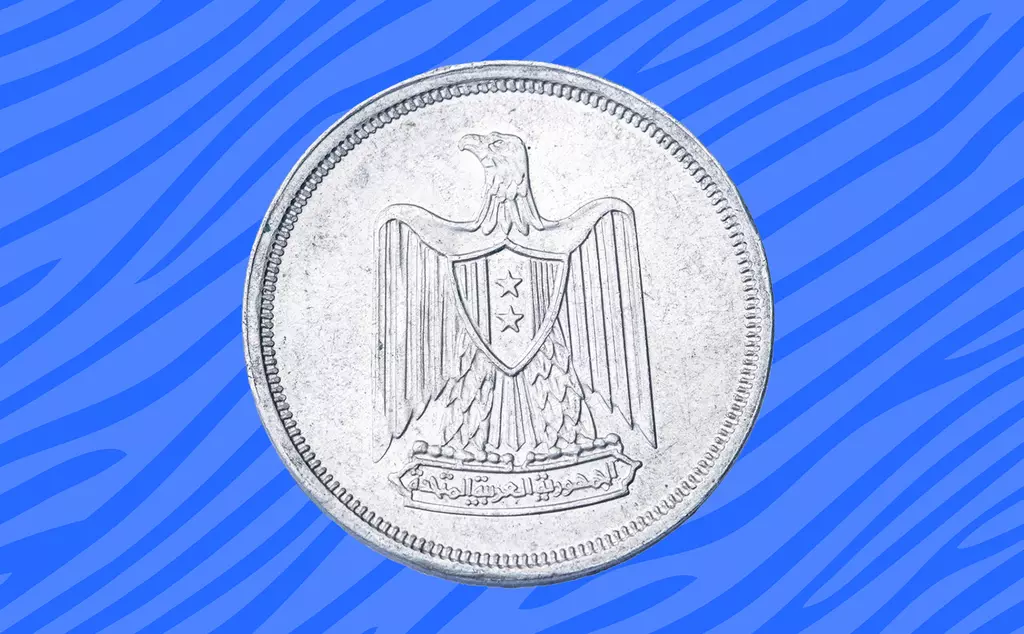
This coin is from Egypt back when it was a part of the United Arab Republic (UAR) - a short-lived political union between Egypt and Syria. They parted ways in 1961, but didn’t get round to updating their coins until the 70s.
The Eagle of Saladin on the coin is named after the 12th-century leader who became a symbol of pan-Arab resistance. The year this coin was minted is also the year where the first cheetahs were born in Europe, at Whipsnade Zoo.
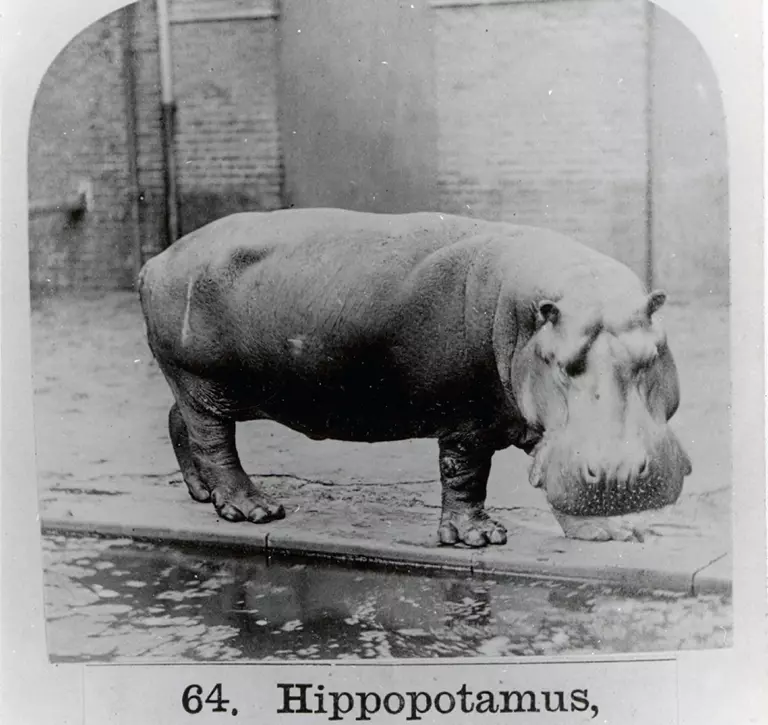
Obaysch, right
Egypt and London Zoo go back further than you might think. In 1850, Obaysch the hippopotamus arrived from Cairo - the first hippo seen in Europe since Roman times. . He was accompanied by his Egyptian keeper Hamet Safi Cannana, who slept in a hammock beside his water tank on the journey over and stayed for two years. The Eagle of Saladin comes from a country that has been part of our history for over 180 years.
12. Japan 5 Sen, 1945 - a wartime bird pressed into zinc
On one side of the world, both of our Zoos remained open during WWII despite many staff members enlisting to help the war effort. London as a matter of public morale, Whipsnade as a place of safety for evacuated animals and people.
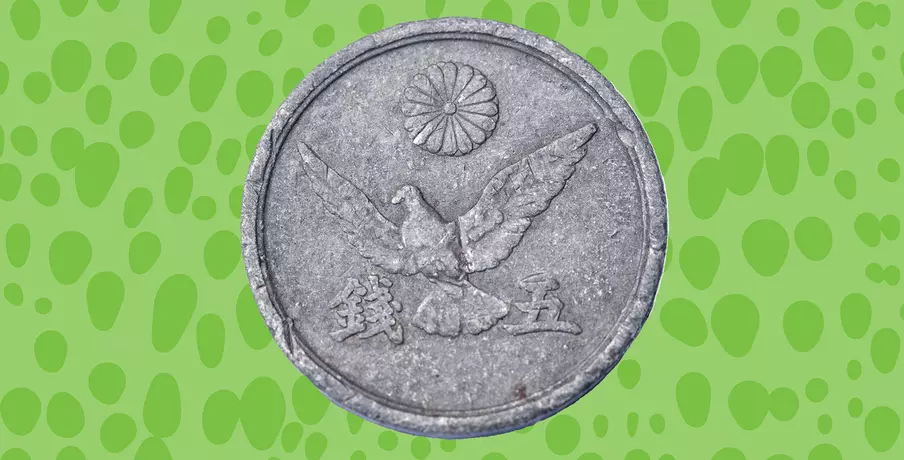
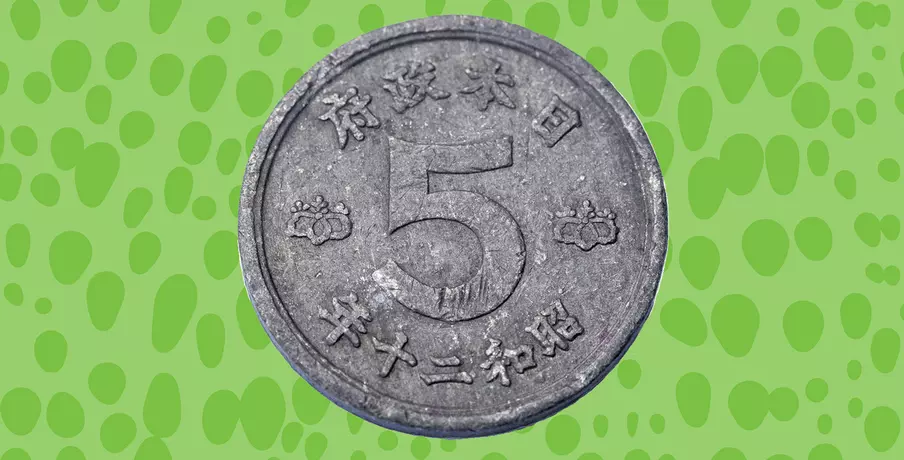
On the other side of the world, war-torn Japan had exhausted its copper, nickel and aluminium supplies as the end of the war approached, so this coin was struck in zinc and tin - the cheapest of the metals Japan had left. The bird beneath the Imperial chrysanthemum seal is a dove: a deliberate symbol of peace, chosen after the previous design was rejected by the Allied Powers for still bearing the words "Great Japanese Empire."
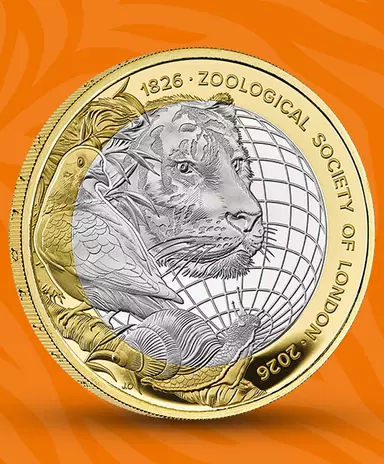
THE ZSL ROYAL MINT £2 COIN
Three species. One coin. 200 pennies, and 200 years of science and determination.
Australia: three coins, two monotremes, and two animals lost forever
The thylacine (extinct 1936) and the quagga (extinct 1883), native to Australia, could both be seen at London Zoo before the world lost them forever - our visitors were some of the last people on earth ever to do so. We’re dedicated to protecting species around the world so that stories like this stay in the past.
Australia has a very strong history of celebrating its living wonders – including the platypus, the echidna, the kangaroo and the emu - on coins that cross a million palms a day, sharing our spirit for keeping wildlife at the forefront of people’s minds from the depths of pockets and purses.
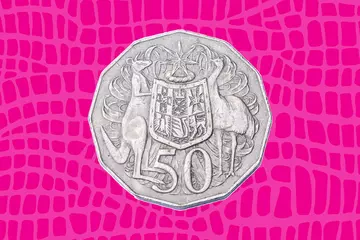
13. Australia 50 Cent, 1975
This distinctive 12-sided coin carries not just a kangaroo and emu but the full Australian coat of arms: both animals flanking a quartered shield representing all six states, with the seven-pointed Commonwealth Star above. The kangaroo and emu were chosen because neither can move backwards. They are symbols of a nation that only looks forward. The emu is among the animals you can see at London Zoo today, while wallabies free-roam all around you at Whipsnade Zoo - smaller than kangaroos, but no less majestic.
14. Australia 20 Cent, 1976 - the animal that baffled a generation of scientists
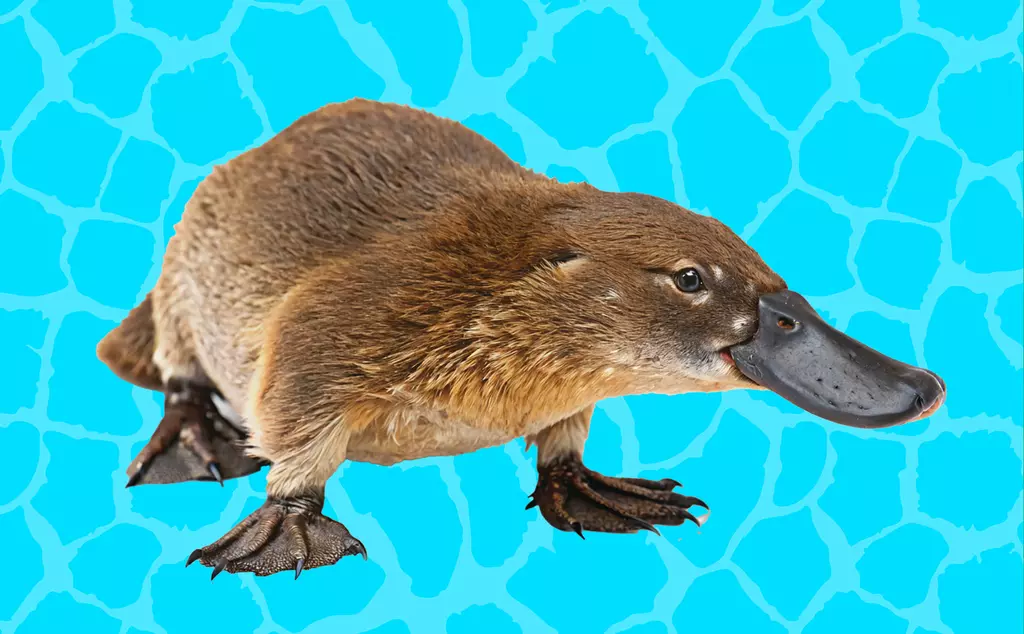
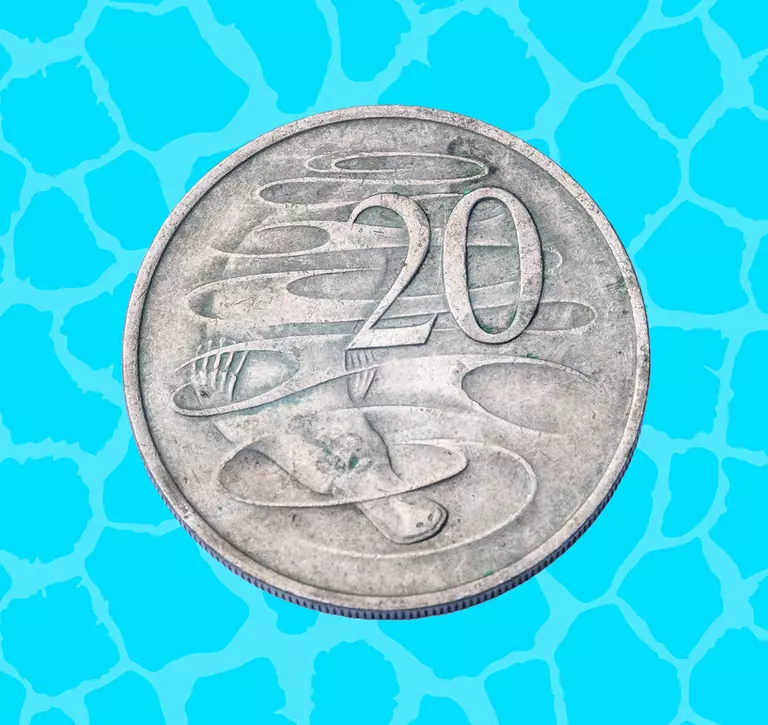
When a platypus specimen was first sent to European naturalists in 1799, the Natural History Museum's George Shaw reportedly checked it for stitches, convinced it was a taxidermy hoax. A mammal that lays eggs, has a duck's bill, a beaver's tail, an otter's feet, and venom in its hind spurs was too strange to believe. In 1943, Winston Churchill ordered a live platypus be shipped from Australia to London as a wartime gesture of solidarity - so a custom-built platypussary was constructed at London Zoo in readiness. The platypus, also named Winston, never made it. He was found dead in his tank just four days from Liverpool - it has been speculated that depth charge detonations from nearby naval action may have startled him. The platypussary stood empty.
The evolutionarily distinct and slightly wacky mix of physical features on the first-seen platypuses totally baffled experts at the time.
15. Australia 5 Cent, 2003 - the echidna, and our scientist a century ahead
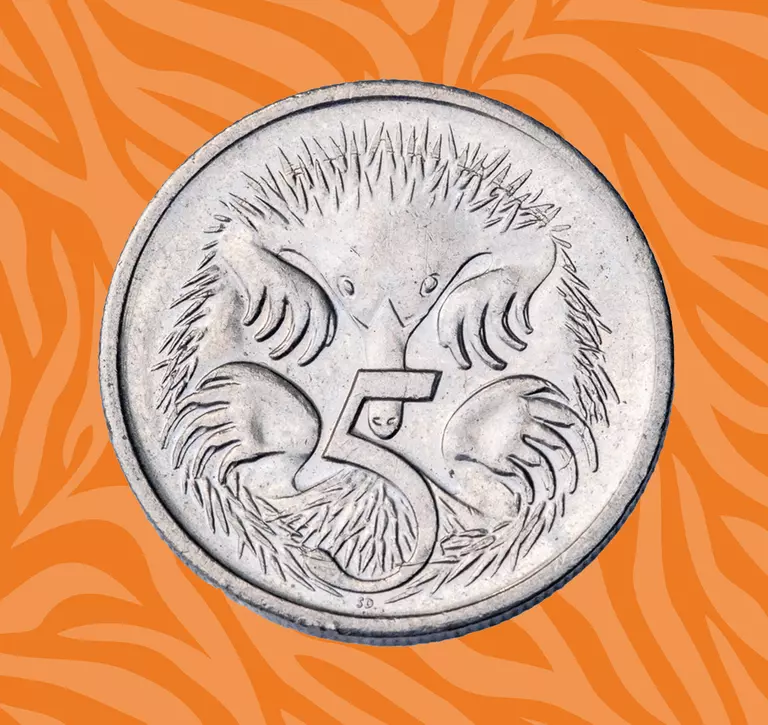
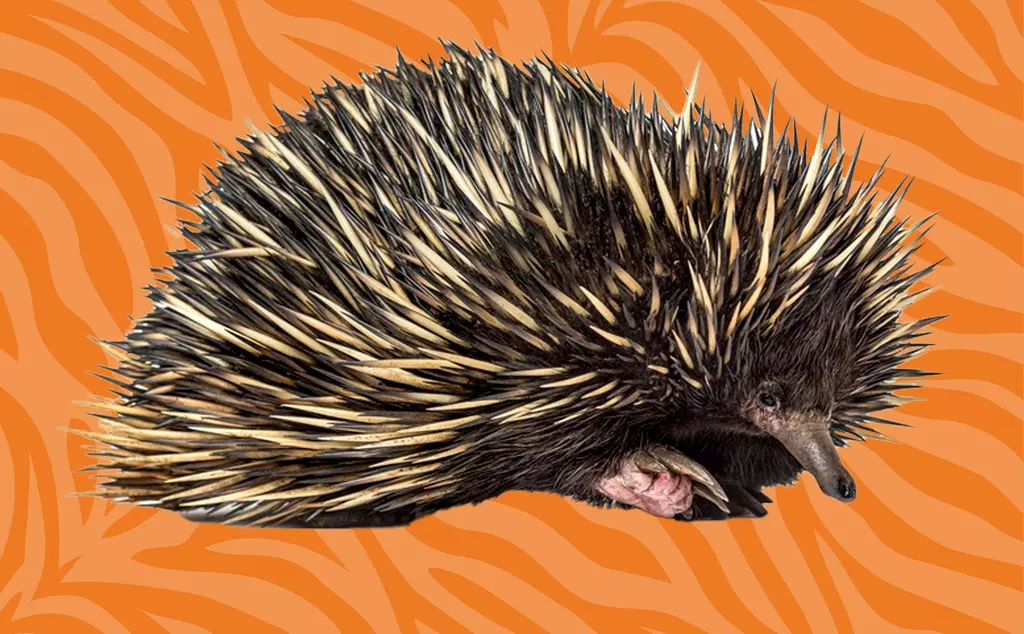
Australia placed monotremes - mammals that lay eggs - on two denominations when it introduced decimal currency in 1966: platypus (above) on the 20 cent, echidna (below) on the 5 cent. Of five monotreme species alive today, Australia is home to two of them - and both remain emblazoned on coins still in circulation. Today, our EDGE of Existence programme works to protect Attenborough's long-beaked echidna in Papua's Cyclops Mountains, where ZSL’s first female Insect House Curator, Evelyn Cheesman, conducted expeditions a century earlier - decades before the echidna was even described.
Echidnas, an EDGE species, have a distinctive long snout and a body covered in long hard spines.
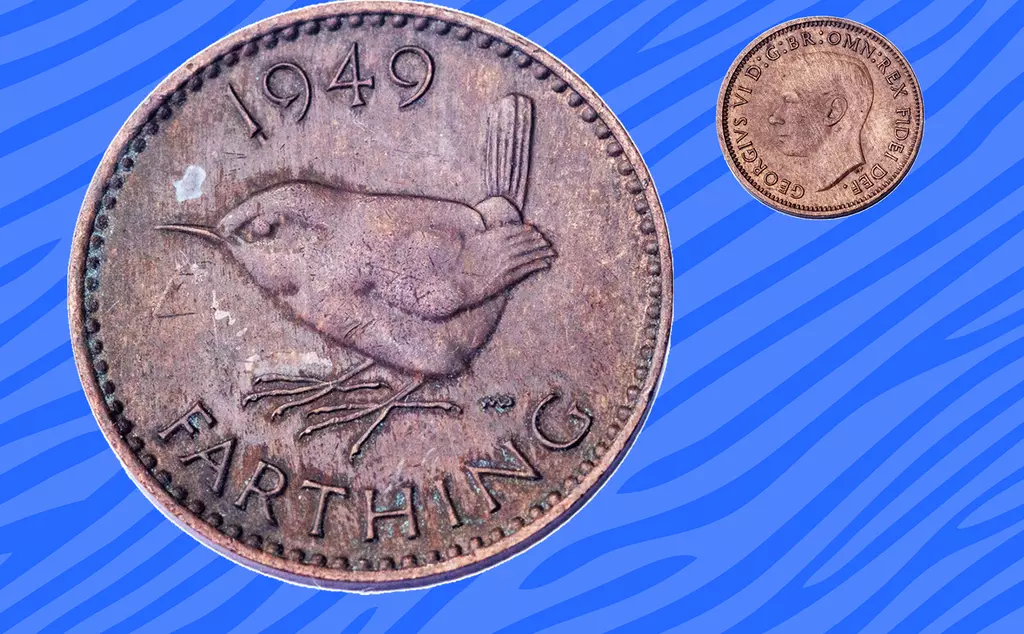
16. Great Britain - Farthing, 1949
Our Creative Studio manager at ZSL, Natalie Latham, has a daughter whose middle name is Wren. Her grandfather found a wren farthing in his currency box and gave it to the family, decades before she was even born. "Because coins inherently feel valuable," she told us, "like a special little bit of treasure - we wanted some coins with wrens which made her name feel special. And because the Royal Mint made farthings with wrens on, it feels like society recognised the value of a little wren too." That's what a coin does. It makes something feel worth remembering.

Natalie and daughter Juno Wren with her farthing, right
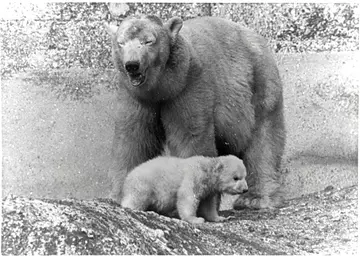
In the year this example was minted, King George VI was our Royal Patron and a very tiny Brumas the famous polar bear (photographed below, with mother Ivy), was born at London Zoo.
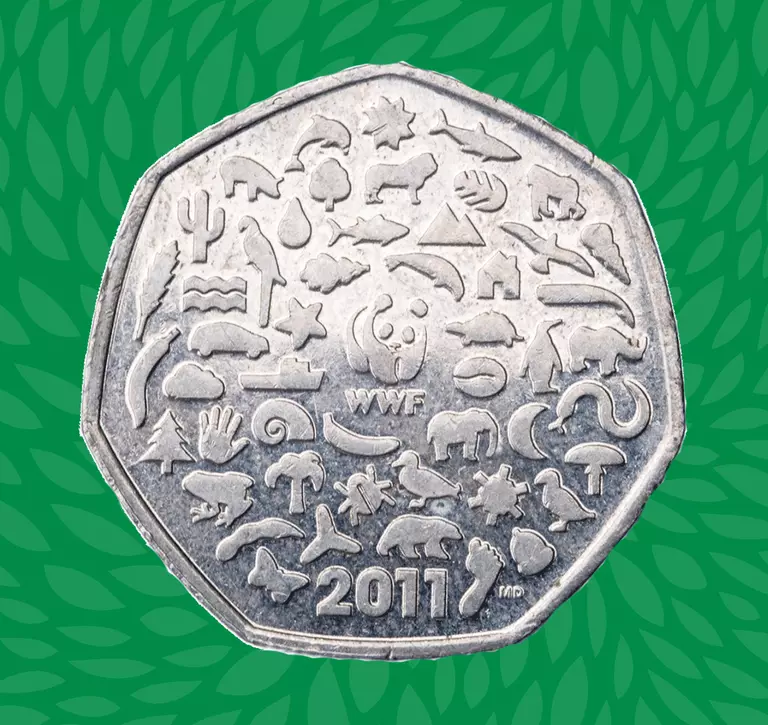
17. WWF 50p, 2011 - a biodiversity audit in miniature
We’re in good company being featured on British commemorative coins. The entire surface of this WWF coin is covered with dozens of miniature animal silhouettes: a panda, shark, dolphin, whale, turtle, frog, bear, elephant, trees, coral, human handprint. When WWF was founded in 1961, the naturalist and artist Sir Peter Scott - one of WWF's co-founders - used London Zoo’s resident celebrity panda, Chi Chi, as the inspiration for their logo, sketching the design based on her distinctive markings. It was the same year Prince Philip became our Society’s President. The first Living Planet Report - the world's most authoritative measure of biodiversity loss - was, and continues to be, a bi-annual joint ZSL and WWF publication.
18. Ireland 5 Pence, 1998 - nearly 100 years of the Celtic bull
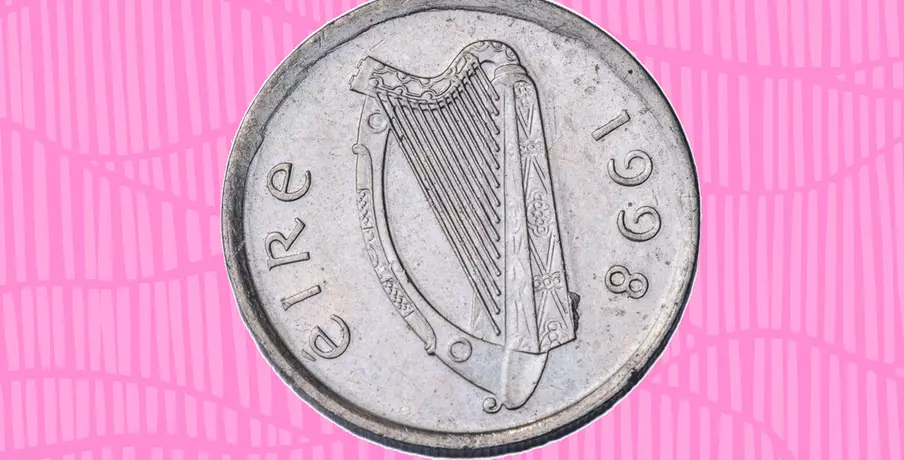
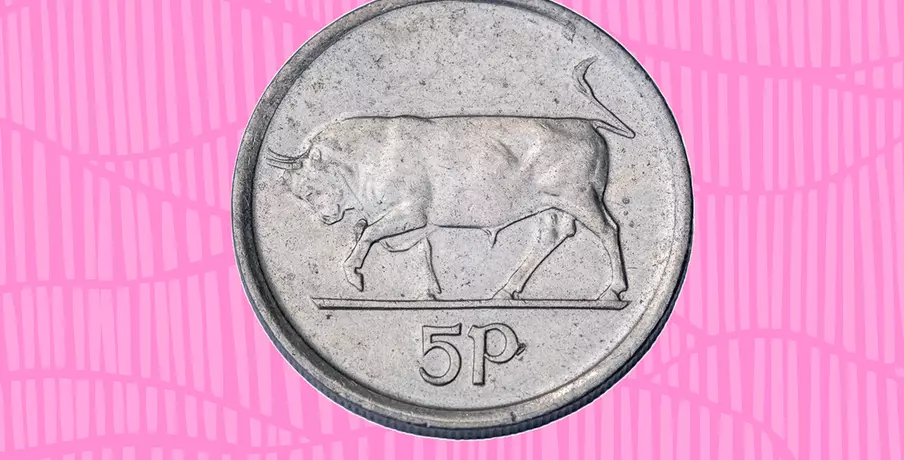
Minted in the same year that our first collaborative Living Planet Report was published and the Good Friday Agreement was signed, this coin features no ordinary bull. Percy Metcalfe's Celtic shorthorn bull has been on Irish coins since 1928 - one of the longest-running animal designs in the world.
19. Uganda 1 Shilling, 1966 - a crane on both sides
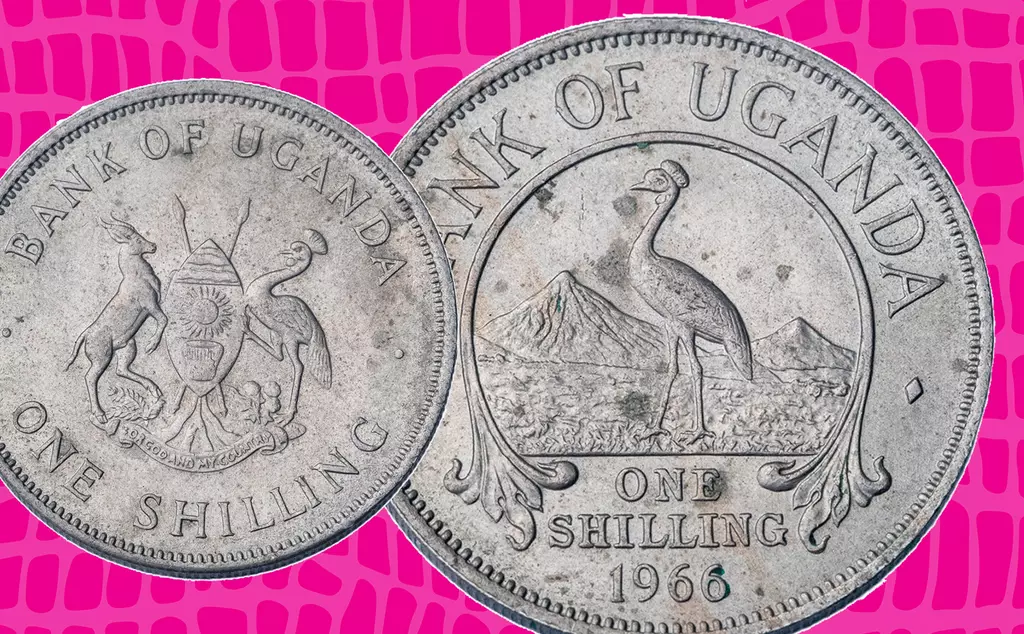
The grey-crowned crane appears twice on this coin: once as a standalone portrait before the Rwenzori mountains, once as a supporter on the full coat of arms alongside a Uganda kob antelope. The motto reads "FOR GOD AND MY COUNTRY." The crowned crane is Uganda's national bird. Today it is classified by the IUCN as Endangered, threatened by habitat loss and the live bird trade. Chosen as a national symbol, now fighting for survival - and precisely the kind of species that our conservation work across East Africa, protecting wildlife and the communities that share their landscape, exists to save.
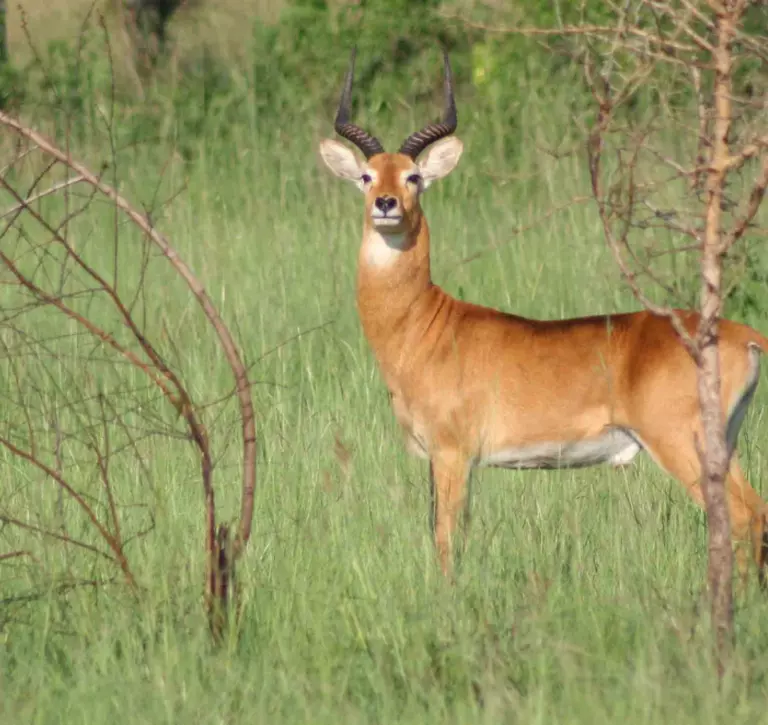
Right, a photo of a kob taken by one of our field scientists
19 coins. Dozens of species. Hundreds of years of human history pressing animals into metal and saying: this matters. Wildlife is worth remembering. It must not be lost.
The Bank of England announced earlier this year that the next series of British banknotes will feature wildlife - chosen by the public in a consultation that drew over 44,000 responses, with 60% of people voting for nature. Britain is putting wildlife back on the money.
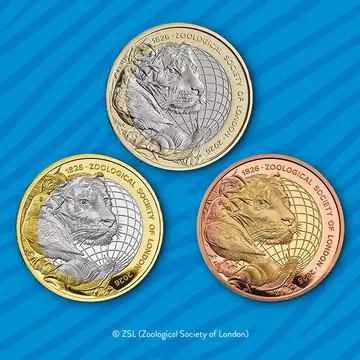
The Royal Mint’s ZSL commemorative £2 coin – features three species we are working to protect and restore.
The Partula snail - extinct in the wild. 5,000 returned to French Polynesia in 2023 after 30 years of our expert-led collaborative breeding programme with other conservation organisations.
The Sumatran tiger - fewer than 400 left in the wild. Our WildCats Conservation Alliance are working to protect this species in the forests of Indonesia.
The Socorro dove - gone from the wild since the 1970s. Part of a breeding programme at London Zoo to conserve a healthy population in preparation for reintroduction.
Carry their story in your own pockets and purses – support our work and own yours today.