






The Bank of England has announced that British wildlife will feature on the next series of banknotes – the result of a public consultation in which nature received more nominations than any other theme. For us, an organisation that has spent 200 years working to protect the natural world, it's a moment worth worthy of reflection.
People choose nature
Of 44,000 consultation responses, 60% chose nature as their preferred banknote theme – ahead of landmarks, historical figures, arts, sport, and innovation. The result is a clear signal of where public values lie. When asked what they want to see on their currency, people chose the natural world.
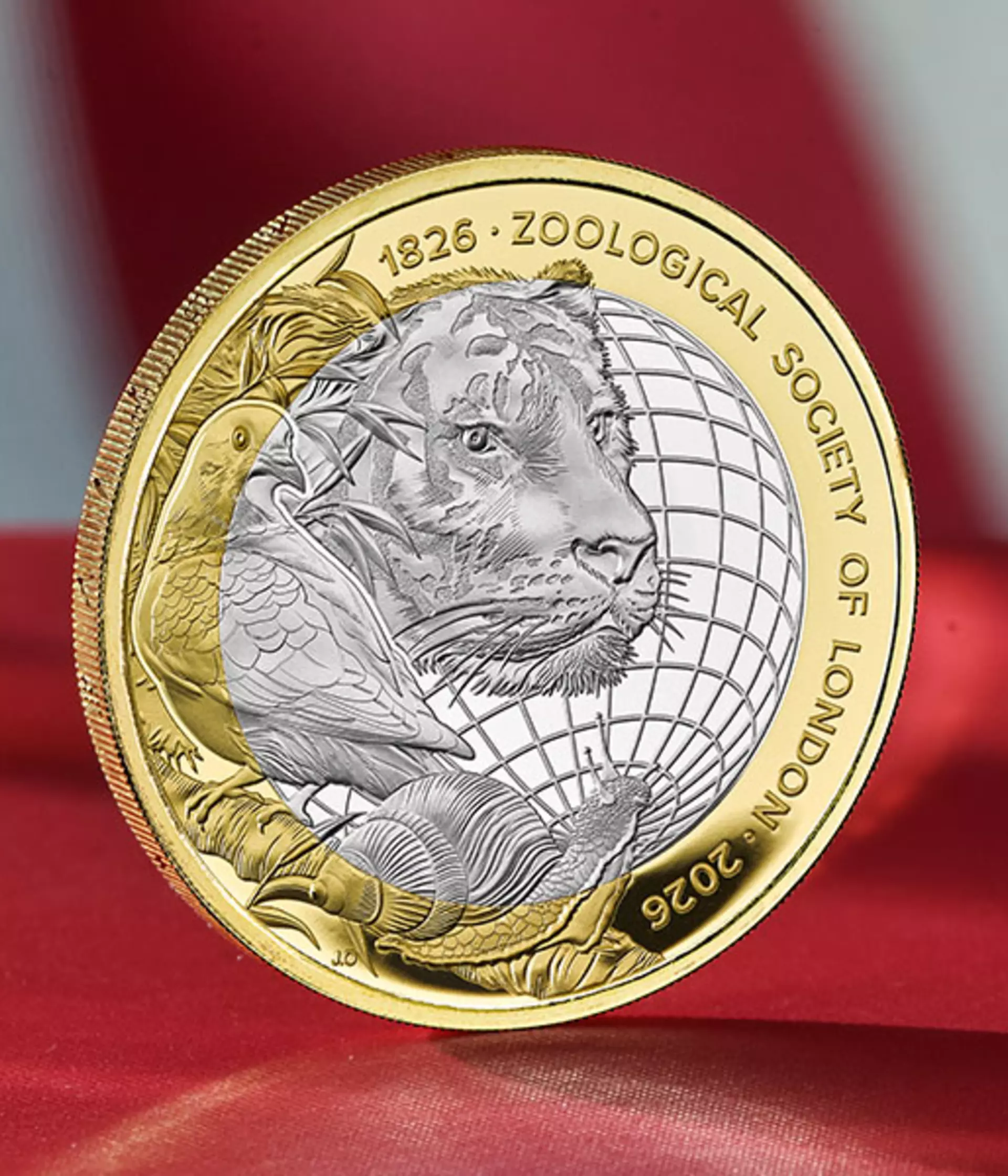
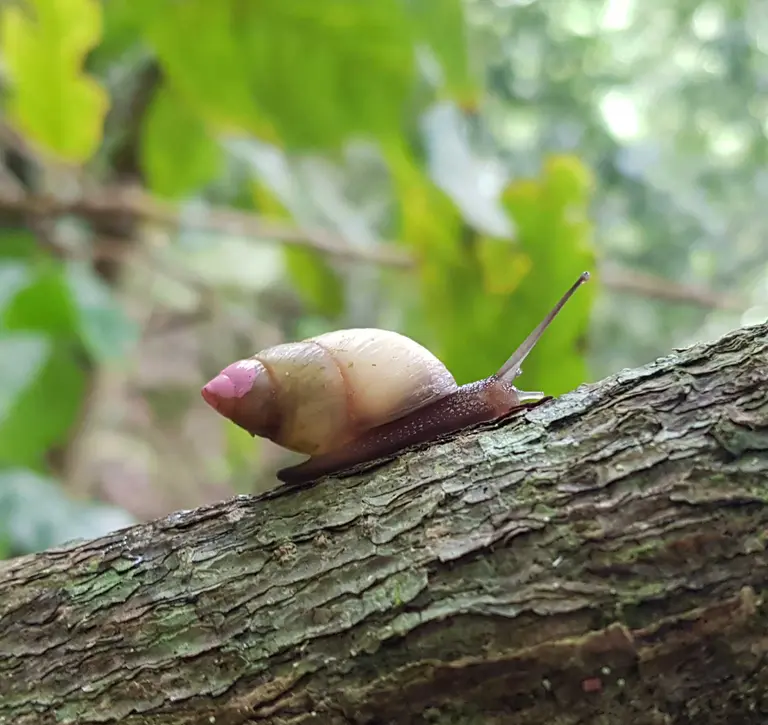
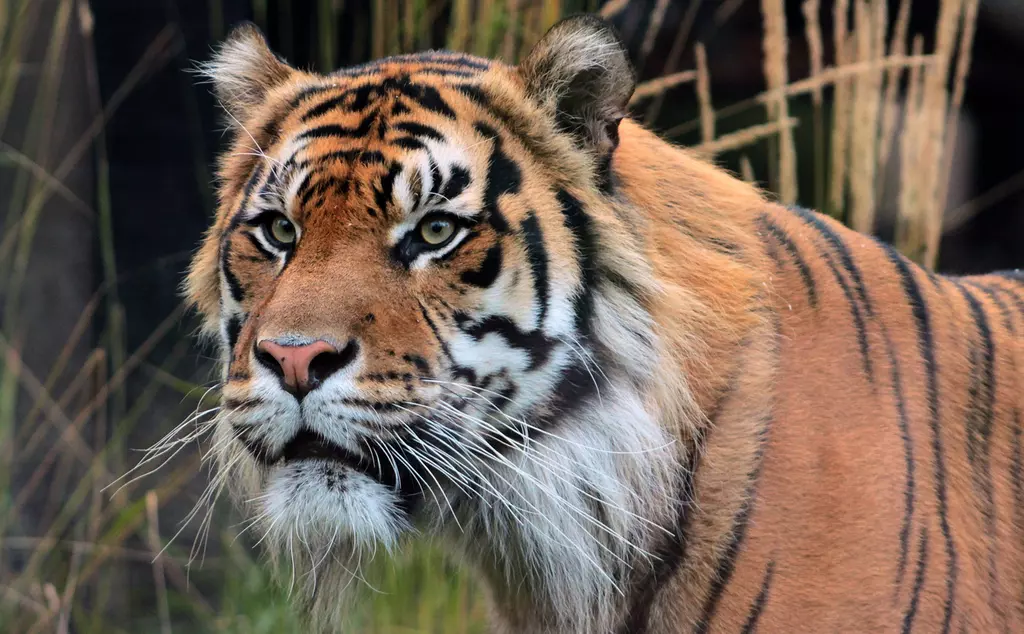
As we mark 200 Years of Wildlife this year, we are delighted to be commemorating our bicentenary with a £2 coin featuring three species at the heart of our conservation work: a Sumatran tiger, a Socorro dove, and a partula snail. Animals whose survival has depended on decades of scientific effort, global partnerships, and sustained investment. Seeing wildlife on currency is not just symbolic but fitting for species that we’ve invested time and money to restore.
From symbolism to investment
It's great news that so many people are invested in putting wildlife on the money. The bigger challenge – and the more urgent one – is getting everyone invested in spending the money on the wildlife. Wildlife populations have declined by an average of 73% over the last 50 years. Reversing that trajectory requires roughly $700 billion globally per year. Public appetite is not the barrier. The capital exists. What's missing is the infrastructure that connects the two: scientific standards, governance frameworks, and policy signals clear enough that institutional investors can act with confidence.
ZSL's role in nature finance
This is the challenge we are directly working to address. Earlier this year we launched SPIN – Science for Private Investment in Nature – in partnership with the Royal Botanic Gardens Kew, Stantec and Imperative Global, and funded by DEFRA. SPIN is a research initiative designed to identify what it takes to embed robust, replicable science into early-stage nature projects in a way that is genuinely useful to investors – building the market infrastructure that nature finance needs to function at scale.

Institutions must follow
The Bank of England's decision reflects a society that values nature and expects its institutions to do the same. The question now is whether the financial system can match that mandate – and move from putting wildlife on banknotes to putting serious capital behind wildlife recovery.
Read CEO Kathryn England's thoughts on nature finance.