






5 February 2026
Opening the world’s first scientific zoo in 1828 not only pioneered a new way of studying wildlife, it also began a revolution in animal care.
For the first time, scientists could observe living animals up close and regularly: studying behaviour, learning about diets, diagnosing illnesses, and forming new approaches to veterinary care. At the heart of this transformation was a new role – the zoo veterinarian. Over the next two centuries, our vets would become world leaders in the science of wildlife health.
From hands-on ingenuity in the 1800s to cutting-edge conservation science today, our veterinary history is one of innovation, compassion, and discovery.
Early days: Charles Spooner, ZSL’s first medical attendant
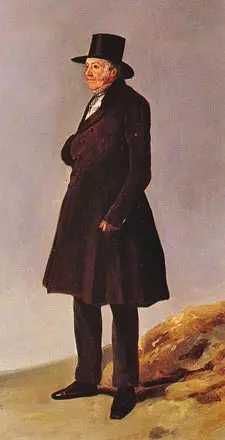
It’s easy to forget just how experimental veterinary care once was – at our science-led conservation charity and beyond. One of the earliest figures in our veterinary story was Charles Spooner, our first Medical Attendant. Spooner joined in 1829, fresh from the Royal Veterinary College - who we partner with to train future vets today - at a time when zoo veterinary medicine barely existed.
For £60 a year (around £4,000 today), Spooner visited the then Zoological Gardens twice a week, examining animals, treating illness, keeping detailed notes, and carrying out post-mortems. His journals provide some of the earliest written evidence of organised veterinary care, revealing a practitioner learning through careful observation, persistence, and compassion.
One case in particular shows Spooner’s determination. A young lion cub named Nelson developed skin eruptions that looked like mange. Spooner initially treated the sores with tar liniment, but Nelson continued to deteriorate. Upon closer inspection, Spooner realised the cub was teething. Irritated gums had caused an ulcer on Nelson’s lower jaw, a condition often fatal in lion cubs.
Refusing to accept defeat, Spooner gave Nelson a daily solution of sulphate of zinc and lanced the problematic tooth. The treatment worked. On 6 October, his journal entry reads simply: “Better. No medicine ordered.” Against the odds, Nelson survived.
Despite successes like this, Spooner’s role was short-lived. As the number of animals grew, he requested a pay rise that was not granted, and his services were eventually dispensed with. Yet his careful record-keeping, hands-on care, and determination to learn from each case laid the foundations for our future veterinary practice.
Building the profession: William Youatt and The Veterinarian
William Youatt was a key figure in developing veterinary care at ZSL, as well as a key figure in animal welfare of the period. A respected veterinary surgeon, lecturer, and medical writer, Youatt joined in 1833 as Medical Superintendent, and remained in post until his death in 1847. He believed in careful observation, education, and knowledge-sharing and was named Honorary Veterinary Surgeon for the Society for the Prevention of Cruelty to Animals (the RSPCA) in 1835.
Youatt attended the Gardens twice a week, handled emergencies, carried out post-mortems, and helped establish dedicated medical rooms – an important step toward systematic veterinary practice. His journals reveal the variety of health challenges faced by animals, from fractures and tumours to cholera and tuberculosis.
Alongside his work with us, Youatt founded The Veterinarian, one of the earliest veterinary journals, helping to advance standards of care far beyond our Gardens. His long and dedicated service embedded veterinary medicine and animal welfare at the heart of our charity – foundations that shaped how we care for animals today.
Pioneering reptile care: Joan Beauchamp Procter
Joan Beauchamp Procter was not only a well-respected herpetologist but also a trailblazer in reptile welfare. Appointed Curator of Reptiles and Amphibians in 1923 - the first female ever to take the post - she worked passionately despite chronic ill-health until her death in 1931.
Joan’s leadership in designing the Reptile House, opened in 1927, transformed care for reptiles. She collaborated with architects to create a space ahead of its time in animal welfare, including the installation of vita glass to allow UV light in – essential for reptiles’ health – and advanced heating and lighting systems tailored to specific species.
Her hands-on experience with pythons, Komodo dragons, and other reptiles informed every design choice. She worked alongside vets, observing behaviour, helping with treatments, and pioneering health care and surgical procedures for reptiles at a time when non-domestic animal medicine was still largely experimental.
Joan’s legacy endures not only in innovative design but also in how she bridged curatorial, scientific, and veterinary practice – helping us see animals as individuals with specific health and welfare needs.
Britain’s first zoo vet: Oliver Graham-Jones
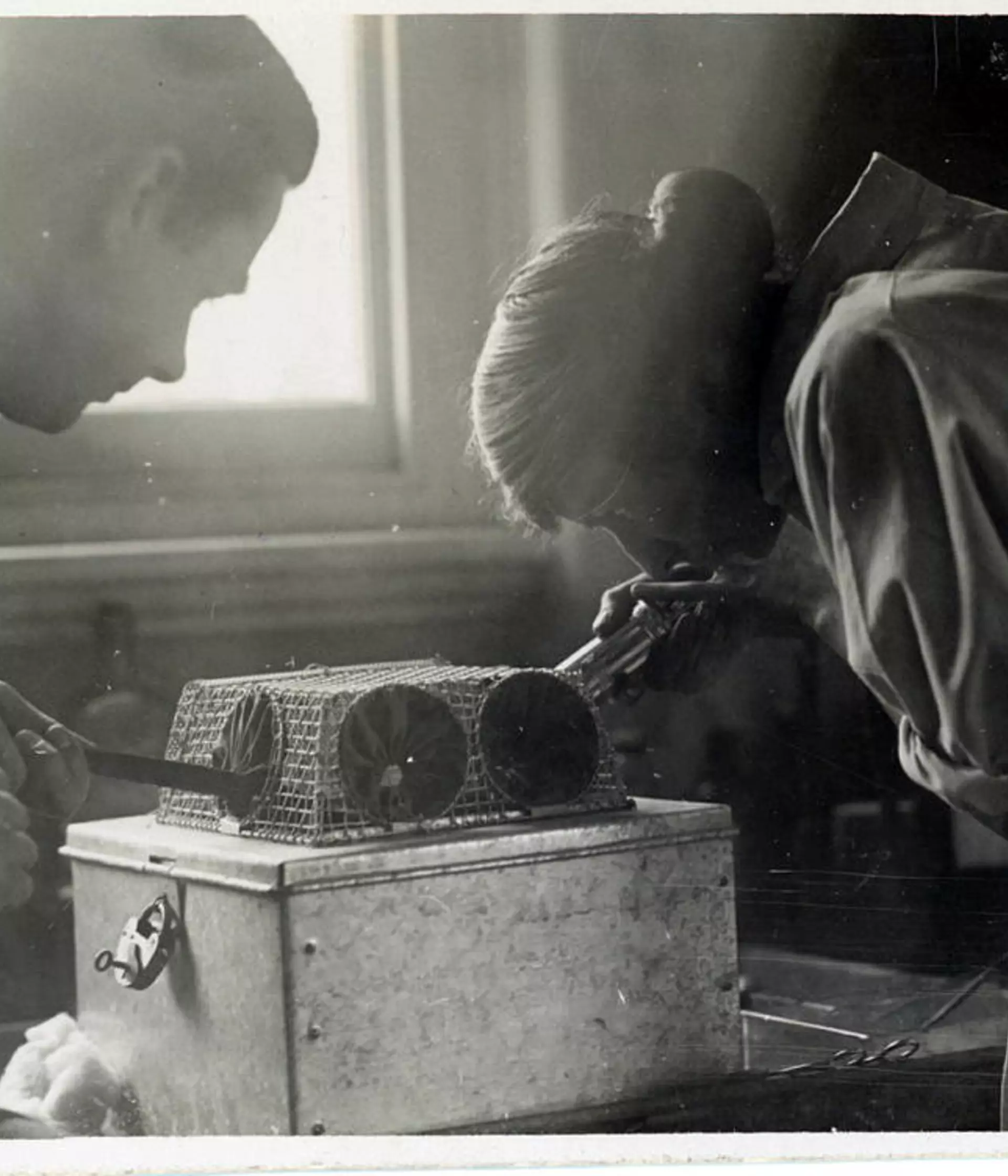
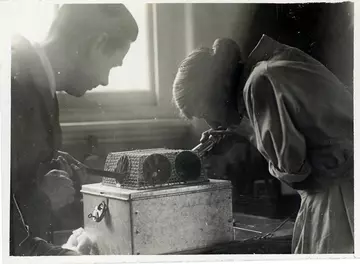
In 1951, we appointed Oliver Graham-Jones, often described as Britain’s first dedicated zoo vet. He transformed veterinary practice at our society from a reactive service into a proactive, scientific discipline.
Graham-Jones introduced systematic clinical records, strengthened post-mortem research, and developed wildlife anaesthesia and surgery techniques. He installed infrared heat pool lamps for primates, built the first dedicated animal hospital, performed the first recorded colostomy on a snake, and even fitted a raven at the Tower of London with a wooden leg to save it.
His most revolutionary invention was the hand-held dart gun, or ‘flying dart’, allowing anaesthetics to be delivered safely from a distance. This dramatically reduced stress for animals and risks for staff and became the forerunner of modern wildlife remote-delivery anaesthetic systems.
Today, we take this further with our welfare training programmes, where animals voluntarily participate in health checks thanks to positive reinforcement – presenting paws, offering tails for blood draws and even stepping on scales to monitor weight – all out of choice.
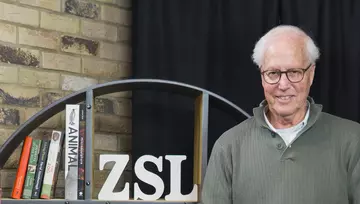
Breaking new ground: Dr Bruce Fogle
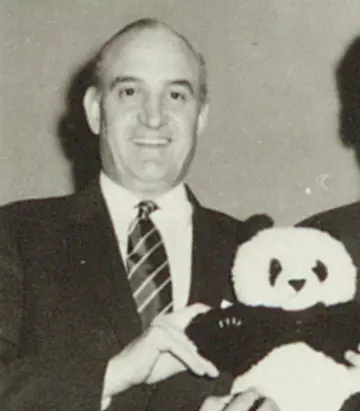
In the 1970s, veterinarian Dr Bruce Fogle worked at London Zoo under Head Vet Malcolm Hine. He contributed to pioneering research, including the world’s first endoscopic examination of a tiger to investigate fertility issues. Using human medical tools, the team identified a cyst causing the problem – a revolutionary approach at the time.
Through his later books, journalism, and television work, Fogle demystified veterinary science and championed progressive ideas about animal welfare, behaviour, and enrichment, helping bridge the gap between domestic and zoo veterinary care.
Trailblazer in diagnostics: Dr Christine Hawkey
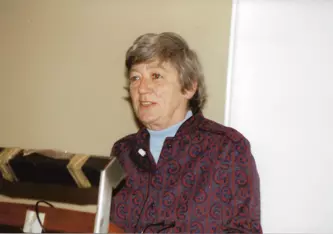
Dr Christine Hawkey (1939–2008) transformed how disease is understood and diagnosed in wild animals. She led our Haematology Unit and with her assistant Mike Hart, conducted the most ambitious haematology study ever undertaken in zoological medicine. Their research standardised blood testing for zoo and wild species, creating protocols still used worldwide today.
Hawkey also discovered compounds in bat saliva that prolong bleeding, inspiring anticoagulant drugs now widely used in human medicine. Her work anticipated the One Health approach - linking animal biology, veterinary science, and human health decades before the term became common.
Wildlife Health Services today
Today, our Wildlife Health Services build on nearly two centuries of innovation. Across our conservation zoos, veterinary and pathology teams provide evidence-based care for thousands of animals, combining clinical medicine, diagnostics, surgery, and preventative programmes.
Beyond our zoo gates, teams work globally to monitor diseases, investigate wildlife deaths, and support conservation partners. This work protects threatened species, ecosystems, and reduces risks of disease transmission between wildlife and humans.
From handwritten journals and improvised treatments to modern diagnostics and international disease surveillance, the foundations laid by ZSL’s early veterinary pioneers continue to shape our work.
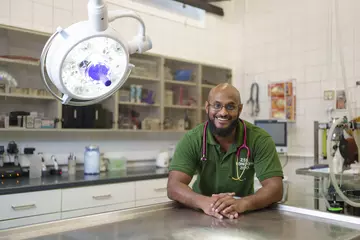
Our Wildlife Health Services department today is a living legacy: a commitment to learning, collaboration, and care that remains at the heart of everything we do.
Our 200th Anniversary
Discover more about our incredible 200 year history and how you can get involved with our 2026 celebrations by heading to our 200th anniversary hub