






22 December 2025
When ZSL was founded in 1826, it was on the edge of an exciting new era in the study of wildlife.
Charles Darwin’s theory of evolution had not yet been published, conservation did not exist as a formal discipline, and much scientific knowledge of animals still relied on taxidermy and illustrated descriptions rather than live observation.
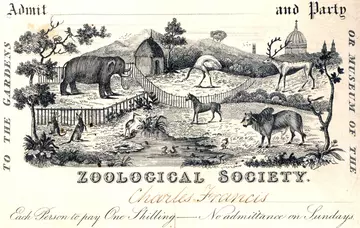
Into that world we introduced a radical idea: a living museum where animals could be studied, not just displayed. Two years after we were formed, London Zoo opened its gates to Scientific Fellows of the Society (the public followed two decades later).
The idea was ground-breaking. Until then, animals in Britain were seen mainly in menageries, circuses, or preserved in cabinets. There was no consistent access to live animals for scientists to begin answering the question ‘I wonder?’ From this bold beginning, our conservation charity set a new standard for how people could learn about and care for wildlife.

A bold vision:the birth of a scientific zoo
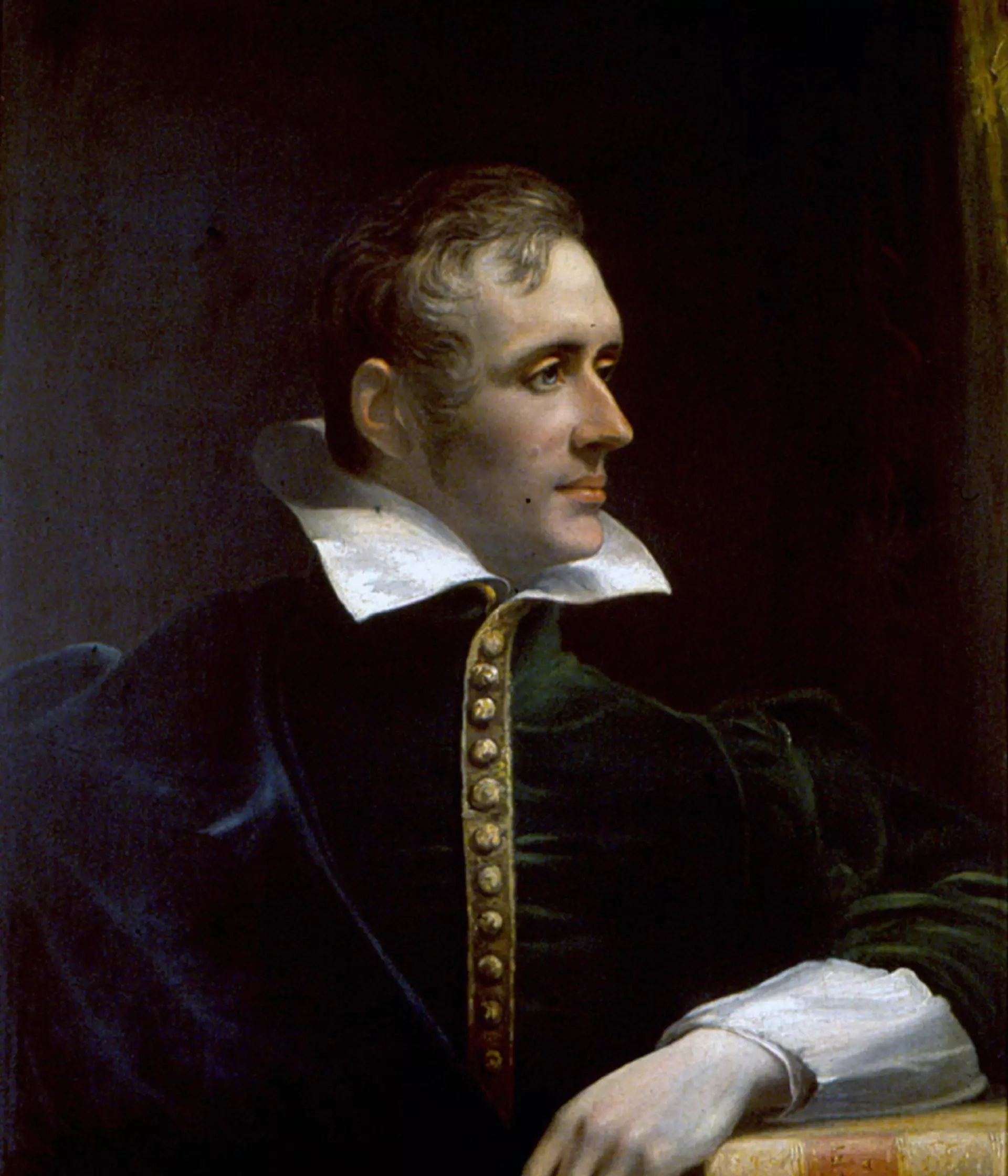
Founded by Sir Stamford Raffles, ZSL was created “for the advancement of zoology and animal physiology, and for the introduction of new and curious subjects of the animal kingdom.” By providing regular, controlled access to real animals, we gave scientists a chance to observe behaviour and anatomy and explore animal care in ways that were previously impossible.
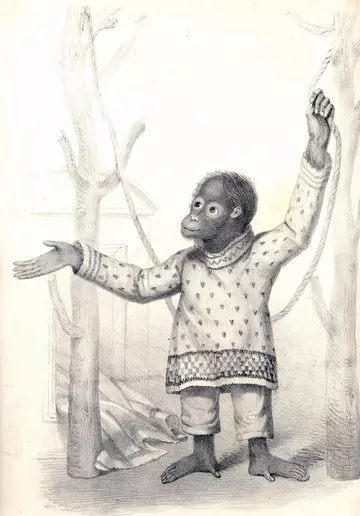
The impact was immediate and London Zoo became a magnet for curious minds: researchers, naturalists and writers visited to see animals at close quarters. Charles Darwin, for example, studied the orangutan Jenny at the Zoo, and encounters like this helped shape the questions that would transform biological science.
Scientific firsts and global influence
Over the 19th and 20th centuries, ZSL introduced a string of innovations that helped define the modern zoo and its scientific purpose:
- 1853 – The world’s first public Aquarium, with the word itself coined by merging “aqua” and “vivarium.”
- The first Reptile House (1849), first Insect House (1881), and early Children’s Zoo (1938) — each widening public engagement with wildlife and supporting new areas of research.
- Pioneering veterinary care, with ZSL’s in-house veterinary team helping shape zoo medicine and improve animal welfare.
- Advances in animal nutrition, driven by observation-led research into species’ dietary needs.
- 1961 – The founding of the Institute of Zoology, formalising ZSL’s research and growing into a world-leading conservation science centre whose work continues to inform global policy and conservation action today.
Throughout its history, we have continually pushed the boundaries of what a zoo can be – from conservation breeding programmes to cutting-edge research in animal health, genetics, and ecology. We helped lead the shift from zoos as animal collections to active forces for conservation.
A global legacy: inspiring scientific zoos worldwide
While London Zoo was the first scientific zoo, it inspired a wave of similar scientific zoological institutions across the world. These zoos, while all different, share ZSL’s focus on animal care, science, and public education. All good conservation zoos across the world work together for wildlife – by participating in global conservation breeding programmes and sharing knowledge and expertise.
Berlin Zoological Garden, Germany (Founded 1844)
Germany’s oldest zoo, Berlin Zoo cares for thousands of animals across around 1,500 species. It plays a major role in European and global conservation through coordinated breeding programmes for threatened species such as okapis, bonobos, rhinos and Amur tigers. Working in partnership with leading research institutions, including wildlife biology and veterinary science centres, Berlin Zoo continues to advance animal welfare, reproductive science and behavioural research while engaging millions of visitors with biodiversity conservation.
Antwerp Zoo, Belgium (Founded 1843)
Among Europe’s oldest zoos, Antwerp Zoo has evolved into a globally recognised hub for zoological science and conservation. Through its Centre for Research & Conservation, the zoo coordinates international field projects, publishes scientific research, and leads breeding programmes for threatened species ranging from bonobos to seahorses. Historically admired for its architecture and urban setting, Antwerp Zoo today blends heritage with a strong modern commitment to research, education, and species recovery worldwide.
Tiergarten Schönbrunn (Vienna Zoo), Austria (Founded 1752)
The world’s oldest continuously operating zoo, Schönbrunn began as an imperial menagerie before transforming into a modern scientific zoo dedicated to conservation and research. Now caring for over 500 species, the zoo has celebrated major breeding successes including Europe’s first naturally conceived giant pandas and recovery programmes for rare reptiles and amphibians. Welcoming over two million visitors annually within its UNESCO World Heritage setting, Schönbrunn combines historic legacy with contemporary conservation science.
Melbourne Zoo, Australia (Founded 1862)
Australia’s oldest zoo, Melbourne Zoo has become a leading centre for conservation science, particularly focused on protecting native wildlife. Operating alongside Zoos Victoria, it supports recovery programmes for threatened species including Helmeted honeyeaters, Tasmanian devils and Eastern barred bandicoots. Its research efforts span wildlife health, habitat restoration, and genetics, linking zoo-based expertise with field conservation across Australia and the Asia-Pacific region.
Bronx Zoo, USA (Founded 1899)
One of the largest metropolitan zoos in the world, the Bronx Zoo is operated by the Wildlife Conservation Society (WCS), which supports field conservation programmes in more than 50 countries. The zoo pioneered expansive, naturalistic habitats in North America and has long aligned public education with wildlife research, conservation breeding and veterinary science. Today, it serves as a major platform for global conservation awareness and species recovery initiatives.
Singapore Zoo, Singapore (Founded 1973)
Internationally recognised for its innovative ‘open concept’ design - first seen at ZSL’s Whipsnade Zoo in 1931 - Singapore Zoo is a modern leader in animal welfare, behavioural enrichment and tropical species conservation. Its Wildlife Healthcare & Research Centre supports veterinary research, disease surveillance and conservation breeding, linking zoo expertise to field protection efforts across Southeast Asia, combining public engagement with rigorous welfare standards and science.
Bringing people closer to wildlife
From the very beginning, our charity has been both a scientific institution and a place of public wonder. Our animals, architecture and pioneering people have inspired artists, writers and filmmakers - from Beatrix Potter to Sir David Attenborough - sparking generations of curiosity about the natural world long before wildlife documentaries became part of everyday life.
Curiosity has always been our beating heart. The simple act of asking “I wonder?” about how animals live, behave and survive launched two centuries of discovery, learning and conservation.
Today, that same spirit continues. Our scientists and conservationists work across more than 70 countries, tackling urgent challenges from wildlife disease to habitat loss. Across our conservation zoos, Institute of Zoology and global field programmes, our purpose remains unchanged: to connect people with the natural world and to turn wonder into action for wildlife.
ZSL's 200th Anniversary
Discover more about our incredible 200 year history and how you can get involved with our 2026 celebrations by heading to our 200th anniversary hub