


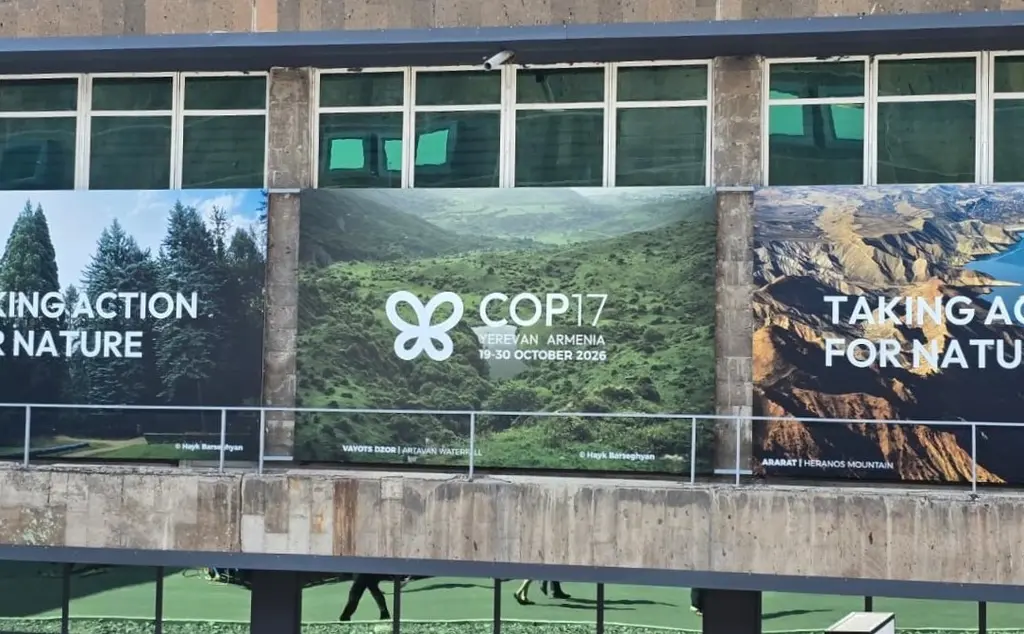
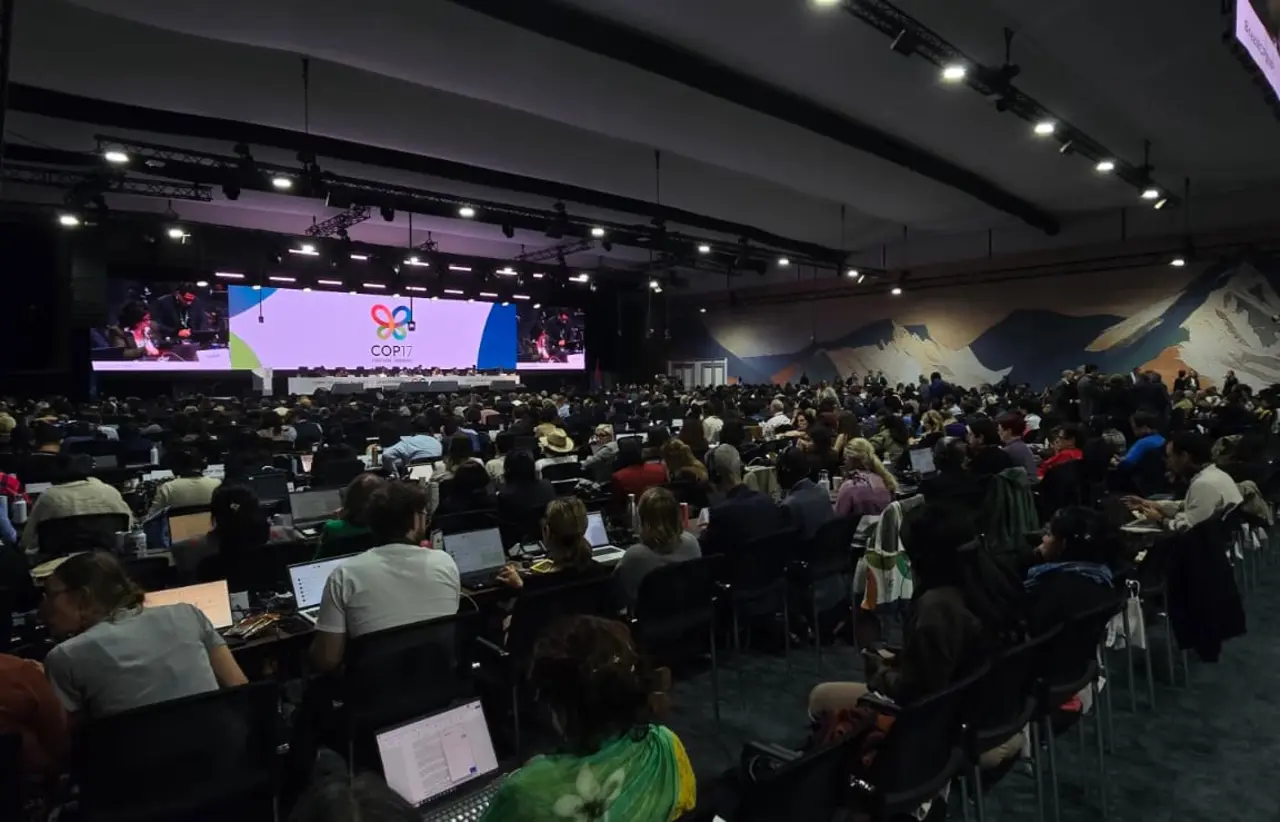
Last month, representatives from nearly 200 countries gathered in Yerevan, Armenia, for the 17th UN Biodiversity Conference, known as COP17.
The conference marked the first formal review of progress towards the global framework to tackle biodiversity loss, including protecting 30% of the world’s land and sea. What progress has been made?
What is COP17?
The Convention on Biological Diversity (CBD) was established at the 1992 UN Earth Summit in Rio de Janeiro, alongside global agreements focused on climate change and land degradation. This global treaty was created to develop national strategies for the conservation and sustainable use of the world’s biodiversity.
This year’s Conference was the 17th meeting of the treaty’s signatories, also known as the Conference of the Parties, leading to its name, COP17.
Our policy experts, scientists, and conservationists were in attendance in Yerevan to share their expertise on topics ranging from how to support protected areas and species conservation, to mobilising the finance needed to deliver ambitious action for nature.

Four years ago, governments agreed a global plan to halt and reverse biodiversity loss by 2030 – known as the Kunming-Montreal Global Biodiversity Framework (KMGBF). This year, at COP17, was the first formal moment of accountability for how countries worldwide are delivering against the targets, and goals of the framework.
Known as the “Global Review”, this was a moment to take stock of where progress is being made, where gaps remain, and how to get us on track for accelerating the protection, conservation and recovery of biodiversity worldwide.
Why is it important to protect biodiversity?
Nature underpins our societies, economies and wellbeing. We depend on complex webs of life for healthy ecosystems that support us, but the science is clear: human activities are pushing nature across the world to its limits.
The 2026 Living Planet Index – produced by ZSL scientists and published with WWF - highlights that there has been a 73% decline in the average size of monitored wildlife populations between 1970 and 2022.
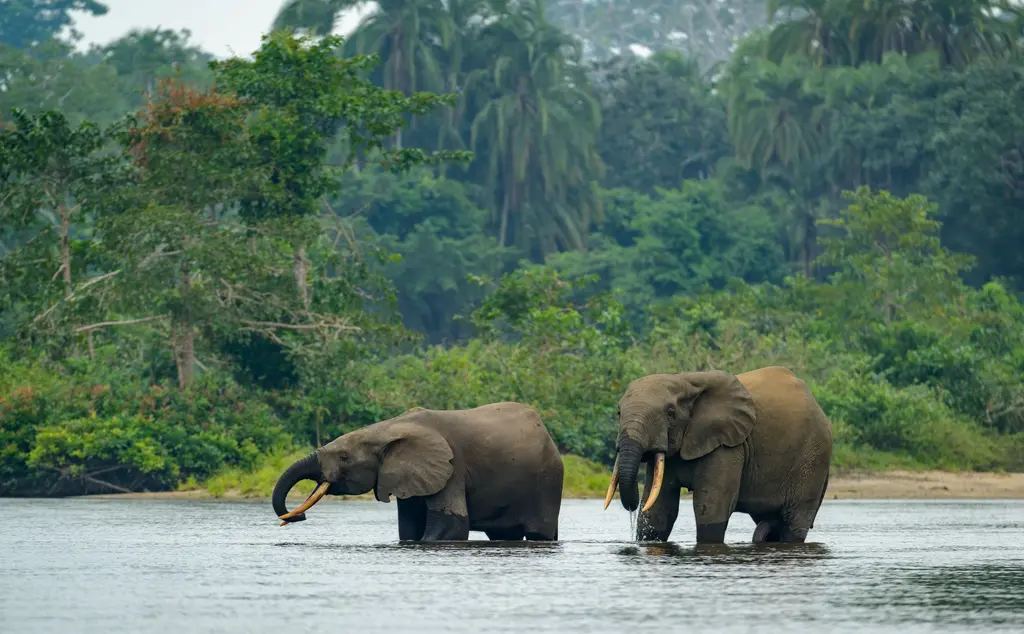
However, the Index also shows us that nature can recover. 50% of the populations included are either increasing in size or remaining stable. Elephant numbers in Southern Africa are growing. Otters are swimming along coastlines they disappeared from over a century ago. Green sea turtles are no longer Critically Endangered.
We know that conservation and efforts to protect the natural world work. What we need is rapid action and financial support from governments and businesses across the world to turn things around for nature and build a more resilient future.
Ensuring that action to address biodiversity loss is integrated with action to address climate change and land degradation is also critical. These crises are deeply interconnected – yet governments around the world consistently treat them as separate issues.
The wildfires and droughts of the past summer show the consequences of disconnected, underfunded action to protect nature. On the flip side, ensuring the three are connected will increase the chances of success, accelerate progress, and reduce the costs involved.
What are the main outcomes for nature at COP17?
COP17 was a critical halfway-point reality check on the road to 2030.
It was not only a question of countries taking stock, but also a moment to assess whether they could agree on what happens next, and whether wider sectors could come together and mobilise action and implementation. It showed where progress is being made, but also where the biggest gaps remain in our collective commitment to halt and reverse biodiversity loss.
Despite fraught geopolitical tensions, we saw critical progress made both inside and outside the negotiations. In particular, the host country created significant space to elevate key initiatives to tackle some of the most challenging issues, such as increased support from governments and the private sector for the recovery of threatened species, growing momentum to bring nature and climate action closer together, and growing action replace nature-harming subsidies with initiatives to recover biodiversity.
The Global Stocktake
The Global Review decision welcomes, and notes with deep concern, the findings of the Global Report. It states that, without a rapid acceleration of action, the 2030 targets will not be met, and the 2050 goals may be put at risk. The decision includes a “Yerevan Pathway” that points to key areas for governments to urgently prioritise, including tackling nature-harmful subsidies and incentives, increasing financial, scientific and technical support for developing countries, aligning national budgets and economic decisions with the KMGBF, and strengthening implementation, monitoring, reporting and review mechanisms.
Accelerating species recovery
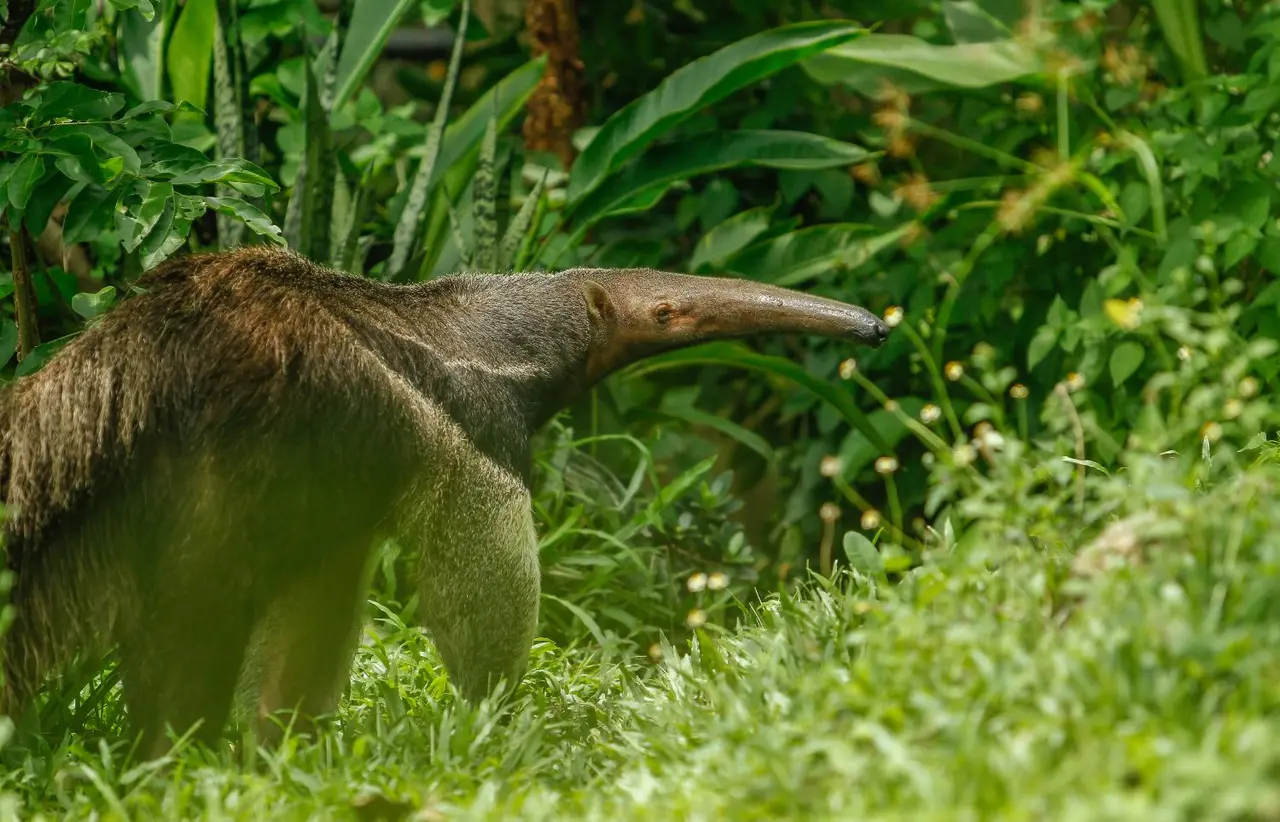
For the first time in a CBD conference, the critical issue of species recovery gained political attention at the highest levels – leading to the launch of The Coalition for Action to Recover Endangered Species. Already signed by 17 governments – including the UK government - this coalition will work to accelerate action to halt human-caused extinctions. Expertise in species recovery will be provided through Reverse the Red, a global partnership of organisations – including ZSL - dedicated to igniting data-driven conservation.
Joining up action on nature and climate
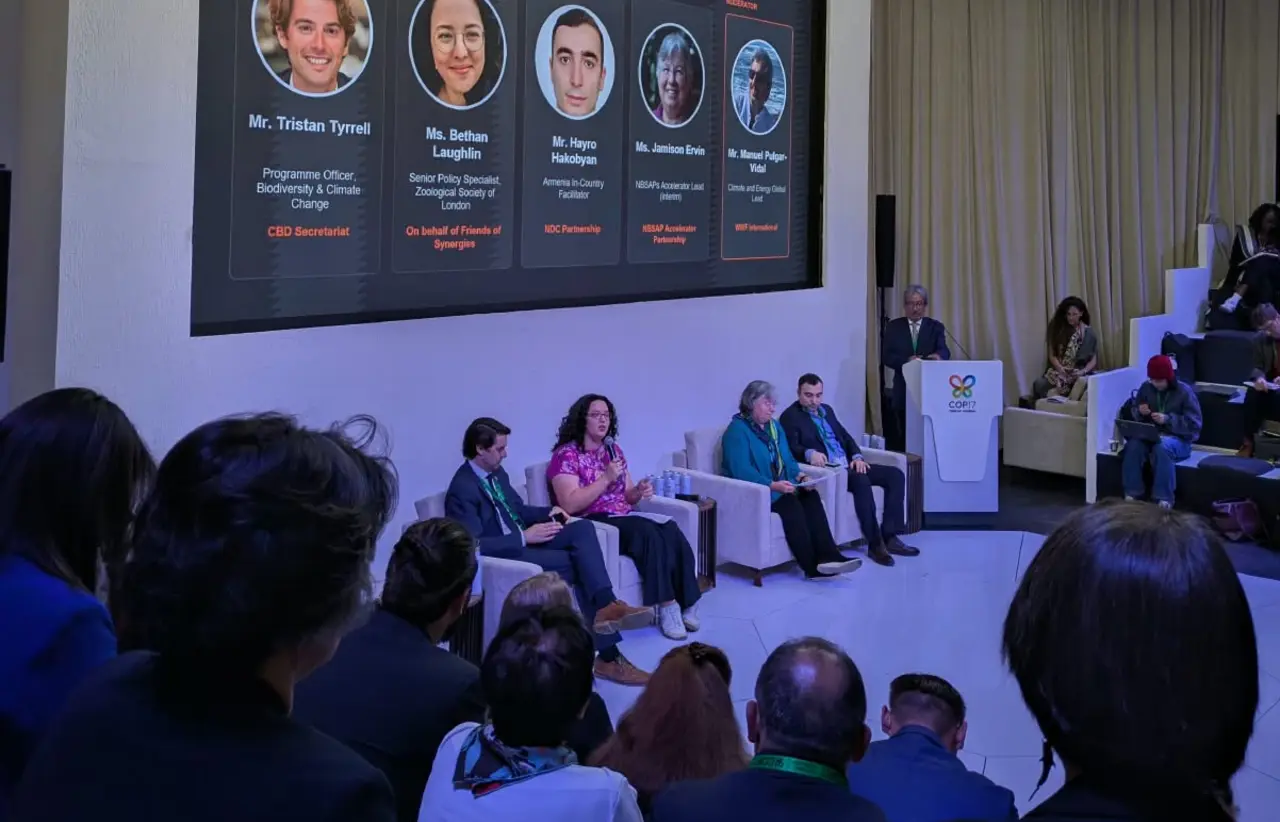
We have has been working to bring decision-making on nature, climate and land degradation closer together. This remained a significant political priority at COP17, gaining further momentum through a joint declaration by the Presidencies of the UN biodiversity, climate and desertification conventions, known as the Rio Conventions, reaffirming their commitment to a more coordinated approach across the three conventions.
Despite the considerable emphasis across COP17 on a more joined up approach, progress in the negotiations between convention members was challenging. Climate and biodiversity synergies are addressed across two agenda items under the CBD. Important steps were made, including formally recognising the role of wildlife conservation and restoration in addressing climate change, and the need to strengthen links between climate and biodiversity finance.
However, political disagreement over how synergies, cooperation and policy coherence can and should work together meant that one of the two agenda items could not be concluded and was instead carried forward to the next CBD meeting.
Finance for nature recovery
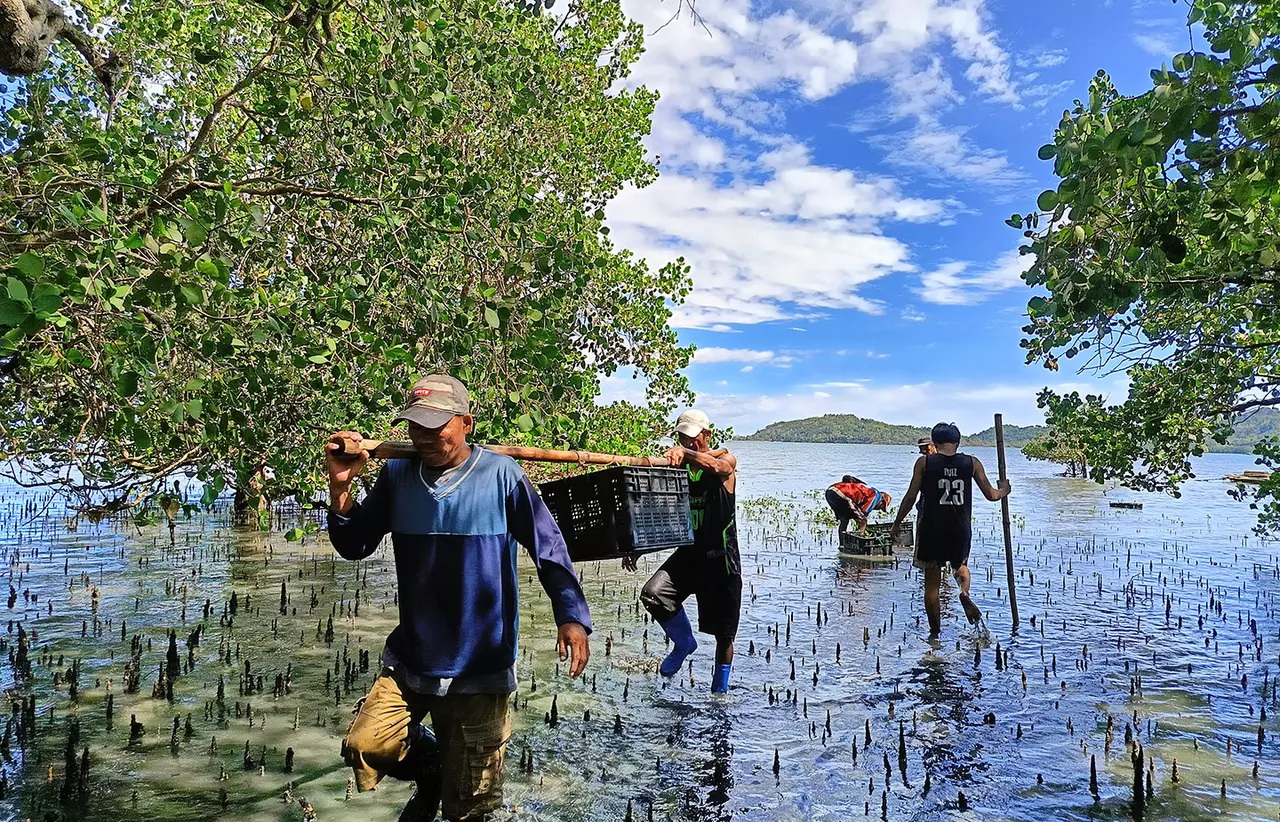
To reverse global biodiversity loss by 2030, we need roughly $700 billion a year, and much of the discussions in Yerevan focused on how to raise the necessary funds to help developing countries protect nature. Subsidy reform, one of the worst-performing KMGBF targets, stood out as an issue that received unprecedented attention from business, governments, and other stakeholders.
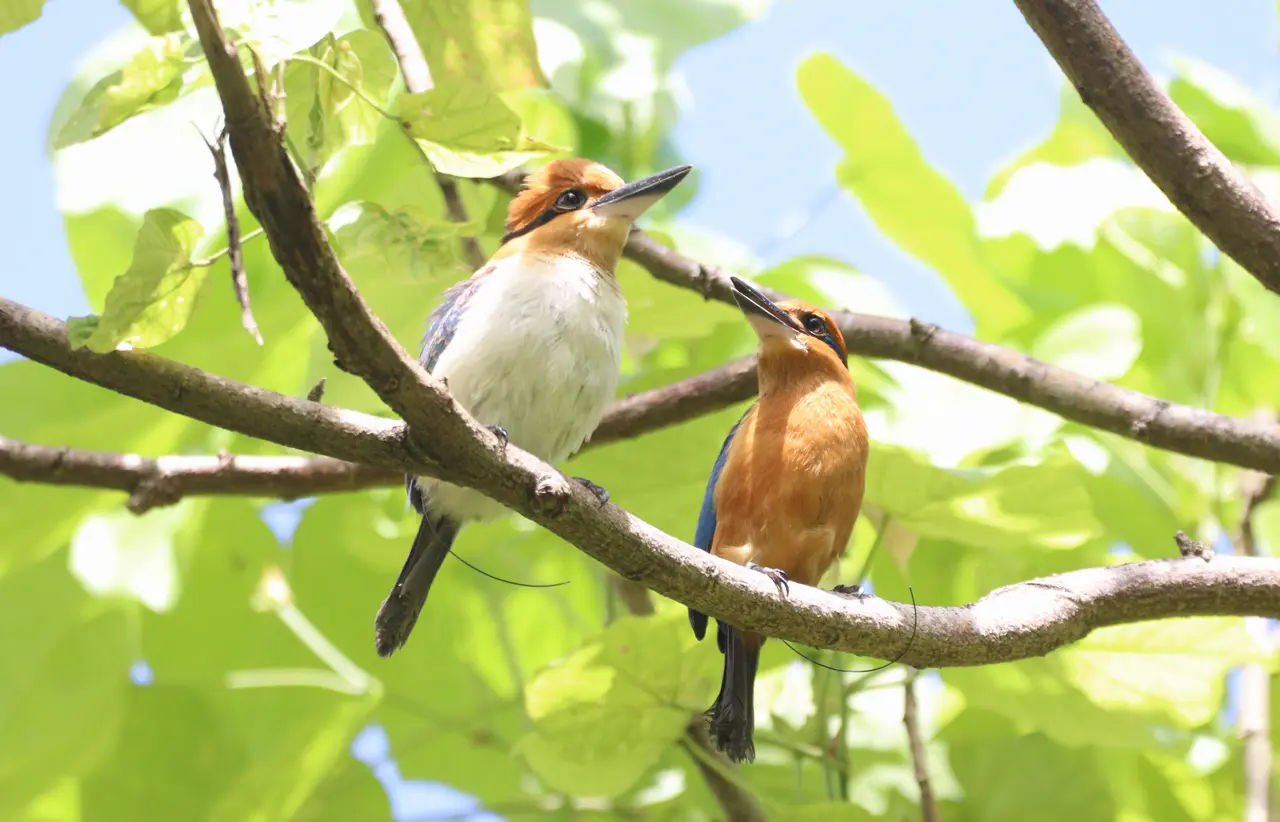
In addition to being highlighted in the global review, several initiatives were launched, such as the Yerevan Call on Incentives Positive to Biodiversity, which urges governments to reform subsidies that damage biodiversity - such as within the fossil fuel and agriculture sectors - and instead create incentives that encourage people to conserve nature. The Species Recovery Alliance was also launched, which saw $500 million from private funders and organisations committed to species recovery over the next five years – marking the largest coordinated philanthropic efforts dedicated to the recovery of threatened species.
What's next for nature recovery?
2030 is getting closer. The next four years need to be about delivery. A global framework for nature recovery is already in place. The challenge now is turning international commitments into national action that changes the trajectory of biodiversity loss.
Georgina Chandler, Head of Policy and Advocacy at ZSL said: "The measure of COP17 was whether it could sustain momentum amid fraught geopolitical tensions, and it did.
"Progress doesn’t always arrive in a wave; sometimes it is a steady stream, and this COP has kept things moving forward. Governments, the private sector and civil society have shown a willingness to act. But with just four years left to halt and reverse biodiversity loss by 2030, we need countries to ramp up national-level action. We cannot afford to fail nature, because ultimately that means failing ourselves.”
Our work does not stop as the negotiating rooms in Armenia close. The next CBD conference – COP18 – will be held in Quito, Ecuador, in 2028. From our scientists monitoring changes in wildlife populations to our conservationists recovering threatened species and restoring ecosystems, we will continue working to recover wildlife across the world.
We'll be at the UN Climate Conference (COP31) in Turkey later this month, continuing to advocate for world leaders and business to tackle climate change and biodiversity loss together. Our field teams will continue restoring habitats, the teams behind our conservation zoos will continue inspiring future conservationists and protecting species and our researchers will continue pushing the boundaries of our understanding of the natural world.
By working together, we can create a more sustainable future where wildlife and people both thrive.
At ZSL, we believe that nature can recover, and that conservation is most effective when driven by science. We work with people to improve co-existence with wildlife, safeguarding nature and creating a healthier, sustainable future for both wildlife and people.