






Monitored wildlife populations have declined on average by 73% between 1970 and 2022, finds the latest Living Planet Index by ZSL’s Institute of Zoology.
Behind that headline number is evidence the nature can recover.
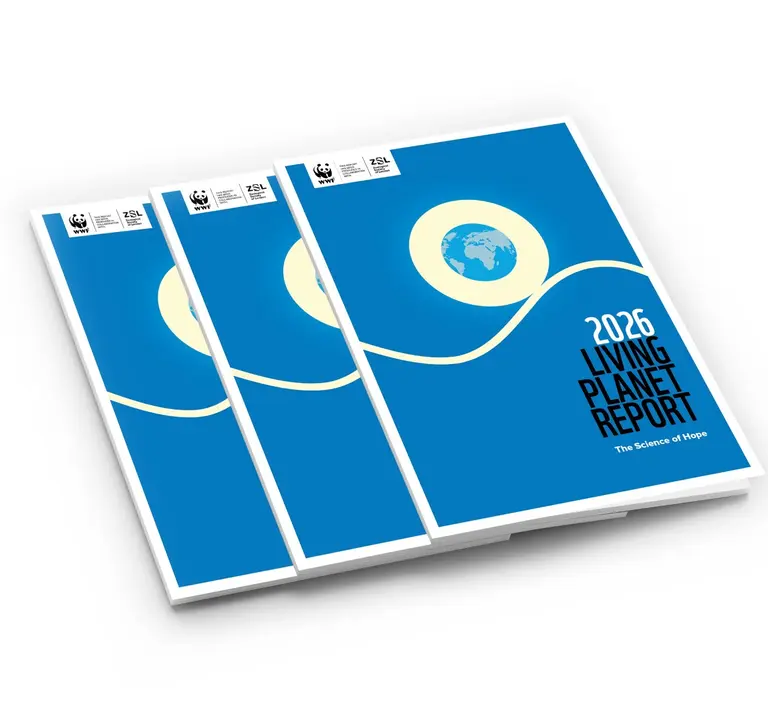
The Living Planet Index (LPI) measures the average change in the size of wild populations of vertebrate species over time. It is based on one of the most comprehensive databases on the abundance of monitored mammal, fish, reptile, amphibian and bird species across the globe, and is updated every two years with the most up-to-date information. Index informs WWF’s Living Planet Report, a leading science-based health check of our planet.
This year, the Living Planet Index shows an average 73% decline in the abundance of monitored populations of mammals, fish, reptiles, amphibians, and birds across the globe between 1970 and 2022.
That doesn’t mean that 73% of all animals are lost – but it does mean that many herds, flocks and shoals across the world are notably smaller than they were.
This number aligns with previously reported estimates and declines shown in other metrics – illustrating the scale of nature’s decline.
Despite this overall trend, there are reasons for hope.
Although many populations in the LPI are declining, half are either holding steady or growing; and while the scale of decline in shrinking populations means that the overall global trend is still negative, behind this headline number is evidence of wildlife populations rebounding and habitats recovering - driven by people working together.
What is the Living Planet Index?
Produced by ZSL scientists, the Living Planet Index is a key indicator that conservationists and governments use to understand the state of nature and guide action.
It reflects the average trend in monitored wildlife populations of mammals, birds, amphibians, reptiles and fish around the world since 1970, and acts as an early warning of extinction risk and the potential loss of ecosystem function and resilience.
The 2026 Living Planet Index uses data from 35,803 population trends and 5,790 species – integrating around 1,000 more populations and almost 300 more species compared to the 2024 Index.
In addition to the headline global result, which reports a 73% decline in monitored populations of vertebrate species across the globe since 1970, the Index also looks at changes across different regions and habitats.
While no single measure is capable of capturing all aspects of nature, the LPI can be combined with other indicators – such as the Red List Index (which tracks overall extinction risk for a group of species) and the Biodiversity Intactness Index (which looks at how much of a region’s original biodiversity is still present) – to help us understand how nature is changing and where action can have the biggest impact.
What are the key statistics from the 2026 Living Planet Index?
Based on the largest dataset to date, the global LPI shows an average 73% decline in monitored wildlife populations between 1970 and 2022.
Particularly strong declines were found in the Latin America and Caribbean region (95%) and in Africa (80%) and in rivers and lakes across the world, monitored populations of freshwater fish, birds, mammals, amphibians and reptiles, have declined by 85%.
The main drivers of decline around the world are habitat degradation and loss, exploitation, the introduction of invasive species, pollution, climate change and disease.
However, while 50% of the monitored populations show declines, 7% were stable, and 43% increased in size over the 52 years.
We all rely on nature. Biodiversity underpins economies and societies, providing food, water, clean air and medicine among other services and goods. Ultimately, our own wellbeing depends on us working with nature – not against it.
These success stories carry an important message; nature can recover.
Dr Louise McRae at ZSL’s Institute of Zoology, who leads the research behind the Living Planet Index, said: “As the extreme weather of recent months reminds us, our wellbeing is intrinsically linked to the health of the planet. Access to affordable food, economic security and resilience to climate-related risks here in the UK all depend on thriving wildlife at home and across the globe, and on functioning ecosystems that can adapt to change.”
How does this year’s Living Planet Index compare to previous years?
It’s important to note that even though the last version of the Living Planet Index – published two years ago in 2024 – identified that monitored wildlife populations have decreased on average by 73% between 1970 and 2020, this doesn’t mean we can say yet that the rate of biodiversity loss is stabilising or slowing down.
In order to compare data sets, they have to be like-for-like – that is, they have to contain data on the same populations, or be across the same amount of time. This is why it’s generally not recommended to compare different editions of the LPI.
Since we update the data included in the Index so we can improve its representativeness, different populations are included in each edition – meaning that results from different reports are not comparable.
What we can say however, is that similarities in statistics from successive reports – even when new populations and species are added – gives us even greater confidence in the robustness of the trends observed as we work to understand global biodiversity loss.

What can we do to restore nature?
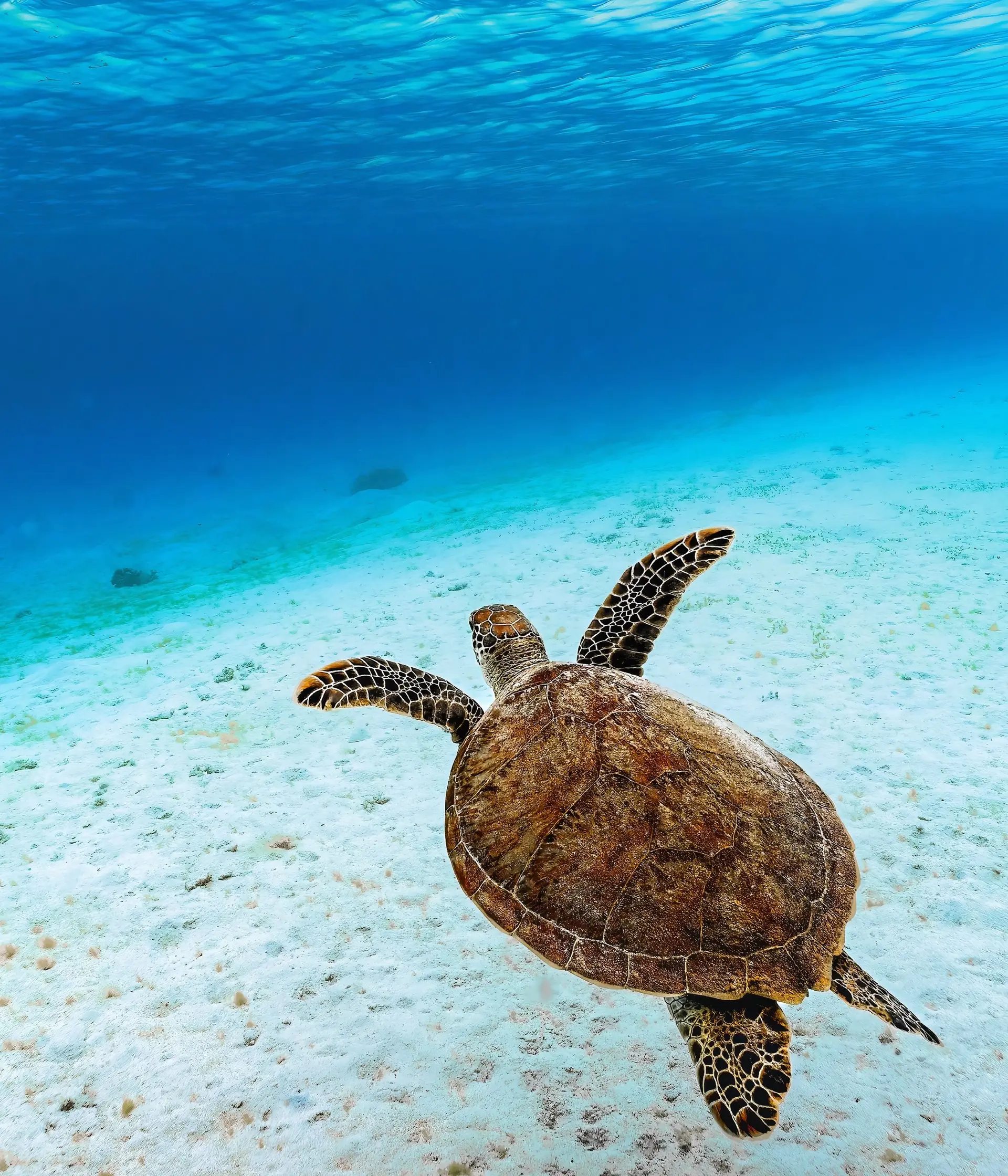
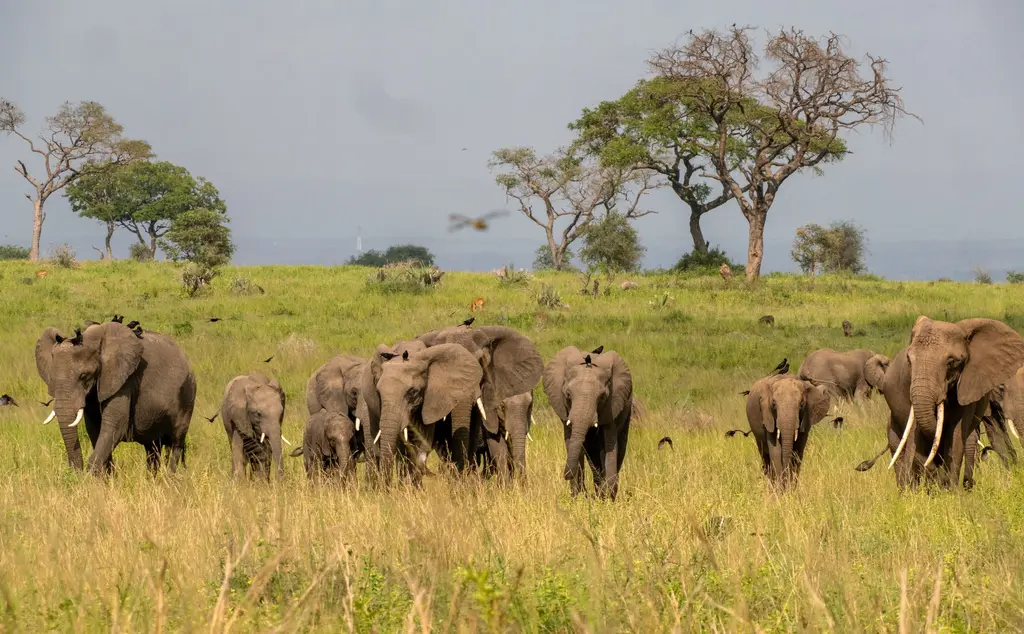
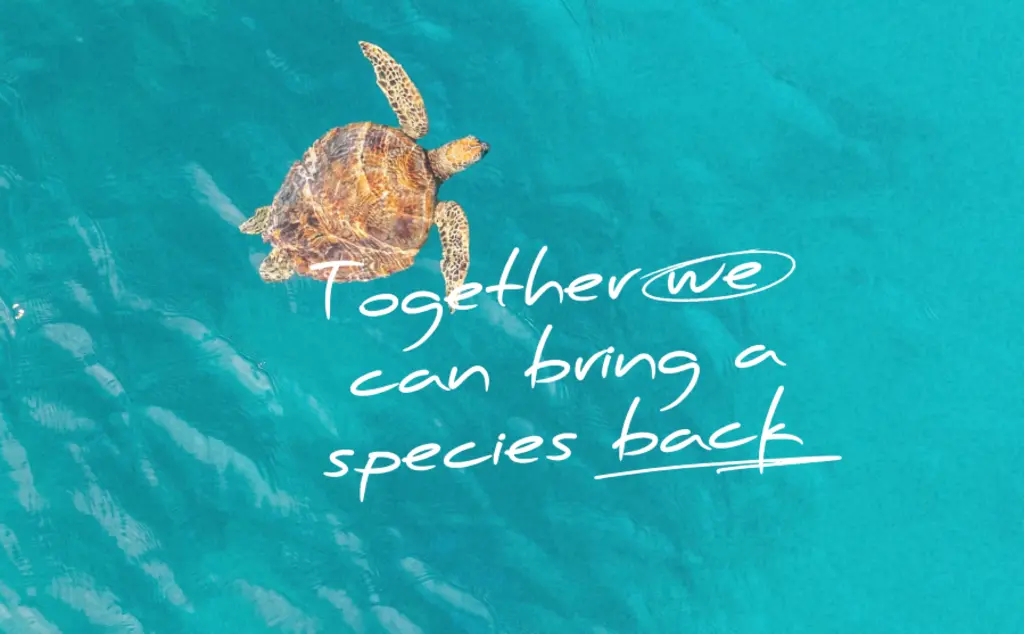
We know that conservation works. While the Living Planet Report highlights examples such as growing numbers of green sea turtles and savannah elephants in Southern Africa countries, these are just two in a sea of success stories.
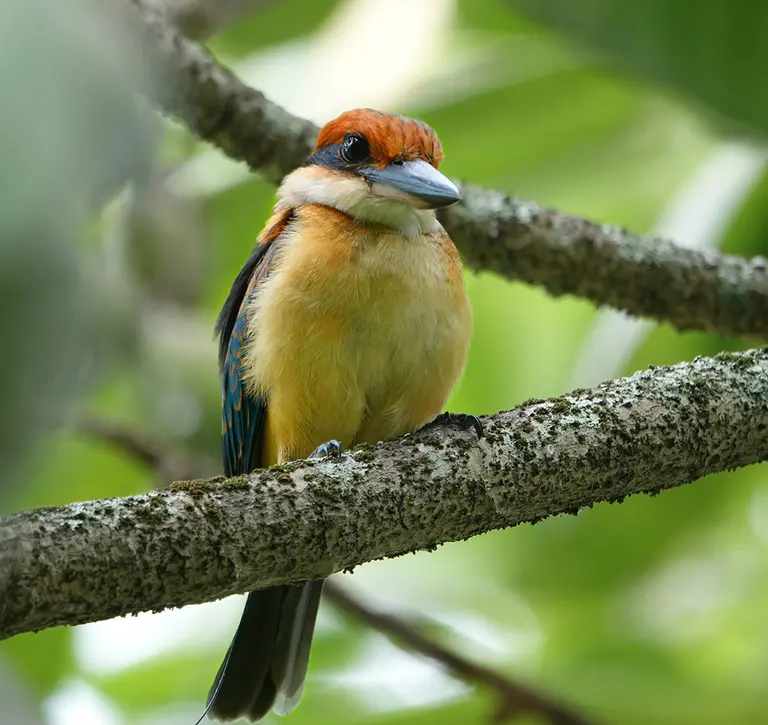
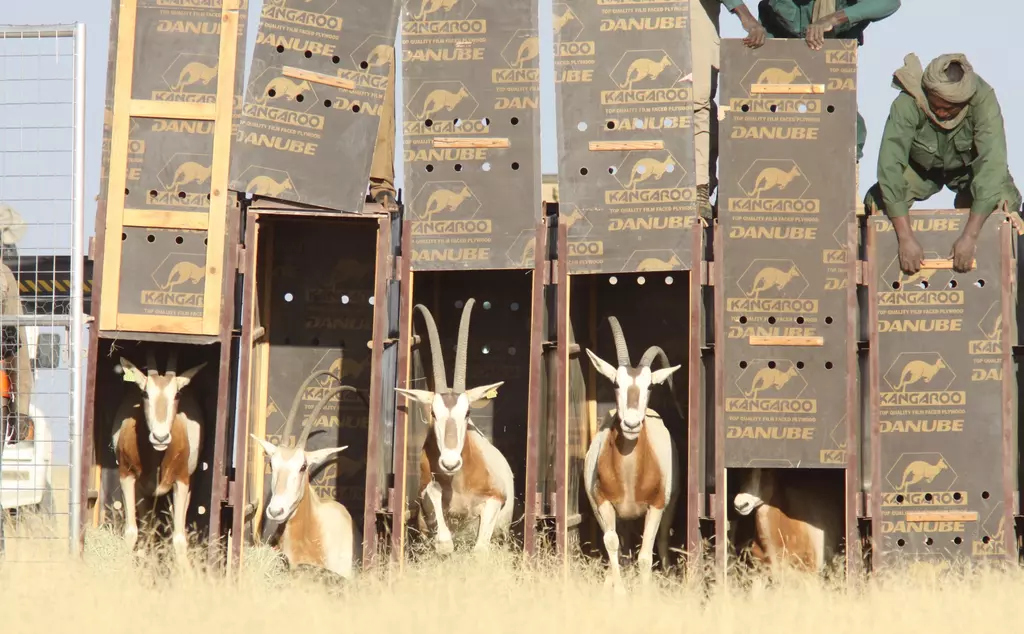
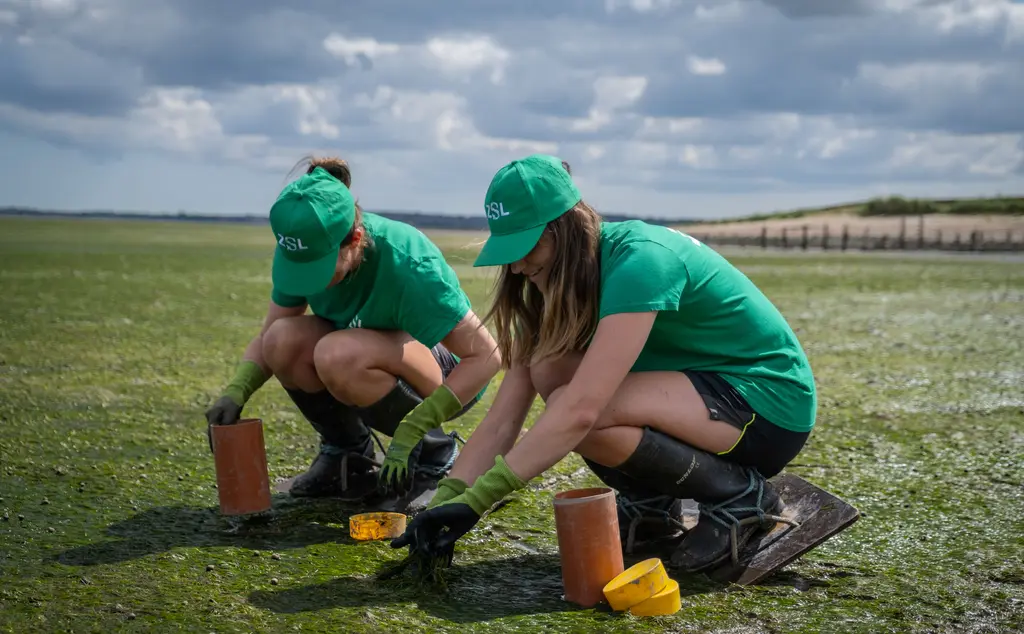
Recent ZSL-led research has shone a spotlight on the power of targeted, science-led conservation in protecting species. From brightly-coloured kingfishers to fingernail-sized snails, the work of our scientists, field teams and conservation zoos has already led to several Extinct-in-the-Wild species returning to the wild, and it’s estimated that since 1993, conservation efforts across the globe have helped save 32 birds and 16 mammals from extinction.
Dr Andrew Terry, Chief Conservation Officer at ZSL, said: “For too long, nature has been undervalued, and the Living Planet Index shows us the consequences – but these declines are not inevitable, and change is possible. Nature can recover, and the stories within the Index are a powerful reminder of this. Our global teams have seen species and ecosystems rebound when threats are reduced and conservation action is sustained.”
A future where nature and people both thrive is possible.
With the UN Biodiversity Conference (COP17) and UN Climate Conference (COP31) both on the horizon, world leaders must strengthen and implement action to reach previously agreed-upon commitments to protect the ecosystems we rely on – and data such as the Living Planet Index is key to empowering this.
Andrew added: “The more people join us in taking decisive and rapid action to protect wildlife and ecosystems across the globe, the sooner we can turn knowledge into action and reach positive tipping points to secure a healthier, more resilient future.”
At ZSL, we believe that nature can recover, and that conservation is most effective when driven by science. We work with people to improve co-existence with wildlife, safeguarding nature and creating a healthier, sustainable future for both wildlife and people.