






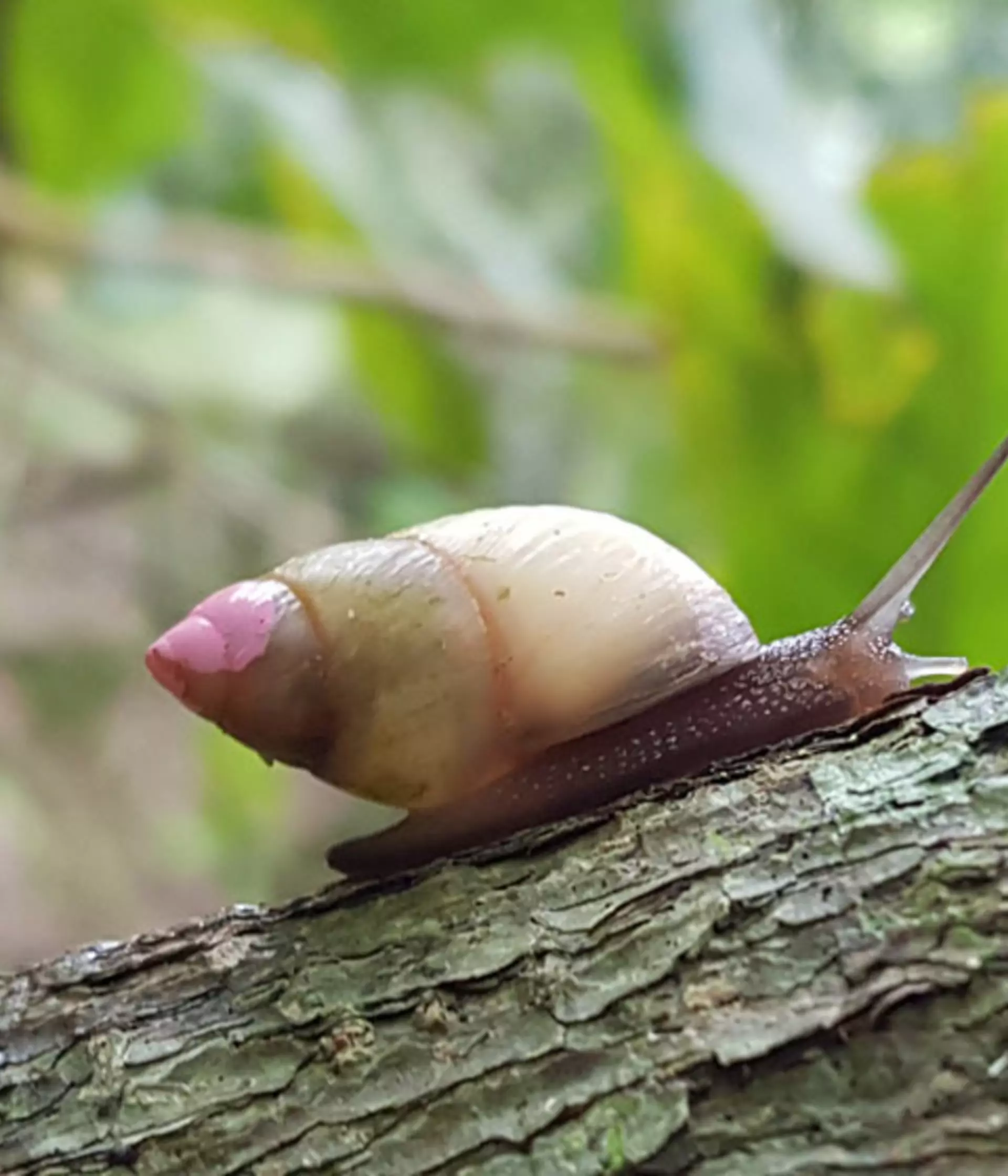
At ZSL, we've been conserving Partula snails for decades, rescuing them from the brink of extinction.
ZSL's Dave Clarke and Paul Pearce-Kelly have devoted their careers to protecting Partula snails. They've been breeding them at London Zoo for more than 30 years, and reintroduce them back into the wild in the hope that they will once again thrive in their native habitat in French Polynesia.
Follow Dave, Paul and their snails as they prepare for an extraordinary 10,000 mile journey to a release site in the depths of a tropical forest. Will they find any evidence that their extraordinary efforts have been a success?
Watch the full documentary: Guardians of the Small
Why are Partula snails so important?
From our own back gardens to the rainforests of the tropics, snails are a vital part of the global ecosystem with more than 60,000 known species!
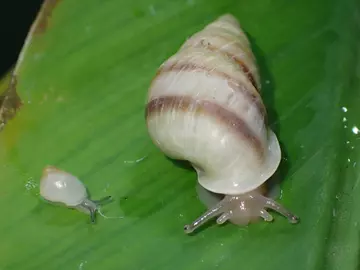
The islands of French Polynesia were once home to many diverse species of Partula snails. But in the space of a few short years, they vanished. Many of these species are now Extinct in the Wild, and at ZSL, we’re working to bring them back from the brink.
So why is it so vital that they're protected? Not only are they an important part of Polynesian culture, Partula snails also play a crucial role in maintaining healthy forests and providing food for other animals.
Why did Partula snails go Extinct?
Once widespread across the islands of French Polynesia, most Partula snails were wiped out by invasive predators.
Giant land snails were introduced in the 1960s. And then to control them, a large predator - the rosy wolfsnail - was also introduced, and it's five times the size of the defenceless Partula. This devastated populations of Partula snails, many of which became extinct in the 1990s and now only survive in conservation Zoos like London Zoo.
What are we doing to save Partula snails?
Conservation efforts are complex, and take a long time. At ZSL, we're part of a long term, international effort to reintroduce Partula snails back into their native home.
We breed the snails at London Zoo, as do other conservation zoos around the world, to ensure a large, established, healthy population. And when the conditions are right, we then release them and monitor the populations in the wild, looking for traces of past reintroductions. The ultimate aim is to discover unmarked snails, that we know have been born in the wild.
How do you transport snails across the world?
Breeding the snails is just the beginning. There's then the challenge of getting these tiny little creatures ready for their mammoth 10,000 mile journey around the world.
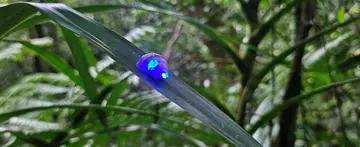
Each snail is given a blob of UV reflecting paint to help them find them more easily - different colours represent different years that the snails have been reintroduced so they can be easily identified.
The snails are wrapped in dry tissue paper, which encourages them to aestivate (or semi-hibernate) and conserve moisture, before being boxed up and labelled ready for their trip.
Dave and Paul have been working together for more than 40 years. They're not only colleagues, but also really good friends - and working for London Zoo is more than just a day job.
Dave Clarke has been part of the dedicated London Zoo team since 1984
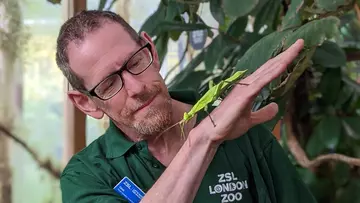
Dave joined London Zoo in 1984, starting out as a small mammal keeper, but quickly settling into the Insect House working with invertebrates.
Together with Paul and colleagues, he soon saw the potential in invertebrate breeding programmes in zoos. With support from experts in the IUCN, they started developing ex-situ projects, notably with Partula snails and native insects like the field cricket and wart-biter.
Throughout his career at London Zoo, Dave has been Head Keeper of the original Insect House, then with Paul helped design the Web of Life exhibit which opened in 1999, now known as Tiny Giants. He has also managed the keeper teams in the Aquarium and the Reptile House, and helped deliver the Secret Life of Reptiles and Amphibians habitat in 2024. Dave is currently Curatorial Lead for Terrestrial Invertebrates, and one of the senior animal team members.
Some other key highlights include being part of the early Partula snail rescue missions and recent reintroductions, his work on the ‘In with the Spiders’ habitat which opened in 2015, and winning the prestigious BIAZA Gold award for the native fen raft spider re-introduction programme in 2016.
Paul received an EAZA lifetime achievement award
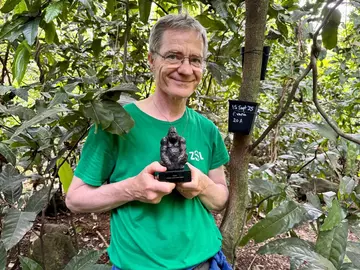
Paul Pearce-Kelly has been working at ZSL since 1982 and specialises in the development and management of invertebrate conservation breeding and reintroduction programmes. In recent years, his research focus has been on climate change impacts on species and ecosystems, with particular emphasis on coral reefs and associated biodiversity. He is currently Senior Curator of Invertebrates and Fish at London Zoo and serves as the coordinator of the International Partula Programme.
Paul is a globally recognised expert on the care and conservation of invertebrates. To date, over his time at ZSL, Paul has supported and advised numerous students and interns, won 25 BIAZA awards, won six international conservation awards and contributed towards the rescue and recovery efforts for 11 Extinct in the Wild Partula snail species, as well as several other species.
Paul's dedication hasn't gone unnoticed and he was honoured with a prestigious EAZA Lifetime Achievement Award at their 2025 annual conference. He wasn't able to make it to the conference as he was out in the field, so Dave surprised him with his award during the expedition.
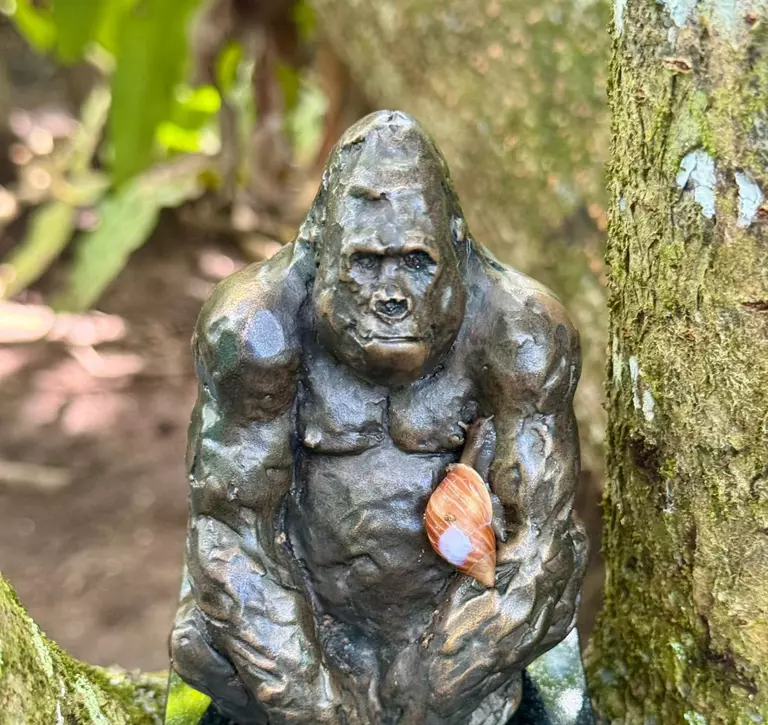
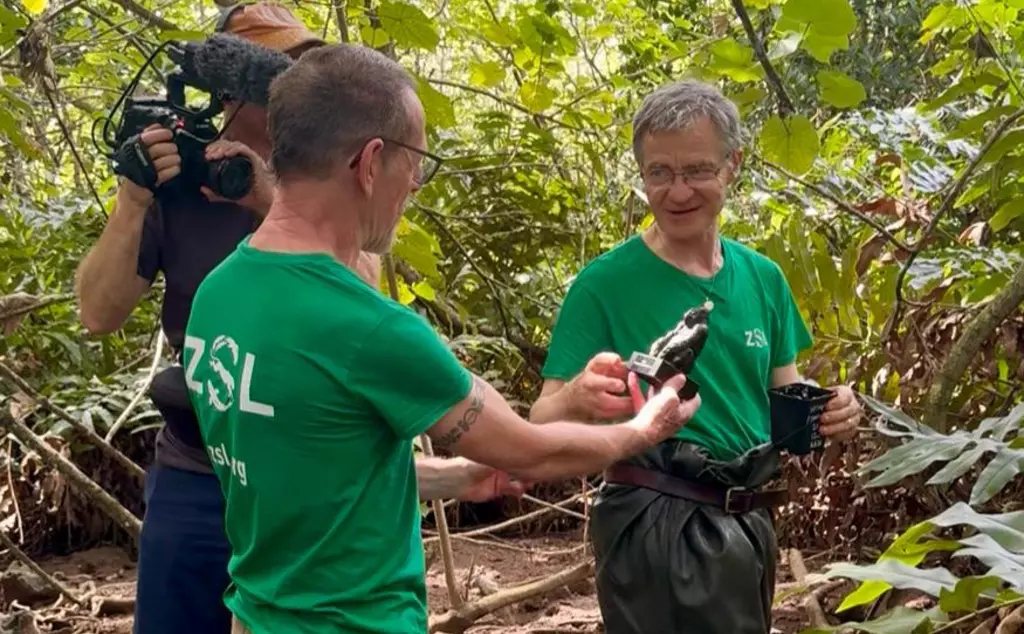
The 2025 Partula snail reintroduction
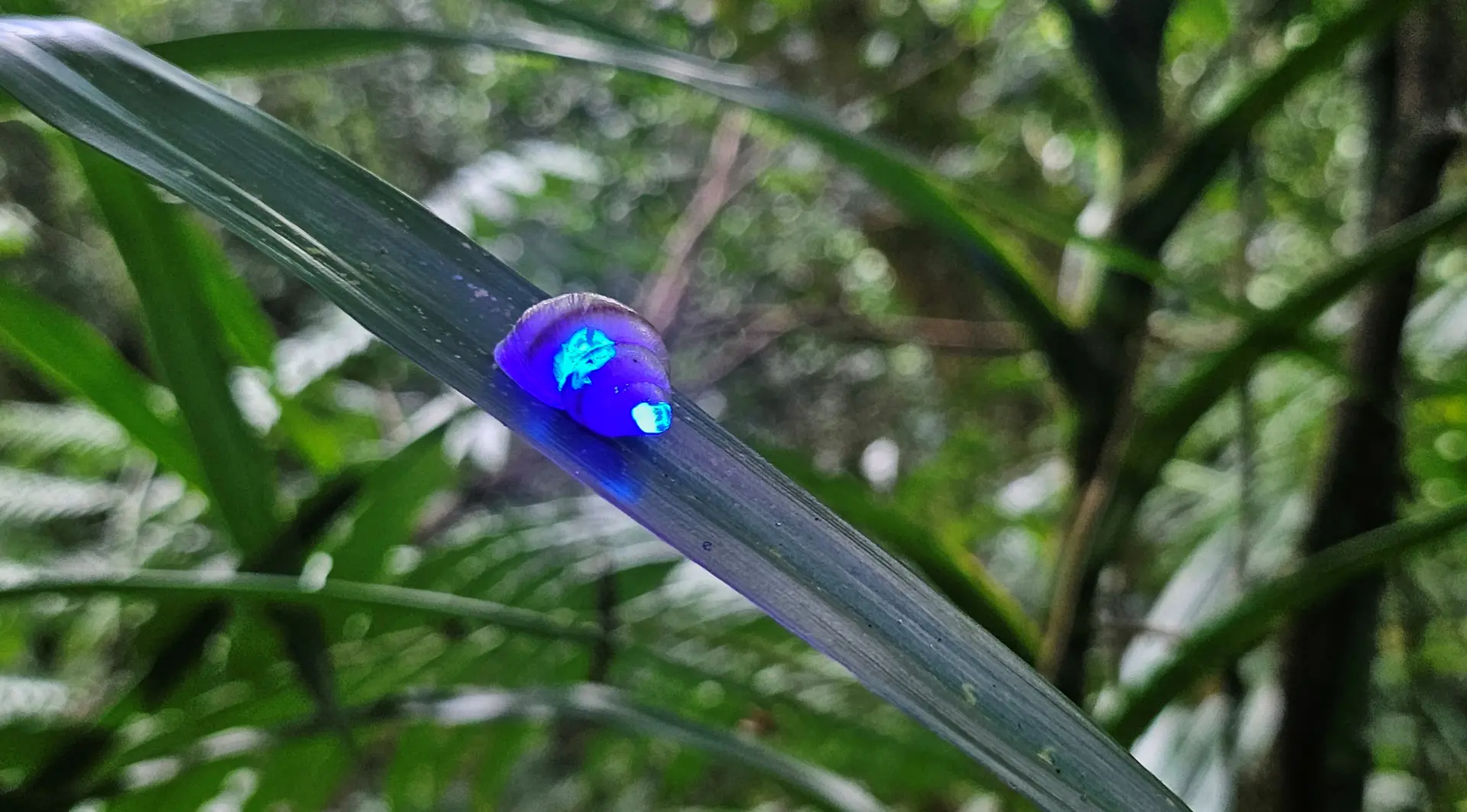
Thousands of ‘glow-in-the-dark' snails return to island homes
In 2025, just under 7,000 zoo-bred Extinct-in-the-Wild and Critically Endangered Partula snails were reintroduced to four islands.

The Zoological Society of London is supported by Postcode Lottery players.
This year, we celebrate an extraordinary milestone: 200 years of ZSL. That’s two centuries of pioneering science, global conservation, and inspiring connections between people and wildlife.