






At ZSL, our team of expert scientists and academics create proprietary scientific software with the aim of helping scientists everywhere deepen their understanding and knowledge of the living world.
The scientific software at ZSL is distributed for free for academic use, and is designed to help scientists solve some of the most complex challenges facing wildlife and the natural world.
Generating the data and insight needed to find new and better routes to recovery, we empower global efforts to achieve lasting, positive change and support life everywhere.
The software that is currently available to download helps users with the objectives that include but are not limited to:
- Estimating a range of parameters of an age structured population with overlapping generations
- Estimating the number of populations from the outputs of STRUCTURE analyses
- Estimating the IBD (identical by descent) coefficients between a pair of individuals from their genotype data
- Making unsupervised population structure analysis from the marker genotype data of a sample of individuals
- Estimating the pairwise relatedness between individuals
- Estimating the admixture proportions and genetic drift using data on genetic markers
Browse the available scientific software at ZSL below:
Our software
 Download EMIBD9
EMIBD9
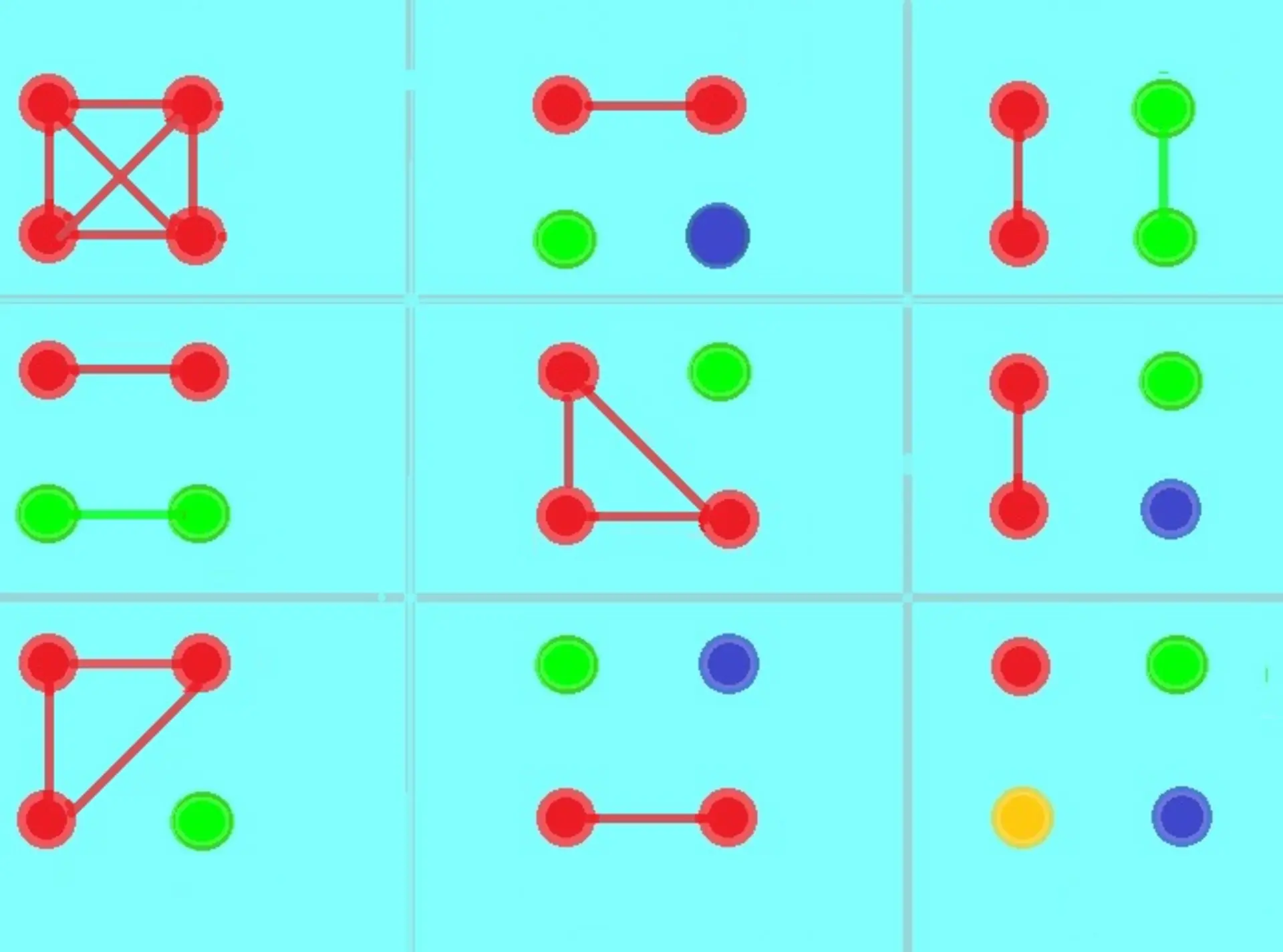
EMIBD9 implements a maximum likelihood method to estimate the IBD coefficients between a pair of individuals from their genotype data
 Download PopCluster
PopCluster
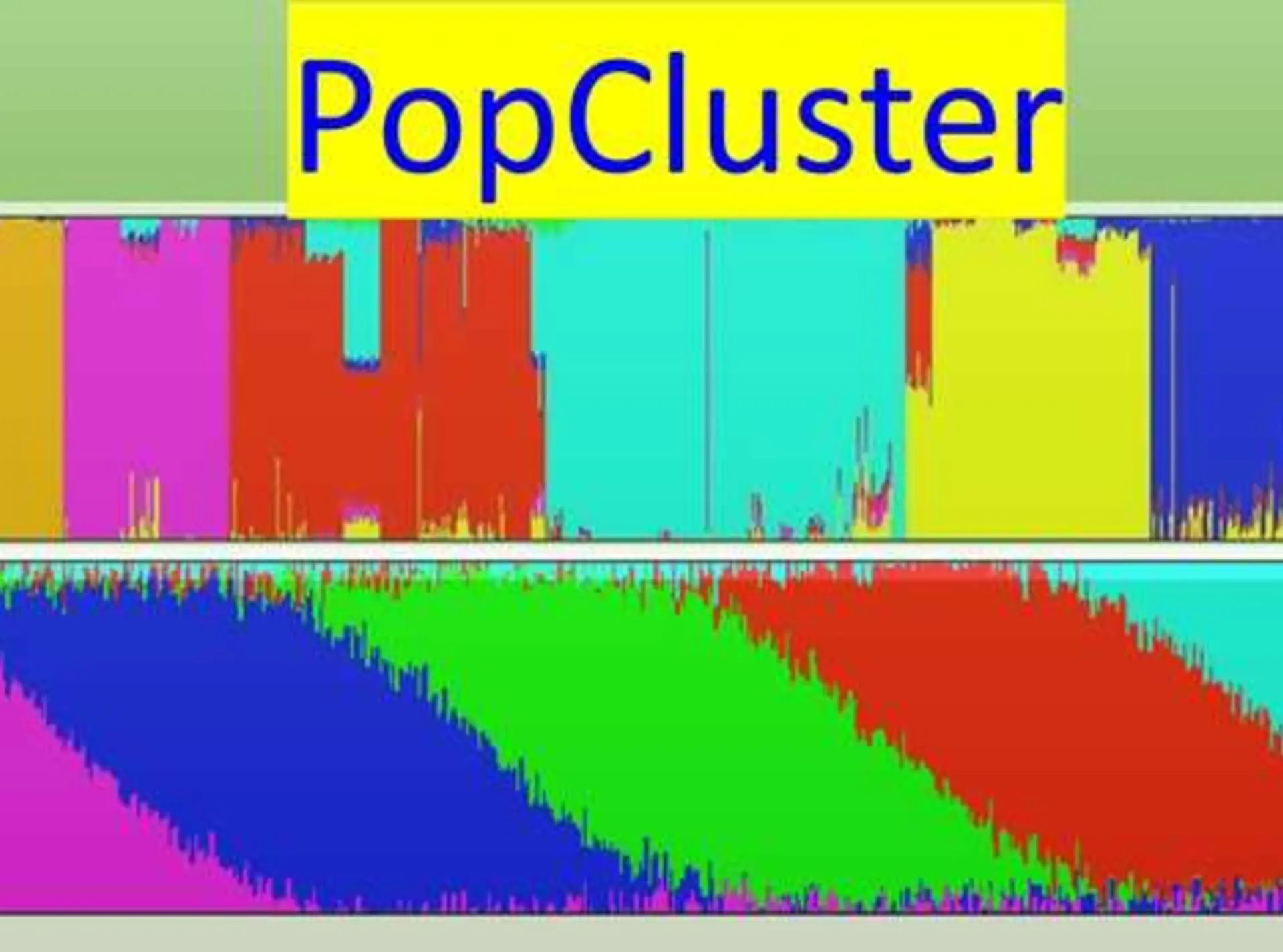
Find out more about, and download, PopCluster, a program that makes unsupervised population structure analysis from the marker genotype data of a sample of individuals.
 Download COANCESTRY
COANCESTRY
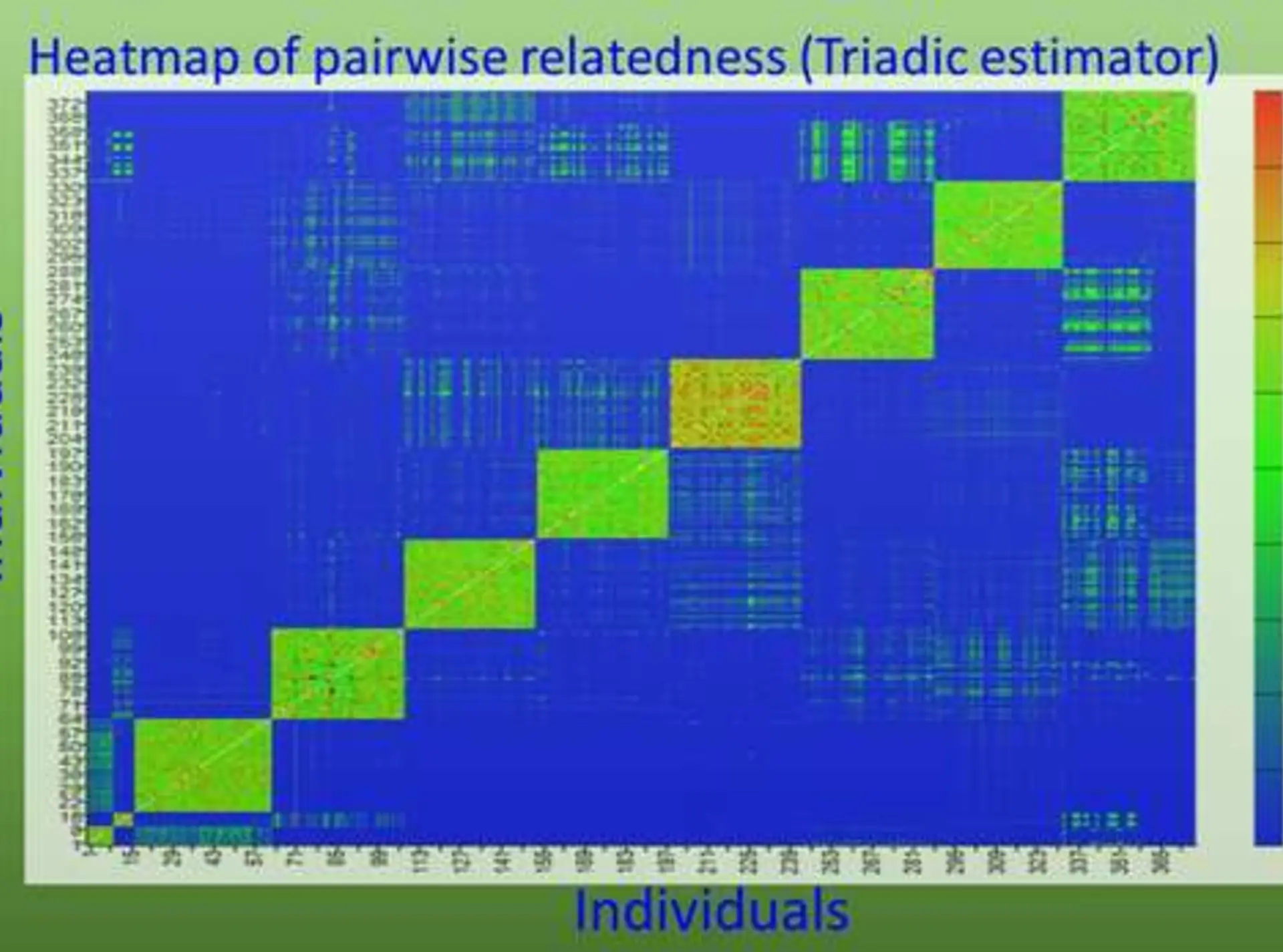
COANCESTRY helps users estimate relatedness and inbreeding coefficients, and more.
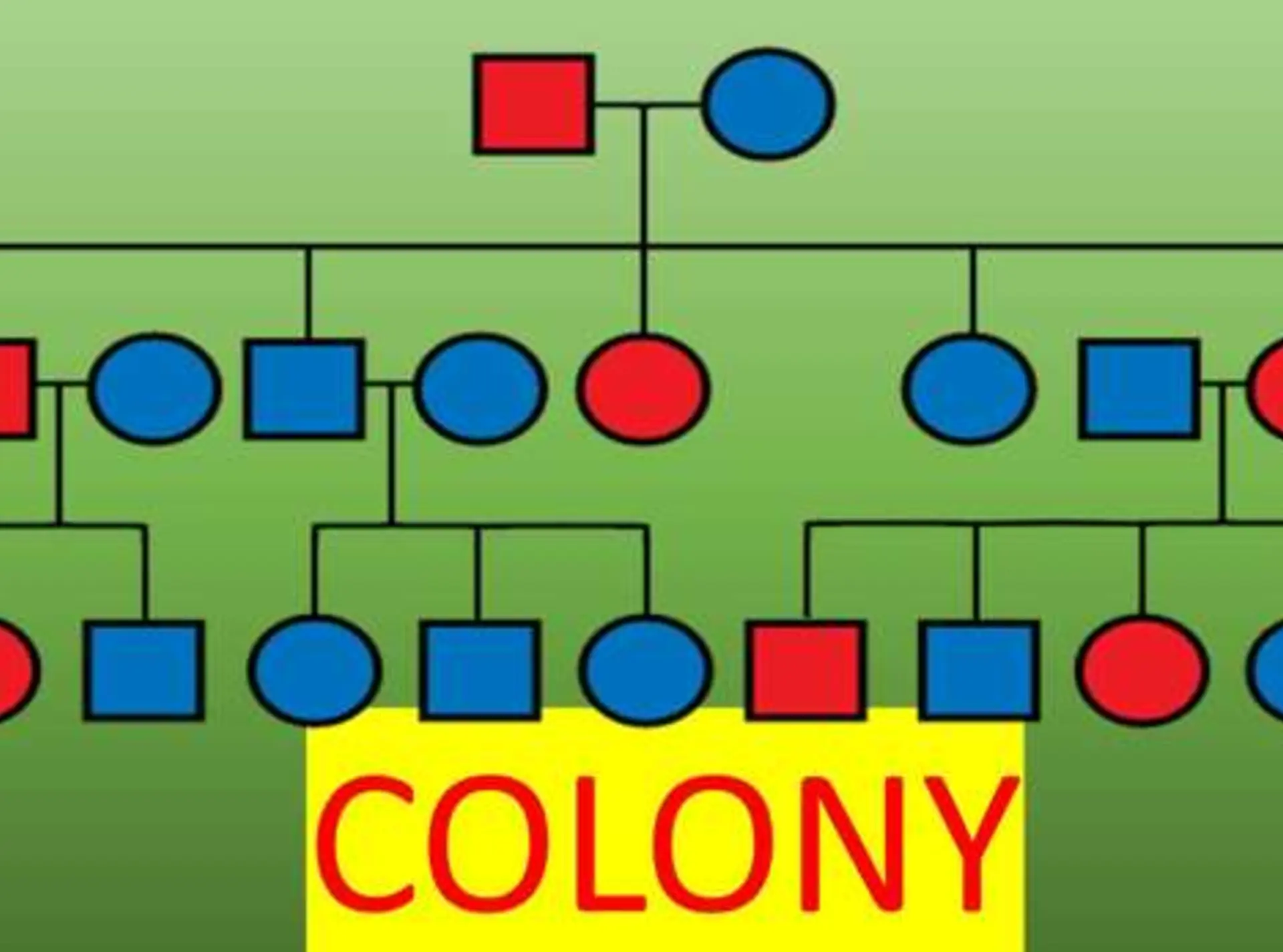 Download COLONY
COLONY
COLONY implements a maximum likelihood method to assign sibship and parentage jointly
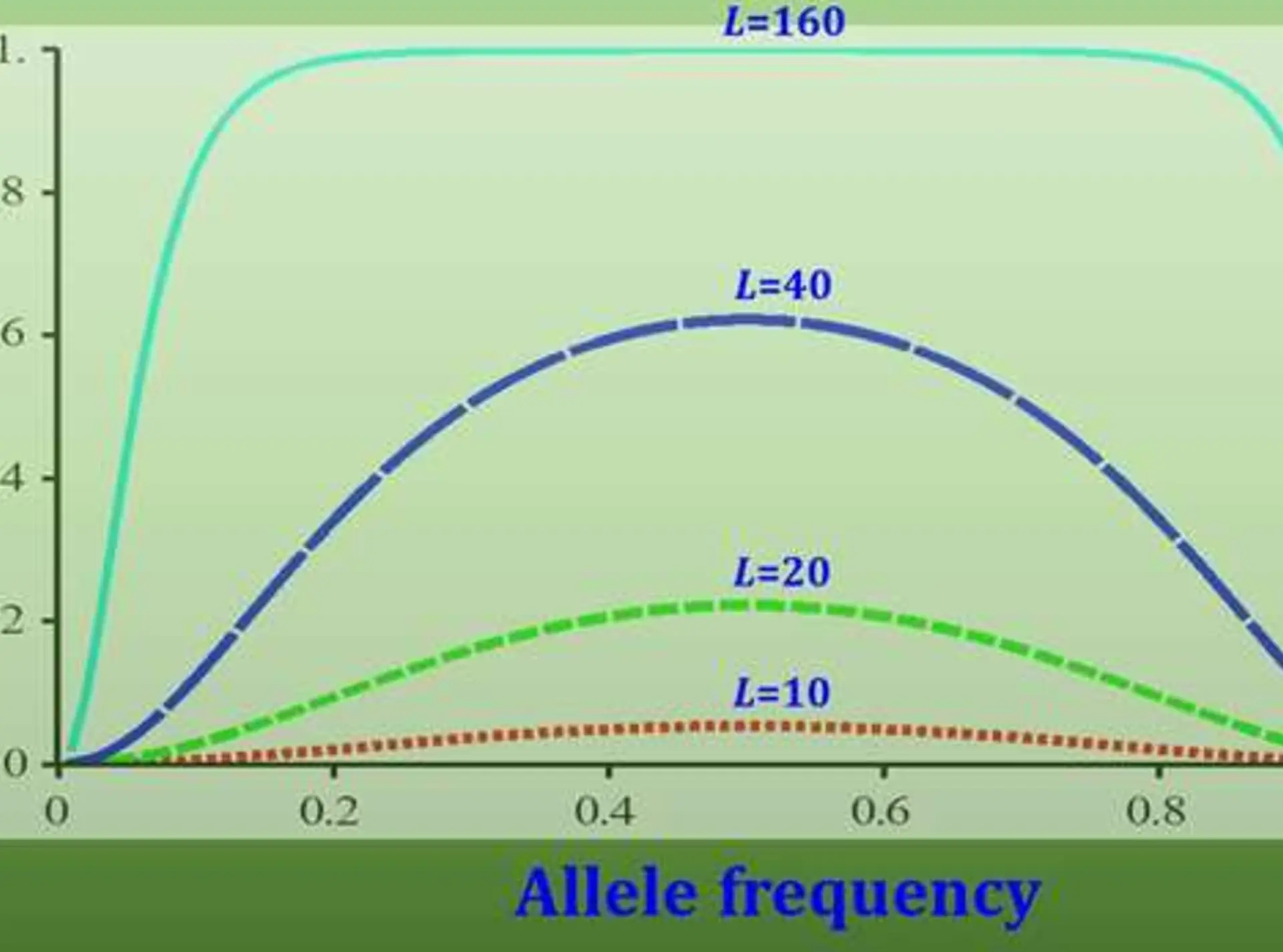 Download AuntExcPrb
AuntExcPrb
AuntExcPrb calculates or simulates the probability of excluding N aunts from the maternity of a male by using L codominant marker data
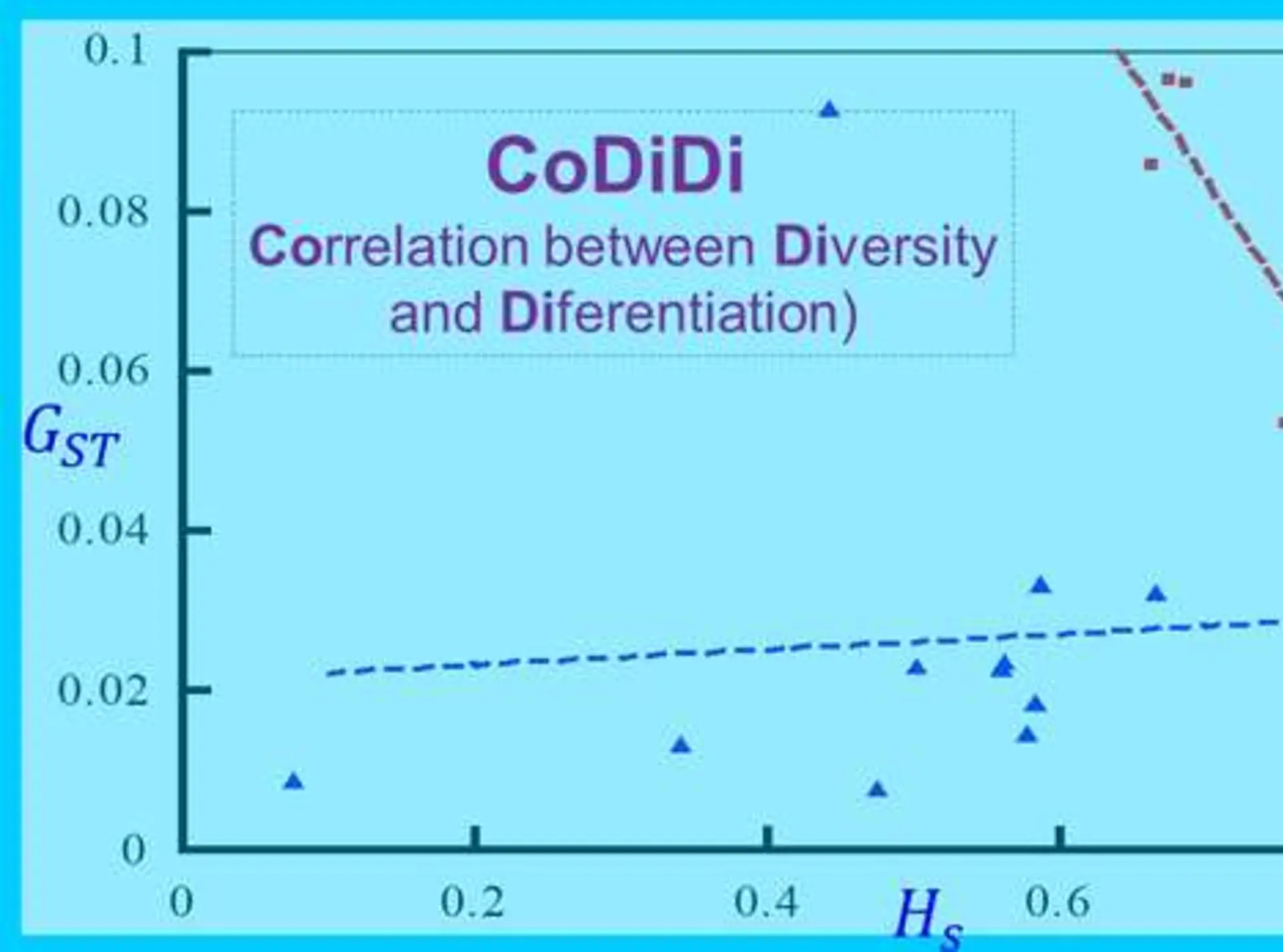
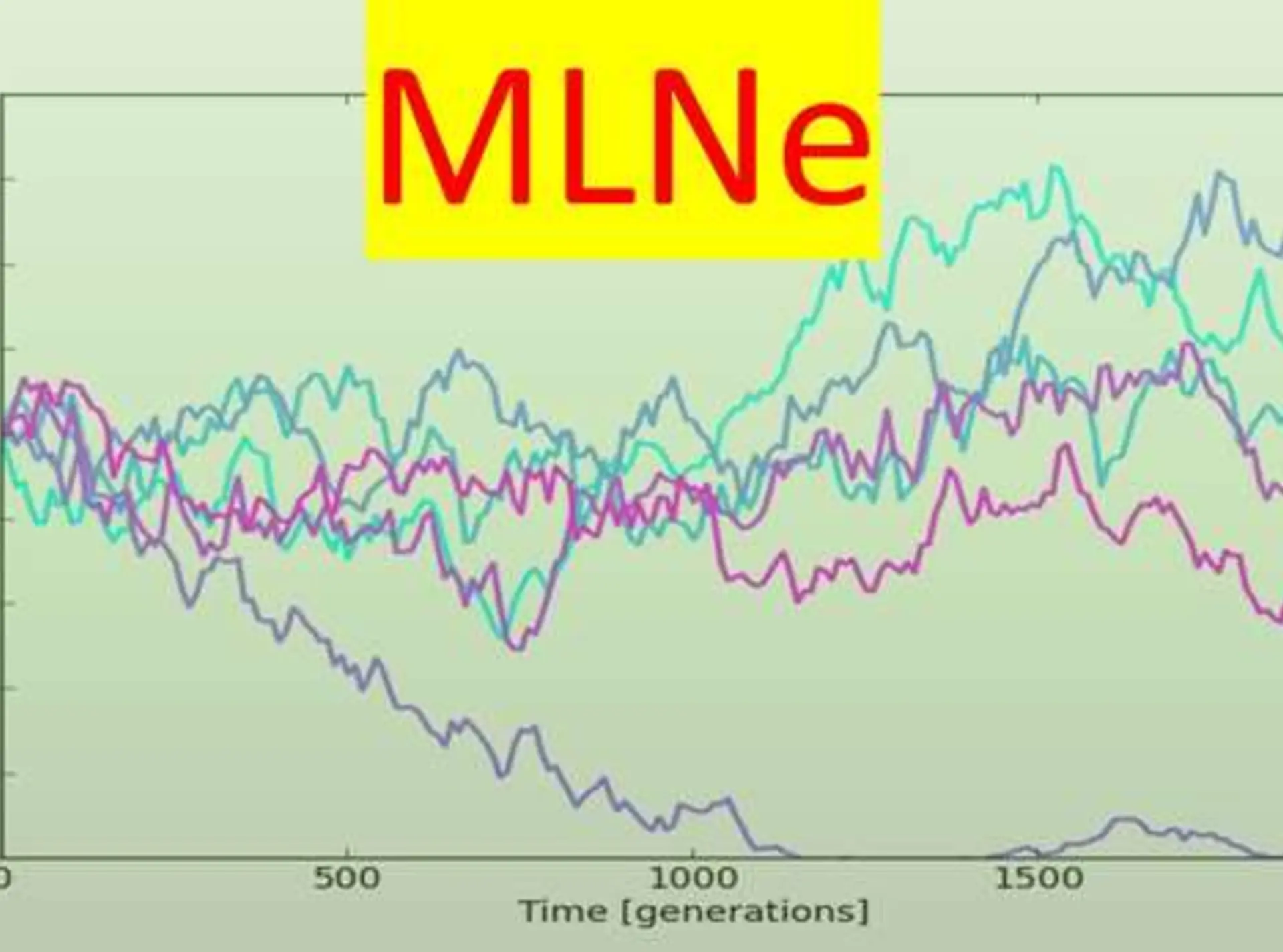 Download MLNe
MLNe
MLNe calculates maximum likelihood estimates of effective population size (Ne) and migration rate from the observed temporal and spatial differences in marker allele frequencies
 Download KinInfor
KinInfor
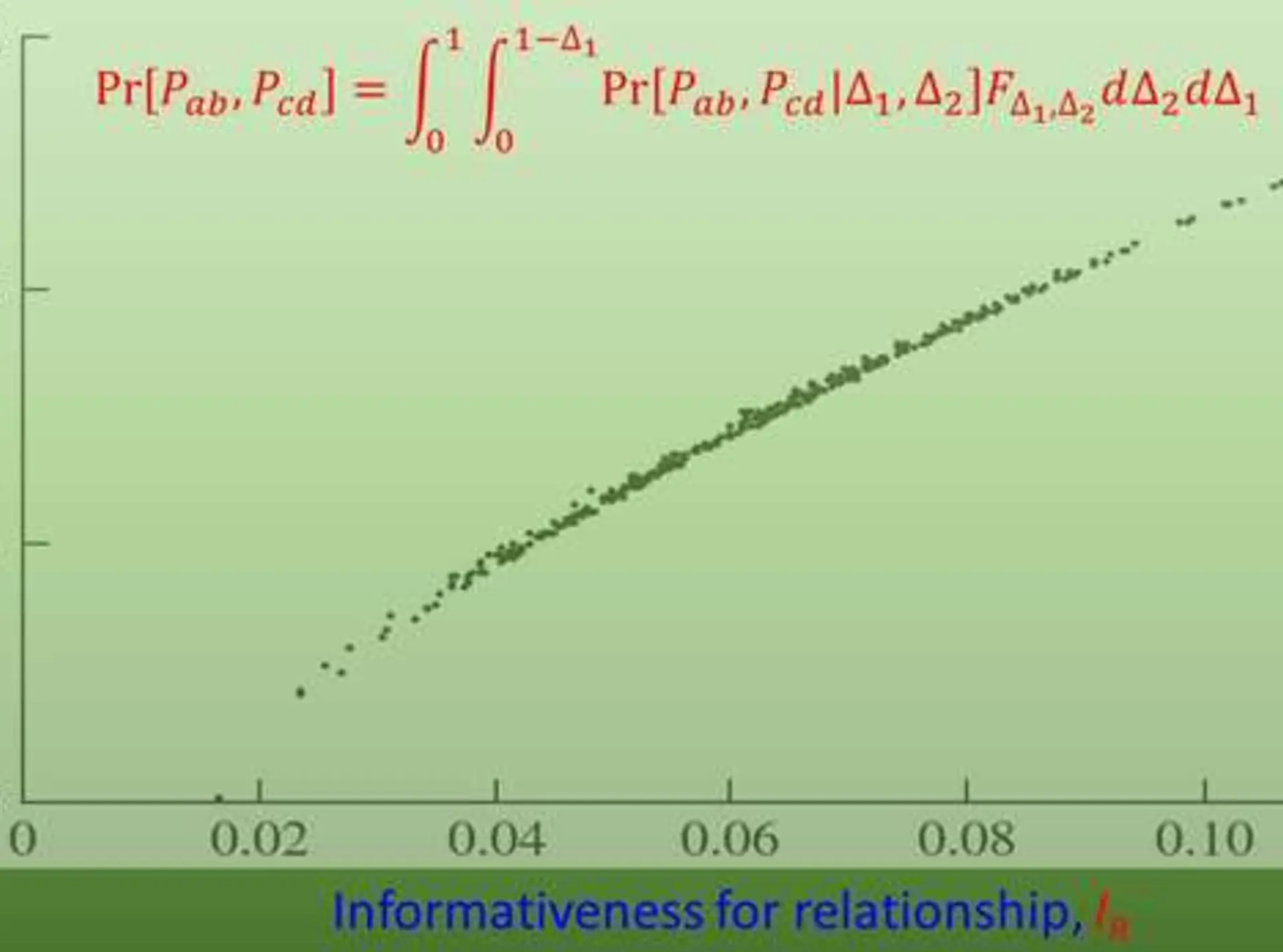
KinInfor calculates the informativeness of markers in inferring pairwise relatedness or relationships
 Download AgeStructure
AgeStructure
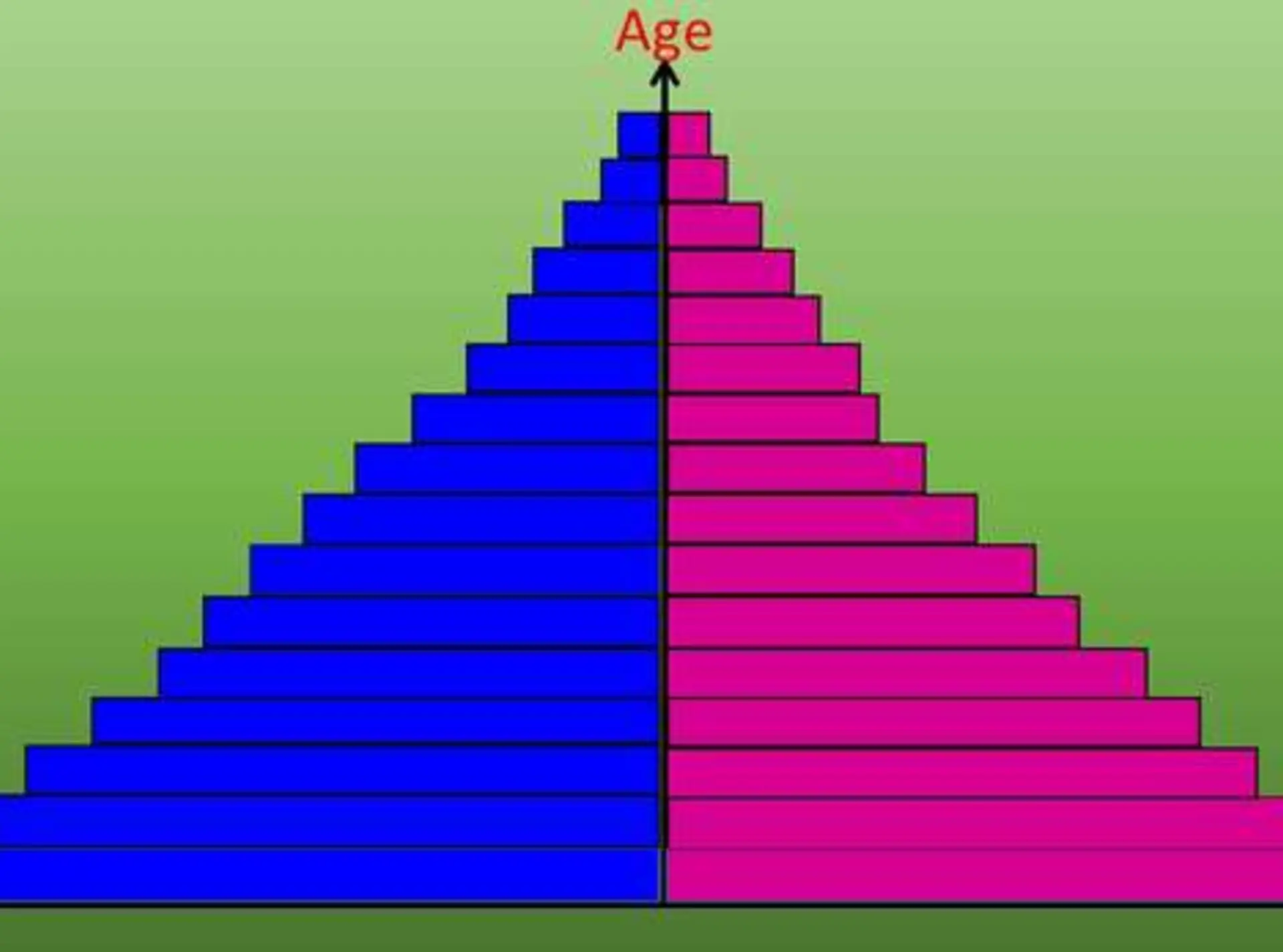
AgeStructure estimates the generation interval, effective size, variances and covariance's of lifetime number of offspring of an age structured population with overlapping generations
 Download KFINDER
KFINDER
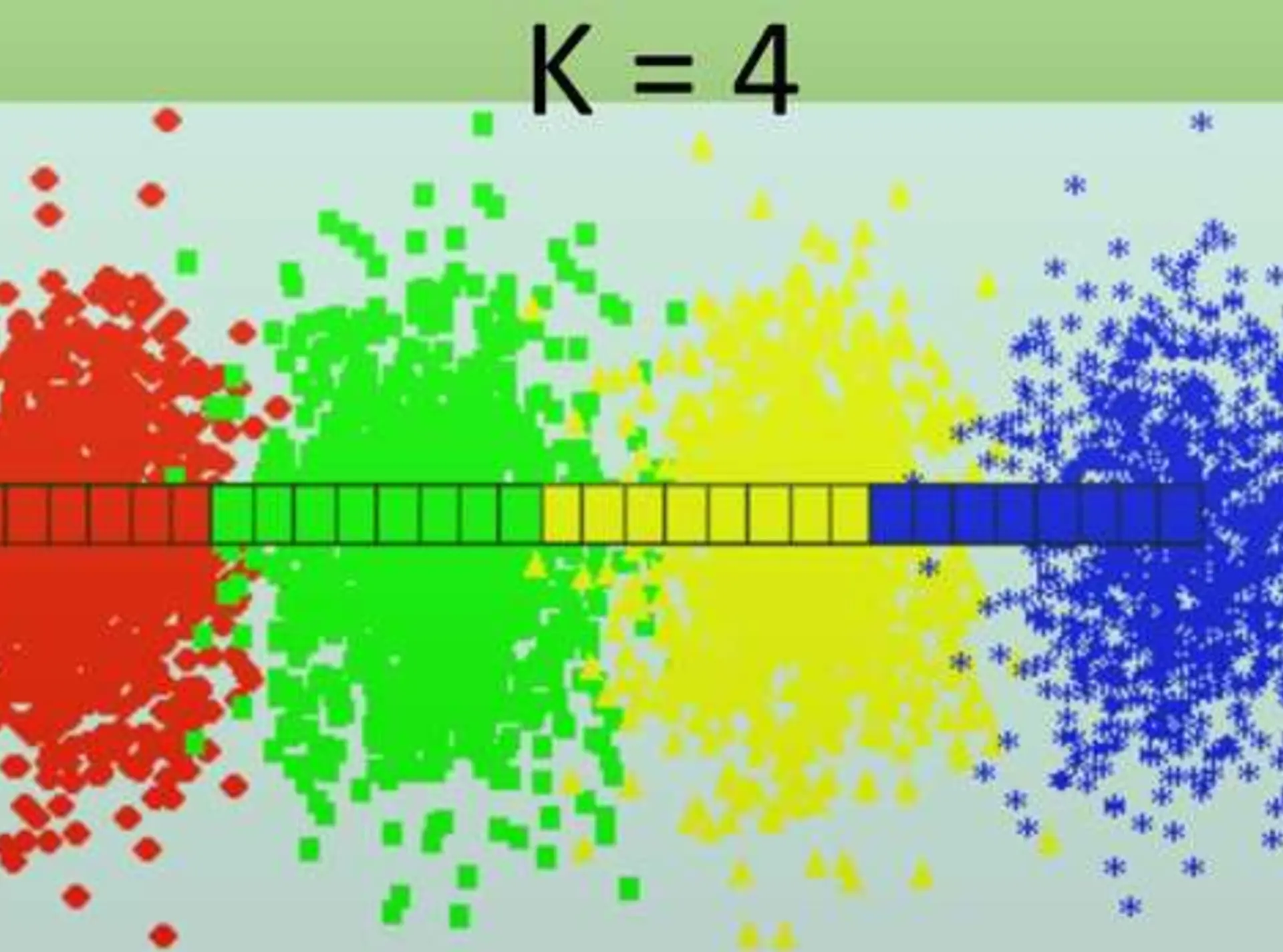
KFINDER allows users to estimate the most likely number of populations from the outputs of STRUCTURE analyses