





People and wildlife can thrive together
Wildlife populations and ecosystems are essential for human health and wellbeing. However, human activities expose wildlife populations to disease, resulting in population declines and species extinctions. They also expose people and domestic animals to disease from wildlife hosts with serious implications for human health and livelihoods. This interconnection between people, animals, plants forms the basis of our approach.
At ZSL, we know that conservation works best when it's powered by science. From research to fieldwork, and in our zoos, we find out why species are at risk and what we can do to improve co-existence with wildlife, safeguard nature and create a healthier, more sustainable future for both wildlife and people. From conserving native birds, to protecting Chinese giant salamander, to discovering more about how to prevent future pandemics, our scientists and conservationists are committed to this goal.
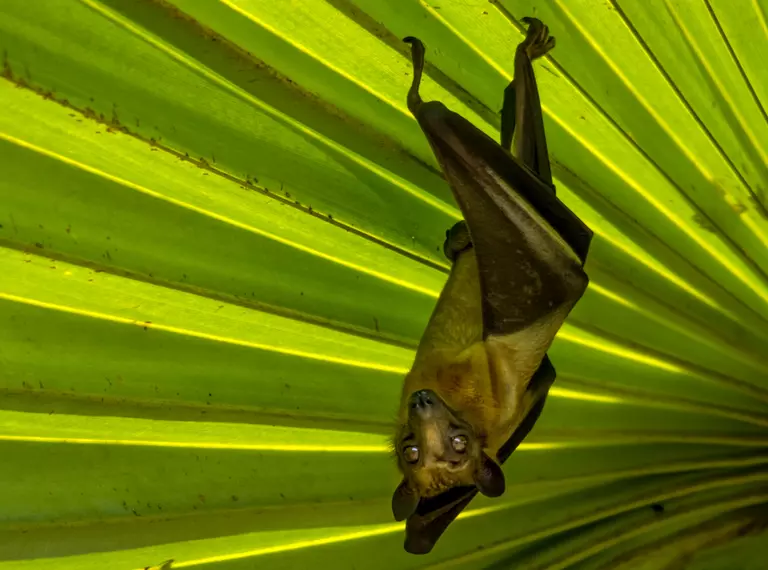
- Leading research on viruses found in bats
Understanding bats and disease
Bats make up 22% of all mammals, and their unique immune response which enables them to remain healthy despite carrying viruses that would cause serious disease in people and other mammals.
- Providing essential wildlife health checks
Wildlife Disease Risk Analysis and Health Surveillance
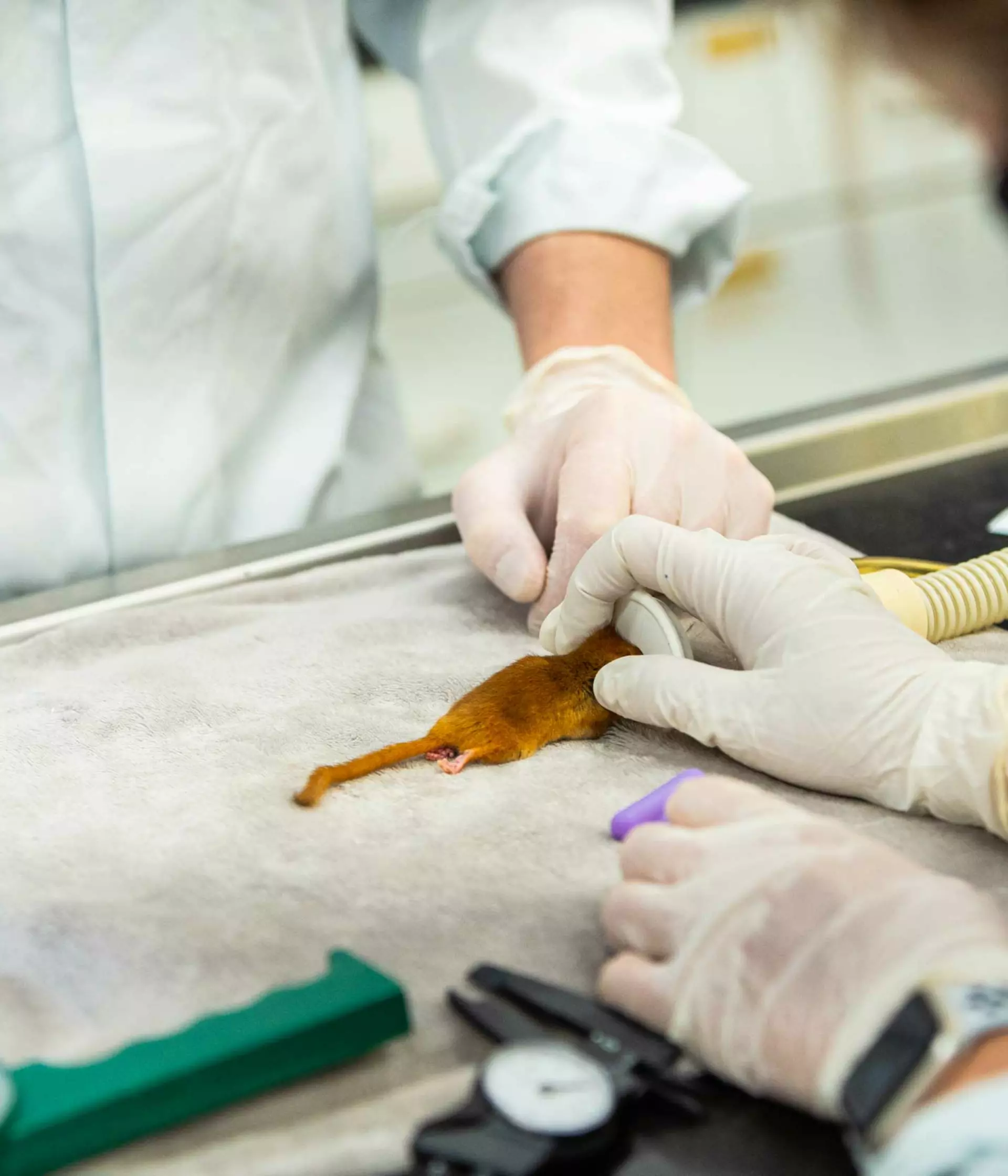
Our DRAHS team provides essential wildlife health checks for conservation projects.
- Understanding strandings
UK Cetacean Strandings Investigation Programme (CSIP)
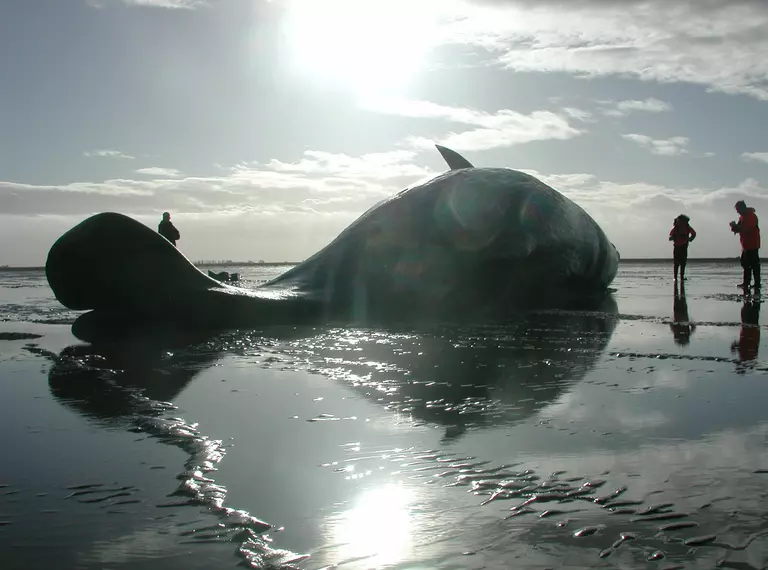
The Cetacean Strandings Investigation Programme (CSIP) coordinates the investigation of all cetaceans, marine turtles and basking sharks that strand around the UK coastline.
- Protecting British Wildlife
Garden Wildlife Health
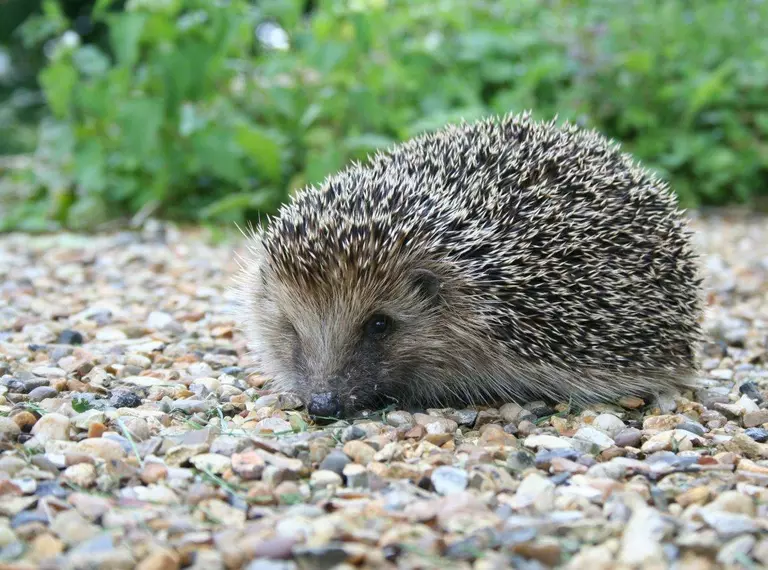
Through this collaborative project, Garden Wildlife Health is safeguarding the health of British wildlife.
- The last surviving native parrot in the Mascarenes
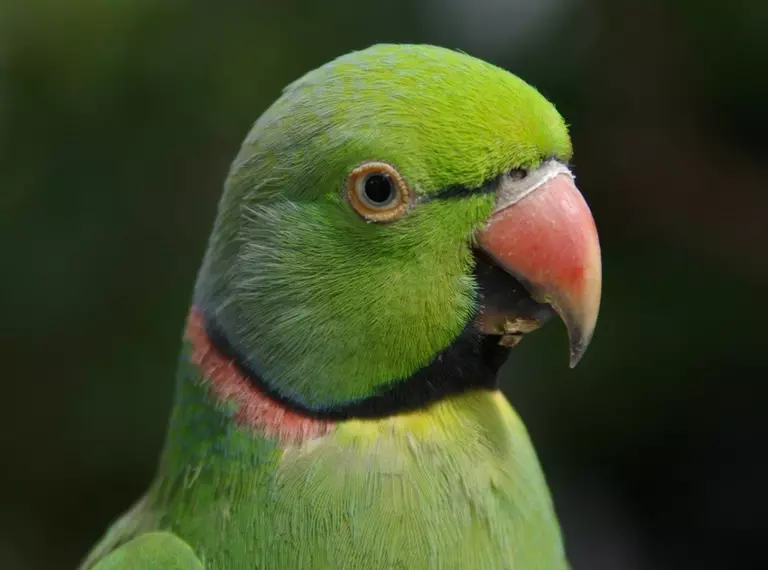
Echo parakeet management programme
The echo parakeet was listed as Critically Endangered in the 1980s.
- Badger vaccination
Badger vaccination
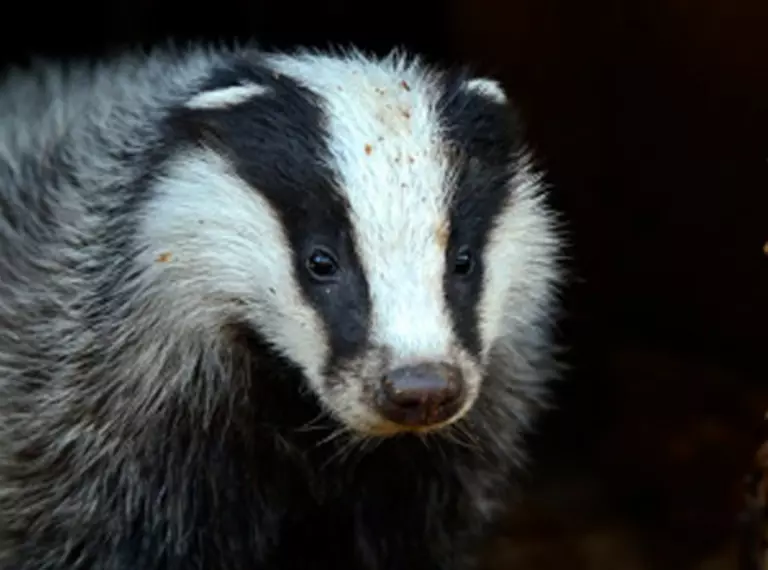
We’ve established the Badger Vaccination Project to research the impact of TB vaccination among badgers on rates of infection within wild populations.
- Project
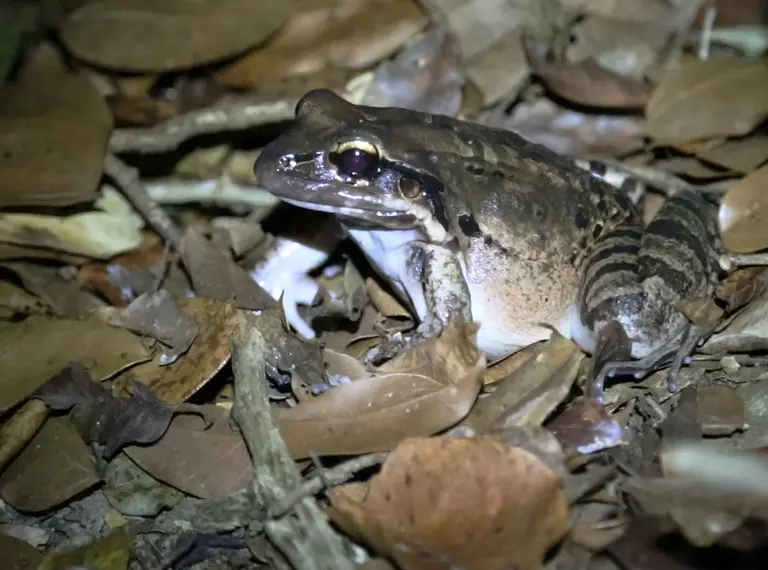
Mountain chicken frog conservation
Creating routes to recovery through cutting-edge scientific research and breeding at London Zoo.
- A closer look at sand lizard translocations
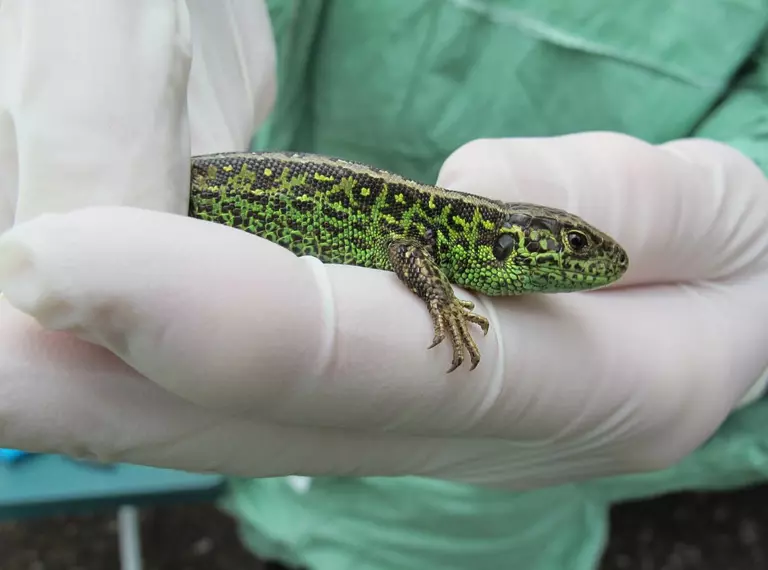
Analysing disease risks during sand lizard translocations
The sand lizard has disappeared over much of its former range in the UK. Habitat loss and fragmentation are cited as the main factors in the species decline.
- Bringing hihi back from the brink of extinction
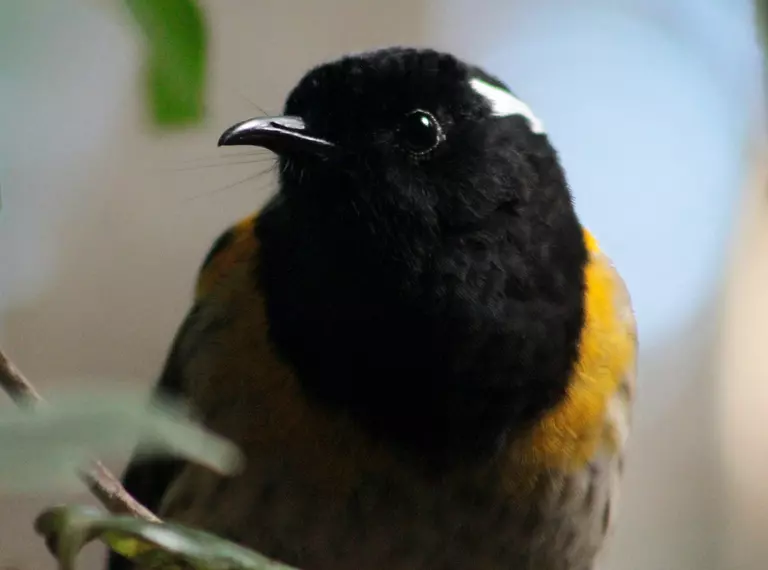
Hihi conservation
How this tiny bird is helping reframe wildlife conservation translocation programmes globally.
- A disease which devastates amphibian populations globally
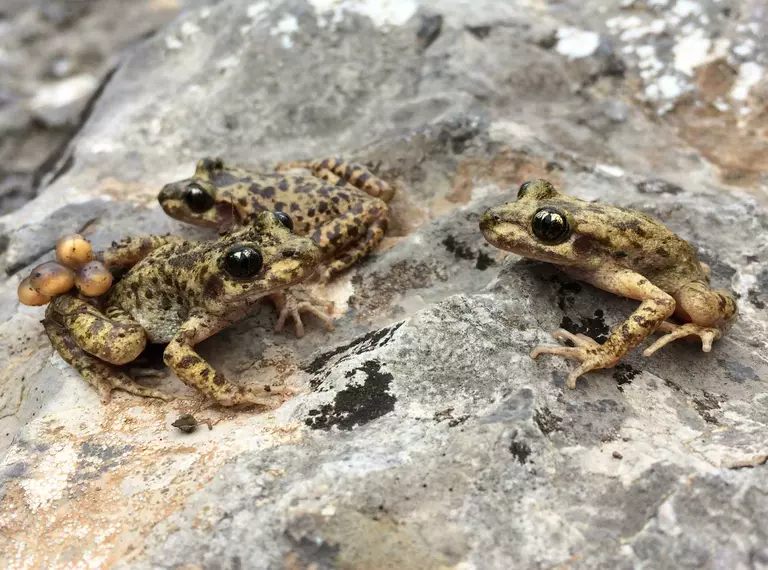
Amphibian chytridiomycosis
- In collaboration with Tsaobis Nature Park
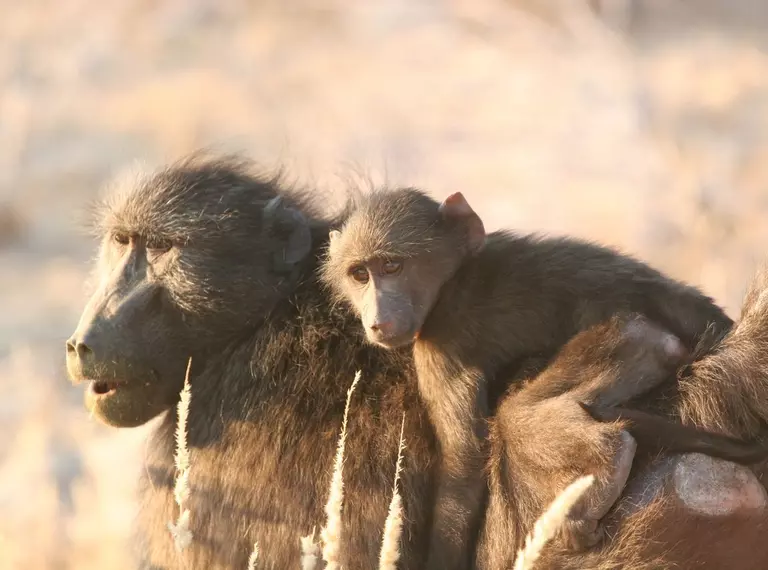
Tsaobis Baboon Project
The aim of the Tsaobis Baboon Project is to carry out fundamental research in behavioural and population ecology using desert baboons as a model system.
- VB-RADAR
Vector-borne Real-time Arbovirus Detection and Response
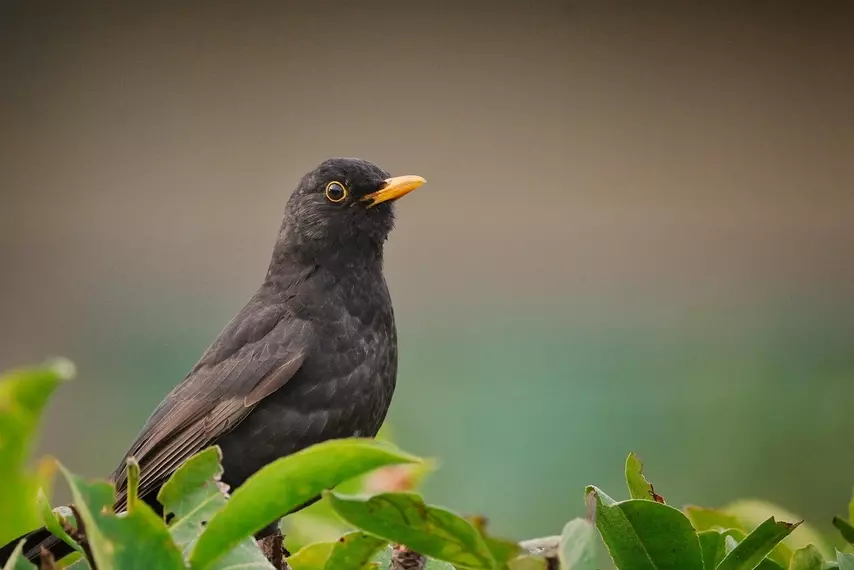
A UKRI and Defra-funded One Health project understanding emergence and transmission of zoonotic mosquito-borne viruses of wild birds in the UK.

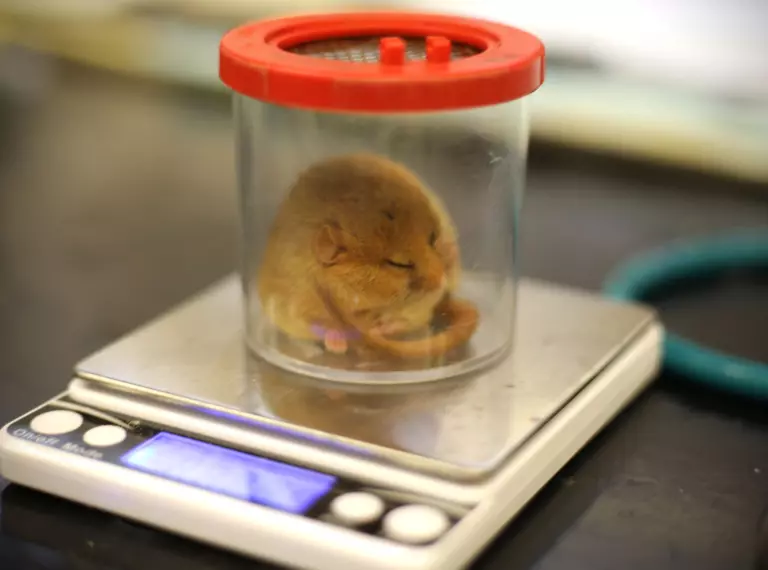
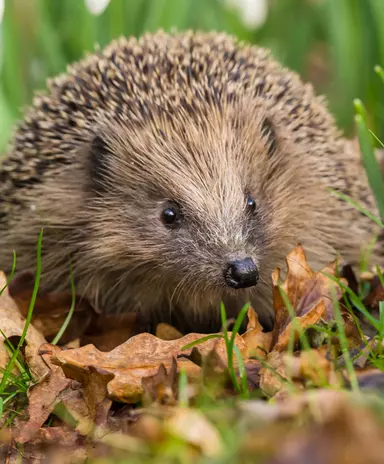
Innovative technology and community engagement work - a project seeking to protect and save this threatened native UK species.