






26 February 2026
England’s rivers are in crisis – reshaped by human activity, stripped of biodiversity, and overwhelmed by a rising tide of pollution.
We’ve teamed up with other environmental organisations calling on the Government to deliver urgent and ambitious changes to England’s water system through the promised Water Reform Bill.
Launched today, the Clean Water Now Report sets out a comprehensive plan to fix the broken water system, stop pollution at source, and restore freshwater and coastal ecosystems so that wildlife and people can thrive.
Georgina Chandler, our Head of Policy and Campaigns, said, “The proposed upcoming Water Bill is a critical opportunity to fix a system that is no longer delivering for nature or people. England’s rivers and seas are telling us the current approach isn’t working. We need ambitious reform that puts environmental recovery at the heart of regulation, investment and decision-making – with clear targets, strong oversight and real accountability for polluters.”
Three priorities for transformation
The Clean Water Now campaign calls for action in three key areas:
- Fix the system
The campaign is calling for a new legally binding, long-term national target for water quality, backed by enforceable milestones. It also urges the creation of a new water regulator with a clear duty to deliver environmental and climate goals, alongside empowered Regional Water Authorities to turn national ambitions into binding, catchment-level action. - Stop the polluters
The campaign demands a ban on harmful chemical groups such as PFAS and the introduction of a “polluter pays” Water Restoration Levy. It also calls for a legal duty on water companies to act in the environmental public interest, with strict sanctions for failure, and stronger agricultural permitting and enforcement - particularly in nutrient-saturated catchments. - Restore nature
To rebuild resilience, the campaign proposes creating nature-rich river corridors from source to sea to improve habitat connectivity and public access. It prioritises nature-based solutions, such as wetland restoration, greater support and incentives for farmers to mitigate pollution and create better riparian habitats and calls for stronger powers to prevent and control invasive non-native species.
Together, these measures would help restore freshwater and coastal ecosystems, reduce flood and drought risks, and ensure the water sector operates in the public and environmental interest.
A crisis for rivers and wildlife
Freshwater ecosystems are now among the most threatened habitats in the UK. As stated in the Clean Water Now report, over the past century, more than 90% of the UK’s wetlands have been lost, while more than one in ten freshwater and wetland species face the threat of extinction. Around 85% of England’s rivers and streams have been modified from their natural state, leaving fragile ecosystems struggling to recover.
Our teams are out on the rivers all year round see firsthand how pollution, over-abstraction and habitat fragmentation are driving declines in some of Britain’s most endearing and endangered species – from fish and invertebrates to wetland birds and mammals.
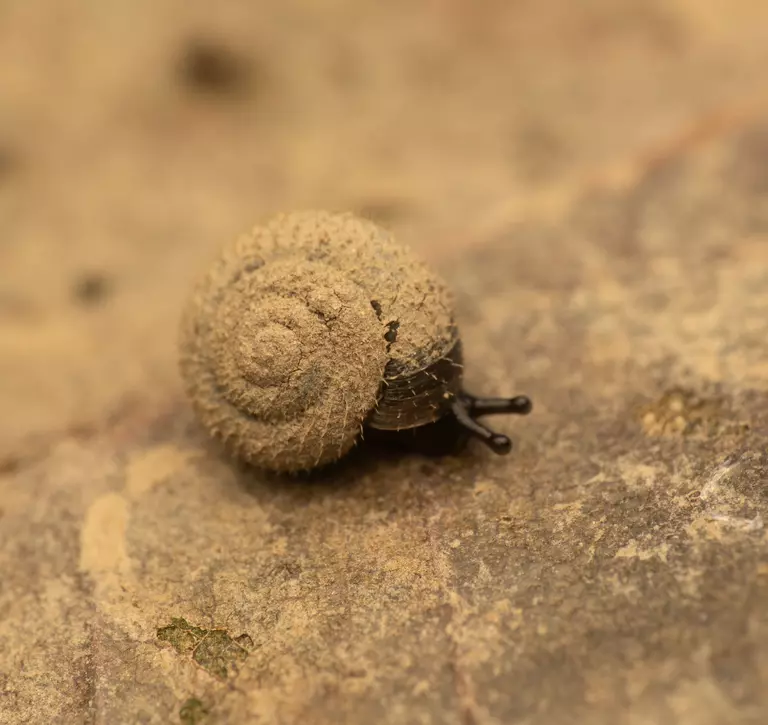
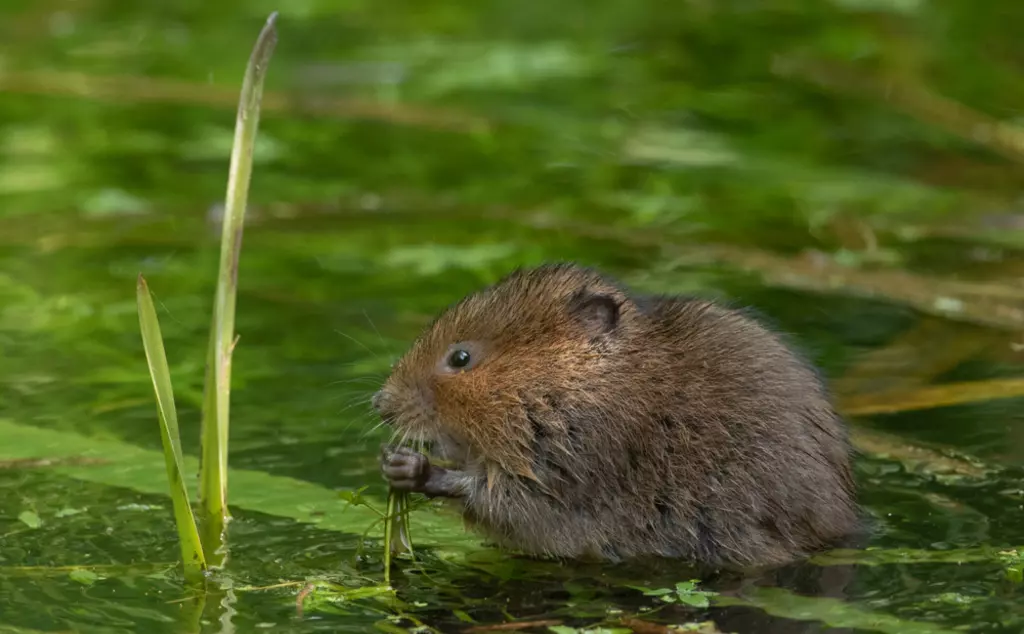
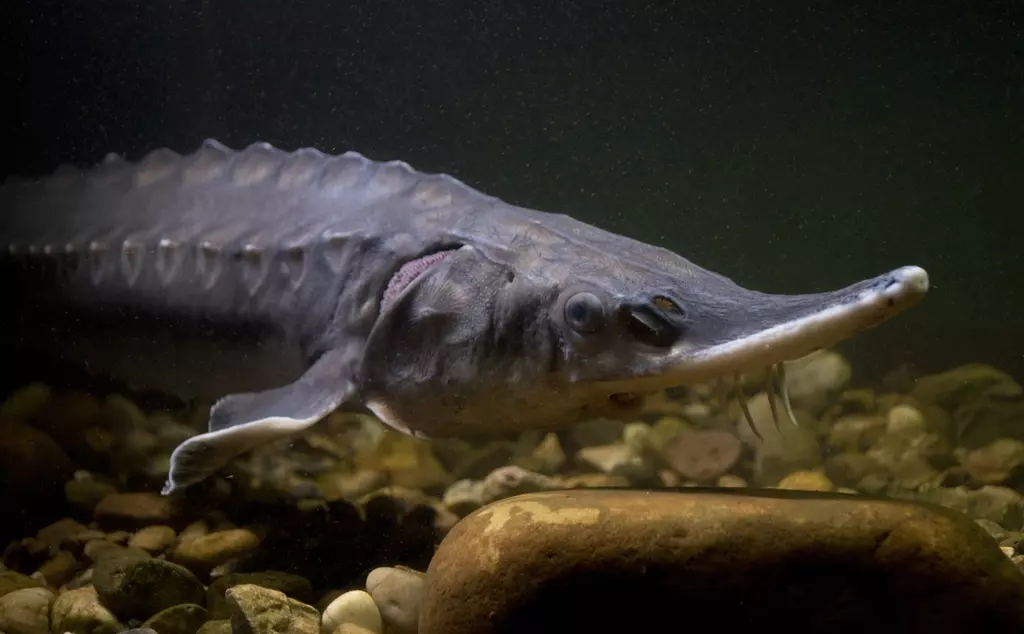
Water voles were once a familiar sight along our riverbanks, but habitat destruction and the invasive American mink have driven their populations to plummet. Our rivers are also home to some extraordinary survivors, including a now-endangered hairy snail that has clung in parts of London since the Ice Age, when the Thames was still connected to the Rhine River, in Germany. Species such as the ‘royal’ native European sturgeon were once found in the UK's coastal, estuarine, and freshwater environments, but overfishing, habitat destruction, and blocking migration routes, has made them among the rarest species in the country.
Healthy rivers and wetlands are essential not only for biodiversity, but also for flood resilience, water security and public health.
Earlier this year, we published the State of the Thames report, which showed that after decades of effort, the River Thames has been brought back from being “biologically dead,” yet this hard-fought revival faces continuing threats from warming waters and pollution.
Just 14% of English rivers are in Good Ecological Condition
As highlighted in the Clean Water Now report, no English river is in good chemical health.
Pollution from sewage, agriculture and toxic chemicals is pushing vital species such as the Atlantic salmon, European eel and white-clawed crayfish towards extinction, while invasive non-native species continue to spread.
Right now, many of the chemicals harming our rivers and seas simply are not properly regulated, and we’re still fighting an upstream battle against chemicals already banned.
Dr Rosie Williams, Postdoctoral Research Assistant, ZSL’s Institute of Zoology, added that urgent action is needed to prevent repeating past mistakes: “We’re still dealing with the legacy of pollutants banned decades ago, which shows how long-lasting chemical damage can be. We must step up with strong, evidence-based measures to limit further pollution. Taking decisive action today can help protect marine life and reduce the ongoing harm these chemicals cause to our ecosystems.”
The list of monitored and treated pollutants must be extended to include PFAS, pesticides, pharmaceuticals, and microplastics, in line with updated EU standards.
In 2019, our scientists revealed just how long-lasting the impacts of these toxins can be , finding that harbour porpoise calves in UK waters are still exposed to harmful banned chemicals through their mothers’ milk – a stark reminder that once these chemicals enter the environment, they build up in wildlife and are passed from one generation to the next.
Rosie emphasised the human stakes of the crisis: “We depend on the same rivers and seas for the water we drink and food we eat. When harmful chemicals build up in these environments, it’s not just wildlife that feels the impact. Some links have been found between chemicals like PBDEs and potential developmental issues in children. Acting now benefits both nature and society.”

Why we’re joining the call
As a science-driven conservation charity, we work to restore ecosystems in the UK and around the world. Freshwater and coastal habitats are critical to the survival of countless species, yet they have been degraded by decades of underinvestment, weak enforcement and pollution.
We know that nature-based solutions – such as restoring key habitats along the Thames – can deliver multiple benefits, improving water quality, increasing biodiversity, storing carbon and reducing flood risk. But these solutions must be embedded in policy and backed by long-term funding.
Restoring our rivers isn’t just about wildlife, it’s about people too. Nature-rich, accessible waterways can boost wellbeing, strengthen community pride and inspire the next generation to care for the natural world. When rivers are clean and full of life, they become places where people can connect with wildlife – just as ZSL has been doing for 200 years.
The promised Water Reform Bill presents a once-in-a-generation opportunity to reset the system. Action must go beyond enforcement alone. It must be plumbed into environmental recovery, regulation, investment and decision-making at every level.
A make-or-break moment
With the 2027 legal deadline for meeting existing water quality objectives fast approaching, this Parliament may be the only real opportunity to deliver the scale of reform needed.
Clean water is fundamental to life. By strengthening targets, holding polluters to account and restoring nature from source to sea, the Government can rebuild public trust and secure a healthier future for wildlife and communities alike.
We are proud to stand alongside partners in calling for Clean Water Now – because thriving rivers and seas are essential for a world where wildlife and people thrive together.
What you can do
Email your MP today and tell them you expect a water law that stops polluters, fixes what’s broken, and delivers clean water − now.