






German Hairy Snail surveys have begun in London by rewilders, conservationists and citizen scientists on a mission to save the fingernail-sized mollusc.
Named for the tiny hairs that cover its shell, an adaptation thought to help it live in damp, riverside habitats, the German Hairy Snail (Pseudotrichia rubiginosa) is one of the UK’s most endangered molluscs, found only in small, fragmented patches of its historic habitat along the Thames.
The team, led by us and Citizen Zoo have kickstarted a project to better understand the distribution of this rare snail across the capital and inform future conservation action, including where efforts are most needed.
Why is the German Hairy Snail hairy - and German?
Although first recorded in the UK in 1982, fossilized remains indicate that the German Hairy Snail has called the UK home since at least the Stone Age - and potentially even as far back at the last Ice Age, when Britain was still joined to mainland Europe.
During this period, the Thames was still connected to the Rhine - Germany’s longest river - which today empties into the North Sea.
The species has historically been found across Europe, with an assessment published in 2013 identifying its range to include eastern Russia, islands in the Baltic Sea, and Germany, where it is considered Endangered.
The fine hairs that run along the slim, round shell of the German Hairy Snail are thought to allow the mollusc to sweat off moisture, helping make its slime sticky enough that it can easily cling to the slippery riverside debris and the plants it feeds on.
Restoring London's rivers
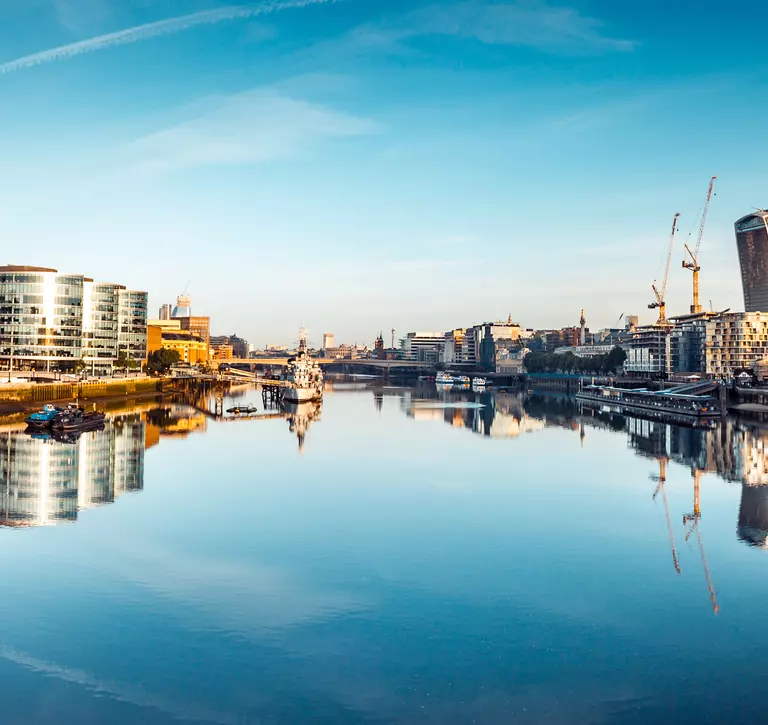
Learning more about the current strongholds of the fuzzy snail is not only key to its survival, but will also drive action to protect and rewild the capital’s riverine habitats, which in turn will support a wealth of other native species that call the city’s waterways home - such as water voles, dragonflies and kingfishers.
Joe Pecorelli, our Freshwater Conservation Programme Manager said: “This charming little snail has called our riverbanks and wetlands home for thousands of years – yet it is sadly now very rare in the UK, potentially restricted to just a few sites along the Thames.
"These surveys will help us understand how the snail is faring and how we can protect it – not only securing their future for years to come, but also helping safeguard green spaces throughout London for people and wildlife for future generations.”


The German Hairy Snail is listed as a priority species in the London Biodiversity Action Plan, reflecting its conservation importance.
Elliot Newton, Director of Rewilding at Citizen Zoo added: “The German Hairy Snail is a species that helps spark imagination and open people’s minds to the curious and diverse wildlife that can thrive across Greater London.
"It reminds us of the remarkable natural world that exists right on our doorstep."
“The surveys shows how, by working together across the capital with many partners and empowering local communities, we can gain a deeper understanding of London’s more hidden biodiversity and take steps to protect it.”
The surveys will help us better understand how the elusive snail is faring. By surveying both known and potential river sites across London, in boroughs such as Newham, Richmond upon Thames and Barnet, the team will build a stronger picture of the snail’s current UK range, and identify how habitat restoration, pollution management and the careful movement of snails between sites can help recover their numbers.
The surveys are running in partnership with London Wildlife Trust, the Conchological Society of Great Britain and Ireland, Greenspace Information for Greater London CIC (GiGL), the Port of London Authority, and with funding support from Thames21 and the Conchological Society of Great Britain and Ireland.
ZSL believes nature can recover, and that conservation is most effective when driven by science. We call for science to guide all global decisions on environment and biodiversity and build a healthier future for wildlife, people and the planet.