






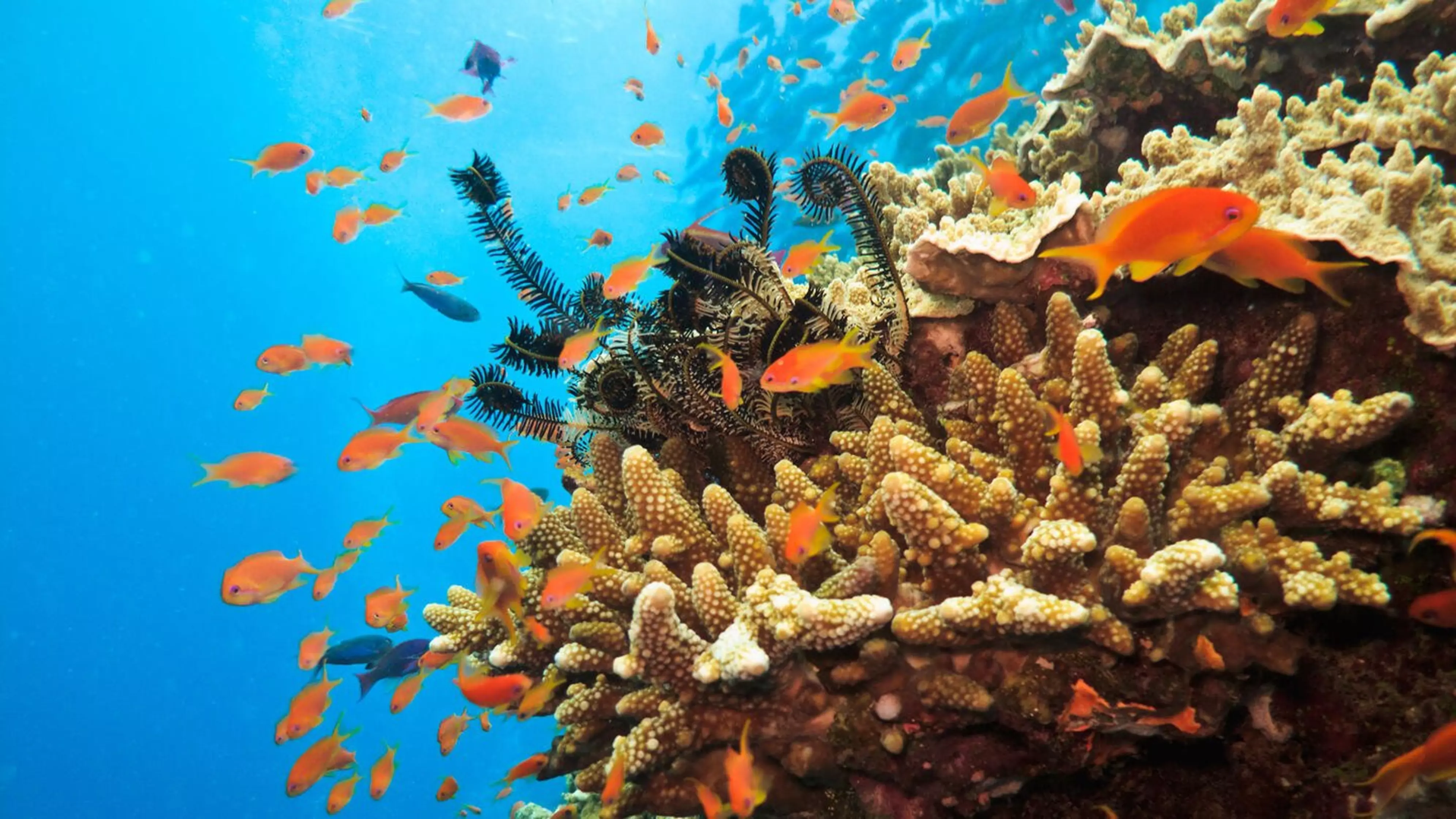
As a landmark report reveals that coral reefs are passing their tipping point, we are calling for urgent action to tackle climate change.
The Global Tipping Points Report 2025, published 13th October, brings together the expertise of 160 researchers from across the globe - including our own Paul Pearce-Kelly and Dr Chris Yesson - reveals that we are dangerously close to multiple tipping points that would cause devastating harm for people and wildlife alike.
We still have the opportunity to avert the worst - but we need to act now.
The report finds that warm-water coral reefs – on which nearly a billion people and a quarter of all marine life depend – are passing their tipping point.
Widespread dieback is taking place and – unless global warming is reversed – extensive reefs as we know them will be lost, although small refuges may survive and must be protected.
The report also found that widespread dieback of the Amazon rainforest due to climate change and deforestation could happen at just 1.5°C of warming, and that the main ocean current system in the Atlantic - the Atlantic Meridional Overturning Circulation - is at risk of collapse below 2°C of warming. This would result in much harsher winters in north-west Europe, disrupt the West African and Indian Monsoons, and decrease agricultural yields in much of the world – with major impacts for global food security.
With global warming set to breach 1.5°C, the report – by scientists at 87 institutions in 23 countries – argues that countries must minimise temperature overshoot to avoid crossing more tipping points.
Every fraction of a degree and every year spent above 1.5°C matters.

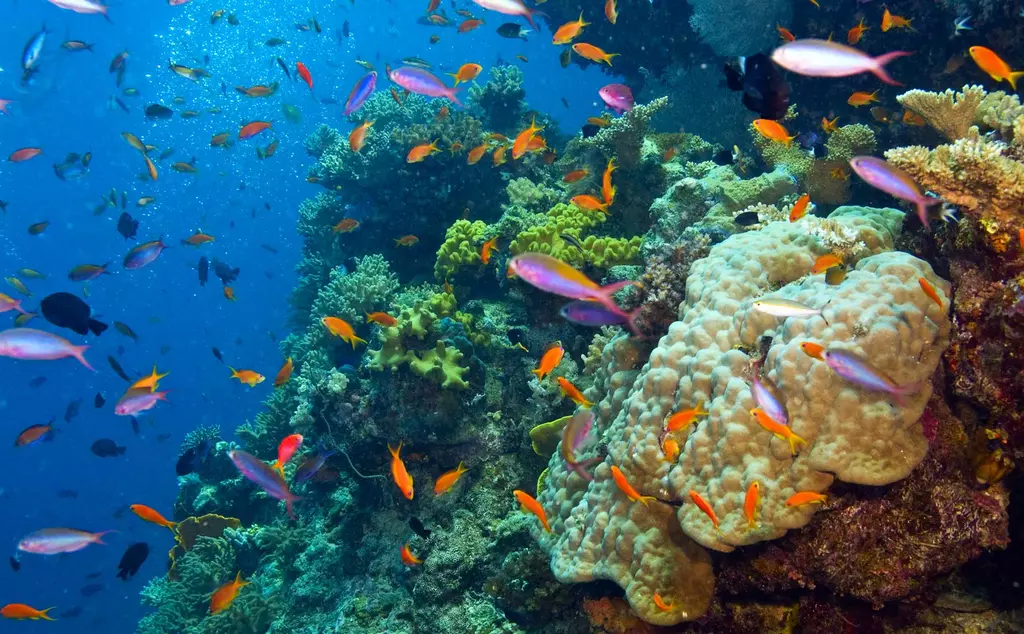
Securing a future for coral reefs
Coral reefs provide a whole host of essential services to people and wildlife alike, from food security, to protection against hurricanes - yet the increasing intensity and frequency of ocean heatwaves are accelerating their decline and degradation.
Tipping points are thresholds for change that once surpassed, cause a series of changes that push a system into a new state - often irreversibly.
The tipping point range for warm-water reefs is between 1 to 1.5°C of warming above pre-industrial levels, with 1.2°C as the central estimate. With global temperatures having already increased by around 1.35°C, the survival of these vibrant, underwater ecosystems, is already under threat.
The impacts of excessive temperature on reefs are already being experienced around the world - and this will only worsen if we continue to approach and exceed the 1.5°C tipping point threshold.
However, not all is lost. Action to protect our natural world is more important than ever.
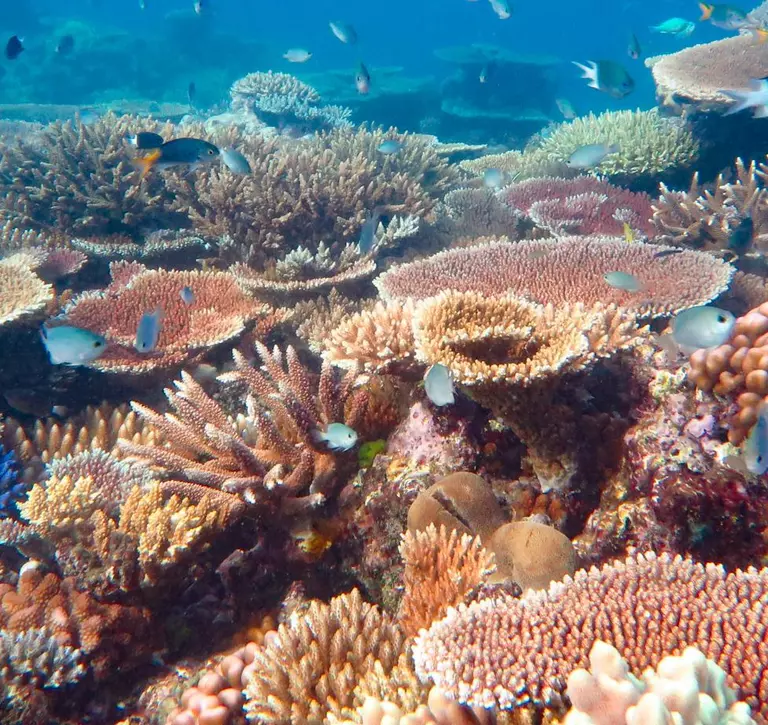
Whether we can avoid irreversible degradation and loss of coral reefs depends on our commitments to both conservation actions and tackling climate change. Conservation is more essential than ever to maximise reef resilience against warming waters, while determined action from world leaders is needed to stabilise and lower global temperatures.
Positive tipping points for people and planet
While the findings of the report are alarming, there is reason for hope.
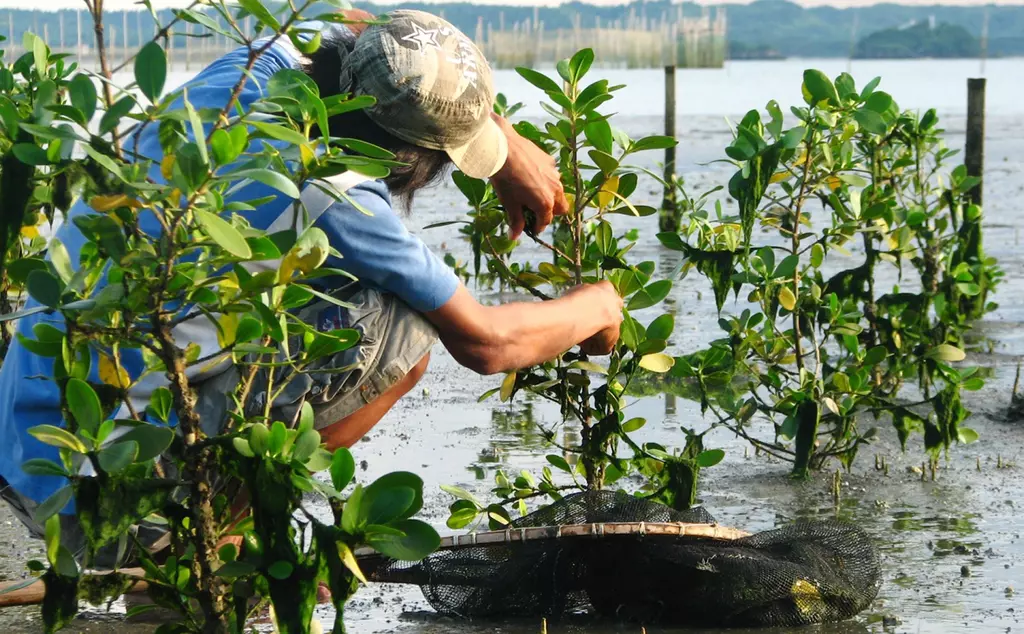
Action to trigger “positive tipping points” of self-propelling change – such as the rollout of green technologies – are essential to secure a safe, just, and sustainable future by rapidly restoring nature and biodiversity.
Ecosystem restoration can tip degraded systems back to health, and shifts to more sustainable patterns of consumption and production can lead to tipping points in food and fibre supply chains that end deforestation and ecosystem conversion.
Positive tipping points have already been crossed in solar and wind power globally, and in the adoption of electric vehicles.
Social attitudes are also tipping, with growing concern around climate change. These transitions can still be accelerated - and more are approaching in sectors, including goods transport.
The report is published as conservationists, governments and NGOs are gathered for the IUCN World Conservation Congress - the world’s largest gathering of conservationists - to shape the global agenda to protect species, restore ecosystems, and secure a future where people and nature can thrive.
The call for action also comes a few weeks ahead of the UN Climate Change Conference (Cop30) where world leaders in meet in Brazil to assess our progress in addressing climate change. The researchers behind the report are working with COP30 Presidency to ensure that tipping points are on the agenda at the summit.
Global action must include accelerating emissions reductions and scaling up carbon removal to minimise temperature overshoot. The expected impacts of tipping processes need to be considered in risk assessments, adaptation policies, loss and damage mechanisms and human rights litigation.
Through coordinated action, we can unleash positive tipping cascades - and helping secure a future for not just coral reefs and the people that rely on them, but for life across Earth as we know it.
We work at speed and scale to drive forward a journey of recovery for the planet, protecting critical species, restoring essential ecosystems, supporting those living with wildlife and inspiring positive change - shaping a world where people and wildlife can thrive