






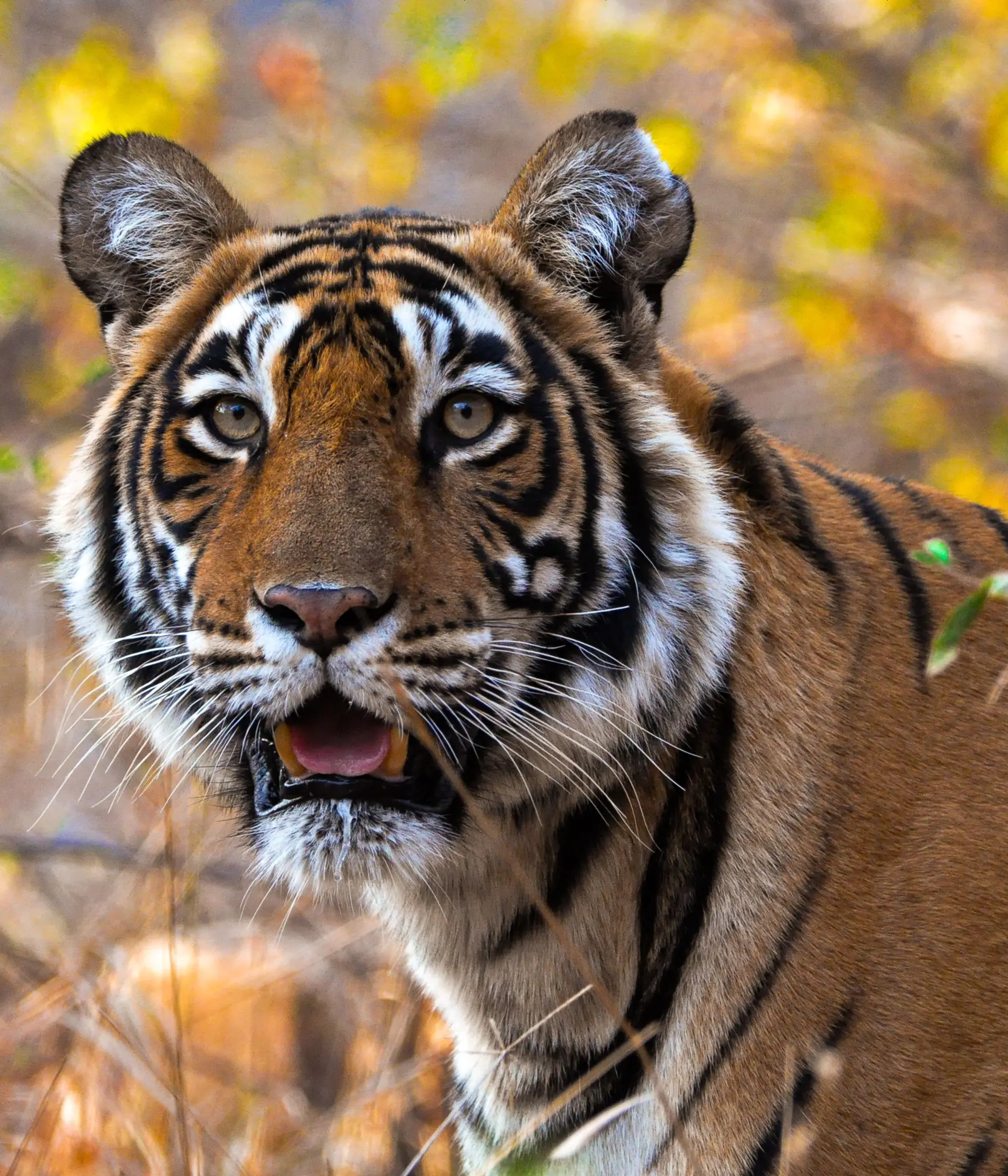
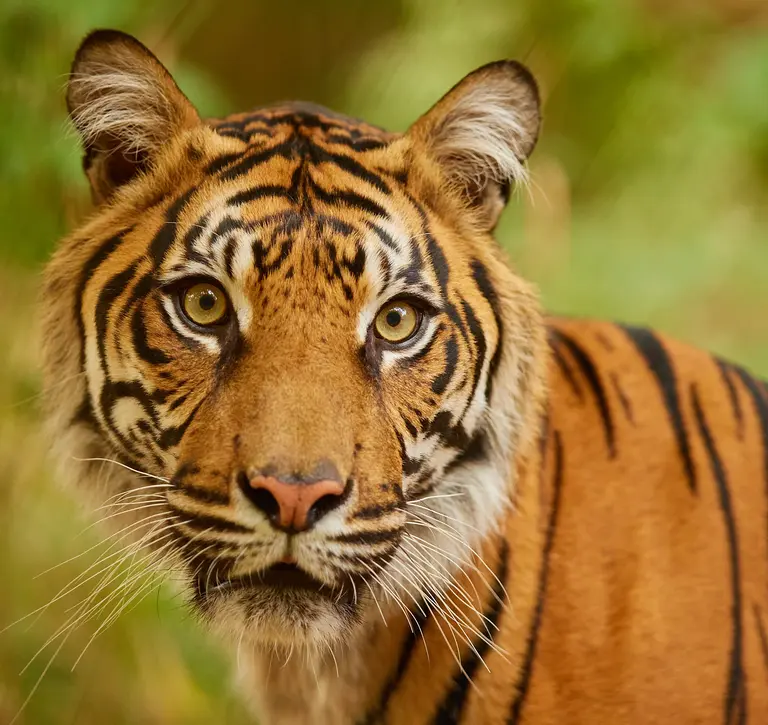
Announced on Global Tiger Day, the results of the latest national census of Nepal’s tiger population show that the estimated tiger population in the country has risen to 429 – over triple the number recorded in 2009.
Led by Nepal’s Department of National Parks and Wildlife Conservation (DNPWC) with support from our conservationists in Nepal – along with other partners and local communities - the announcement builds on the country's previous achievement of becoming the first country to double its tiger population by 2022.
The news highlights the power of conservation driven by science, collaboration and resilience – while also showing the importance of ensuring people and local communities at the centre of conservation.
Why is tiger conservation important?
Tigers once roamed across Asia, playing a vital role in keeping ecosystems healthy by controlling herbivore numbers and allowing forest vegetation to thrive. However, habitat loss, poaching and the illegal wildlife trade caused numbers to drastically drop, and today, only about 5,574 tigers are estimated to be left in the wild.
Recovering tiger populations isn't just important for the survival of this species. Protecting tigers also means the protecting forests and grasslands across Asia that support countless other species - from birds to elephants - and provide people with clean water and protection from the impacts of climate change.
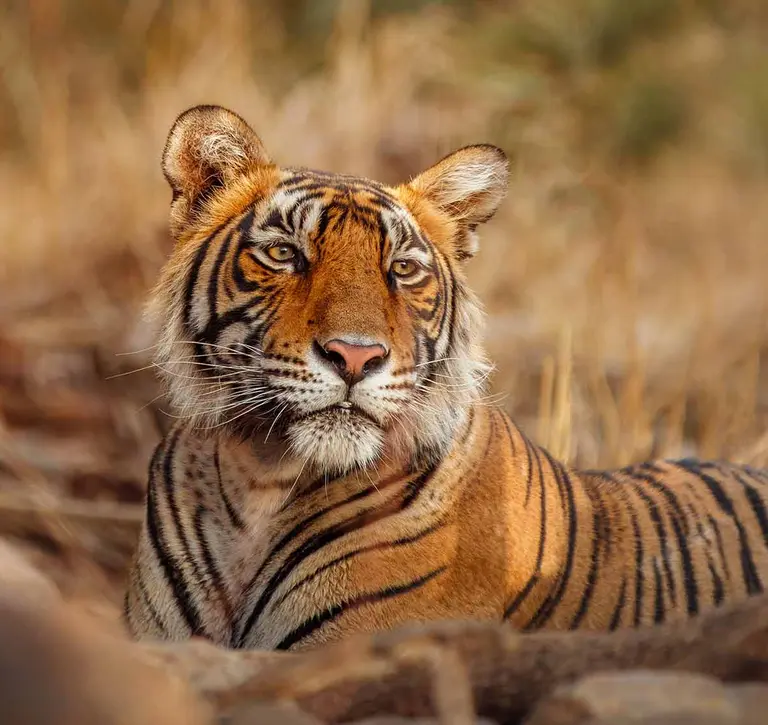
Recovering the world's tiger populations
We’re working with local governments, communities and businesses across Asia to help recover wild tiger numbers. Conservation takes place in areas where people live, work, farm, fish and raise their families, and developing programmes that deliver genuine economic and social benefits is key to their success.
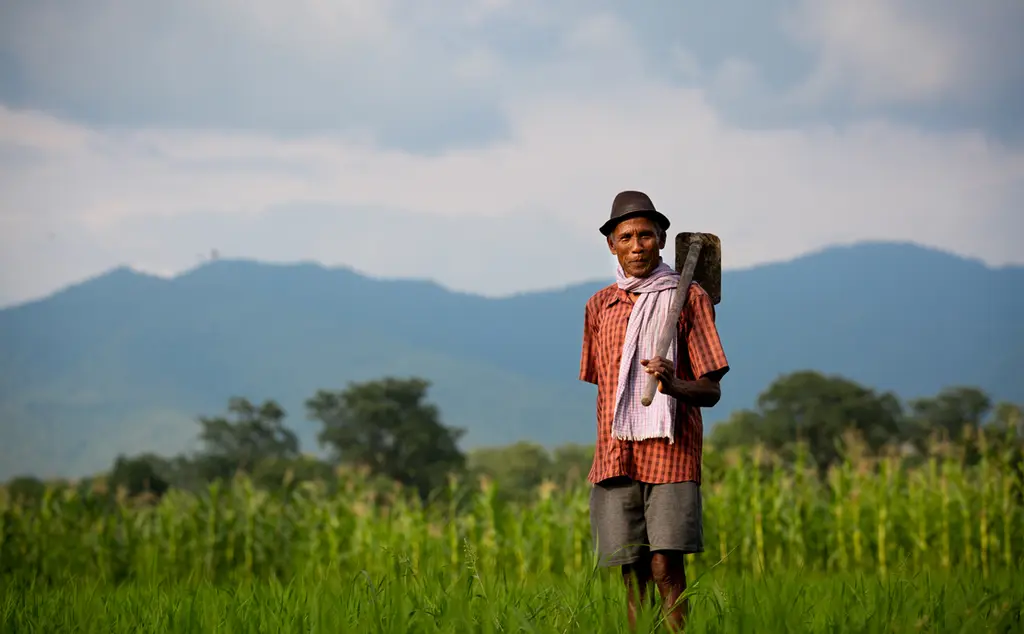
Nepal
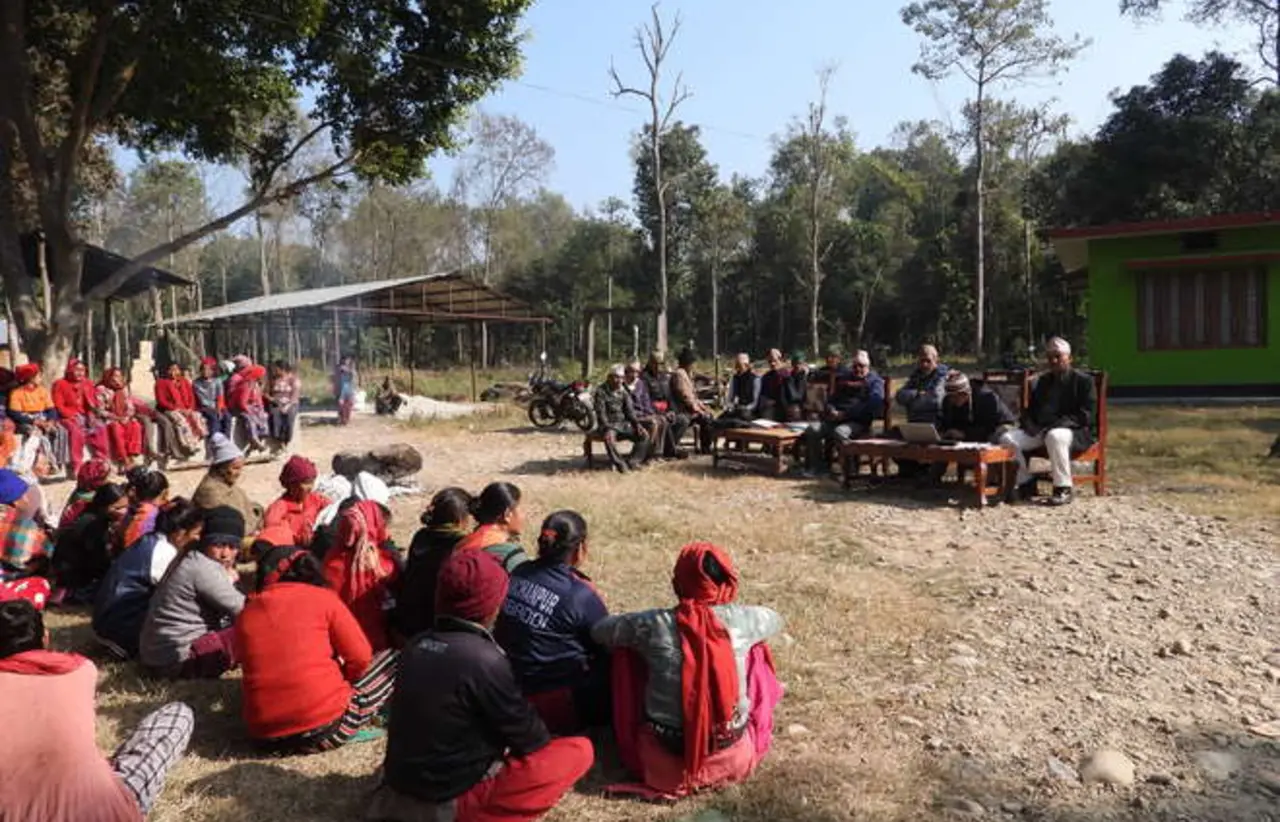
We've worked alongside the Government of Nepal and local communities for more than 12 years to support one of the world's most remarkable tiger recovery stories. Across the Terai Arc Landscape, our conservationists have helped strengthen tiger monitoring and conservation efforts while working closely with communities living alongside wildlife to reduce human-wildlife conflict and support sustainable livelihoods. By helping people adapt to and benefit from living alongside recovering tiger populations, we are demonstrating that long-term conservation success depends on putting local communities at the heart of nature recovery – creating a future where both people and tigers can thrive.
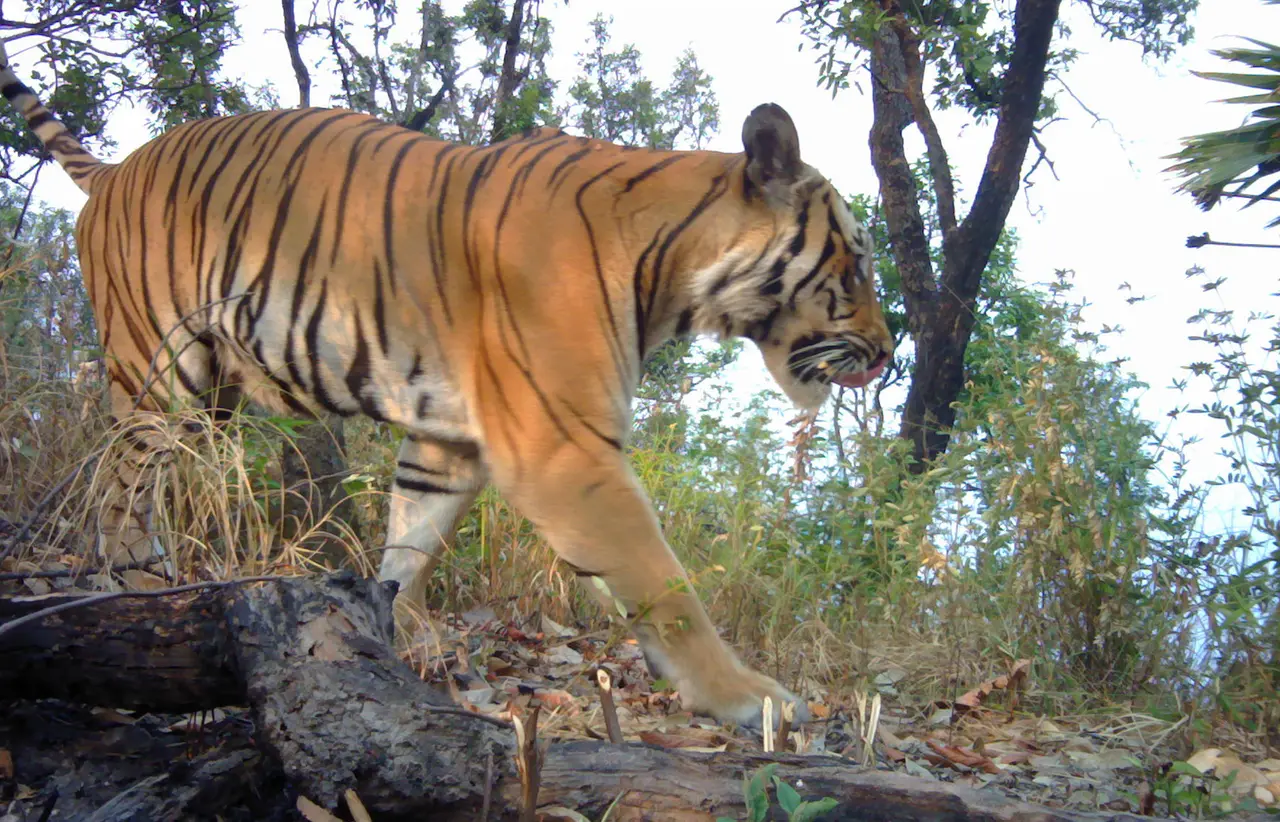
Thailand
Our team in Thailand began working in the Western Forest Complex (WEFCOM) in 2013 to strengthen tiger monitoring and conservation across one of the few remaining breeding landscapes for Indochinese tigers. Working with Thailand's Department of National Parks, Wildlife and Plant Conservation (DNP), protected area staff and local communities, we established a long-term camera trap monitoring programme and, since 2015, have documented individual tigers in areas where no recent records had existed, improving understanding of tiger distribution and supporting conservation efforts.
Today, the team continues to work with DNP on tiger monitoring, protected area management, biodiversity monitoring, and the use of innovative technologies to strengthen conservation and combat wildlife crime.
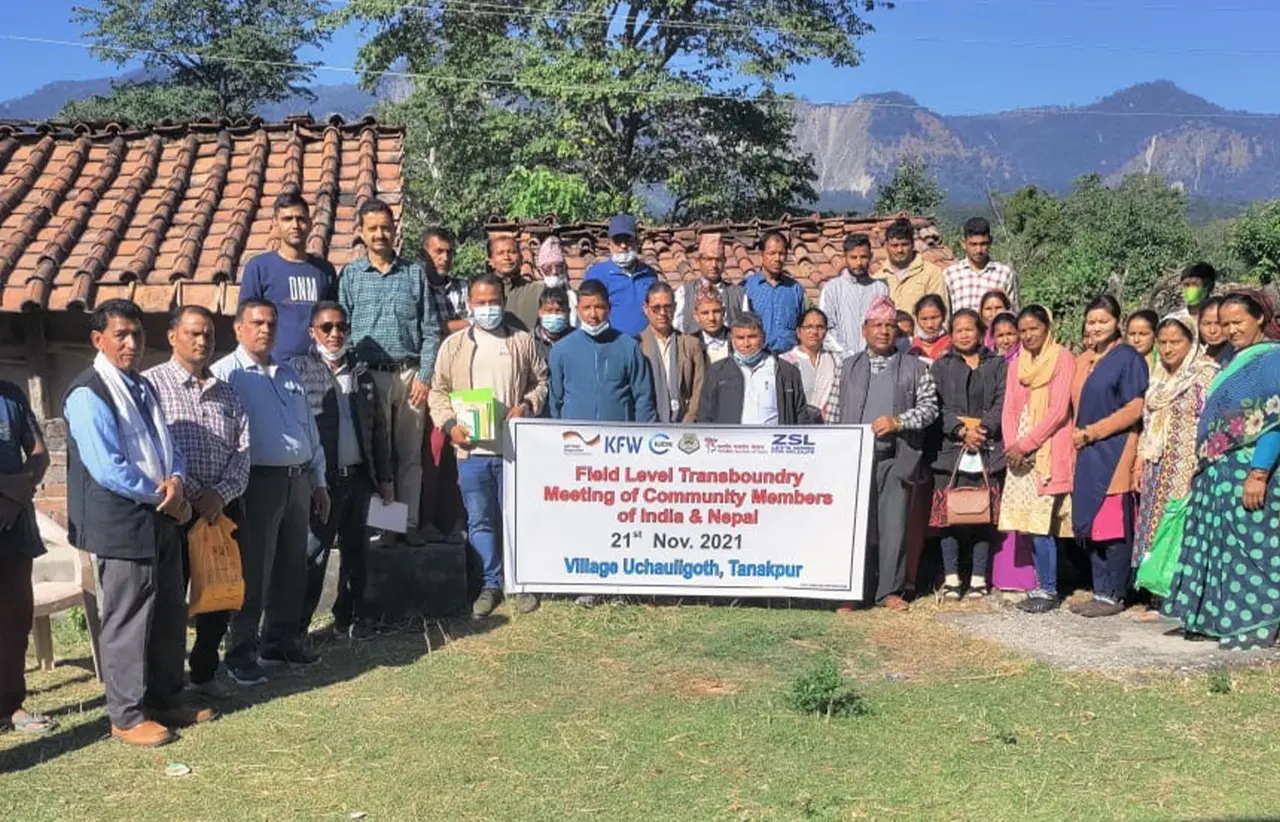
India
The Terai Arc Landscape lies across the border of southern Nepal and northern India, providing a home to around 17% of the world's tiger population and serving as a hotspot for many iconic species – including one-horned rhinos, Asian elephants and Critically-Endangered gharials. We've worked with partners in India since 2016 on tiger conservation initiatives – which have contributed to the recovery of the country's tiger population in Uttarakhand State. Working with farmers and communities on both sides of the border, ZSL promotes sustainable livelihood approaches and human-wildlife conflict mitigation strategies that encourage coexistence between people and wildlife.
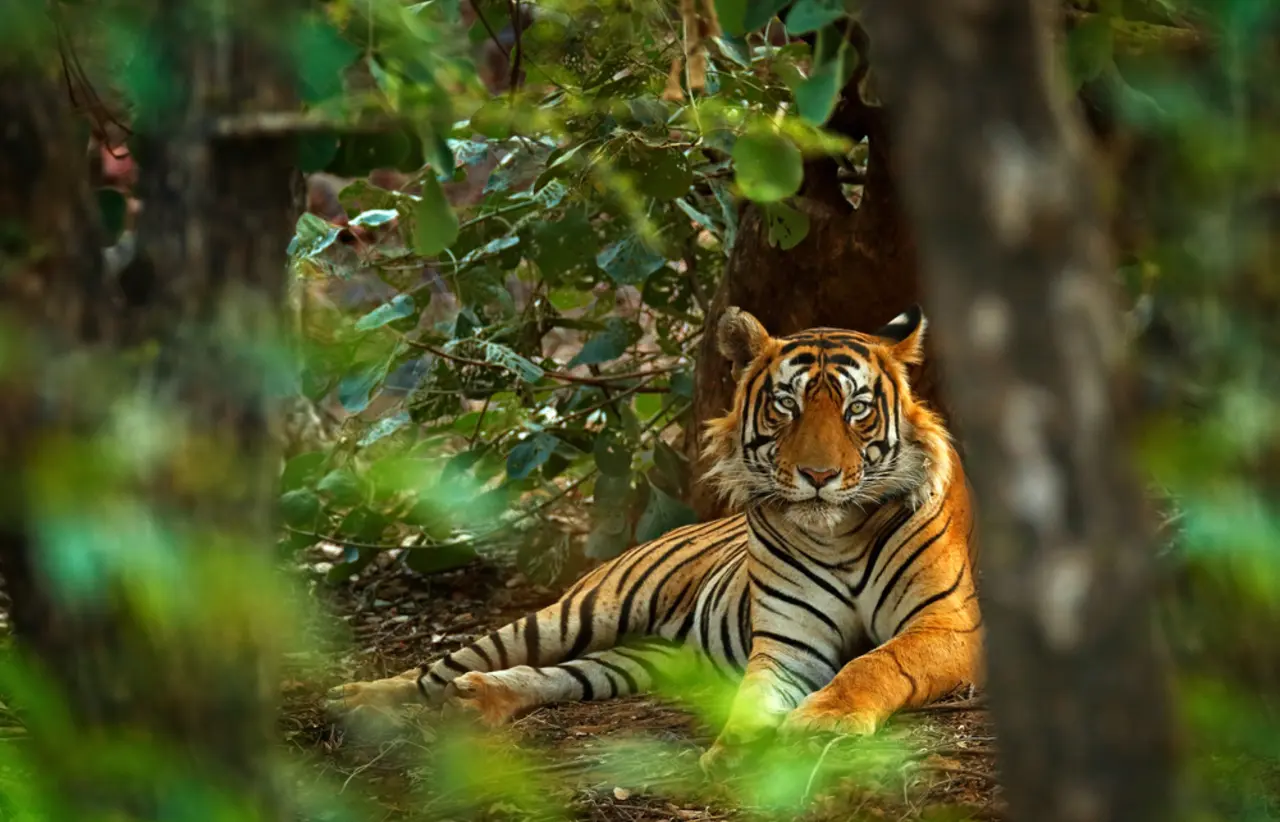
Tiger Conservation Coalition
We are a founding member of the Tiger Conservation Coalition, a global group of organisations with experts in wildlife crime, human-wildlife coexistence, policy, finance, development, and communications, working together to recover and safeguard wild tiger populations. Since it was established in 2020, the Coalition has already worked with the United Nations Development Fund to help develop a fund for businesses that contribute to the protection, restoration and sustainable management of tiger landscapes.
We are currently working with partners to develop a Tiger Impact Certificate to support the recovery of tiger populations in Salakpra Wildlife Sanctuary in Thailand. The scheme encourages investors to support tiger-friendly businesses – such as sustainable rubber and sugar producers – by offering financial returns on investments as tiger numbers within the region recover.
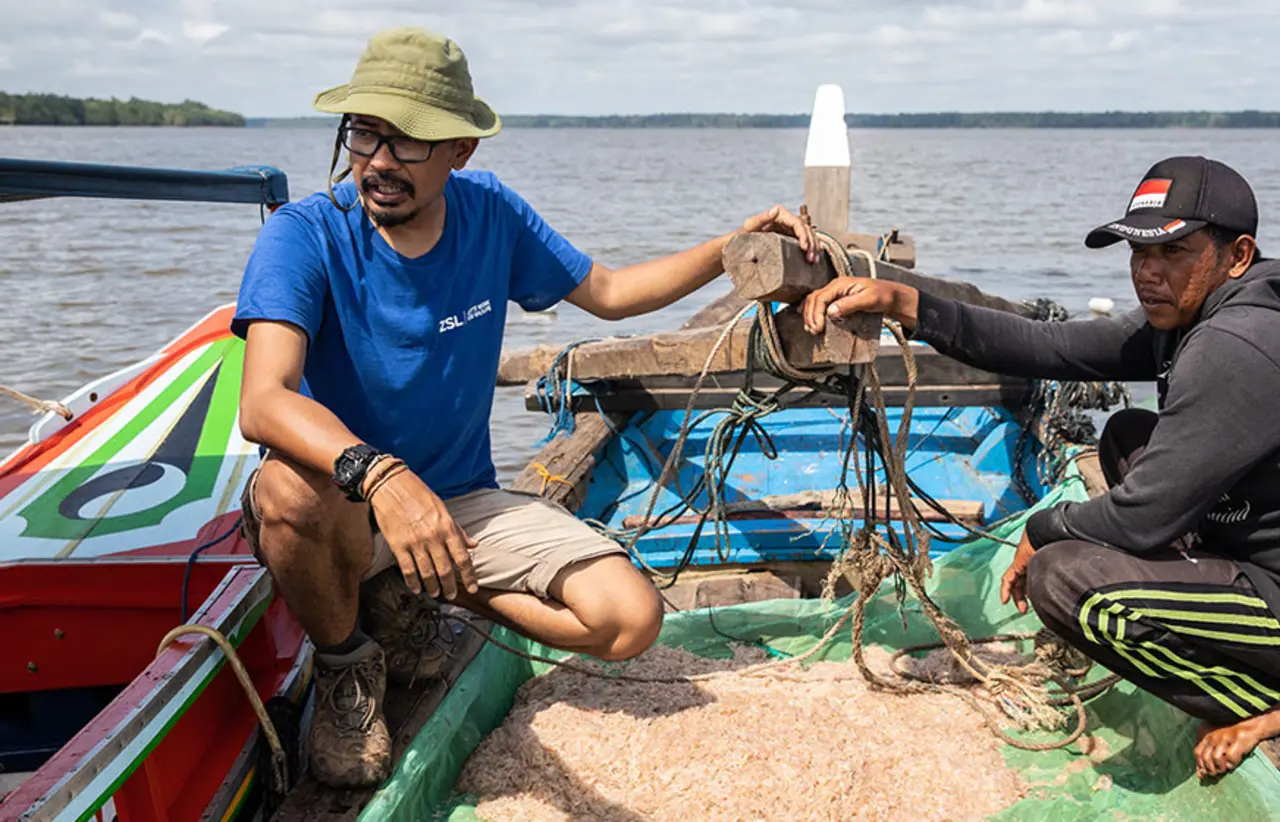
Indonesia
In Indonesia, we focused on restoring and connecting critical habitats for tigers on South Sumatra, where the loss of forests and peatlands to palm oil plantations, mining and logging has fragmented habitats for tigers and elephants. Through the KELOLA Sendang project, we brought together the Indonesian government, businesses and local communities, to create safer routes for wildlife movement, protect the carbon-rich forests, mangroves and peatlands they call home, and support local communities living alongside the region's wildlife.
WildCats Conservation Alliance
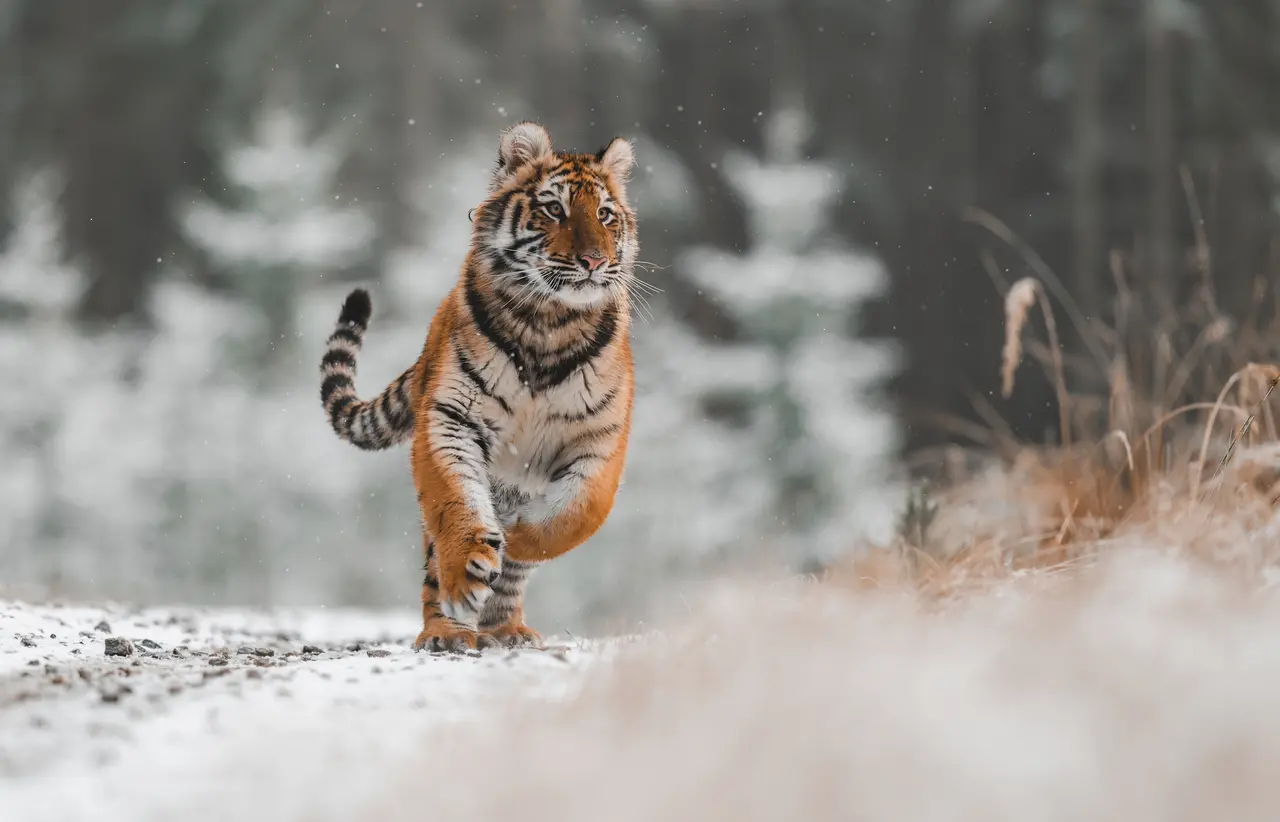
The WildCats Conservation Alliance is a joint initiative of us and Dreamworld Wildlife Foundation, which brings zoos, businesses, trusts and members of the public together to support tiger and Amur leopard conservation. Supporters have already helped channel more than £5 million into over 100 field projects across the tiger’s range, including work to prevent disease, reduce poaching and the illegal wildlife trade, improve and reconnect habitats, strengthen tiger monitoring and support communities living alongside wildlife. We also invest in the next generation of conservationists, helping early-career professionals develop the skills and experience needed to protect wild cats into the future.
Building a thriving future for people and wildlife
For us, today’s announcement is about more than growing tiger numbers. We believe that conservation should be both just and inclusive, and the news is a reminder that conservation depends on supporting the people that share lives alongside wildlife.
By ensuring that conservation action is fair, accountable, inclusive, respectful, ethical and reflective, we can ensure that our work has a positive impact on both the wildlife and people that we work with.
In cases where wildlife populations are showing signs of recovery, helping communities adjust to the increased chance of encountering wildlife is especially important. As wildlife populations recover and expand, so too does the risk of conflict between animals and communities. Taking time to understand people’s concerns and working with them to reduce the daily challenges associated with living alongside wildlife should be central to conservation efforts.
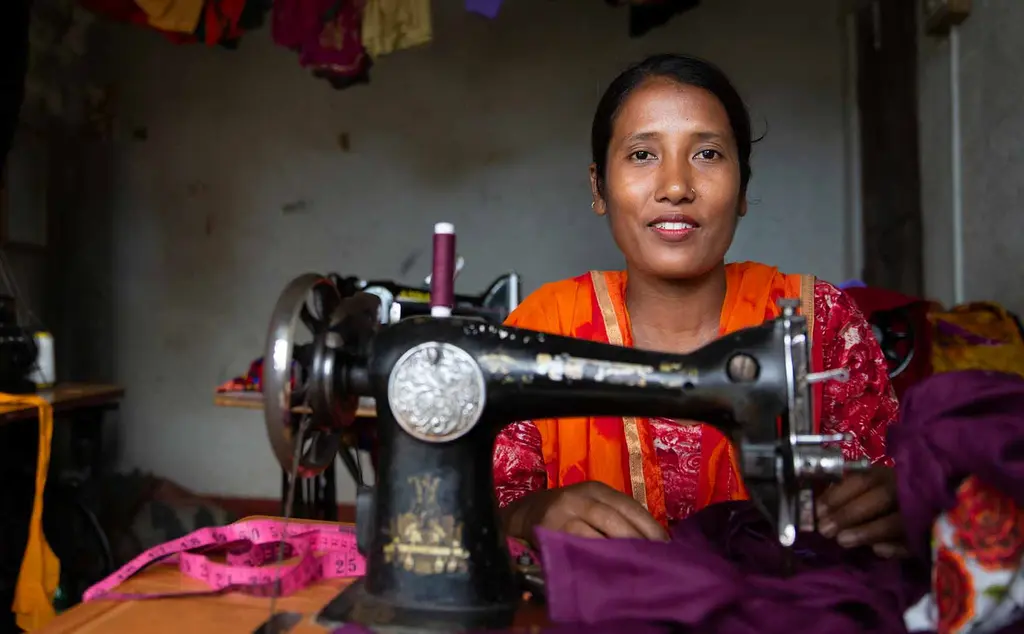
For example, in Nepal and India, consultations with community members to identify where support would bring the biggest benefits to them have already helped us empower communities across the region to develop alternative livelihood opportunities – reducing their reliance on forest resources and lowering the likelihood of encounters with wildlife.
These opportunities include training in goat farming, tailoring and plumbing, and seed funding for community-led cooperatives. We've also supported the introduction of a hydropower system and electric stoves to reduce families' reliance on firewood collected from nearby forests, helped build watchtowers to protect crops and livestock from wild animals, and empowered people to start businesses that provide a sustainable source of income while reducing pressure on natural habitats.
The future for nature across the globe
In the face of alarming declines in monitored wildlife populations across the globe, Nepal’s tiger recovery stands as a powerful example of what can be achieved through collaborative conservation. It also shows that long-term success is only possible if conservation work is carried out in collaboration with the people that live alongside wildlife.
In just a few months, world leaders will come together to assess progress towards global goals for people to live in harmony with nature by 2050. By working with local communities to find science-driven solutions that work for the people living alongside wildlife, we can recover nature across the globe.
At ZSL, we believe that nature can recover, and that conservation is most effective when driven by science. We work with people to improve co-existence with wildlife, safeguarding nature and creating a healthier, sustainable future for both wildlife and people.