






Written by
ZSL
Zoological Society of London
15 May 2025
Hattithala, a small settlement just six kilometers north of Nepal’s East–West Highway, borders the protected forests of Shuklaphanta National Park.
Once known for its dry terrain, high rates of male migration, and ongoing human–wildlife conflict (HWC), the community has undergone a quiet but powerful transformation under the Integrated Tiger Habitat Conservation Programme, implemented by the Zoological Society of London (ZSL) in partnership with the National Trust for Nature Conservation (NTNC).
For years, residents of Hattithala struggled with wild animals ravaging farmland, limited access to government services, and the migration of its male residents. But that began to change when ZSL introduced a suite of community-based interventions—placing local voices, skills, and resilience at the heart of the ITHCP III programme.
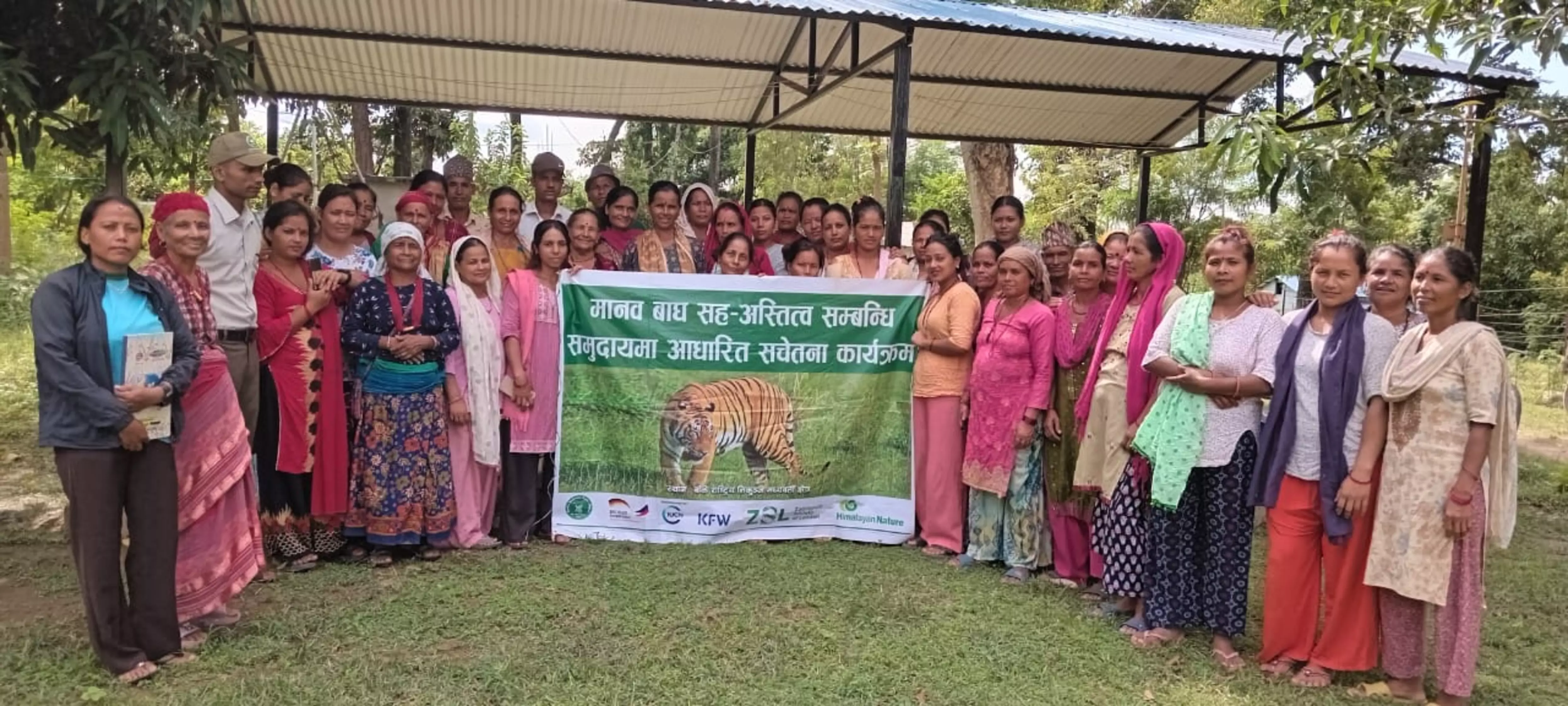
A subgroup of 223 households received NPR 690,000 in community capital to launch a monthly saving and loan system. The fund not only offered affordable credit but also instilled a culture of collective decision-making and accountability, delivered alongside training programs in tailoring, driving and plumbing, vegetable farming, and livestock management.
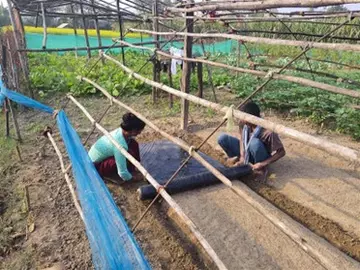
One resident, Amarbahadur Thapa, began with just five crates of vegetables. With support from the loan scheme, he rented more land and purchased a mini tiller. In just two months, he sold over NPR 300,000 worth of vegetables. “I could never have earned this much even if I had gone abroad,” he says proudly. Another, Chanchara Kumari Thagunna, once confined to household chores, now runs a clothing and grocery store after completing sewing training and receiving equipment support. With a stable income of NPR 20,000 per month, she feels empowered to contribute to the household and even dreams of expanding her skills through advanced tailoring training.
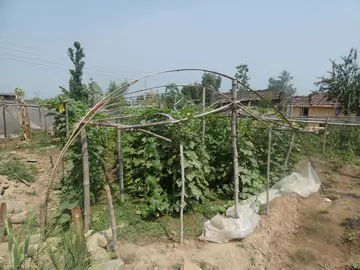
The impact has gone beyond income generation. It’s fostered a deeper shift in identity, community values, and conservation stewardship. "We used to be poachers. Now, we are protectors of our wildlife," says Ratanbahadur Bohra, a former hunter who now takes pride in his role as a conservation advocate. Meanwhile, local farmer Navraj Joshi, once ready to migrate abroad, chose instead to stay in Hattihala and rear buffaloes, now earning a steady income from milk sales. “If more programs like this are brought for youths, we’ll all stay back and build our villages,” he says.
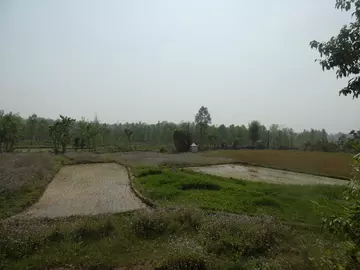
From conflict-ridden fields to flourishing farms, from silent households to self-sustained shops, Hattithala is now a symbol of resilience and rural revival. The road ahead will require sustained support and adaptation, but the ITHCP III project has already shown the potential of local communities when provided with the right tools, training, and trust. When conservation and community development go hand in hand, everyone benefits.
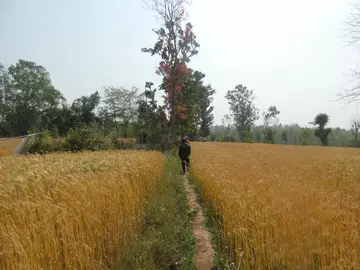
To learn more about the impact we are delivering for tigers, their habitats, and the people living alongside tigers, the three videos below tell the story of how we are helping to support coexistence with wildlife across the Terai Arc Landscape of Nepal.
Watch tower construction in Bardia National Park:
Hear from our ITHCP community beneficiaries living on the fringes of Bardia National Park, to understand how watch towers and fences implemented under the project have proved effective in protecting crops and livestock from wild animals.
Emergency relief following human wildlife conflict in Banke National Park:
Learn how emergency relief funds provided to communities in Banke National Park are helping residents cope with the impact of human-wildlife conflict.
Sustainable livelihoods in Hattithala village, Shuklaphanta National Park:
Hear the story of Amar Bahadur Thapa, a vegetable farmer in Shuklaphanta National Park, on how the projects' support has strengthened his agriculture-based livelihood, while also helping to mitigate human-wildlife conflict.
This project is supported by IUCN’s Integrated Tiger Habitat Conservation Programme, funded by the German Cooperation via KfW Development Bank. The contents of this article are the sole responsibility of ZSL and do not necessarily reflect the views of IUCN, the German Cooperation or KfW.