







31 October 2025
UN Climate Change Conference 2025 – UNFCCC COP30
10 November – 21 November 2025
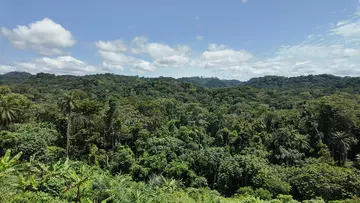
Don't let Halloween treats play a trick on our critical forests, urge the conservationists behind ZSL's latest assessment of transparency in palm oil supply chains.
The latest SPOTT assessment – which assessed transparency of 100 of the world’s top palm oil producers, processors and traders – found that only 51% of assessed companies publicly share evidence of monitoring deforestation, despite palm oil’s current status as one of the major drivers of deforestation worldwide.
The lack of transparency around implementation means many palm oil suppliers still cannot demonstrate to prospective customers and investors that their product isn't turning thriving forests into ghostly graveyards – putting global markets and critical ecosystems all at risk.


Tree frog & emerald tree boa in the Amazon (David Johnston)
As families gear up for Halloween celebrations this weekend, the team behind the report urge anyone keen to ensure their spooky sweets and snacks use sustainably grown palm oil look out for products with the Roundtable on Sustainable Palm Oil (RSPO) Trademark, or use the PalmOil Scan App to identify if a product contains RSPO Certified Sustainable Palm Oil.
Imogen Fanning, Sustainable Business Advisor at ZSL who led the assessment, said: “Protecting our planet’s tropical forests is about securing a future that benefits people, businesses and wildlife alike. We’re all interconnected. Palm oil plantations need stable climates to grow, but the unsustainable loss of carbon-storing trees and peatlands accelerates climate change and drives more extreme weather – putting the entire industry at risk, eroding supply-chain resilience, undermining livelihoods and threatening food security.
“Up to 40% of supermarket products contain palm oil, meaning this ingredient is part of our everyday lives - yet unsustainable practices put everyone at risk. By supporting sustainable palm oil production and instead protecting the world’s forests, investors and consumers alike are helping create a more secure future.”
The team is also calling on the palm oil sector to step up their responsibilities around transparency and implementation of sustainability commitments – and in doing so, support a better future for people and planet.


Fresh bunches of palm oil fruit
The assessment is published ahead of the UN Climate Change Conference in Brazil, where the crucial role of forests and our progress in protecting them will be central to discussions around safeguarding a more secure future for all.
SPOTT palm oil assessments over the last eleven years have revealed continued progress in the number of companies making zero-deforestation commitments. In 2017, 29 out of 50 assessed companies reported commitments to ending deforestation. Today’s assessment reveals that 54 out of 82 companies have now made these commitments.
However, the assessment also reveals that key traceability gaps remain, with only 18% of companies reporting they can fully trace their supplies to plantation origin, undermining their ability to track risk of deforestation in suppliers’ operations.
The assessment is published a fortnight after the Forest Declaration Assessment 2025 identified that the world is off track by 63% in meeting goals to achieve zero deforestation by 2030. ZSL’s Living Planet Index, published last year in WWF’s Living Planet Report 2024, highlighted how habitat loss is a major driver behind a 73% average decline in monitored wildlife populations between 1970 and 2020.
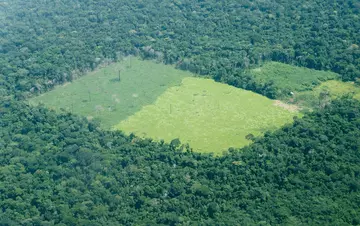
Agriculture as a whole is responsible for over 90% of global tropical deforestation, with palm oil, soy and beef among the biggest contributors.
Much of the land used for palm oil production has involved conversion of the dense, biodiverse rainforests of Southeast Asia – primarily in Indonesia and Malaysia. Some of the areas most at risk of further expansion are in West and Central Africa and in South and Central America – including Brazil, where the UN Climate Change Conference will be held.
Imogen added: “Our goal is to support suppliers and buyers to create a sustainable future for both their businesses and the planet. That future depends on resilient supply chains that protect the people and wildlife that underpin them – and that all begins with greater transparency around company practices, giving buyers and investors the insight they need to make responsible, informed decisions.”
Buyers and investors can push for greater transparency by demanding stronger traceability to plantations, and sourcing palm oil under the Identity Preserved or Segregated supply chain models to ensure the separation of certified and non-certified palm oil. Investors and financiers can set clear traceability performance criteria, engage companies to monitor deforestation, pressure for progress, and promote sectoral collaboration.
ZSL is dedicated to building a world where people and wildlife can thrive, and the SPOTT assessments are one part of their work to support businesses and financial institutions in meeting their commitments and regulatory requirements to protect the ecosystems we all rely on.
The 2025 Palm Oil Assessment marks a pause in the SPOTT assessments while the team review how best to further this mission over the coming years, which will be funding dependent.
Nature can recover
ZSL believes nature can recover, and that conservation is most effective when driven by science. We call for science to guide all global decisions on environment and biodiversity and build a healthier future for wildlife, people and the planet.