







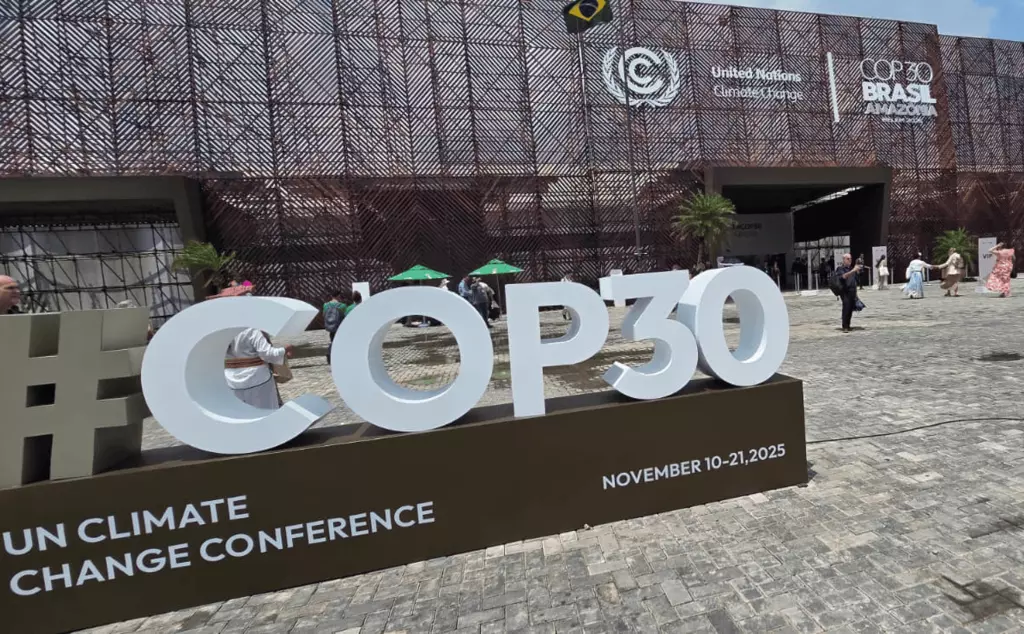
After two weeks of intense negotiations at COP30 in Brazil with high expectations for nature and forests, what has been achieved?
Nature and forests were front and centre of the narrative, buoyed by Brazil's leadership and global attention. Significant financial pledges were announced for Brazil’s Tropical Forest Forever Facility (TFFF) and the Congo Basin and there was huge political support for a deforestation roadmap. Encouragingly, synergies across the Rio Conventions featured prominently for the first time in the negotiations, laying a foundation for deeper integration and future progress.
However, the negotiations still fell short of matching the external momentum and expectations. The roadmap on deforestation remains outside the negotiated outcomes, and outcomes on nature-climate synergies were weaker than hoped.
Ambition without action is insufficient. While commitments have moved the needle and nature is increasingly at the table, the gap between ambition and implementation remains.
The opportunity for people and planet
We know that climate change and biodiversity loss are not separate challenges; they are two sides of the same crisis.
A stable climate depends on healthy ecosystems, and thriving biodiversity requires action to tackle climate change.
Nature-based infrastructure for climate resilience is 50% cheaper than human-made solutions. Yet key ecosystems such as the Amazon and tropical coral reefs are showing signs of crossing irreversible tipping points, the risk growing with every fraction of a degree of warming.
Despite this interdependence, nature is often a footnote in climate negotiations, and global action continues to be fragmented and siloed. The 2025 UN Climate Change Conference, known as COP30, had the opportunity to be the turning point, when nature moves from the margins to the centre of global climate governance, delivering shared benefits for climate, nature, and people.
ASK: A space for nature in the climate negotiations
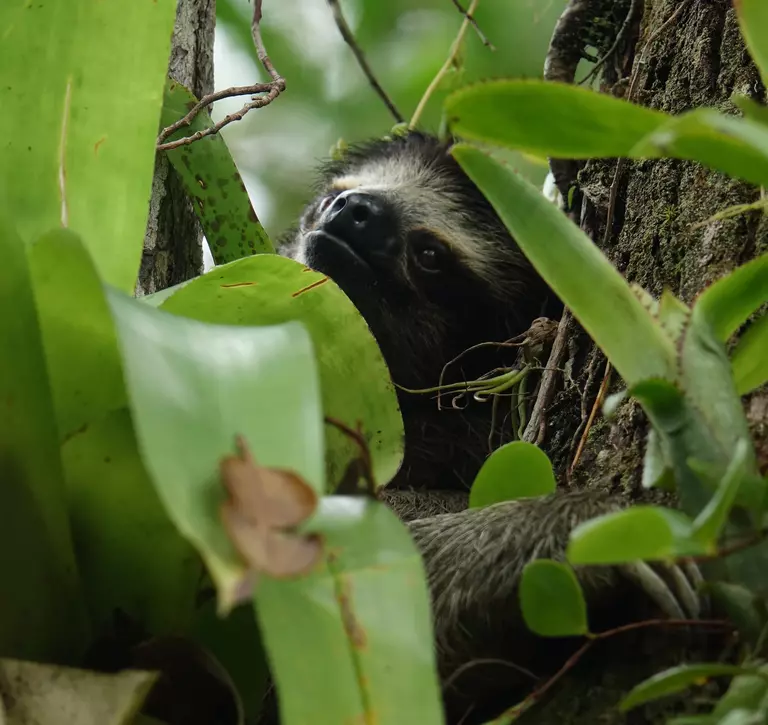
What we wanted: A permanent space within the UNFCCC to advance synergies across the Rio conventions.
The UNFCCC (Climate Change), CBD (Biological Diversity), and UNCCD (Desertification), collectively known as the Rio Conventions, were established over 30 years ago with a shared purpose: to safeguard a liveable planet and promote sustainable development.
Countries had a critical opportunity to underscore and reconnect that shared purpose by establishing a permanent space within the UNFCCC to advance joined-up decision-making and action between the climate, biodiversity, and land agendas beyond COP30. This has the potential to unlock practical solutions that will make our collective efforts smarter, faster, and more effective.
What was achieved: Despite considerable efforts, negotiations fell short of delivering a substantive outcome on synergies, but momentum on the topic continues to grow.
However, the conversation has evolved significantly: momentum is building, awareness is growing, civil society engagement is widespread, and political champions are stepping forward. Synergies have moved from being a marginal issue with little attention to a central topic of discussion. The Belém Joint Statement by the past and upcoming presidencies of the UNFCCC, CBD, and UNCCD, signed at COP30, underscores the importance of integrated approaches, agreeing to work together to find solutions. While COP30 did not achieve the level of ambition needed for climate–nature synergies in the decision text, nature is now firmly at the negotiating table, and discussions will continue next year.
ASK: Finance for forests
What we wanted: The successful launch of the Tropical Forest Forever Facility with governments and private sector support.
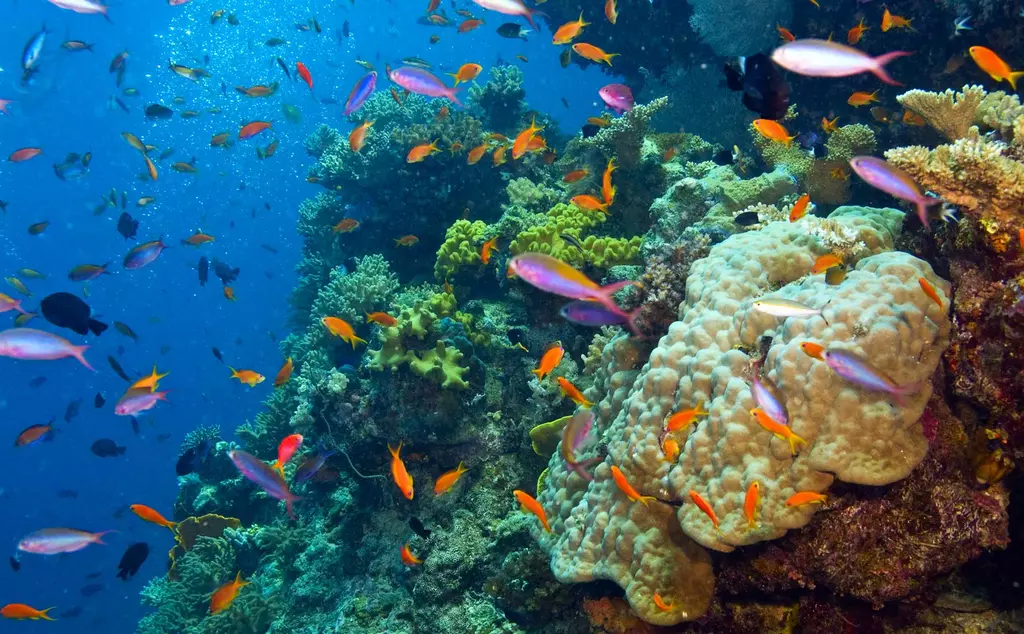
Tropical forests are critical for consistent rainfall, climate regulation, food security, and global biodiversity. Yet they are profoundly undervalued. Scaling up finance for biodiversity remains an urgent challenge, with the global biodiversity finance gap estimated at $700bn a year.
The TFFF could be a transformative solution to both these problems. It aims to reward countries protecting forests through long-term, results-based finance, with 20% for Indigenous Peoples and Local Communities.
What was achieved: Over USD6.7bn was announced for the TFFF and 53 countries endorsing it so far.
The UK hasn’t yet committed finance to the facility but has stated ongoing support for the initiative. In total, finance for forests reached over USD9bn, more than at any other climate COP.
ASK: An action plan for deforestation
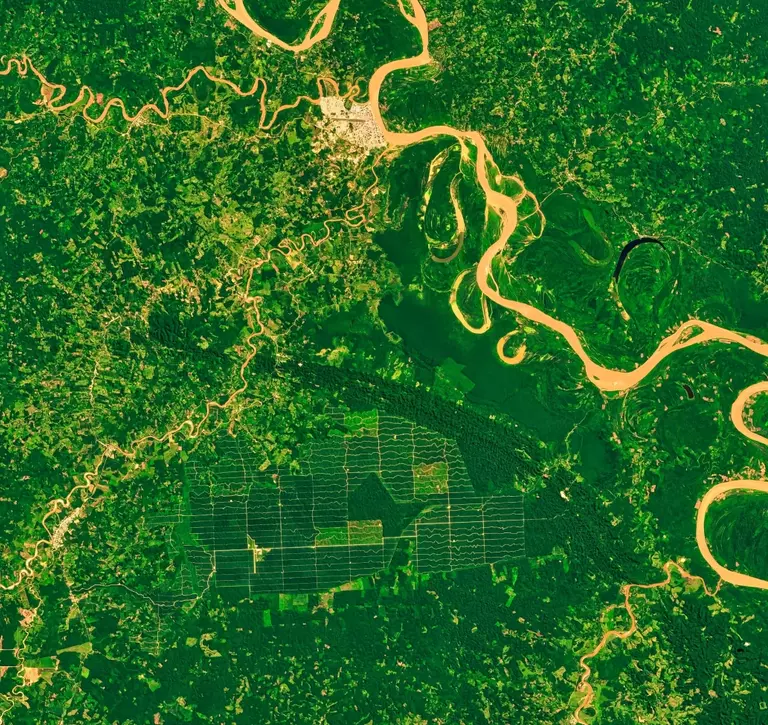
What we wanted: An agreed plan for the 2023 Global Stock Take target “to halt and reverse deforestation and forest degradation by 2030, and other terrestrial and marine ecosystems”.
What was achieved: The final text championed by the Presidency, disappointingly, contains only a single reference to deforestation.
Despite strong momentum for a deforestation roadmap as a core outcome from COP30, it was ultimately excluded from the final text. However, political momentum for action was significant, and over 90 countries rallied behind the need for a 2030 roadmap. Brazil will now take this forward and lead a global roadmap on halting and reversing deforestation in its presidency year.
ASK: Nature and adaptation metrics
What we wanted: Nature-specific indicators included in metrics for The Global Goal on Adaptation, and a new Adaptation Finance Goal
We know healthy ecosystems are critical for ensuring a resilient future. The Global Goal on Adaptation sets out to create a more resilient world, so it is essential that nature-specific indicators and targets are at the heart of the framework.
What was achieved: A significantly reduced set of indicators has been agreed, with those that focus on nature retained.
Unfortunately, last minute changes were made that do not reflect the expert inputs over the previous two years and could undermine their credibility. They will continue to be refined at future negotiations, with additional technical work required. A new target was also agreed to triple adaptation finance by 2035.
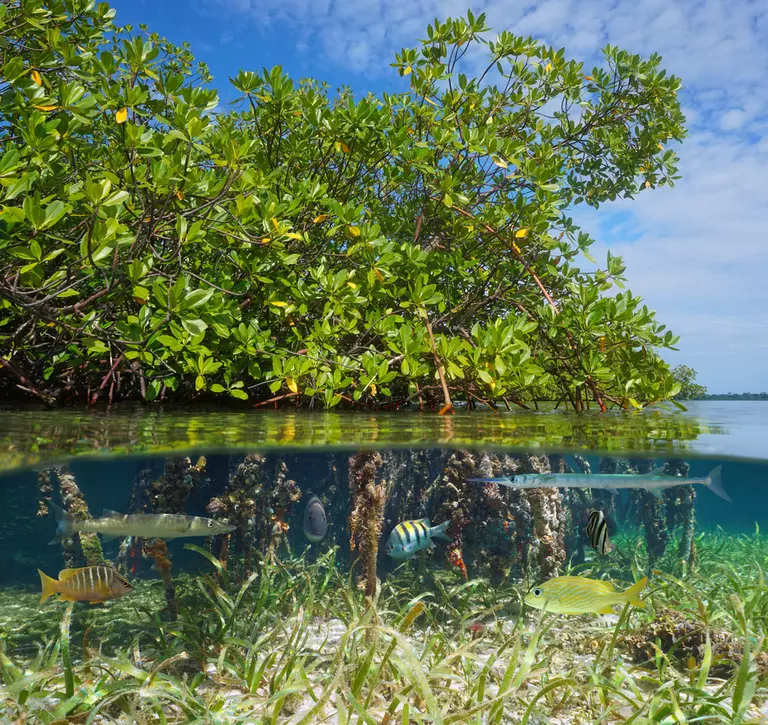

Nature at the heart of global climate action
Outside of the negotiations, there were commitments, launches, and events from business and civil society that can all contribute to bringing nature and climate action closer together.
Notable commitments include:
- The Belém Call to Action for the Congo Basin Forest which committed to raising over $2.5 billion over five years to support protecting Congo Basin forests.
- Intergovernmental land-tenure commitment to collectively recognise 160 million hectares of Indigenous Peoples and Local Communities lands in tropical forest countries. Philanthropy and donors agree to a five-year Forest and Land Tenure pledge $1.8bn in support for conservation of their territories.
We believe nature can recover, and that conservation is most effective when driven by science. We call for science to guide all global decisions on environment and biodiversity and build a healthier future for wildlife, people and the planet.