






29 September 2025
ZSL is home to world-leading conservation expertise, with a strong commitment to sharing it. Many of our experts are not only researchers, vets or field biologists, but also mentors and teachers, passing on their knowledge to the next generation of people working to protect wildlife.
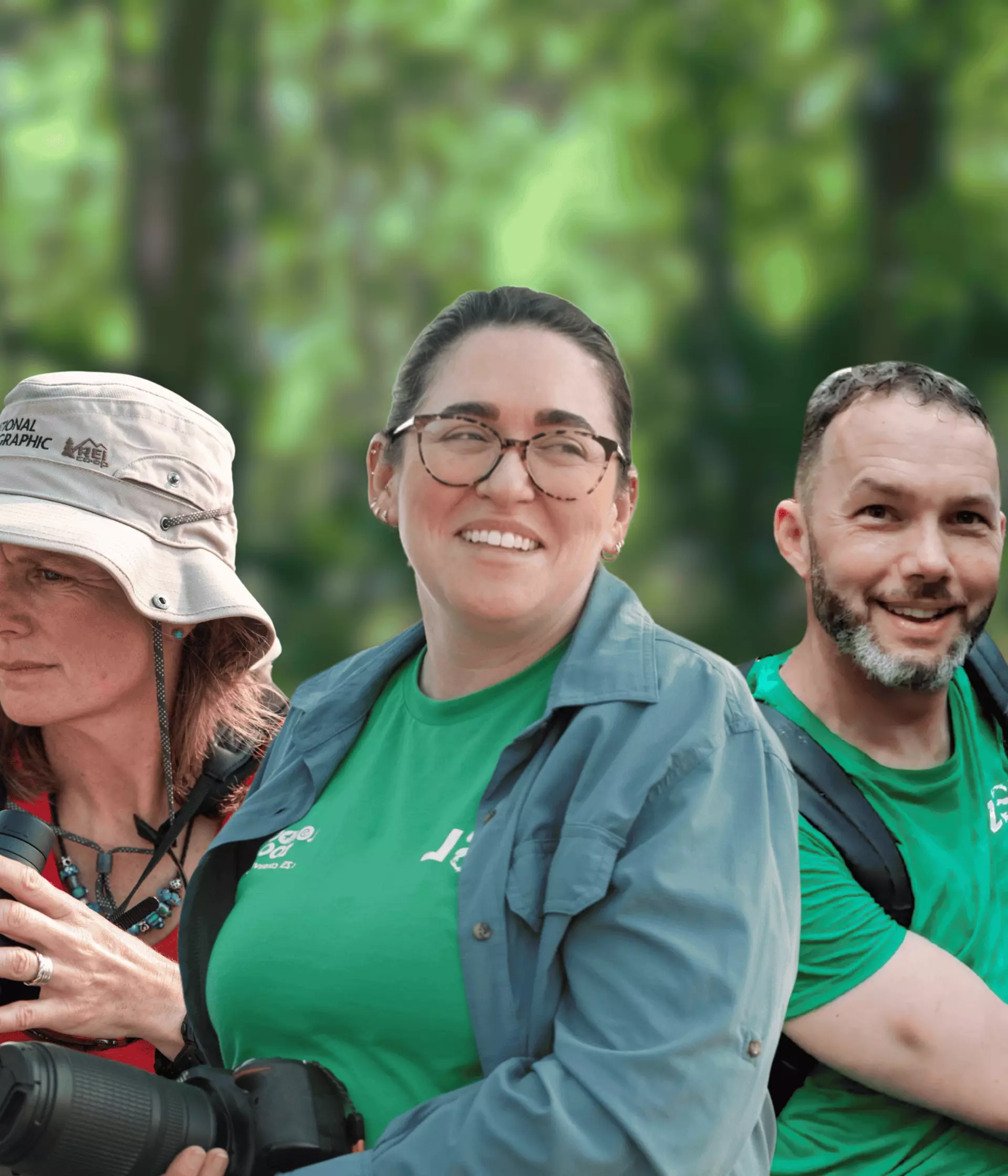
Across oceans, forests and zoos, our teams are equipping future conservationists with the skills, science and mindset needed to protect the natural world. Meet three of them: Heather Koldewey, Ben Tapley and Amanda Guthrie — leaders in marine conservation, amphibian protection and wildlife health — whose work is shaping both species survival and future careers.
What's one skill or mindset you'd want every future conservationist to learn?
"To be genuinely collaborative and look for solutions in new places with new partners. As a wonderful Sri Lankan colleague, Dr. Asha de Vos, wisely said, 'Conservation is about building the biggest team in the world.'" — Heather Koldewey
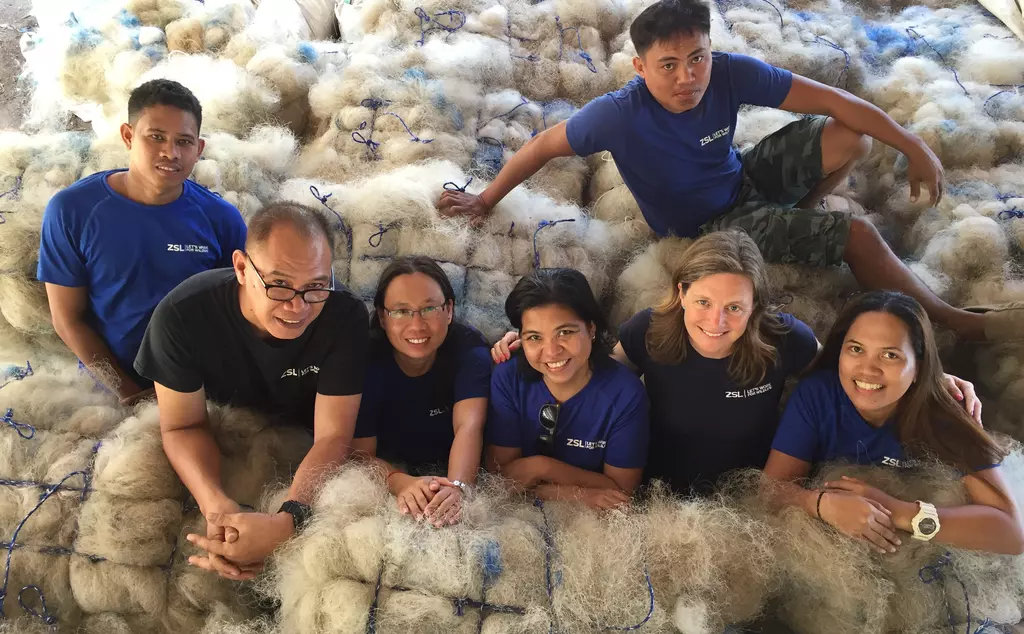
Heather is our Lead for the Bertarelli Foundation Marine Science Programme, with a career spanning science, policy and partnership. She co-founded Project Seahorse, helped establish our Philippines office, and has worked on everything from mangrove restoration to ocean plastics and sustainable supply chains. Through it all, she’s mentored early-career marine scientists and led conservation efforts across the Indian Ocean.
“Share your failures as well as your successes. Conservation is complex, and we learn just as much, if not more, from what doesn’t work. When we’re open about that, we help each other do better.”
— Ben Tapley
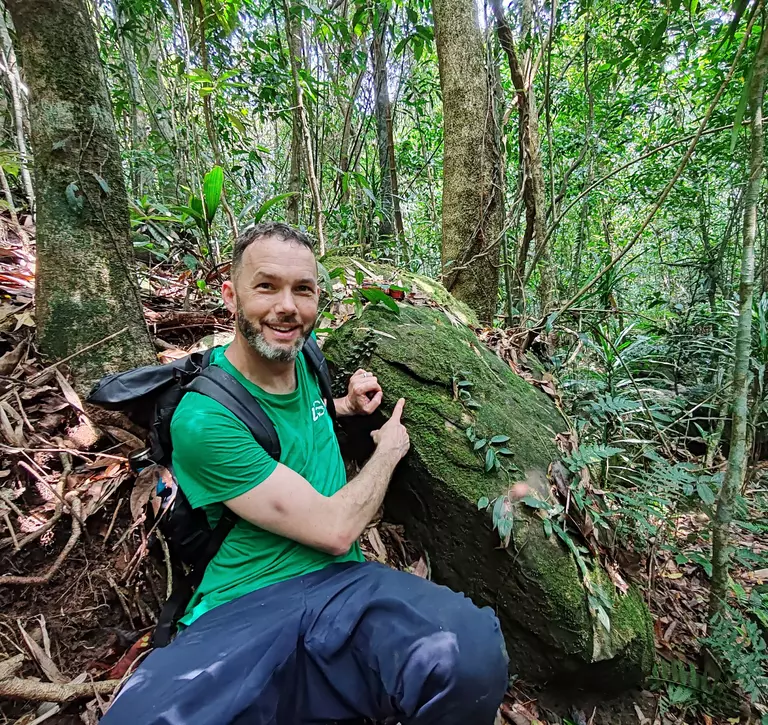
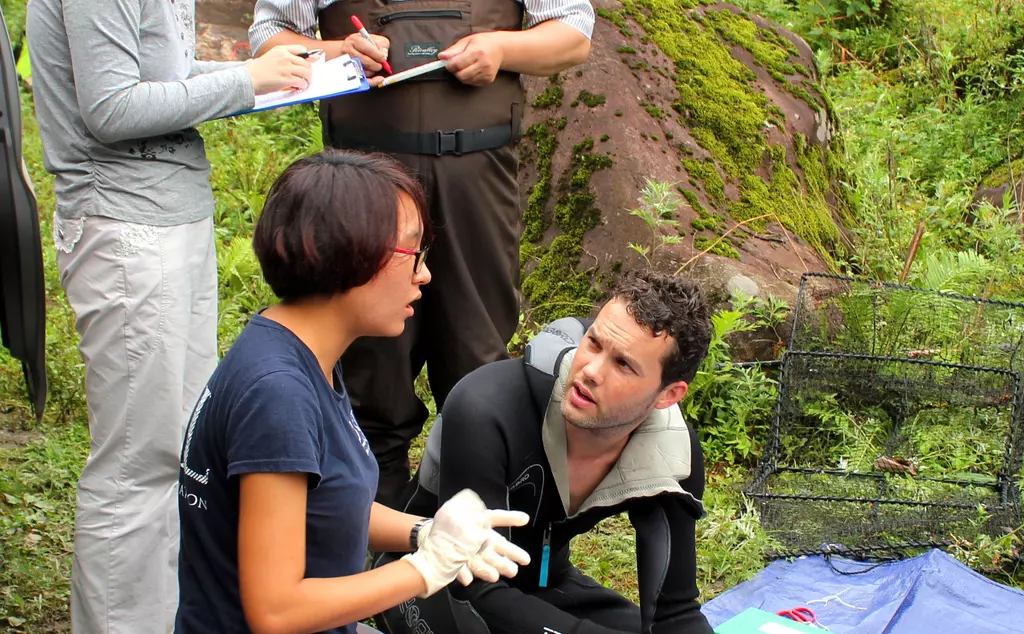
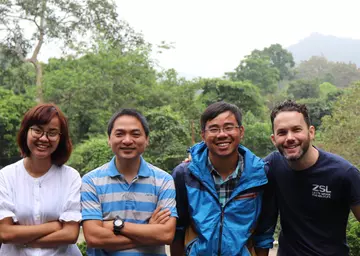
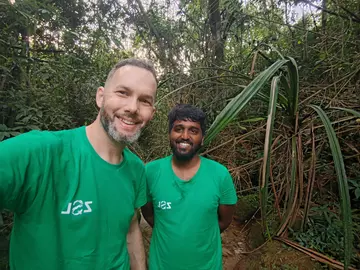
Ben in Meghalaya (left) and Shaanxi Province (right).
Ben is our Curator of Reptiles and Amphibians, with a special focus on the conservation of overlooked and highly threatened species. He’s led efforts like the first-ever captive breeding of the Critically Endangered Lake Oku frog, and the rescue and successful breeding of Darwin’s frogs after a devastating disease outbreak. He also supports early-career conservationists around the world through species recovery projects and mentoring.
"One of the most important mindsets is being open to learning from every situation, whether it’s from your peers, your patients, or the places you work in. The best conservation vets never stop learning, and they’re generous about sharing what they know with others.”— Amanda Guthrie
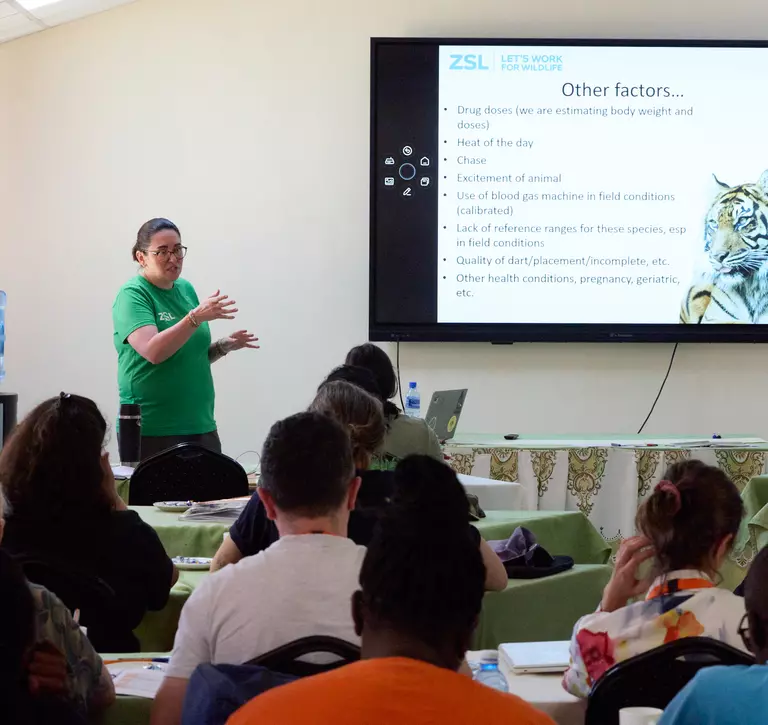
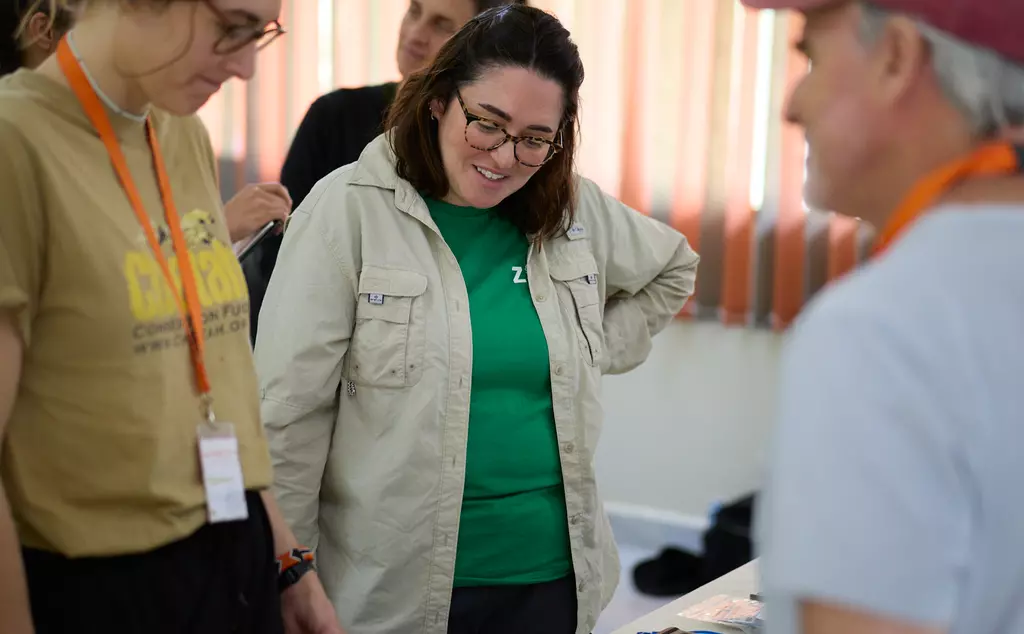
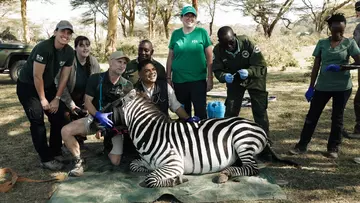
Amanda at the 2025 IWAH course in Kenya.
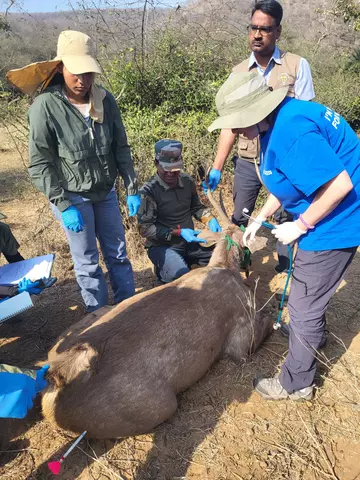
Amanda is our Head of Wildlife Health Services, overseeing veterinary teams at London and Whipsnade Zoos. She also co-leads the internationally respected Interventions in Wild Animal Health (IWAH) course, which trains wildlife professionals in field anaesthesia, diagnostics and conservation medicine, building essential skills to protect animals in the wild.
How does your work help build conservation capacity beyond ZSL?
For each of these experts, training others isn’t a side project, but rather embedded in the work they do every day. Whether it’s sharing techniques in a rainforest, mentoring a zoo-based keeper, or teaching clinical skills in the field, their aim is to make conservation knowledge travel.
“We train conservation biologists from all over the world, from India, Ghana, Cameroon and Madagascar to Vietnam and Dominica, in amphibian and reptile care. That way, these skills are transferred to regions where the most threatened species live.” —Ben Tapley
“My responsibility is to teach best practices for everything from field anaesthesia to health monitoring. We do this by gently immobilising animals in the field to gather health data, and train wildlife vets to apply those same methods in their own countries.” — Amanda Guthrie
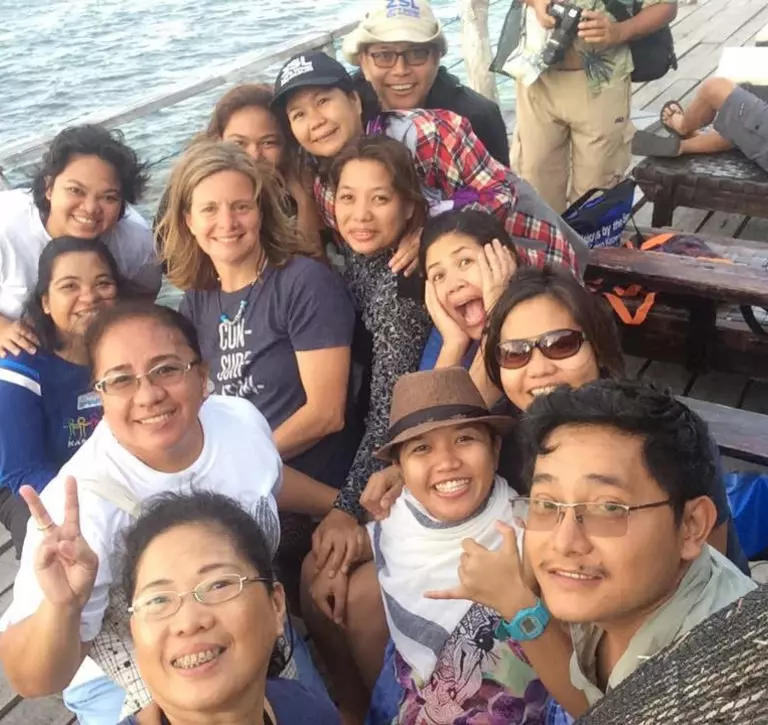
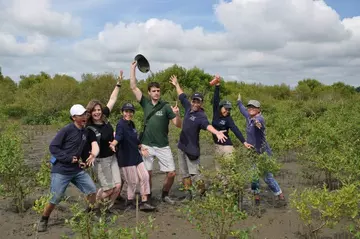
“Our mangrove restoration work in the Philippines is now championed by local leaders who were trained by ZSL. One site I visited started as a muddy pond and is now a thriving forest. That kind of local ownership is the ultimate goal.”— Heather Koldewey
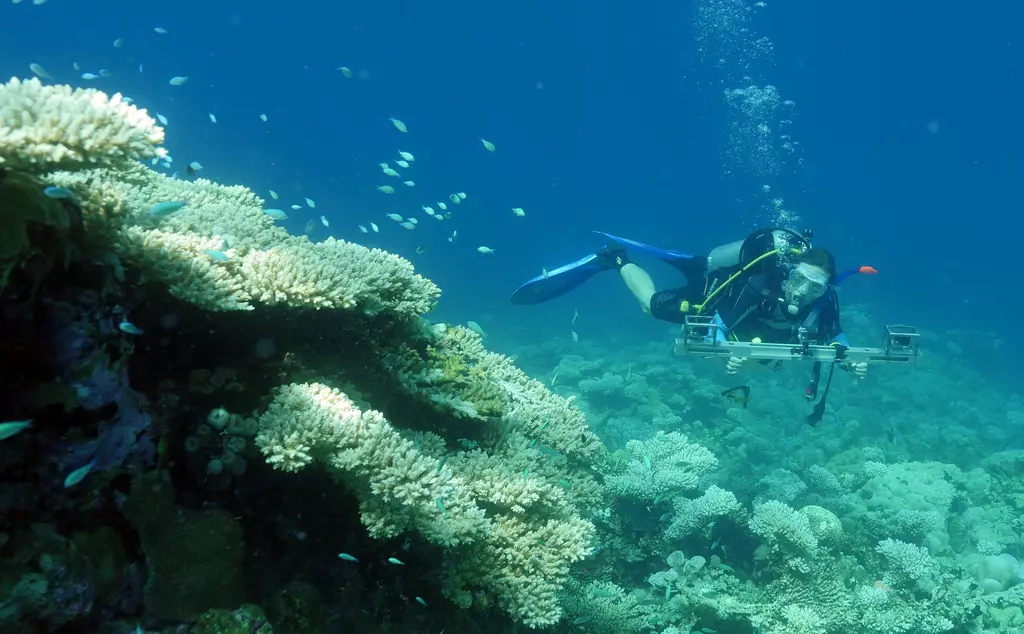
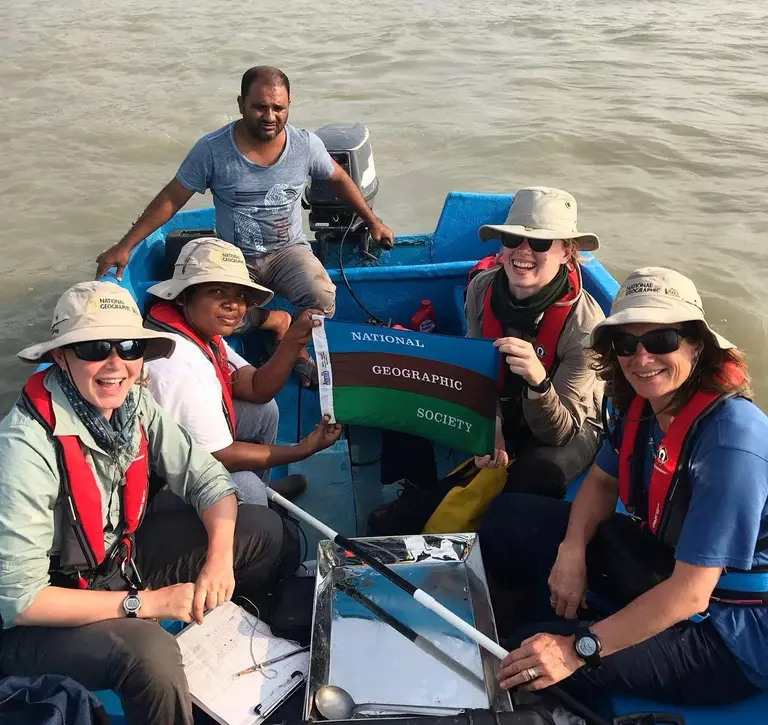
Heather (right) in the Chagos Archipelago, 2016.
What inspires you to keep going, even when conservation feels difficult?
The work can be challenging, but what keeps Heather, Ben and Amanda going is the chance to support others and see the impact of that ripple outward.
“Wherever I go, I meet incredible people making a difference, often in more challenging circumstances than I live or work in. If they can keep going, then so can I.” — Heather Koldewey
“Working with EDGE Fellows has been hugely rewarding. Many of them now lead major projects, and we continue to collaborate. Watching them grow into leaders is one of the most fulfilling parts of my job.” — Ben Tapley
“Teaching a variety of enthusiastic wildlife veterinarians keeps me motivated. Seeing their skills develop, and knowing they'll use them to protect wildlife around the world, is a real privilege.” — Amanda Guthrie
Shaping the Future
Our global impact isn’t just measured in species protected or habitats restored, but in the people we empower to carry that work forward. Whether it’s training a mangrove ecologist in the Philippines, a reptile keeper in Kenya or a field vet in Rajasthan, our mission to train conservationists is helping build a more resilient future for nature.