






In the fifth event of the Wild Talks series, join us to hear about how advances in technology impact wildlife conservation outcomes.
From chalk marks on a hill to satellites in space, conservation has always been driven by innovation. Discover how ZSL scientists are creating and using technologies - high-tech and low-tech - to protect species, and what the next ‘grand design’ could mean for the future of wildlife.
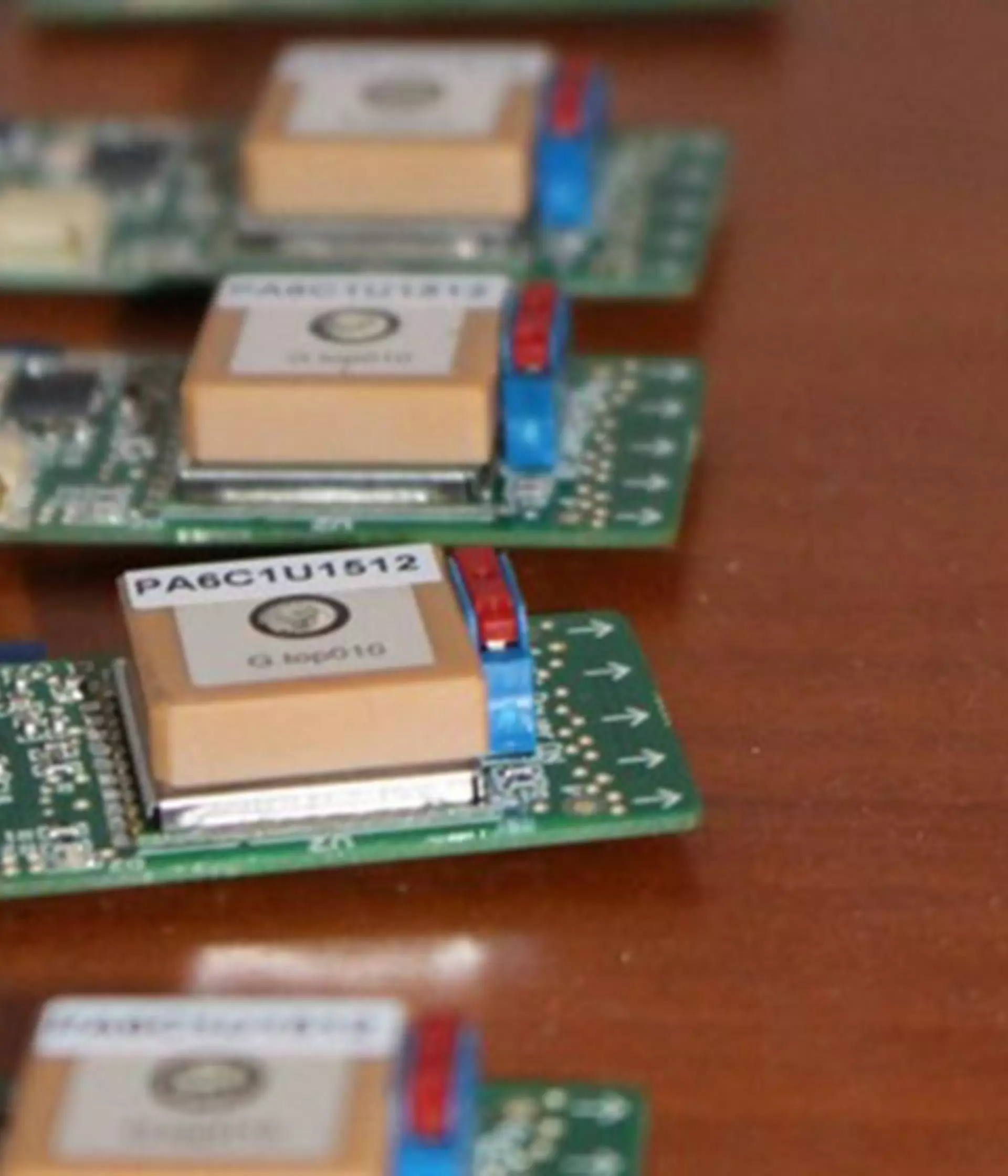
From deep-sea surveys to machine learning, the presentations, panel discussions and Q&A at this event will showcase how novel and established technologies can improve our understanding of the natural world.
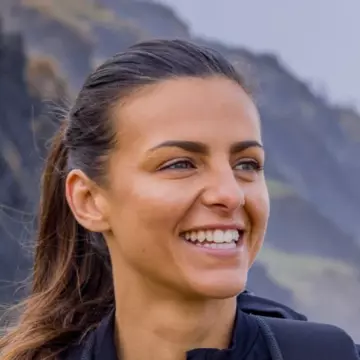
Hosted by Lizzie Daly, wildlife biologist, filmmaker and presenter
|
| Lizzie Daly is a renowned wildlife biologist, TV presenter, and filmmaker. As an experienced underwater and topside cinematographer, as well as drone operator, Lizzie shoots much of her own content, both for broadcast and her online community. Holding a PhD, she uses cutting-edge tag technology to study animal movements in changing landscapes. Lizzie also co-hosts the That's Just Wild podcast alongside Steve Backshall and Sarah Roberts. |
Speakers and talks
Deep & Cheap: a low-cost camera system to democratise deep-sea science, Dr Stephen Long, Postdoctoral Research Associate, Institute of Zoology, ZSL
- Dr Stephen Long's work aims to support global biodiversity monitoring and supports the co-existence between wildlife and people. Stephen's research gathers the data required to support evidence-based management marine resources. For example, developing a low-cost towed camera system for deep seabed surveys with the Deep & Cheap project, identify vulnerable marine habitats and assess the impacts of fishing. Using social science approaches, he critically assesses the governance of fisheries and marine protected areas (MPAs) to inform the work of government, industry and NGOs.
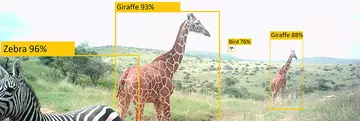
Deciphering seascapes: How tracking and AI reveal the lives of ocean predators, Dr Robin Freeman, Lead of the Conservation AI Lab, Institute of Zoology, ZSL
- Dr Robin Freeman is a Senior Research Fellow at the Institute of Zoology, ZSL, where he leads the Conservation AI Lab, developing new approaches to predicting biodiversity change. His research focuses on understanding and predicting global biodiversity change using ecological data science, machine learning and AI. Robin has played a key role in the development and application of global biodiversity indicators, including the Living Planet Index, produced in partnership with WWF, which tracks trends in vertebrate populations worldwide.
Using Earth Observation to unlock coastal conservation opportunities, Dr Clare Duncan, Research Fellow, ZSL
- Dr Clare Duncan is a Research Fellow in ZSL's Institute of Zoology and Conservation and Policy Department. Clare's research in quantitative ecology and conservation science has led to her interest in identifying effective ecosystem-level conservation solutions, and in understanding the resilience and function of ecosystems and the services they can deliver for global environmental change, with a particular focus on mangrove habitats. Clare uses remote sensing technologies to conduct ecosystem assessments to aid conservation decision‐making.
Attending this event
- This Science and Conservation Event is free to attend but registration is required so we can monitor attendee numbers.
- The event will feature talks from the speakers, followed by a Q&A discussion panel. It will run from 6-7:30pm, and doors will open at 5:30pm.
- In-person seats are allocated on a first-come, first-served basis.
- Venue: Huxley Lecture Theatre at the Meeting Rooms of the Zoological Society of London, Regents Park, NW1 4RY.
- Travel: Nearest underground: Camden Town Station; Nearest bus: no. 274.
- Recording disclaimer: The presentations and Q&A session will be filmed during this event, and the recording published on our Science and Conservation YouTube channel afterwards. Please be aware that by attending this event you consent to be filmed or your voice to be recorded during the Q&A session, which will be included in the published video.
About Wild Talks
Step into 200 years of discovery and innovation for wildlife.
As part of ZSL’s 200th anniversary celebrations, join us for Wild Talks, a special free lecture series exploring the biggest questions in wildlife science and conservation - past, present and future.
Over six evenings in 2026, world-leading scientists, conservationists, and guest speakers will explore how our understanding of nature has evolved over the past 200 years, from Darwin and other early trailblazers to today’s cutting-edge work protecting species across the globe.
Expect fascinating talks, fresh perspectives, and lively panel discussions on everything from the role of women in science, to the power of technology, to the conservation success stories that give us hope for the future.
Whether you’re a lifelong wildlife lover, a student of science, or just curious about the natural world, these talks will inspire you to see nature - and ZSL’s legacy - in a whole new light.
And if you enjoy these, check out more of our free science lectures – which take place each month at ZSL HQ.
Further Information
- Read the ZSL Science and Conservation Events sustainability guidance
- For enquiries about this event, please email scientific.events@zsl.org.
- For press enquiries, please contact the ZSL Press Office: press.office@zsl.org.
- Listen to our ZSL Wild Science podcast or subscribe on your favourite podcast app.
- Follow us on X @ZSLScience to hear about new publications from our researchers, upcoming events and podcast episode releases.
- Follow us on Facebook @ZSLScienceAndConservation to receive notifications about new events.
- To catch up on all our recorded previous events, you can subscribe to our YouTube channel.
- For more information about how to join the ZSL Fellowship programme and engage with a network of thousands who are shaping the future of conservation.