









Project collaborators
Chris Yesson
Senior Research Fellow
Dr Stephen Long
Post-doctoral Research Associate
Developing a low-cost drift camera to democratise deep-sea scientific research and empower a global community of users.
Deep seas (depths >200m) cover 65% of the planet’s surface and are Earth’s largest and most poorly known biome. They are inherently inaccessible making research expensive, typically requiring highly specialised technologies, technicians and vessels.
The Global Deep Sea Capacity Assessment found 198 countries have deep sea but the majority lack technological capacity to collect imagery. Consequently, less than 0.001% of the deep-sea floor has been directly visually observed (equating to an area just a tenth of the size of Belgium). The status quo is inequitable and a barrier to our fundamental understanding deep-sea species, communities and habitats, which is critical to inform evidence-led conservation.
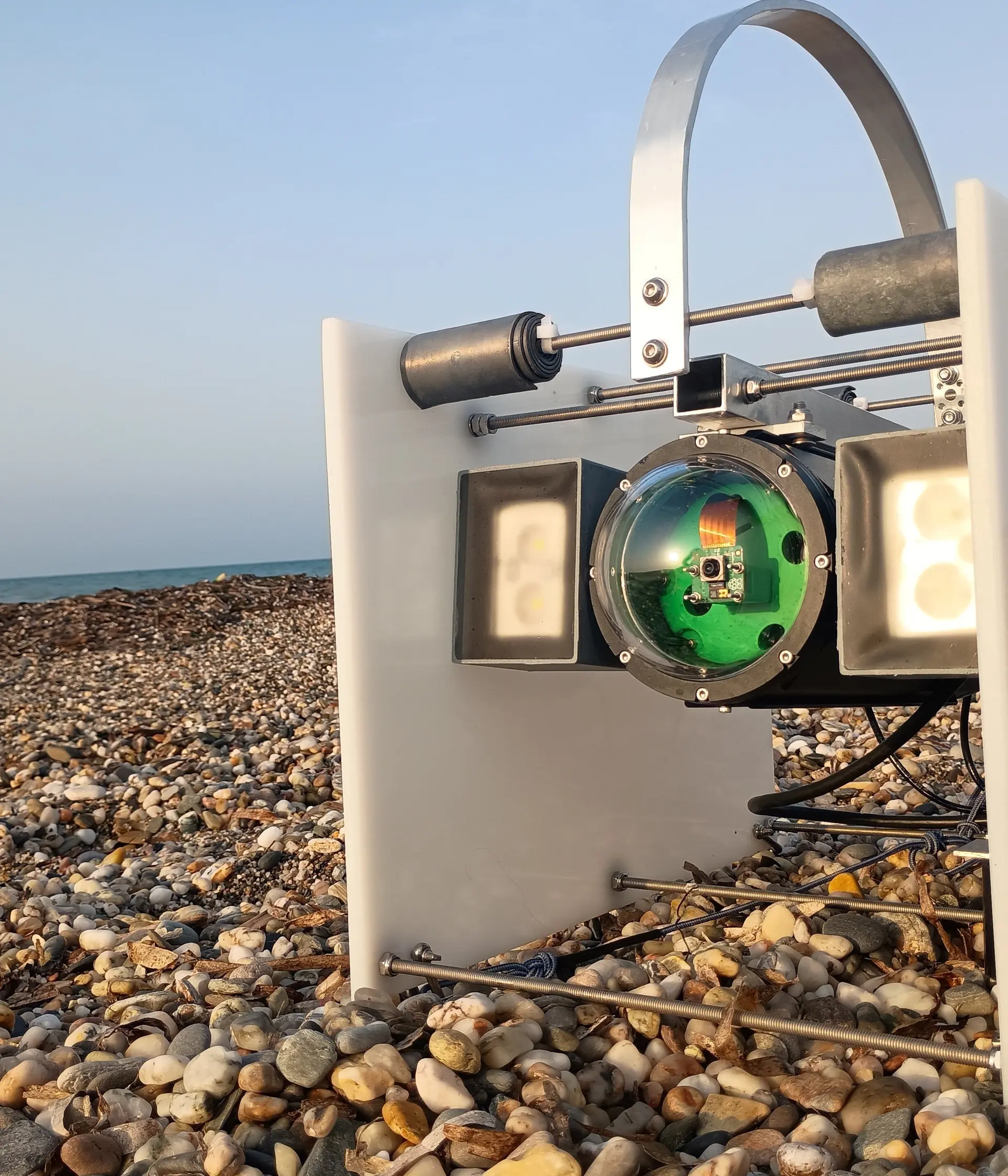
This project aims to produce an innovative, low-cost (under £2,000), deep-sea camera, that is capable of collecting valuable imagery from depths of at least 1,000m. By using the growing ecosystem of inexpensive manufacturing techniques, open-source computing and off-the-shelf components, we have been developing a basic but adequate deep-sea drift camera system. The camera system is intended to be practical, reliable and adaptable and crucially a system that can be deployed from almost any vessel.
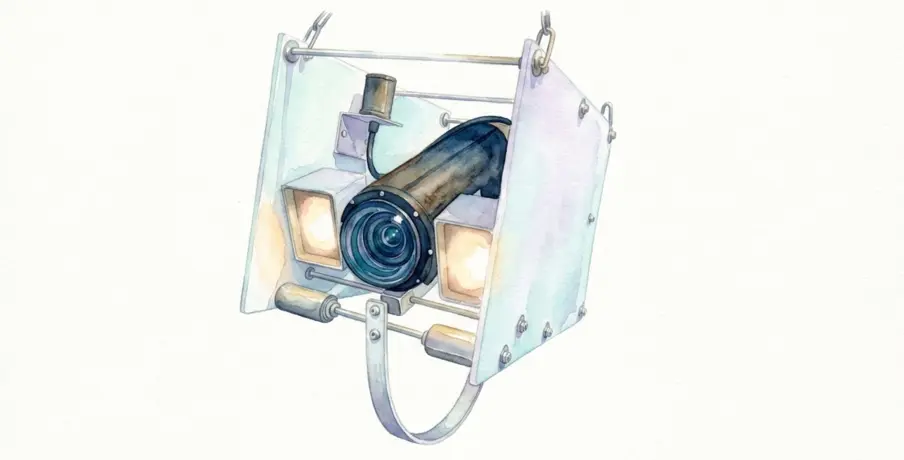
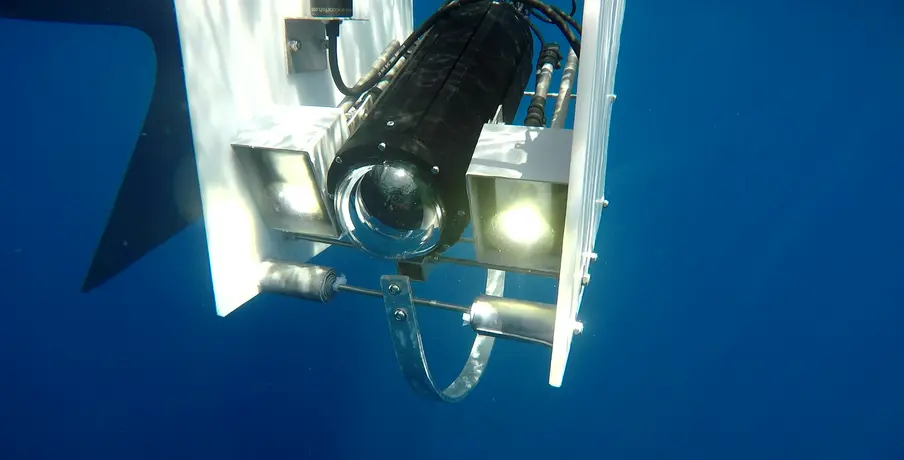
In 2026, we successfully tested our proof-of-concept prototype, collecting new imagery of deep-sea habitats from over 300m deep on the Chella Bank Seamount, Spain.
Our vision is to democratise deep-sea scientific research, empowering and supporting a global community of users. This will be achieved by both making the design open-access and by producing and distributing units at-scale. Using ZSL’s experience of deep-sea research (e.g. Yesson et al., 2017; Long et al., 2020; Long et al., 2021), we will support users to conduct their own exploration and undertake surveys, addressing scientific research questions and informing evidenced-based conservation.
Watch our video to find out more
Project partners
International SeaKeepers Society
Michael Darling, Software Engineer and ZSL Institute of Zoology Visiting Researcher
|
| 
| 
|