







CPD Training for Veterinarians
Learning Outcomes:
- To gain a critical understanding in terrestrial wildlife population monitoring and biological management
- To gain a critical awareness of best practice intervention methods at the human wildlife interface
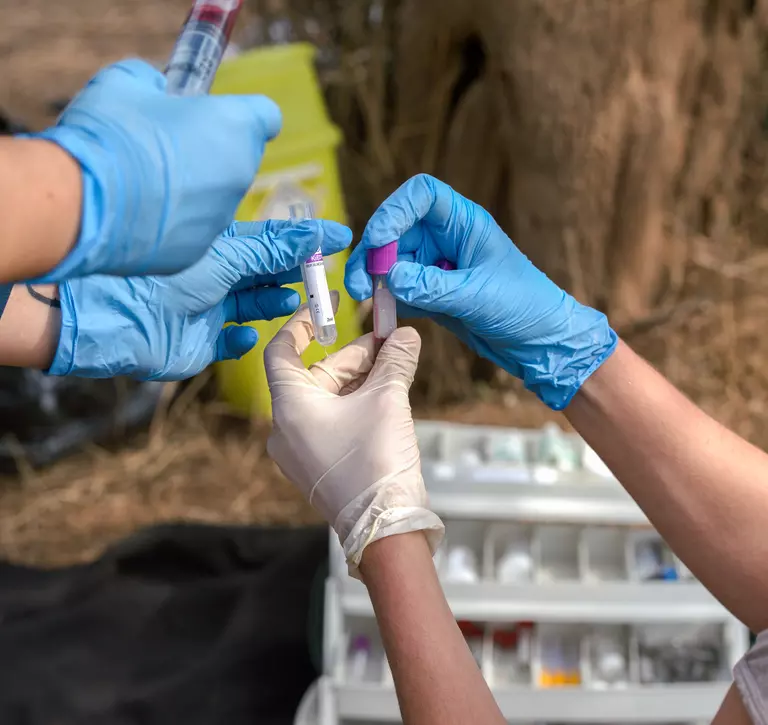
- To develop a systematic understanding of the planning of and field methods in pathological examination and disease outbreak investigation and the practical implementation of a wildlife disease surveillance programme
- To gain a critical awareness of health monitoring of wildlife and field methods to investigate the role of disease in the decline of species
- A comprehensive understanding of best practice of terrestrial wild animal restraint and anaesthesia techniques
Upon graduation, students are invited to join the Wild Animal Alumni (WAA) network, a global community of over 600 wildlife professionals from 60+ countries. This diverse group includes wild animal managers, field veterinarians, zoo veterinarians, rehabilitation specialists, academics, policy advisors, conservationists, zoological professionals, pathologists, and many others.
WAA fosters collaboration and knowledge exchange among its members, aiming to advance wild animal health practices and research worldwide.
Please see below for more detailed information on the course
The Zoological Society of London (ZSL), the Wildlife Institute of India (WII), the Royal Veterinary College, the University of Edinburgh (UoE), the University of Melbourne (UoM), Toronto Zoo, the Kenya Wildlife Service, and the Wildlife Research Training Institute have joined forces to address the urgent need for wildlife health expertise in important biodiversity-rich regions, ehich can also often hotspots for wildlife diseases and human-wildlife conflict.
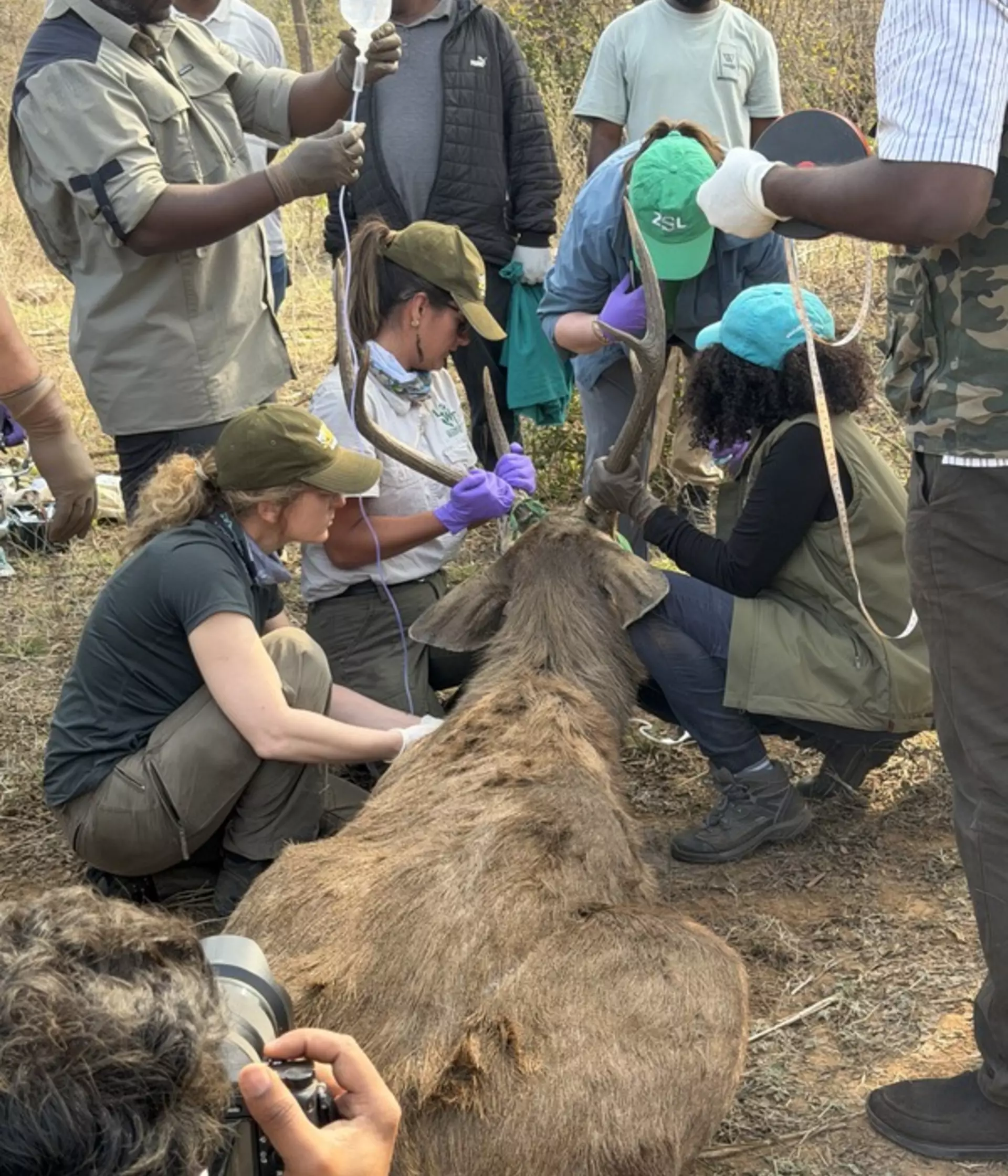
To tackle these challenges, the 2.5-week field course offers participants hands-on training in places such as Rajasthan, India, and Naivasha, Kenya. The program focuses on practical and theoretical learning, equipping participants with the skills to address wildlife health issues, investigate emerging diseases, and promote the health and welfare of wild animals.