






Helping financial institutions support clients and portfolios for the EU Deforestation Regulation
From 30 December 2026, companies trading in seven major commodities — cattle, cocoa, coffee, oil palm, rubber, soy and wood — must prove their products are deforestation-free and legally sourced to access the EU market.
While financial institutions are not directly regulated, their clients often are. This guide helps Relationship Managers (RMs) identify which clients may be affected, assess their level of preparedness, and guide them through practical steps to support clients in adjusting to the new requirements, thereby helping to manage risk and strengthen supply chain resilience.
It supports banks to:
- Strengthen client engagement on deforestation risk
- Understand market-access and credit implications
- Integrate EUDR considerations into advisory and due-diligence processes
- Improve portfolio resilience as supply-chain expectations tighten
This guide was supported by a philanthropic grant from HSBC to ZSL. The views and opinions expressed in this report are only those of the authors, reviewers, and contributors, and do not reflect the views and opinions of HSBC.
420M Ha
of forest lost since 1990
6.7M Ha
of primary rainforest lost in 2024
US$4.5T
of global GDP tied to nature-dependent sectors
EUDR at a glance
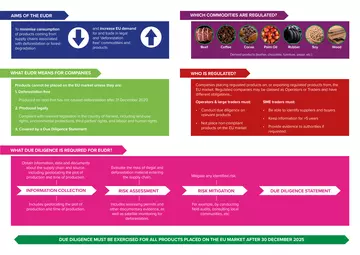
Explore the infographic below for a snapshot of the EUDR’s goals, key commodities, and compliance requirements.
Why EUDR matters for banks
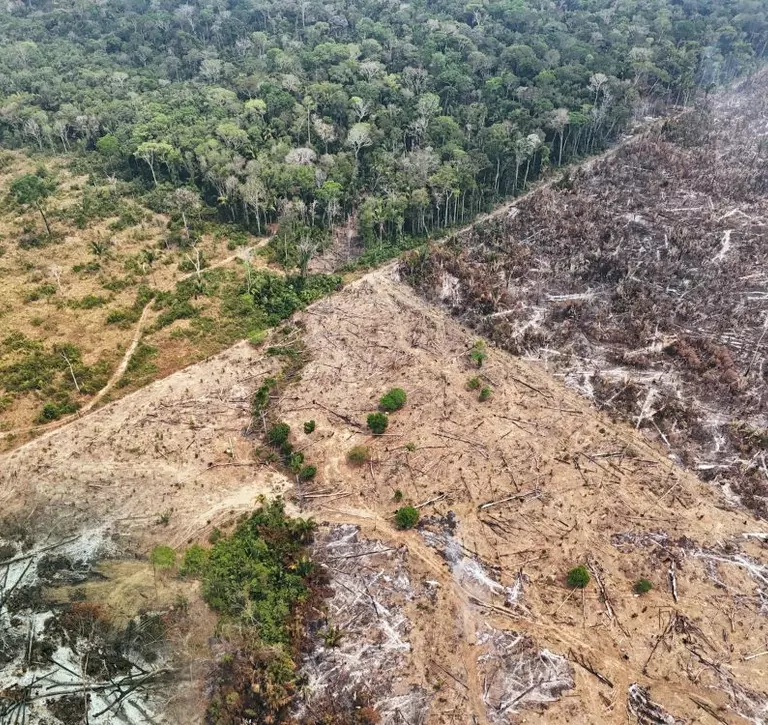
Deforestation and forest degradation create both regulatory and financial risks. Companies who fail to comply risk fines, market exclusion and reputational harm. For banks, this can lead to reduced collateral value, stranded assets, and greater credit risk.
RMs are in a unique position to raise awareness, identify exposure in their portfolios, and support clients in strengthening supply chain governance before the law comes into force.
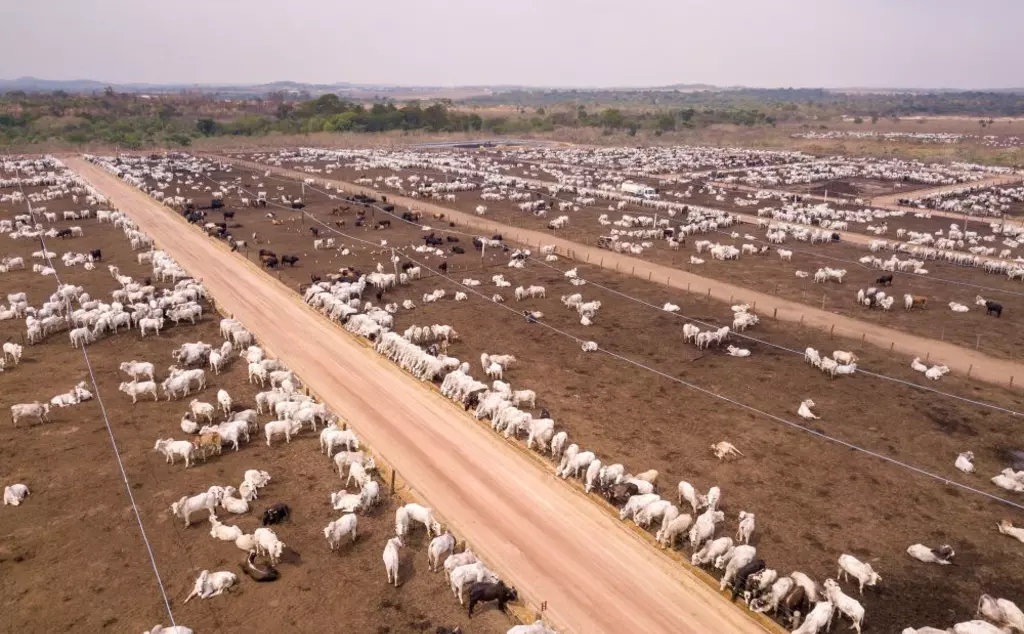
Cattle ranching is the biggest driver of deforestation
How to engage clients on EUDR
The guide outlines five steps for engaging clients and embedding EUDR considerations into banking relationships.
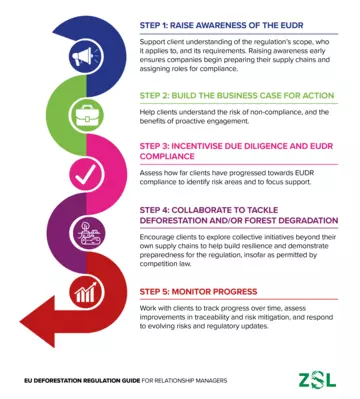
Access the full guide to explore each step in detail:

Partner with ZSL to Strengthen Responsible Finance
ZSL’s Sustainable Business & Finance programme works with financial institutions to integrate biodiversity, deforestation, and nature risk into decision-making.