


It's not just humans whose body clocks can be thrown out of sync by long journeys.
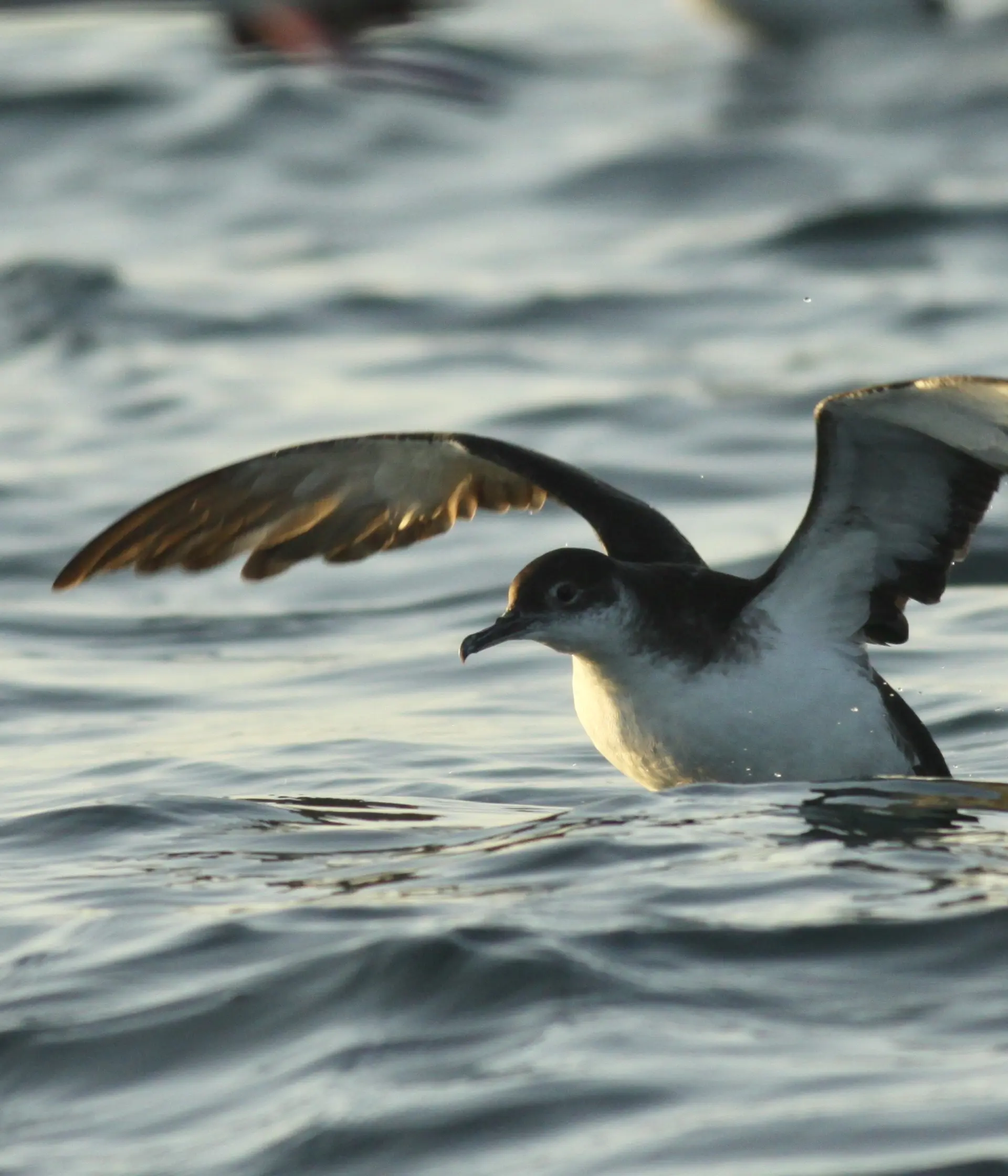
A new study on Manx shearwaters has revealed that the bird’s experience something similar to jet lag internal when travelling rapidly east or west across the Atlantic Ocean.
Led by the University of Oxford, and co-authored by Professor Robin Freeman at ZSL's Institute of Zoology, the research published today in Science draws on 20 years of GPS tracking data, demonstrating how Manx shearwaters can experience navigational errors due to their body clocks becoming out of sync with local time.
Made possible by analysing 20 years of GPS tracking data, the study showing the power of long-term research in revealing remarkable insights into the natural world.
Just as humans experience jet lag when travelling across time zones, birds moving rapidly east or west can experience a mismatch between their internal body clocks and local solar time. For birds that rely on the sun to navigate, this can cause them to fly slightly off course.
Navigating by the sun
Many birds use the position of the sun in the sky as a compass. As the sun moves across the sky over the course of the day, this method of navigation on their internal body clock being in sync with local time. As long as the two are aligned, they can compensate for the movement of the sun, allowing birds to use it as a point of reference.
Normally, birds reset their internal clocks using sunrise as a cue. However, when they travel rapidly east or west during the day, their internal clocks may temporarily become out of sync with local time. This could cause them to misjudge the sun's position and fly slightly off course.
To investigate whether this happens in the wild, researchers led by the University of Oxford's Department of Biology analysed 20 years of GPS tracking data from 1,045 Manx shearwaters, covering 3,688 foraging trips.
Manx shearwaters breed on islands off the western coasts of the UK and Ireland. They regularly travel hundreds of kilometres out to sea in search of food, sometimes reaching feeding grounds around 1,000 km west of their breeding colonies.
When returning to their nests, the birds can travel rapidly eastwards across lines of longitude, moving into places where the sun rose earlier. As a result, their internal clocks may lag behind local solar time by up to around one hour.

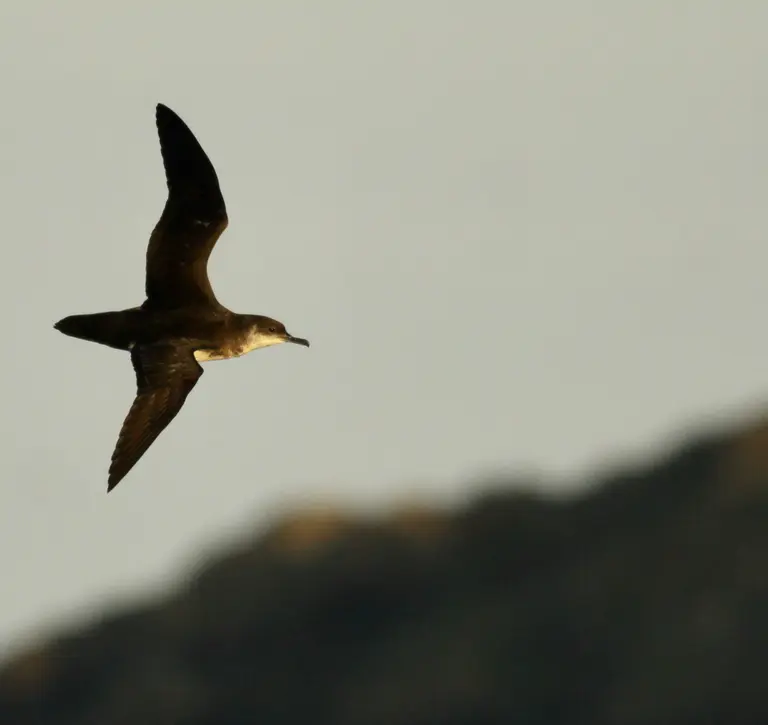
The researchers found that as the birds travelled eastwards, they tended to deviate clockwise from their expected direction, as would be predicted if their internal clocks were running behind local time.
Professor Robin Freeman, co-author of the study at ZSL's Institute of Zoology, said: "One of the really exciting things about this study is that 20 years of tracking data has revealed something quite fundamental about how birds navigate. Effective wildlife conservation is driven by data, and the more we learn about species under threat, the better chance we have of protecting them.”
Remarkably, these navigational errors persisted even when the birds were flying along coastlines, where landmarks could provide other navigational cues. This suggests that the birds continued to rely on their sun compass even when other information was available.
Dr Patrick Lewin, lead author of the study from the University of Oxford, said: "It's amazing to think that billions of migratory animals look up to the sun for direction, relying on clocks silently ticking away inside them, and that errors in those clocks can cause them to take tiny shifts off course."
What happens when birds get jet lag?
The good news (for Manx shearwaters at least) is that the team found that the birds in the study made only relatively small mistakes due to this jet lag and are able to correct for them.
For example, if a shearwater returned to its nesting colony from 1,000 km away, with an average compass error of 7° and continuously correcting its course, they would travel only around 5 km further to reach within 5 km of its colony.
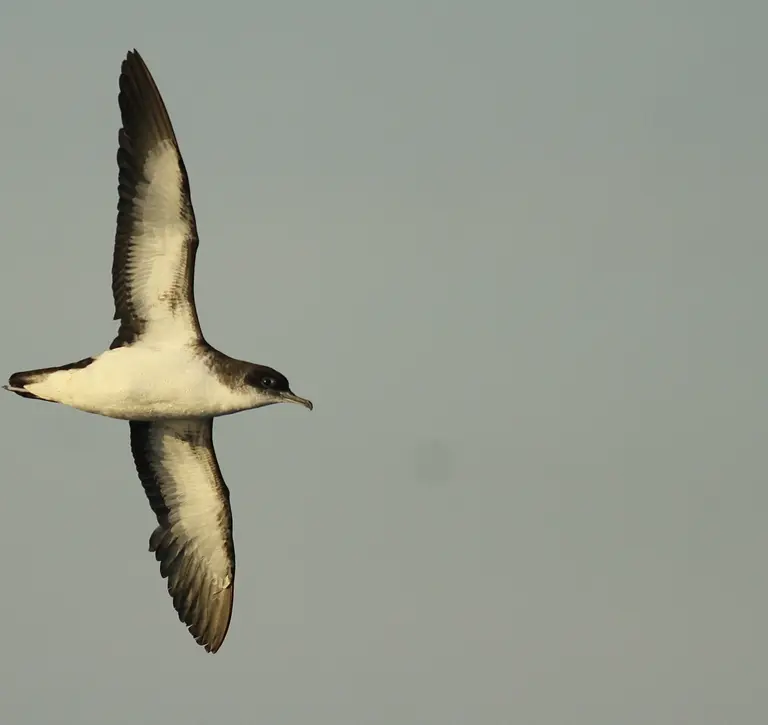
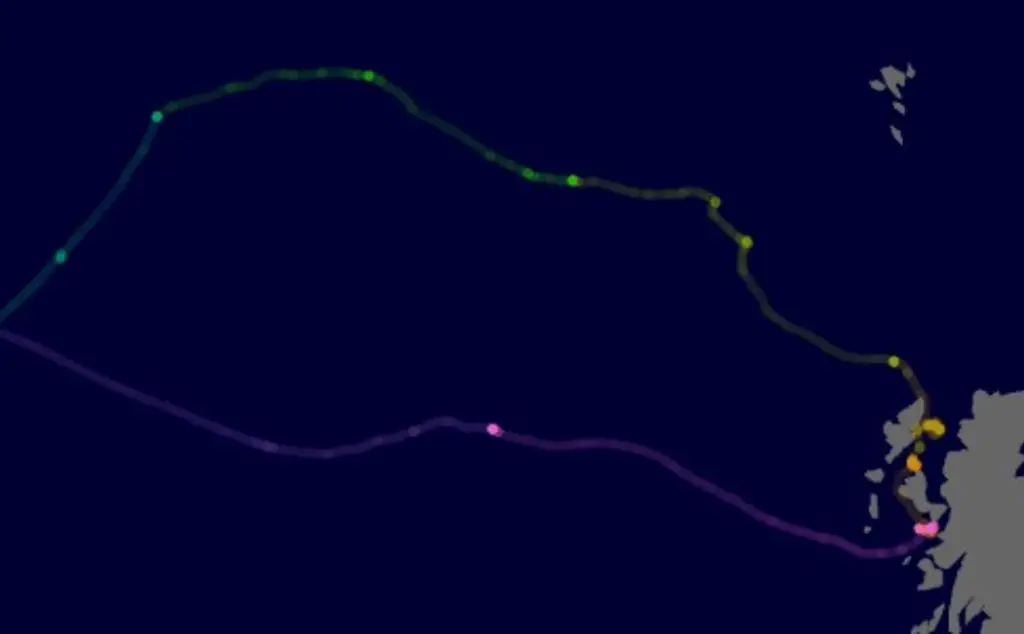
For other migratory birds with much longer journeys however, or young birds undertaking their first migration, these mistakes could have a far greater impact. Small errors can add up, and birds could end up hundred of kilometres away from their intended destination.
More research is needed to understand whether birds experience any other symptoms from jet lag that impact their health.
Why long-term research is so important for conservation
One of the most important aspects of this discovery is that it was made possible by bringing together two decades of tracking data.
Long-term ecological datasets can provide insights into animal behaviour that would be difficult to uncover through individual short-term studies. By combining observations collected over many years with new analytical approaches, researchers can investigate questions that may not have been anticipated when the data were first collected.
Robin added: “It's a great example of how long-term ecological research and collaboration between scientists can help us understand aspects of animal behaviour that would otherwise be incredibly difficult to observe."
The importance of migratory birds
Migratory birds help ferry vital nutrients across oceans and continents, yet they are being put at risk by increasingly frequent extreme weather events.
A 2023 study led by ZSL scientists found that at least 182 species of the migratory birds studied were highly exposed to either cyclones or drought in either their breeding or wintering range.
With these threats likely to worsen with climate change, the more we can understand about these birds, the better we can help protect them.
At ZSL, we believe that nature can recover, and that conservation is most effective when driven by science. We work with people to improve co-existence with wildlife, safeguarding nature and creating a healthier, sustainable future for both wildlife and people.