






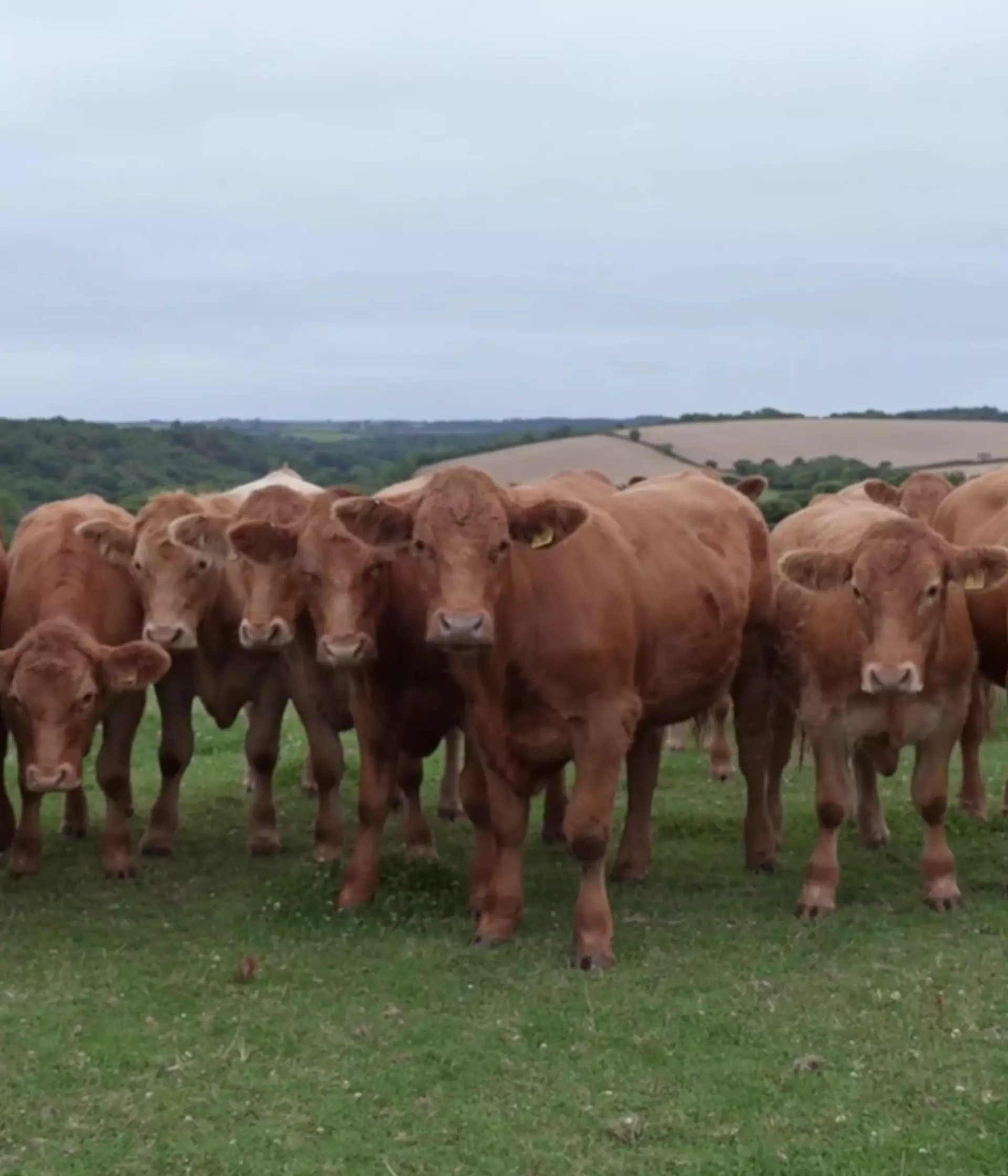
A new strategy published today lays out a clear, practical plan to achieve Officially Bovine TB-Free status in England by 2038, backed by an ambition to deploy a cattle vaccine by 2030.
Bovine tuberculosis (TB) is a significant threat to Britain’s cattle, with devastating impacts on the wellbeing of farmers and their livelihood. Although TB rates in cattle have started to decline in recent years, this is still the most important livestock disease in Britain – and quicker declines are needed.
Here at ZSL, we’re working with farmers to deepen scientific understanding of the disease and to find practical solutions to overcome it – insight that has been critical to informing the landmark strategy.
A reason for hope
Developed with input from over 100 farmers, vets, scientists, industry and government representatives, the strategy focuses on actions that will make the biggest difference to farmers: reducing TB in cattle, reducing the risk of spread between herds, and giving farmers and vets better tools and information to stay ahead of the disease.


John Cross, farmer and chair of the co-design steering group said: “Farmers, veterinarians, scientists, sector bodies, and government have worked together on this new recommended strategy and must work together to deliver coordinated action.
“This is about the future, this is about game-changing interventions like cattle vaccination, and most of all it’s about delivering hope to both industry and the taxpayer that there is an end to this horror story of TB.”
Steps to eliminate bovine tuberculosis
While transmission of the disease from wildlife plays a small role in the persistence of the bTB, genome sequencing studies of the disease showing that around 17 times more transmissions occurred between cattle than comes from wildlife.
The strategy sets out almost 40 recommendations focusing on addressing cattle-cattle transmission and strengthening local leadership to empower targeted action driven by data and local insight – complimented by proportionate, evidence-driven management of spread from other farmed animals and wildlife where it will be most impactful.
ZSL’s Professor Rosie Woodroffe, one of the co-authors of the strategy explained: “Controls focusing on cattle are front and centre, because that’s what the science shows to be the place where the big wins are going to be.”
Cattle vaccination is central to the strategy, and comes with ambitions to deploy vaccination from 2030. This recommendation sites alongside plans to expand badger vaccinations, the use of voluntary additional testing alongside statutory tests to help farmers better manage their herds, and the use of more frequent and sensitive testing to uncover cases of disease.


We’re helping find a solution to bovine tuberculosis
ZSL has been at the forefront of research into bovine TB for more than four decades.
Since 2007, we’ve been working at the cutting-edge of wildlife health research to identify how spread of bTB occurs and sustainable, practical solutions to control the disease.
More recently, we’ve been working with farmers in Cornwall to research the impact of TB vaccination on rates of infection within badger populations, helping us to identify the role it can play in controlling TB infections in cattle.
A recent pilot study found that the number of badgers testing positive for exposure to bTB dropped from 16% to 0% over the four years of vaccination – highlighting that vaccinations can be delivered in ways which are practical, cost-effective and acceptable to farmers.
We’re now working with the National Farmers Union on a three-year, farmer-led project to understand the most cost-effective approach for delivering badger vaccinations. By working together with farmers to gather evidence, we’re helping inform targeted approaches to help eliminate the disease on a national scale.
Rosie added: “By working together and following the science, we can make this terrible disease a thing of the past.”
At ZSL, we believe that nature can recover, and that conservation is most effective when driven by science. We work with people to improve co-existence with wildlife, safeguarding nature and creating a healthier, sustainable future for both wildlife and people.