







Coffee farming could be a solution to decades of conflict between farmers and elephants in Thailand, as the roll-out of an innovative new project yields promising results.
We are working with Thai NGO Eco-exist Society has been working with local communities in the Kanchanaburi province to establish farms dedicated to growing coffee – which has less appeal to the land giants than crops like bananas or sugar cane – in an effort to reduce conflict between people and the region’s population of Endangered Asian elephants.
Water shortages and the expansion of agricultural land along elephant migration routes means elephants are increasingly likely to turn to farms and human settlements in search for food and water – risking damage to crops, threatening farmer’s entire livelihoods, and driving tensions between communities and elephant herds.
How coffee can help people and wildlife
To protect farms, the team will support local farmers as they transition from growing crops such as bananas and sugar cane in favour of coffee. The coffee shrubs can be grown on elephant-resistant forest plots, alongside marigolds, chilli bushes and bee hives that also help deter the giant herbivores.
Saravanee Namsupak, Community Engagement Coordinator for ZSL Thailand, explained: “Elephants are an integral part of Thai culture. They’re our national animal, and their lives have been entwined with ours for thousands of years. Yet growing pressures for limited land have been making everyday life increasingly more challenging for the people living alongside them.
"Coffee beans, sheltered from hungry herds as they grow under the shade of native trees, may sound like a humble solution to such a massive challenge, but they will be essential to ensure we can share not only our past with these magnificent creatures, but our future too.”


Over the next few years, the team will work closely with community members to refine and expand the sustainable coffee farming model across the region through a farmer-led cooperative, with the goal of creating up to 1,000 hectares of elephant-friendly farmland by 2030.
The Chiang Yim Cooperative, which translates to ‘Smiling Elephant’, will help farmers unlock access to new markets and revenue opportunities by securing long-term agreements with coffee buyers, and supporting the adoption of Good Agricultural Practices – a set of certifiable standards for the growth of high-quality, sustainably produced food.
Training in coffee cultivation, harvesting and processing has already begun for the more than 40 farmers who have joined the cooperative so far, helping them to bolster their crop quality, yield and income.
Protecting Endangered elephants
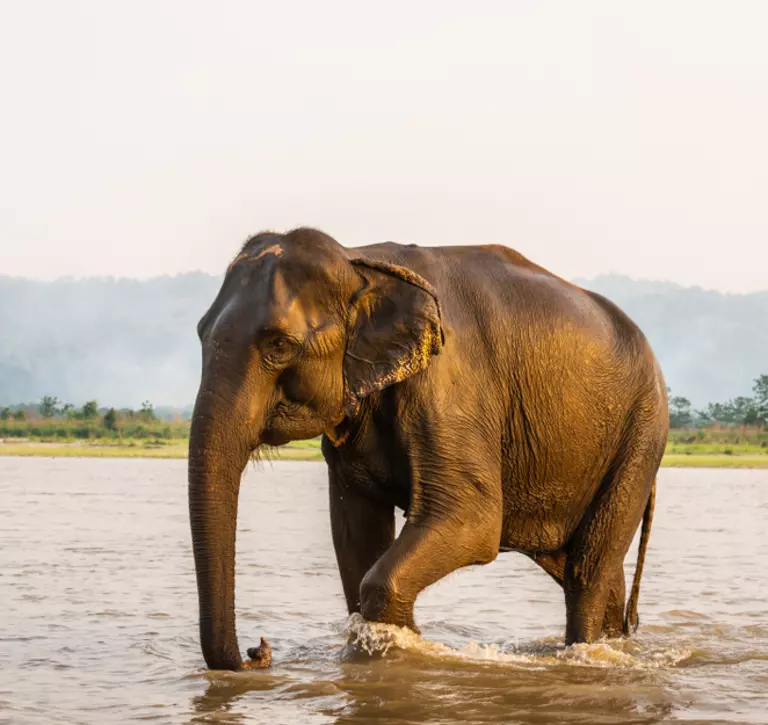
The largest animal on the continent, Asian elephants play a key role in maintaining the health of their ecosystem – spreading plant seeds across their habitat and forging paths through dense forests that other animals can use to navigate. They are classified as Endangered on the IUCN Red List of Threatened Species, with recent estimates indicating only around 3500-4000 remain in Thailand. The species is threatened by the loss of the forests and grasslands they call home, which increases the chance of conflict between them and people.
May Moe Wah, who leads the ZSL team in Thailand: “It’s through collaborating with local communities and finding solutions that will help people and wildlife alike for years to come that we can rebuild healthy ecosystems globally. This is just the start, and we’re excited to see the project grow over the coming years – and enjoy some delicious, locally grown coffee along the way.”


Investing in the future of people and planet
The project goes beyond growing sustainable livelihoods for the farmers and communities living alongside elephants; these diverse farming plots help boost soil fertility, provide essential habitats for other species, improve water retention and capture carbon from the atmosphere – helping protect the environment locally and globally for generations to come.
Ongoing wildlife monitoring by the conservation team will help track how the project helps support the region’s elephant population, while also boosting the diversity of birds, bats, pollinators that call the forests home.
Bhichet Noonto, Executive Secretary at Eco-exist Society said: “We see this as the beginning of long-term change. By supporting farmers to grow elephant-friendly coffee, communities can earn a sustainable income while reducing crop losses to elephants. This approach strengthens coexistence and helps protect both livelihoods and ecosystems in Thailand.”
The project is part of our wider work in conservation finance, working with communities, investors and businesses to create financial solutions that support both people, nature and planet.
Climate change and human activity have pushed our precious planet to its limit, causing the devastating loss of so many habitats and species. From lab to field, hands on and behind the scenes, we’re leading the future of conservation, shaping agendas and influencing change to support better life, health and living for people and wildlife.