






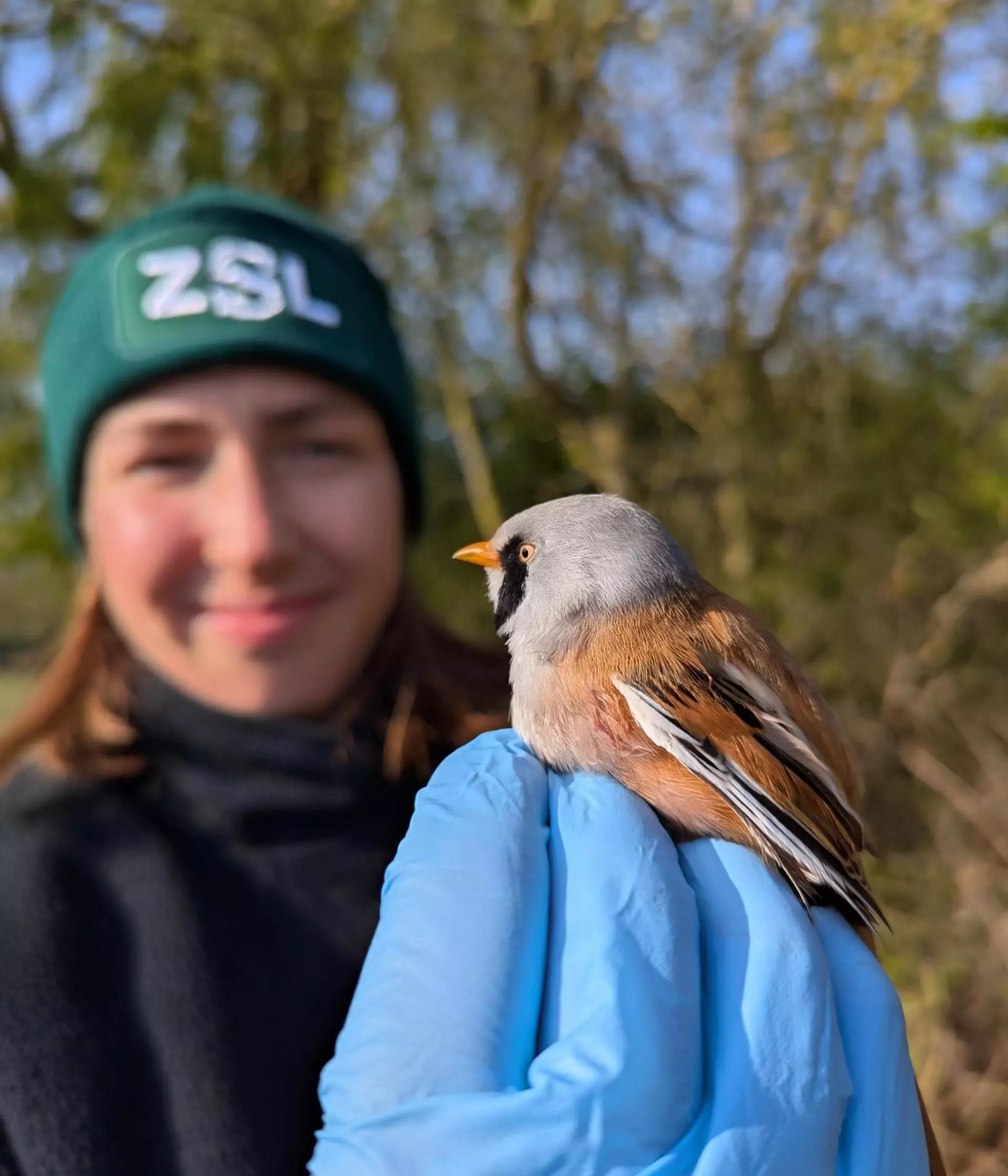
From wildlife recovery to food security, a project to decode the DNA of all complex life in the UK and Ireland could bring huge returns on investment and growth in scientific research. Our wildlife vets are part of the team behind the cutting-edge project.
As a conservation charity with 200 years of experience in working to protect the natural world, we know the importance of investing in nature.
Today, a report in Frontier Economics highlights how an exciting project to map the DNA of wildlife in the UK and Ireland could generate up to almost £3 billion for the economy across agriculture, conservation, and research over the next 30 years – helping secure a better future for people and nature alike.
The Darwin Tree of Life Project
Launched in 2019, The Darwin Tree of Life Project aims to sequence the genetic codes - also known as genomes - of the estimated 30,000 animals, plants and fungi species that call the British Isles home.
ZSL scientists and wildlife vets at our Institute of Zoology are contributing their vital expertise to the project, helping empower researchers, conservationists and policymakers to make informed decisions to protect species and the ecosystems that they underpin.
Today’s report highlights how the knowledge gained from this project, which is led by the Wellcome Sanger Institute, could support the UK economy through strengthening crop resilience, driving advances in medicine and biotechnology, and optimising conservation projects.
The project is already making a difference, empowering conservation action and saving scientists around the world £55 million through providing free access to over 2,500 reference genomes.
Dr Ava Jenkins, one of ZSL’s wildlife vets working on the project said: “This report really drives home the ripple effect of investing in nature. The DNA of these species could hold the answer to some of the biggest challenges we face today - whether that’s food security or reversing biodiversity loss. We all benefit when we invest in nature and unlock that knowledge.”
ZSL’s role in the Darwin Tree of Life
The instructions for every living thing are found in its DNA, providing scientists with a snapshot into a species’ past, present and future - offering clues as to where it came from, how it adapted to change, and how it might handle challenges in the future.
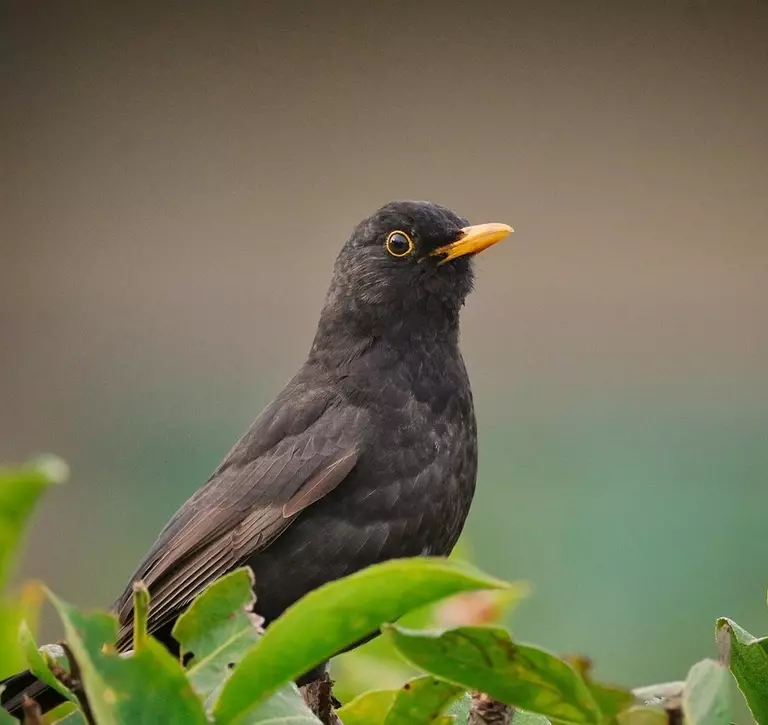
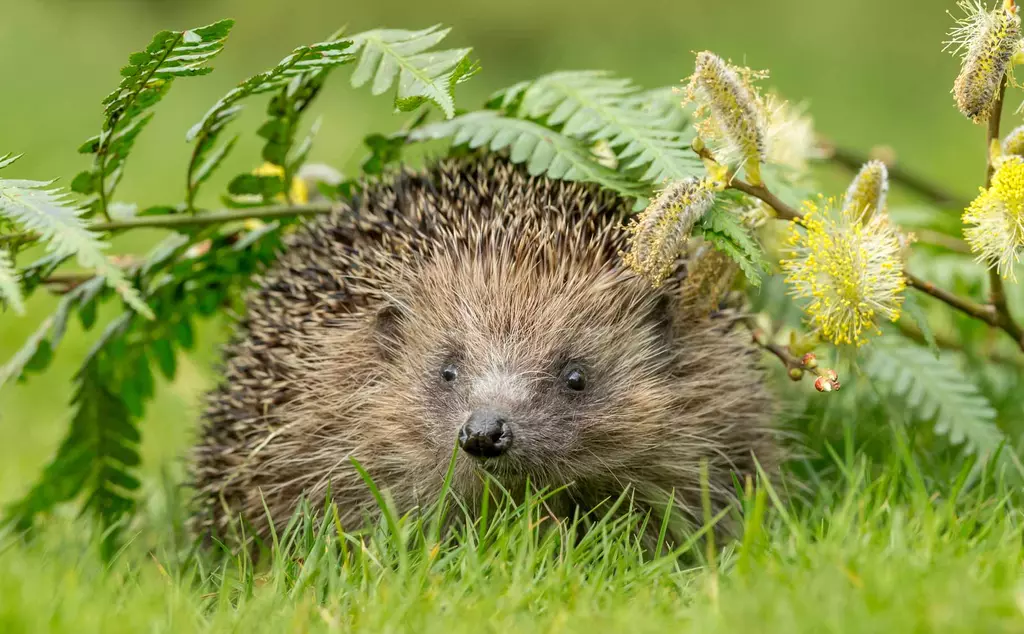
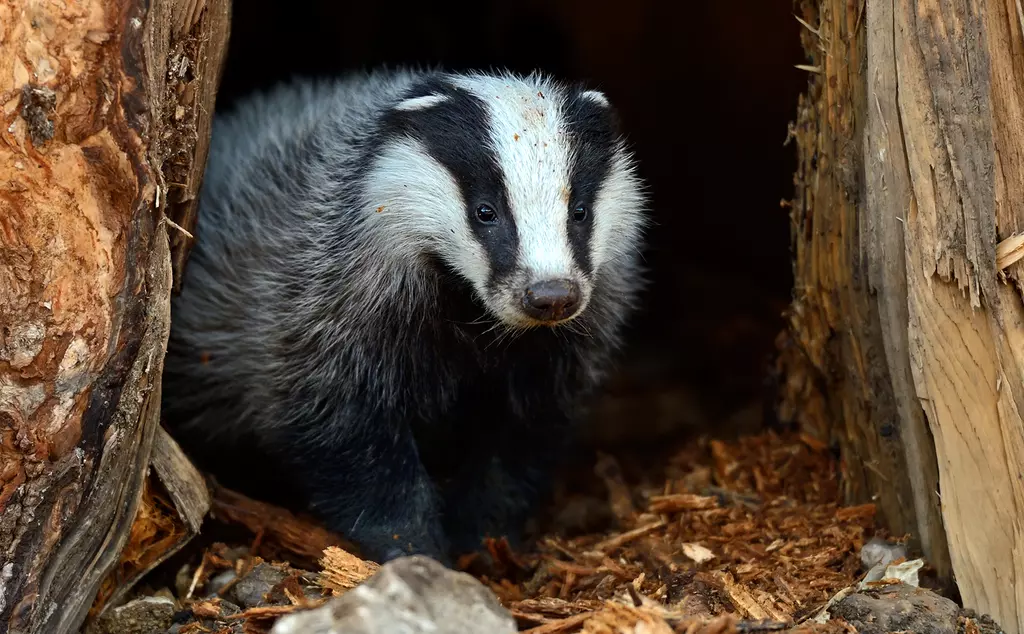
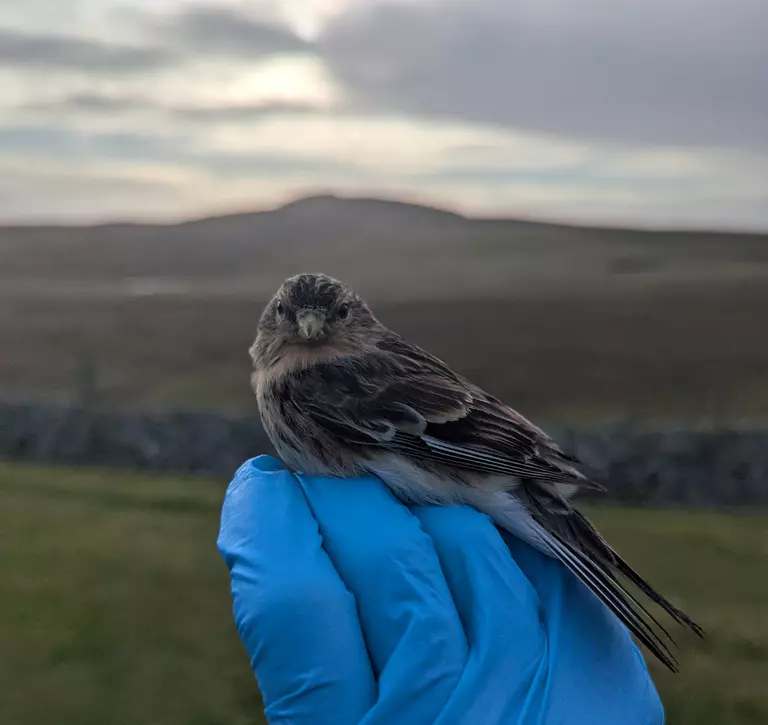
As part of the Darwin Tree of Life Project, our wildlife vets and scientists are working with the British Trust of Ornithology to collect blood samples from British birds during routine ringing sessions, as well as working with wildlife hospitals and rehabilitators to gather samples from rare birds, mammals and other species that call the UK home.
All DNA sequences published through the project will also feed into the global Earth BioGenome project, which aims to map the genomes of all complex life on Earth, so we’re working with colleagues at our two conservation zoos, London and Whipsnade, to collect samples from across the animal kingdom.
How mapping DNA helps conservation
Through helping to identify threatened species, shape management decisions and improve the success of conservation projects, the project is estimated to deliver £1.3 billion worth of benefits to UK ecosystems and the services that they provide people.
These reference genomes allow scientists to better understand the genetic factors that influence survival, reproduction and populations recovery potential - helping us to continue pushing the boundaries of what we can achieve through science-led conservation. The pine hoverfly genome has already been used in a successful reintroduction of the species to the Cairngorms in Scotland.
The Darwin Tree of Life project will also drive innovation in the biodiversity monitoring market, which is projected to reach $137 million globally by 2032.
Driving technological advances
The natural world is full of innovative adaptations, and the Darwin Tree of Life reference genomes can help uncover these. Whether that’s through harnessing the genes that enable spider silk to be gram-for-gram stronger than steel, or through informing human medicine by improving our understanding about a bat’s highly efficient immune system, this knowledge has the potential to inspire new advances in medicine and biotechnology.
The report estimates that the project could bring £170 million - £340 million worth of benefits to the research and innovation sector, through direct savings and reinvestment of funding into valuable research.
UK agriculture could also gain an additional £800 million - £1.4 billion through helping find improve crop resilience, tackle invasive pests, ensure the sustainability of fish stocks, and find new ways to treat livestock diseases.
Christiane Hertz-Fowler, Head of Directed Activity at Wellcome, said: "The significance of the Darwin Tree of Life project cannot be underestimated, as demonstrated by the huge number and diversity of genomes already sequenced and by the scale of its potential economic impact in the upcoming decades.
“When we first began funding this ambitious project, we knew that we would unveil a rich tapestry of insights into life and nature throughout the UK & Ireland, creating remarkable scientific impact. Now, this report underscores the importance of investing in ambitious, transformative discovery research to help us better understand life around us, in turn helping us solve health challenges around the world."
By supporting our science-led conservation work, you’re helping to protect wildlife, drive innovation, and build a future where people and nature can thrive side-by-side.
Founded in 1826, ZSL has spent two centuries working to restore wildlife and support ecosystems around the globe. Today our mission continues through conservation projects in more than 80 countries, alongside our two conservation zoos: London Zoo and Whipsnade Zoo.