



Project collaborators
Andrew Cunningham
Deputy Director of Science
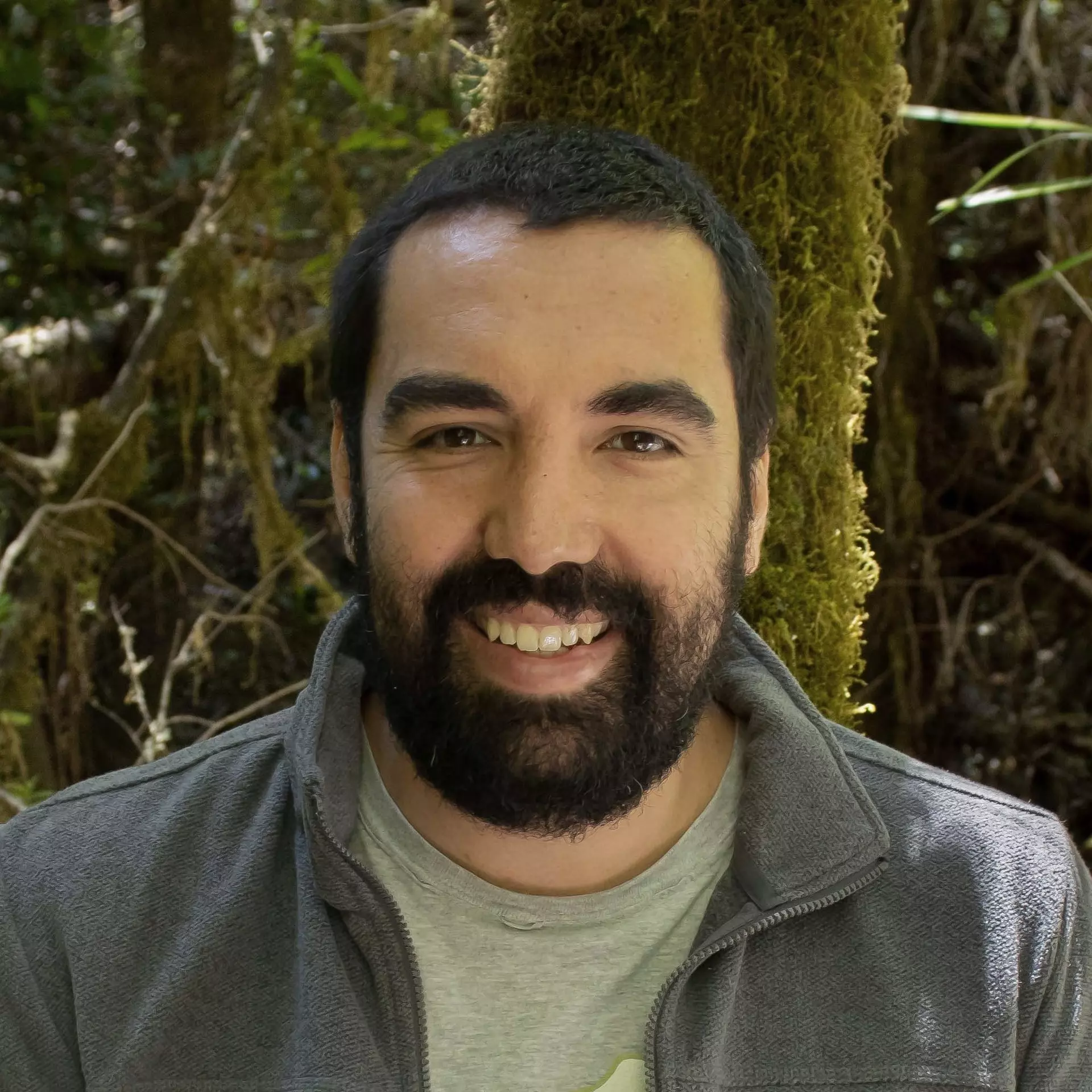
Dr Andrés Valenzuela-Sánchez
Research Fellow in Wildlife Health
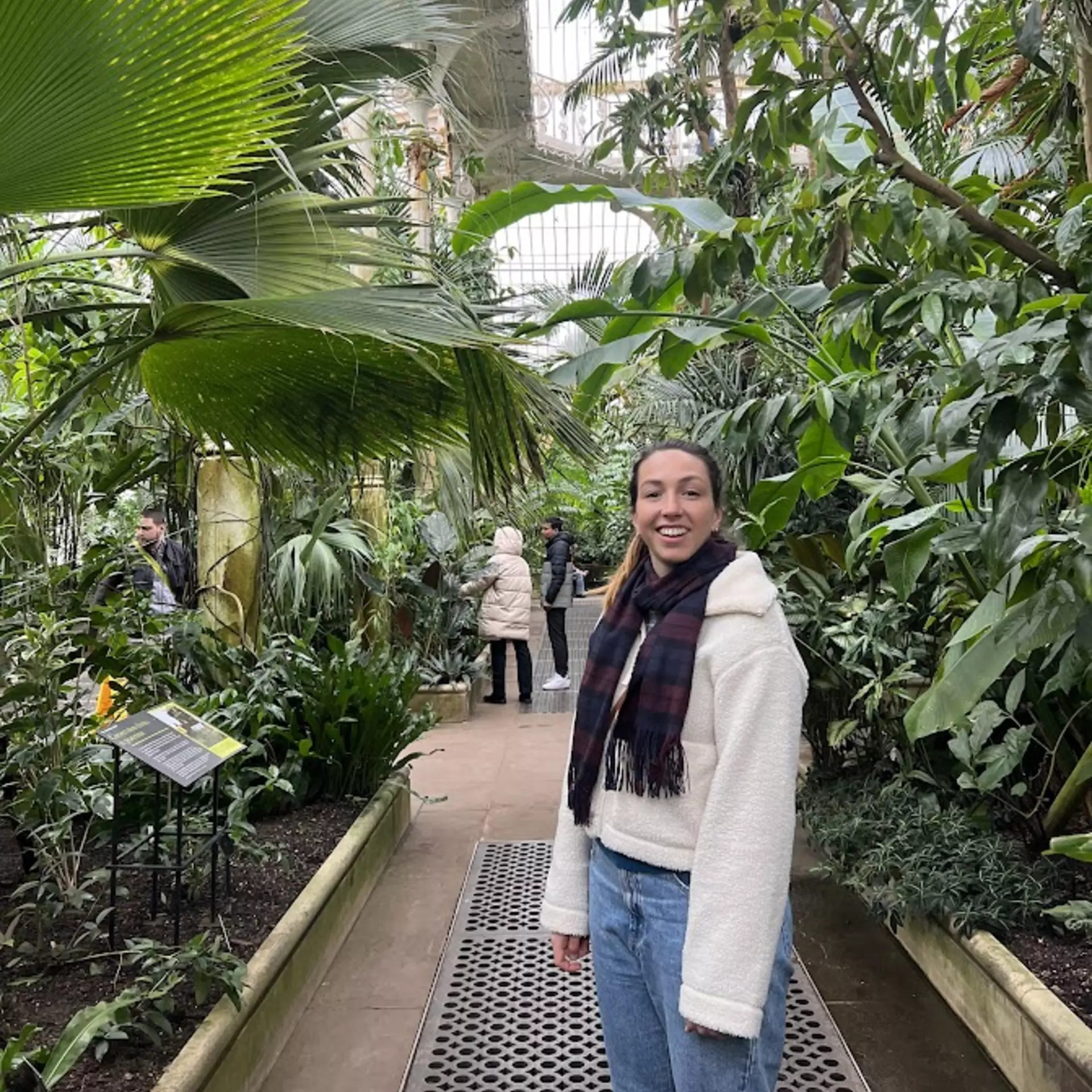
Dr Ava Jenkins
Wildlife Veterinarian and Postdoctoral Research Associate
The Darwin Tree of Life project aims to sequence the genomes of 30,000 species of eukaryotic organisms in Britain and Ireland.
30,000
The estimated number of species, from the largest whale, to the smallest organism, in the UK
11
biodiversity, genomics and analysis partners involved in the project
2,000
Genomes sequenced and made publicly available through the project (to Aug 2025)
What is the Darwin Tree of Life project?
The Darwin Tree of Life project is a collaboration led by the Wellcome Sanger Institute which engages numerous scientific partners to produce high-quality reference genomes for all known species of animals, plants, fungi and protists in Britain and Ireland.
Partners working across biodiversity, genomics and analysis use genomic data to understand the evolution of the diversity of life, to explore the biology of organisms and ecosystems, to aid conservation efforts and to provide new tools for medicine and biotechnology. The Darwin Tree of Life project is one of several initiatives across the globe working towards the ultimate goal of creating DNA sequences for all complex life on Earth, in a venture known as the Earth BioGenome Project.
Species are sampled for their DNA which is then carefully sequenced using advanced computational tools and bioinformatics to generate high quality, fully annotated reference genomes. The reference genomes will be published online, freely available for all researchers to use.
What is ZSL's role?
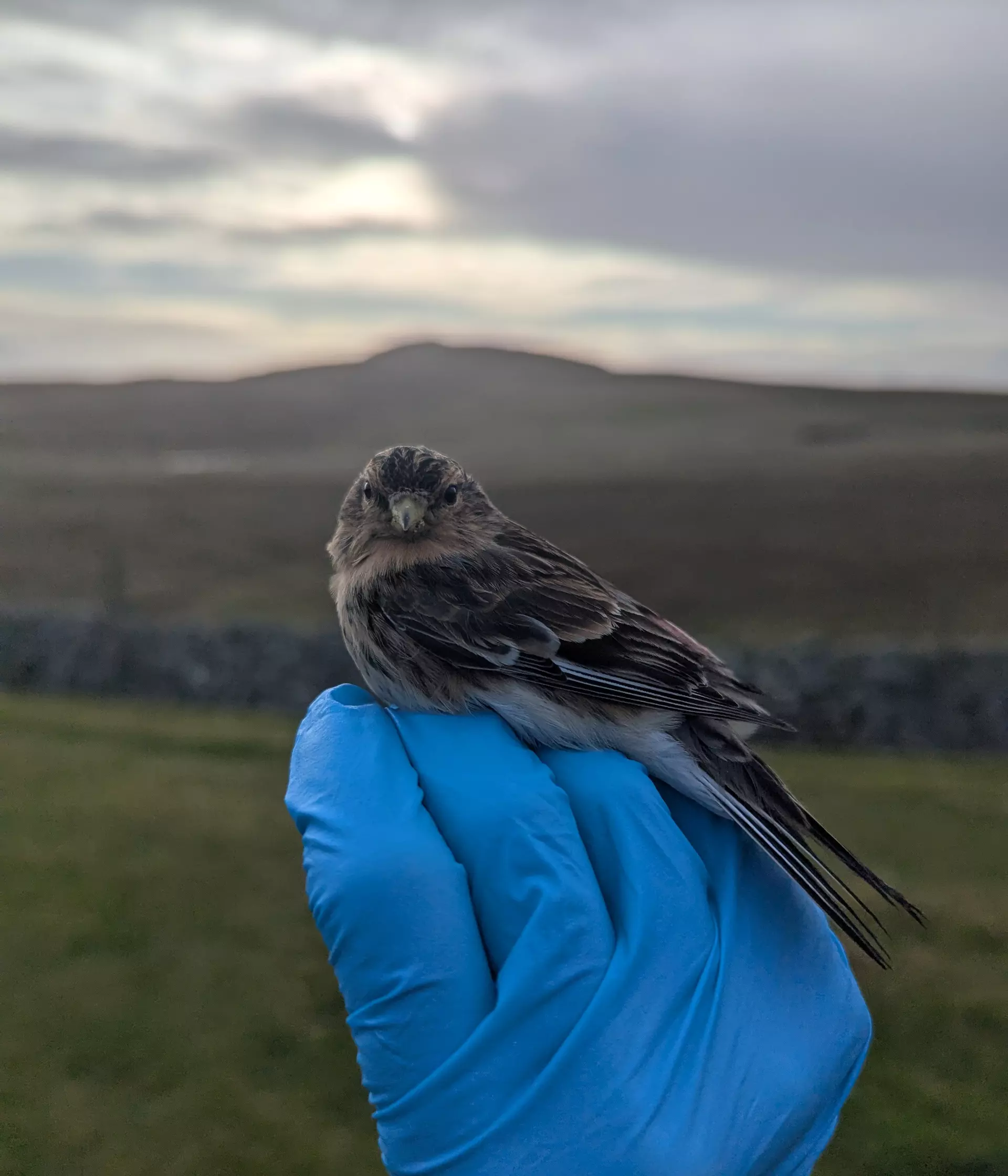
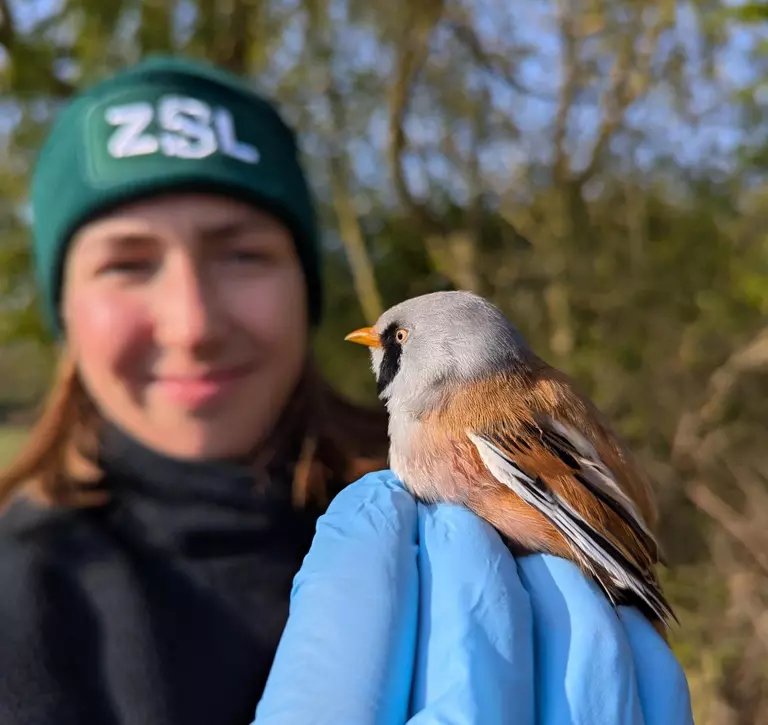
At ZSL's Institute of Zoology, we are collecting samples of British wild vertebrates, starting with birds, in partnership with the British Trust for Ornithology. We are also able to engage with ZSL's two conservation zoos, London and Whipsnade, to collect samples from living collections, wildlife hospitals and rehabilitators.
The samples collected at ZSL are then sent to the Wellcome Sanger Institute to have DNA extracted, sequenced and annotated. All samples undergo thorough checks by the team at Wellcome Sanger, to ensure they are legally and ethically sourced and are of suitable quality to be sent to the lab.
How can you help?
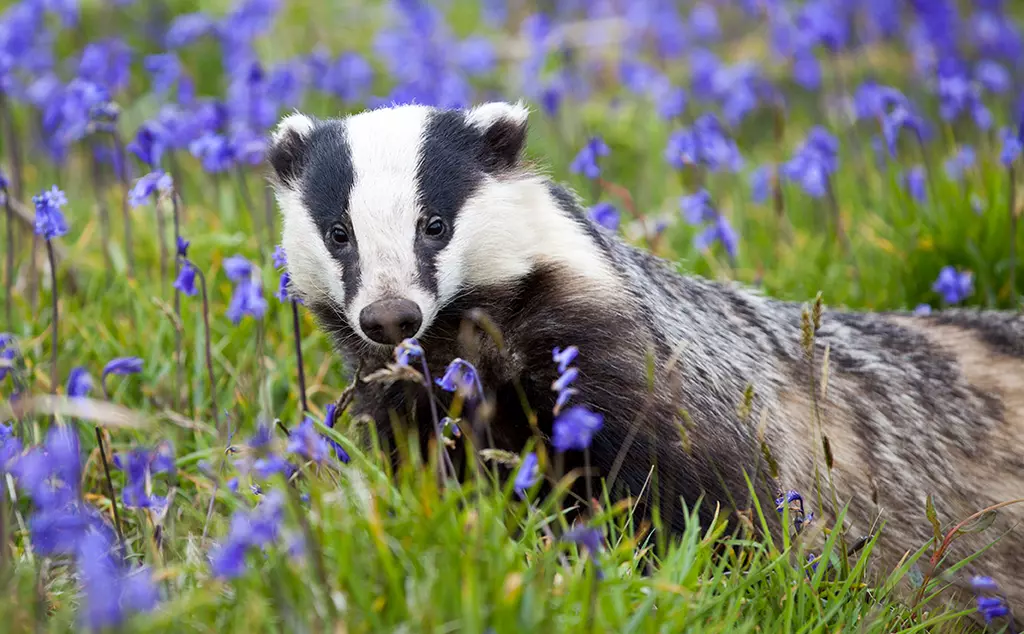
If you work for a wildlife hospital, veterinary organisation or rehabilitator, you may be a potential hive of untapped biological information. Many common native species such as robin, badger and hedgehog, have had their full genomes sequenced already. However, there are still many more species left to sample including migratory and vagrant bird species, and other extremely rare or introduced species of mammals.
If your centre is interested in supporting the project, please get in touch.
The more centres involved, the more genomes we will be able to sequence – and the sooner this information can be used to help protect and recover wildlife across the country and beyond.
Where can I find further information on the Darwin Tree of Life project?
Find out more on the Darwin Tree of Life website. You can also read the press release of the project launch from the Wellcome Sanger Institute.
Project partners
- Earlham Institute, Norwich
- EMBL-EBI, Cambridge
- Marine Biological Association, Plymouth
- Natural History Museum, London
- Royal Botanic Garden Edinburgh
- Royal Botanic Gardens Kew, London
- Wellcome Sanger Institute, Cambridge
- University of Cambridge
- University of Edinburgh
- University of Oxford