






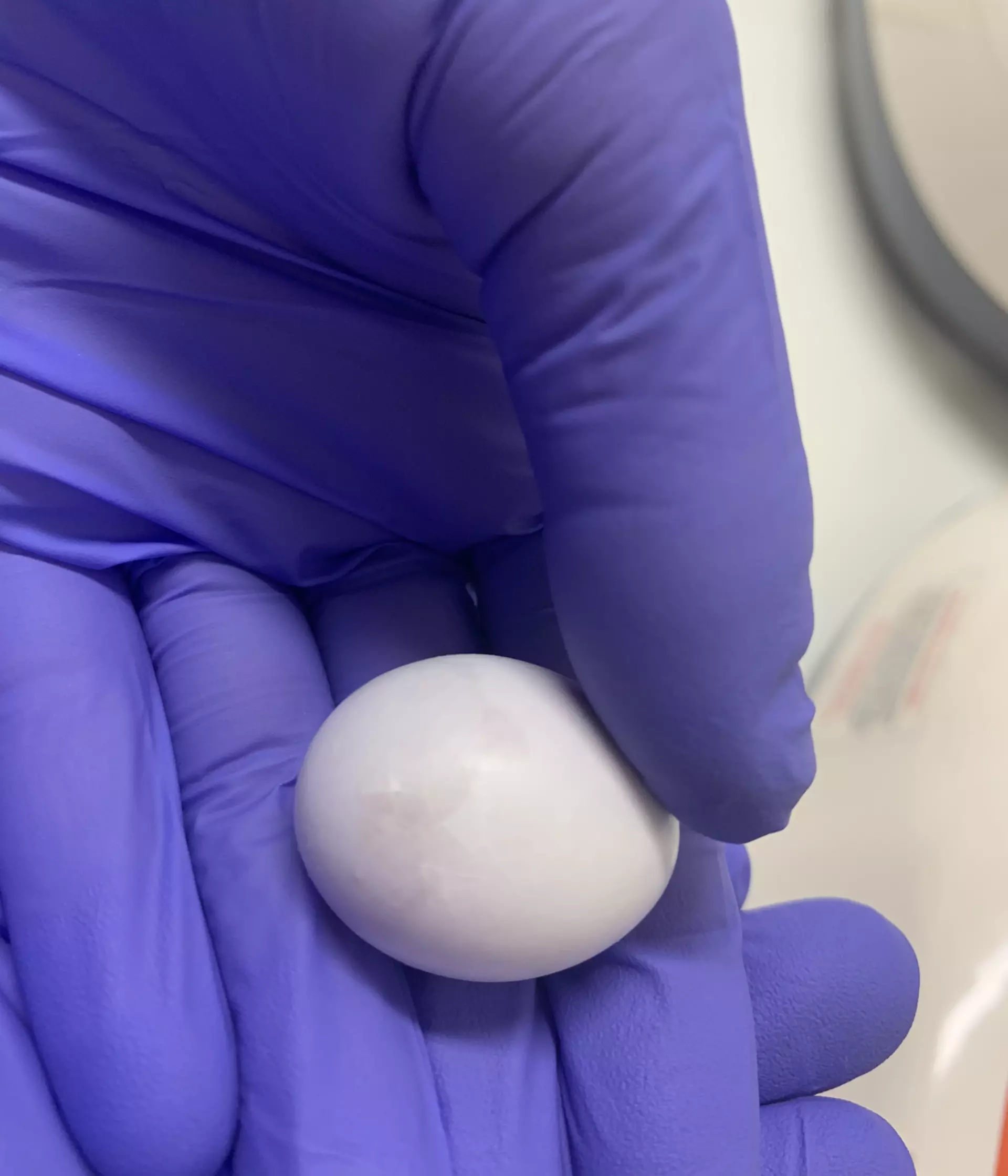
A new method has revealed how conservationists working to save some of the world's most threatened species can further bolster the success of breeding programmes, according to research led by us and the University of Sheffield.
Conservation zoos, and the global breeding programmes they facilitate, are vital to maintaining or restoring populations and boosting genetic diversity of threatened birds. But not every egg produced in a breeding programme hatches into a chick.
New research by the international team of scientists has shown that new diagnostic methods could help amplify the success of conservation breeding programmes by offering a stronger understanding of why some eggs don’t hatch.
Cutting-edge conservation science
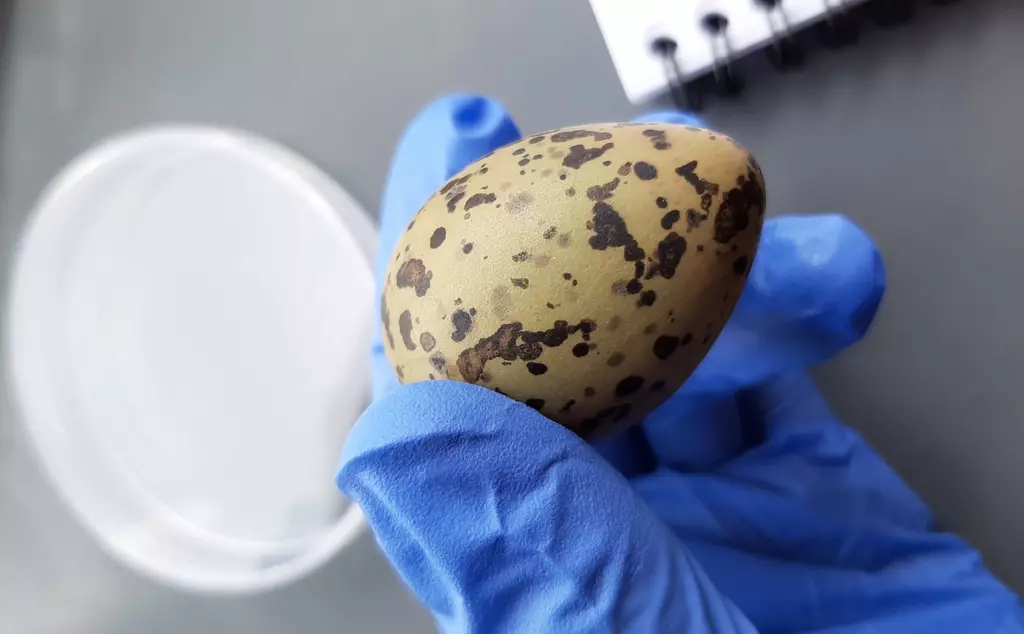
Whenever an egg doesn't hatch, conservationists its exterior and contents a visual examination to try and understand why. Previous research has shown that the mean hatching failure rate of bird eggs is approximately 17%, primarily due to either the egg not being fertilised, or the embryo failing to mature and survive.
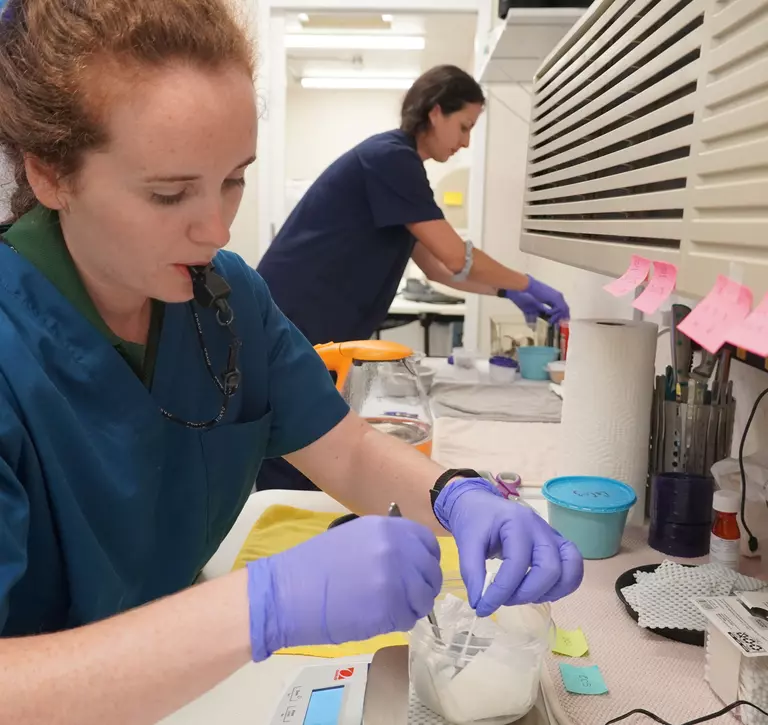
As part of the cutting-edge study, published in the journal Global Ecology & Conservation, 174 visual examinations were compared with the findings of advanced fertility diagnostic examinations, using fluorescence microscopy.
This advanced technique allowed the team of scientists to examine each unhatched egg's contents on a microscopic level, revealing early signs of fertilisation not visible to the naked eye - and identifying that 66% of eggs didn't hatch due to the embryo not fully developing.
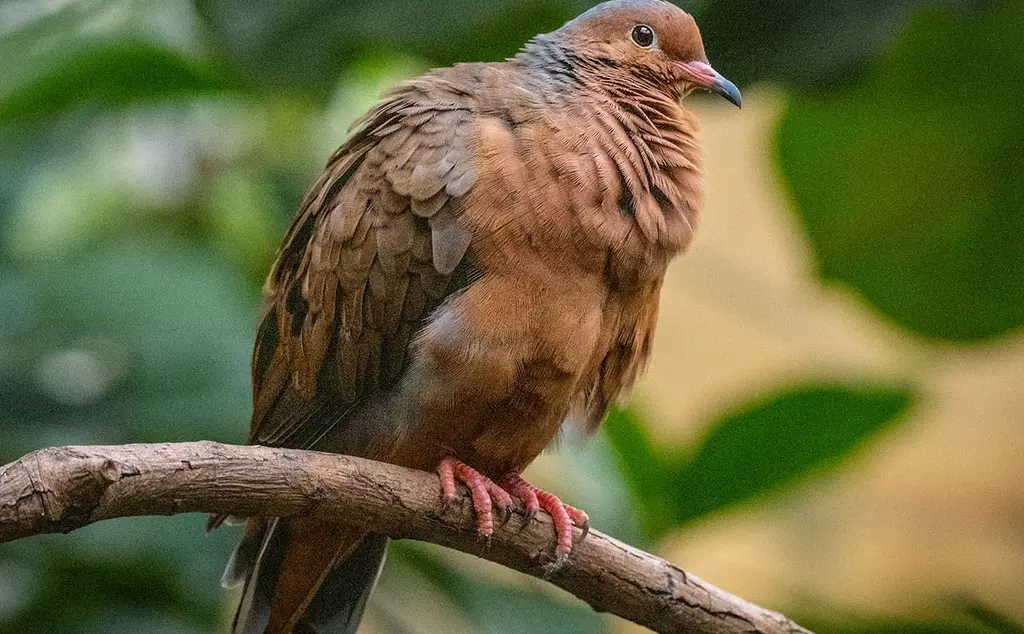
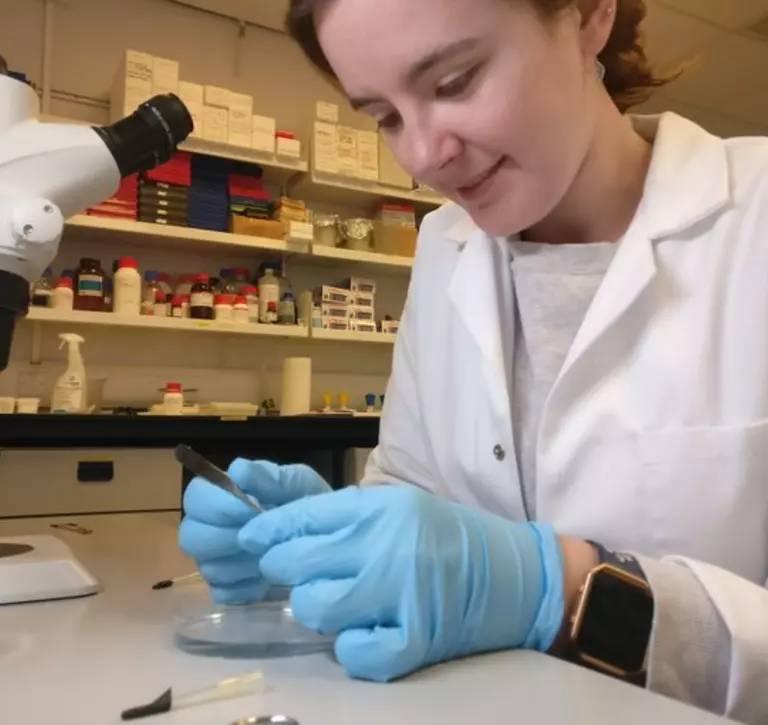
The result of the study challenges previous understanding that an egg not hatching failure was mostly due to not being fertilised.
While the large cost of advanced fertility diagnostics makes it currently unsuitable for all eggs to be studied through this technique, the research team hope this more accurate picture will further the success of breeding programmes, as conservation practitioners can continue to refine their management decisions - and research can focus on why embryos are not reaching maturity.
How the new knowledge is being used to save species
From colourful kingfishers who have disappeared from remote islands, to Britain’s endangered wading birds losing key breeding grounds to human developments, hundreds of species of birds are currently at threat of extinction.
The issue is set to worsen as threats such as climate change intensifies and puts key breeding and wintering grounds at risk.
This breakthrough could help us accelerate recovery efforts by informing our decisions as we work to save these birds, and a stronger, more nuanced understanding of why embryos might not be developing will help inform decision-making by those working across the globe to protect some of the world’s most threatened species
Dr Patricia Brekke, Research Fellow at our Institute of Zoology and co-principal investigator, explained: “These results are hugely encouraging for conservation efforts to protect threatened bird species across the globe. It’s a lot easier to address challenges to embryo development than it is to address infertility, so this finding should help conservationists and zookeepers further tailor and refine interventions to give these threatened species the very best fighting chance of recovery.”
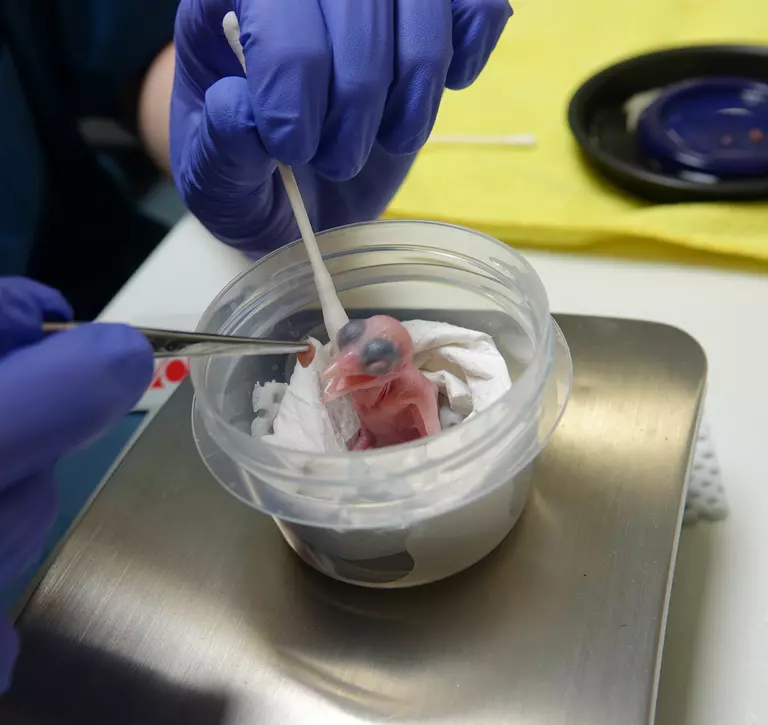
Gary Ward, ZSL’s Curator of Birds for our two conservation zoos, London and Whipsnade, and co-author on the study, added: “Our bird keepers work with some of the world’s most rare and threatened birds, and we’re working against the clock to stop these birds from simply disappearing before our eyes. It’s normal for not all eggs in a clutch to develop - but we’re working at the forefront of tackling alarming levels of biodiversity loss globally, and every potential bird is precious."
Our zookeepers are working with partners to continue testing select eggs to help inform management decisions of birds under their care.
Gary continued: "There are many different factors that contribute to breeding success, and the more understanding we can have into why an egg might not hatch, the more we can refine our care for these birds and the better chance of recovery we can give them.”
Rescuing species from the edge of extinction
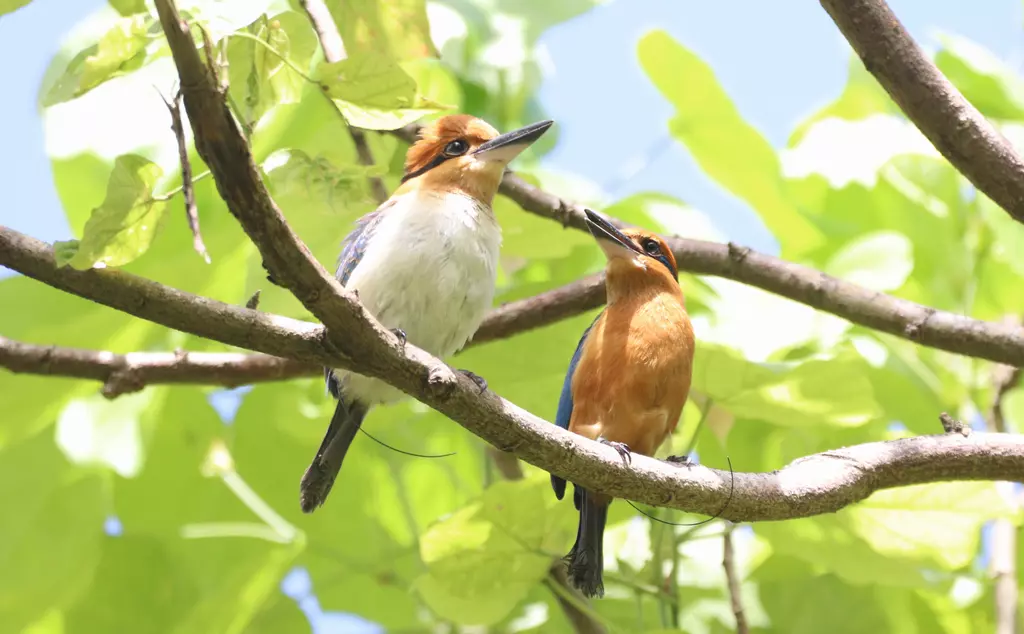
The research team behind the paper are already working with the Sihek Recovery Recovery Program, an international project of conservationists - including from ZSL - working to recover one of the world’s most threatened birds, a turquoise and cinnamon coloured kingfisher from an island in the Pacific, known as Sihek*.
There are only 127 Sihek left in the world, and it is classified as Extinct in the Wild by the International Union for the Conservation of Nature.
Professor John Ewen, from our Institute of Zoology and Sihek Recovery Program Team Chair, said: “Sihek are one of the most threatened birds in the world. Today’s entire population is descended from a tiny handful of just 29 birds, brought under human care as part of an emergency rescue mission."
Last year, nine Sihek - hand-raised within participating North American zoos with support of keepers from London and Whipsnade Zoos - were released into the wild, making them the first Sihek in the wild in almost 40 years.
The release marked a significant step in the mission to re-establish a viable wild population of the birds.
The research team will be working with the Program to support conservation work, with the hope of further increasing the breeding success of the species.
John continued: "We’ve already seen great success, last year releasing birds into the wild for the first time in almost 40 years - but as we would expect for such a genetically limited population, eggs failing to hatch remains a major hurdle.
"This study unlocks essential knowledge that will help us do everything we can to safeguard Sihek and other highly threatened birds. We’re hopeful it will lead to even more tiny Sihek chicks hatching in the near future.”
From ground-breaking science to influencing world leader's wildlife policies, we are there wherever nature needs us. Join us on our journey to restore the natural world.