






For over 30 years, no one thought these fish still existed. Now, there is a real chance to bring them back.
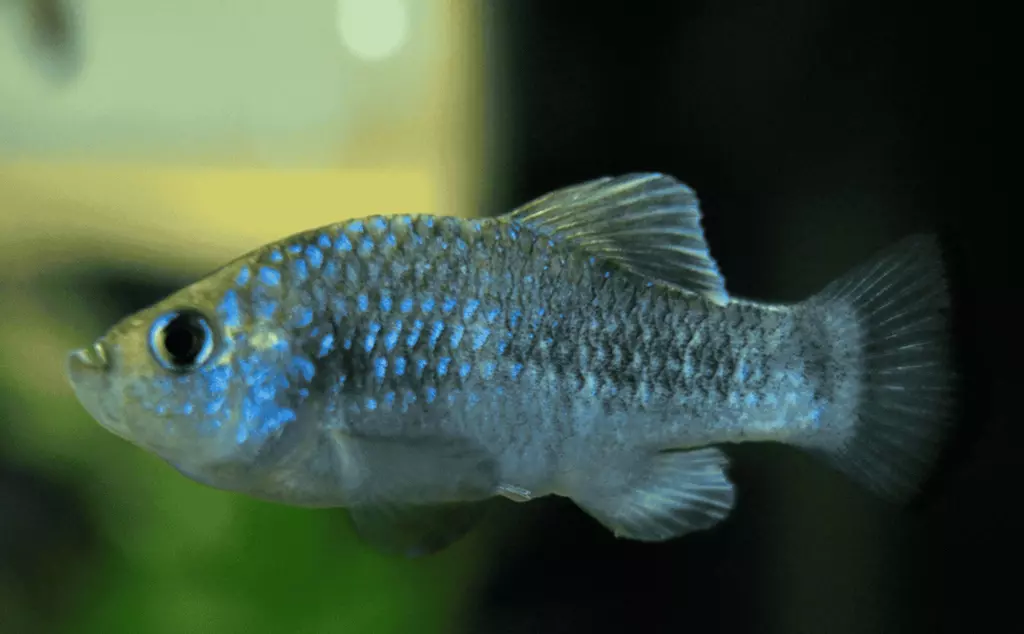
In late 2025, we travelled to northern Mexico to take a critical step towards recovering three freshwater fish species classified as Extinct in the Wild: the Potosí pupfish, La Palma pupfish, and Charco pupfish. Once found only in isolated spring systems, these species disappeared from the wild as water levels declined. Today, they survive only because they have been safeguarded under human care.
From survival to recovery
For more than two decades, these pupfish have been carefully managed in our care at Whipsnade Zoo, preventing their complete extinction. But keeping species alive in zoos has never been the end goal. Our ambition has always been recovery, restoring species to safe, functioning habitats where they can once again live wild.

In 2025, we were awarded a Reverse the Red Accelerator Award, alongside generous donor support from Indianapolis Zoo, to help accelerate action for species on the brink of extinction. This funding is enabling us to move beyond survival and into active recovery. It is supporting repatriation planning, habitat assessment, and renewed collaboration in Mexico.
This work focuses not on a single species, but on developing a coordinated recovery pathway for all three Extinct in the Wild pupfish. Together, they are helping us build a scalable, evidence-based model for freshwater species recovery.
Working with Mexican communities
To move forward responsibly, we needed to return to the places where these species were lost and listen.
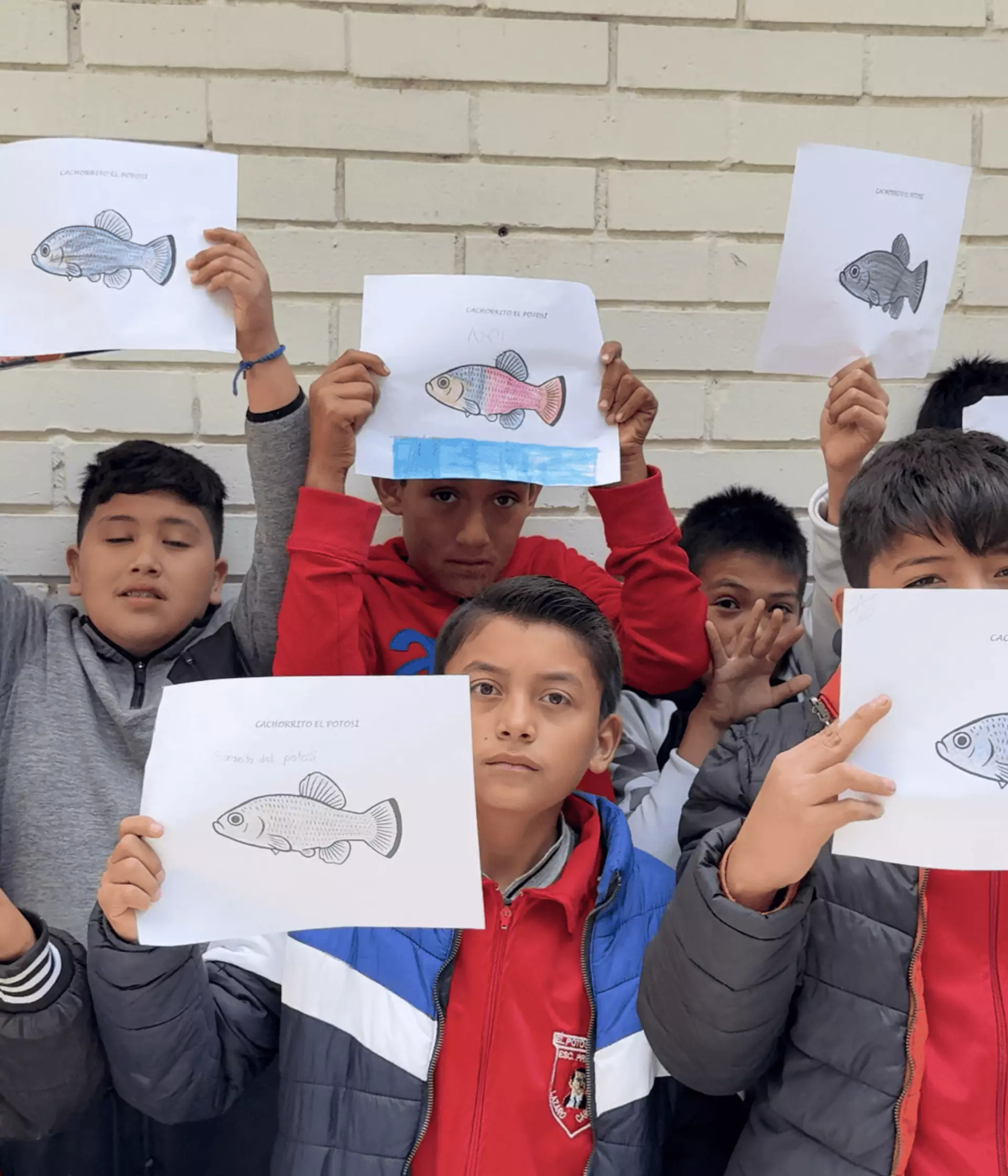
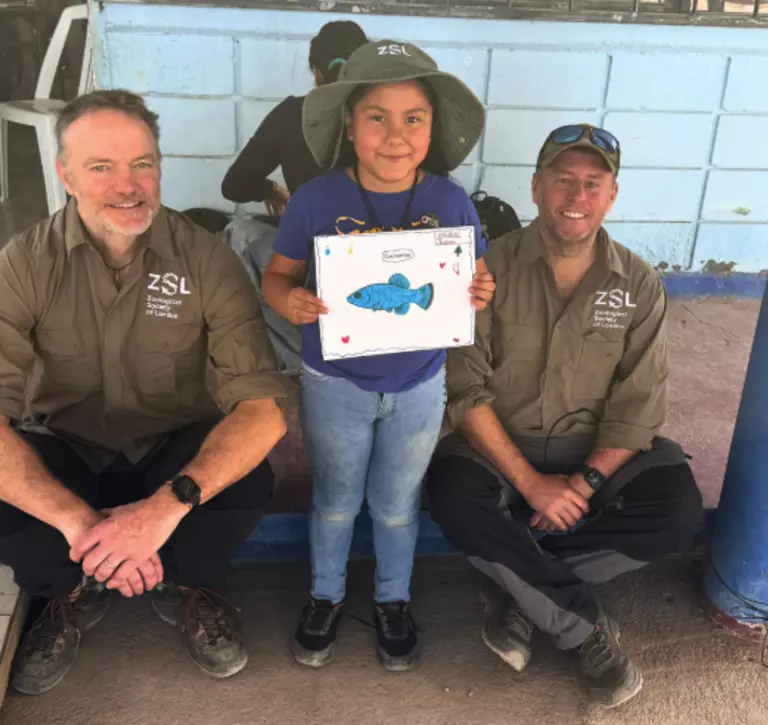
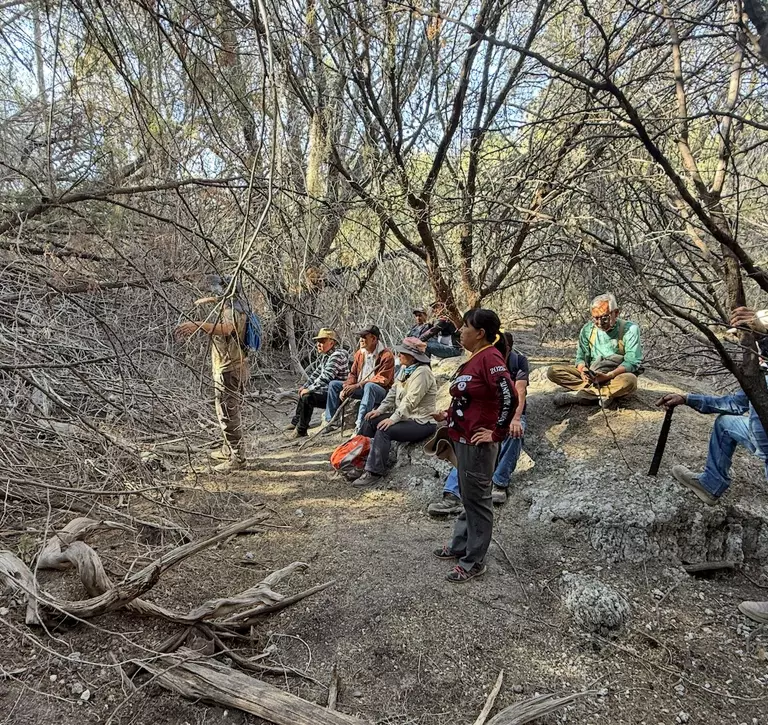
Working alongside Mexican partners, we met with local mayors, municipal presidents, farmers, schools, universities and community members. These conversations were essential for securing local approval, rebuilding trust, and understanding how recovery could happen with community guidance and support.
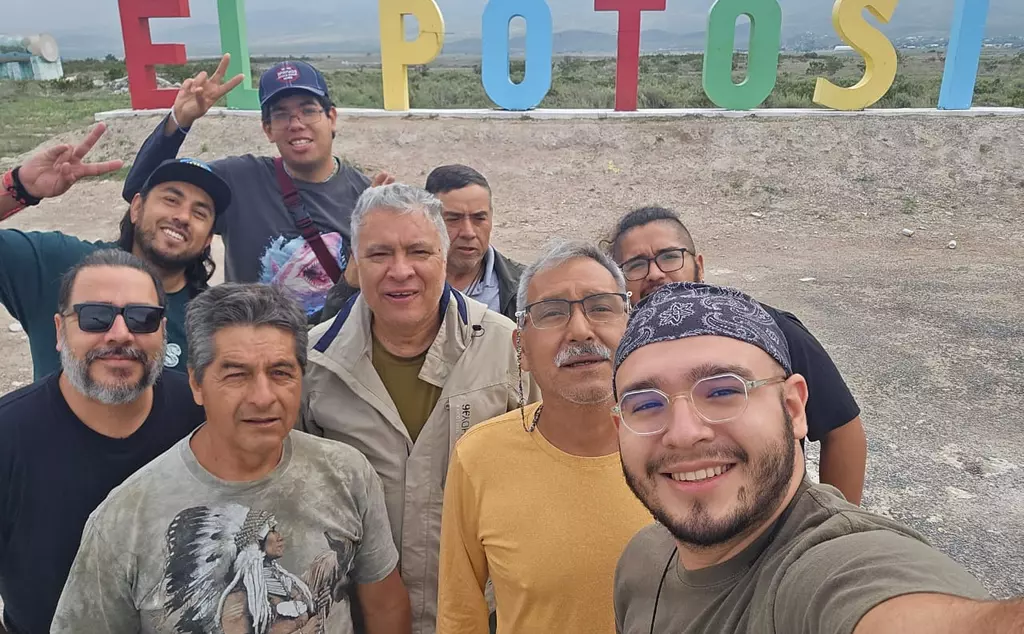
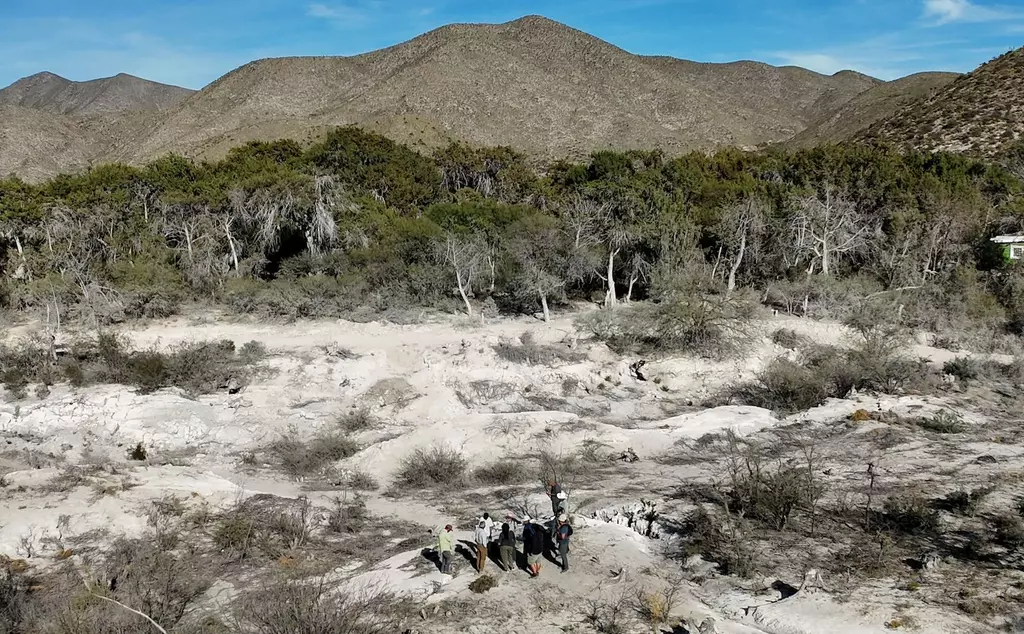
We visited each historic spring to assess its potential for rehabilitation, using drone surveys, 3D scanning techniques and hydrological expertise to better understand how water systems function beneath the landscape. Together with local stakeholders, we explored how improved water management and more sustainable agricultural practices could help restore these fragile ecosystems over time.
For many people, learning that the pupfish still exist, cared for thousands of miles away, came as a surprise. That realisation shifted conversations from loss to possibility.
What happens next
This visit laid the foundations, and the work is already continuing.
Over the next year, Accelerator Award funding will support continued breeding at Whipsnade Zoo, training opportunities for Mexican aquarists, further site assessments and, if all goes to plan, the transfer of pupfish from our care in the UK to an aquarium facility in Mexico. This step would bring these species one stage closer to an eventual return to the wild.
Reversing extinction in the wild takes time, collaboration and long-term commitment. By working with Mexican communities, partners and decision-makers, we are turning survival into recovery and helping bring species back from the brink.
The IUCN SSC Extinct in the Wild Action Partnership
Working with like-minded conservation partners, ZSL have formed an Extinct in the Wild Action Partnership (EWAP) to drive forward species recovery of the world’s most threatened species, secure their future, and restore them responsibly back into safe wild habitats.
Our work goes beyond the expert care we provide to animal species at London and Whipsnade Zoos, to include carefully planned and resourced rescue operations for species where continued existence in the wild is not possible. We are releasing species back into the wild and reinforcing these newly wild populations, drawing on our cutting-edge science and field management support.
Together with our partners, we will lead by example and inspire others to turn innovative plans into courageous actions. We are drawing a line in the sand to halt human-induced species extinction.