







21 August 2025
Building a scientific reference library of African timber to trace products back to their forest origin – strengthening due diligence and supporting responsible trade
Why timber traceability matters for forest conservation and sustainability
From the floors in our homes to the furniture we use every day, timber is a material we find in everything we use. But behind every wooden product is a forest, and knowing exactly where that timber was harvested from is crucial to protecting nature and ensuring fair, sustainable trade.
That’s why we have started a new project in Cameroon that uses science to trace the geographic origin of timber, focusing on three widely traded species – Milicia excelsa, Afzelia bipindensis and Tectona grandis. We are working with World Forest ID and other expert partners to build a reference library that can help verify where timber has come from. Funded by Fondation Lombard Odier and the EU through the ECO-SOLVE project, this project is part of wider efforts to promote responsible sourcing and make global timber supply chains more transparent and accountable.
About Cameroon – our current focus country
Cameroon is part of the Congo Basin – the world’s second largest tropical rainforest after the Amazon. Its forests support rich biodiversity and the livelihoods of millions, and are a vital carbon sink. Forestry is central to the country’s economy, but without strong safeguards, unsustainable practices threaten both nature and communities. As Africa’s third largest timber exporter, Cameroon plays a major role in the global timber trade. With complex supply chains and limited oversight, scientific verification can complement traceability systems, go beyond documentary evidence, and help companies and authorities strengthen due diligence.
A simple overview of how timber origin testing works
Scientific origin testing techniques like Trace Element Analysis (TEA) and Stable Isotope Ratio Analysis (SIRA) rely on the fact that trees and plants have distinct chemical and isotopic properties that are specific to their species and location of harvest.
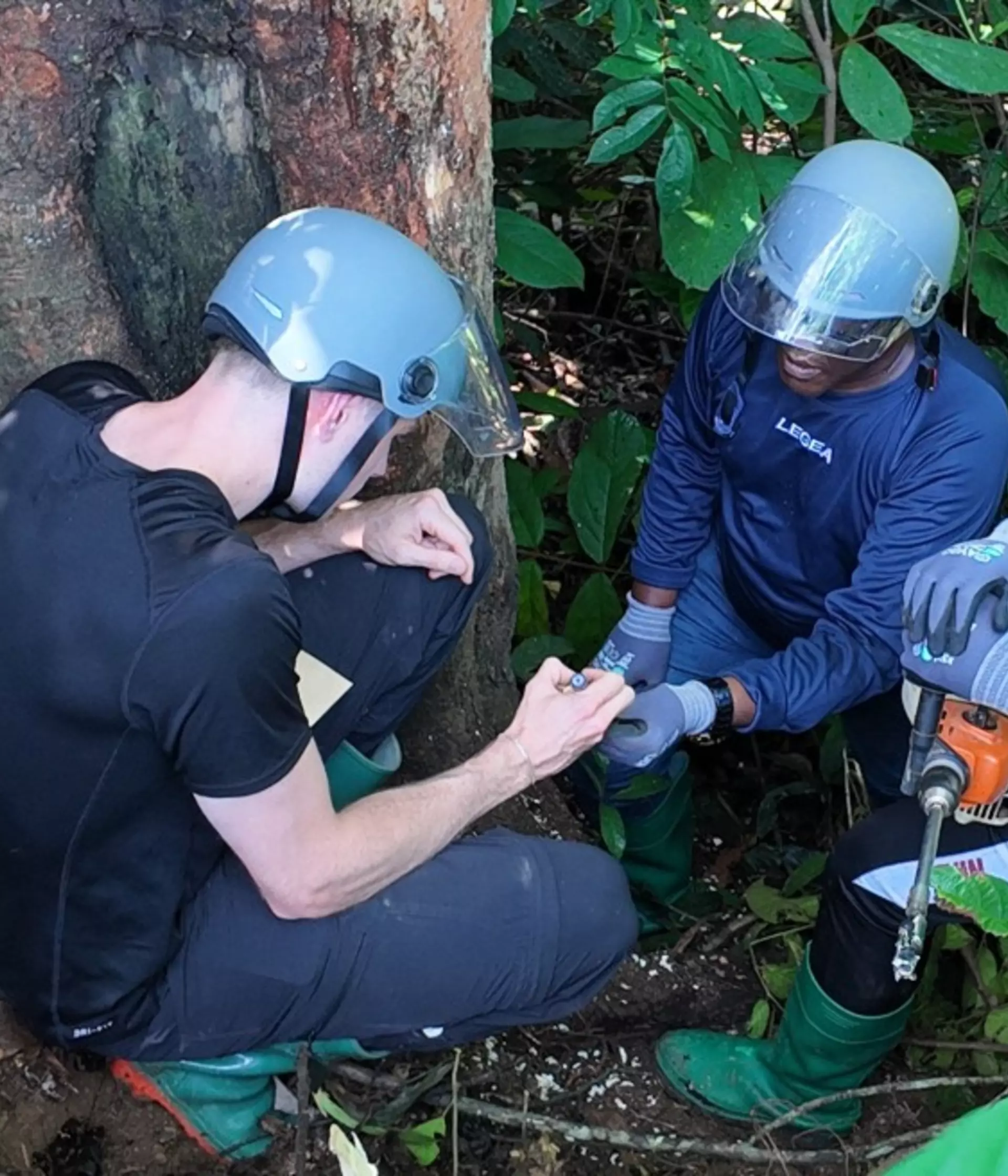
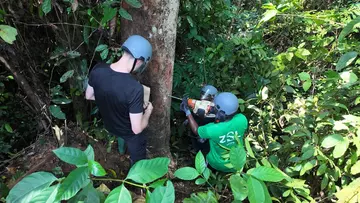
Our project involves collecting georeferenced wood samples from forests across Cameroon and the Republic of Congo. This means that the precise location of each wood sample is recorded. By studying these georeferenced samples in the lab, scientists can create spatial models that effectively map these chemical and isotopic patterns of timber species to their harvest locations, even down to the subnational level.
By developing comprehensive reference libraries, companies and enforcement authorities can verify the claimed harvest location of a wood product by comparing the chemical or isotopic values of the tested sample against the reference database and seeing if there is a match or mismatch.
This helps expose false claims of origin, prevent unsustainable harvesting and support trade based on verified, legal sourcing.
What is our role, and who do we work with?
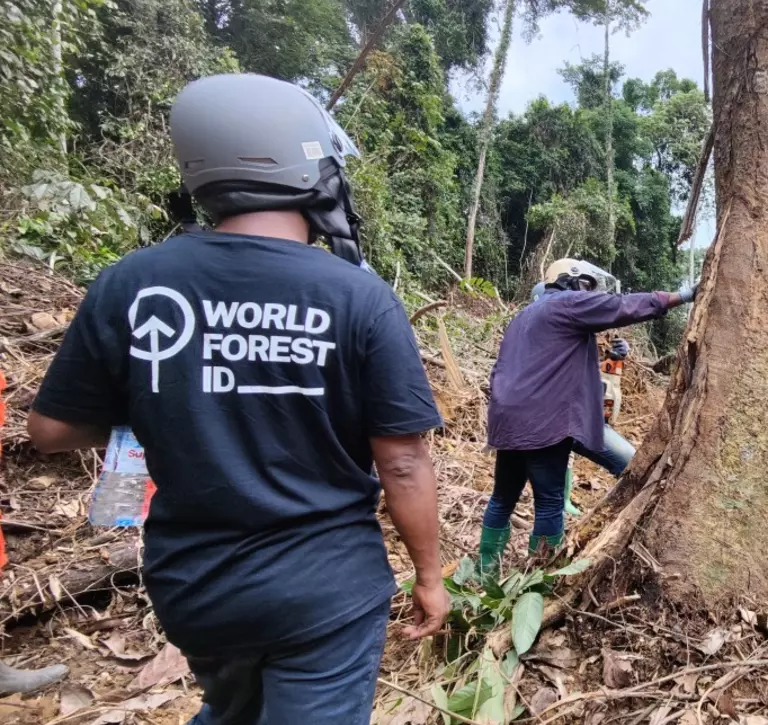
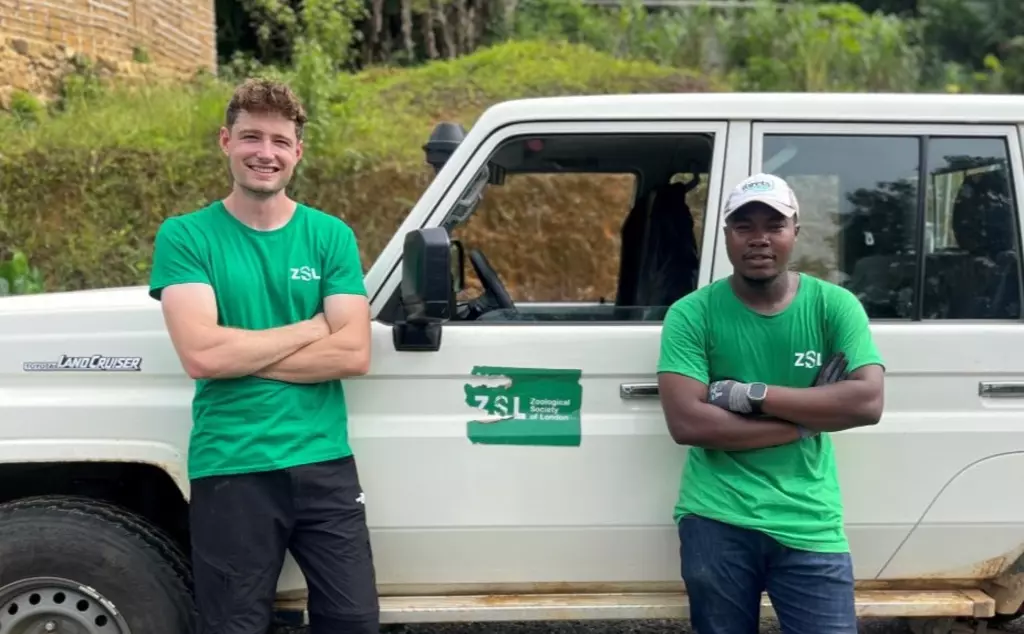
Our main role in this project is leading fieldwork in Cameroon. We’re collecting timber samples from managed forestry concessions and community forests, drawing on our existing relationships with timber companies built up over the past years engaging on their corporate transparency, as well as a network of government actors and local conservation partners.
This work is guided by our leading partner, World Forest ID, who will coordinate the sampling strategy, train the team members involved in the collection process, ensure that samples are collected according to strict methodological protocols, and develop species-specific origin models from the chemical data of the samples we collect.


Beyond the field, we’re helping to raise awareness of how scientific origin testing can support companies sourcing wood products meet their due diligence requirements. We’re also working with partners like Timber Development UK and Etifor to engage stakeholders and highlight how these tools can support enforcement under laws such as the EU Deforestation Regulation (EUDR) and UK Timber Regulation (UKTR).
This project aligns with our broader strategy to create change through science, partnerships and conservation leadership. By helping develop tools that support forest protection and responsible sourcing, we’re not only safeguarding wildlife habitats but also contributing to more transparent and sustainable trade systems.
Where are we now? What are the next steps?
We’re currently collecting samples in Cameroon. Over the coming months, we’ll be sharing more about the journey – how samples are gathered, how the science works, and what this could mean for forests, companies, and consumers alike.
Do you source timber from Cameroon or the Republic of Congo? Get in touch to explore how origin testing could work for your business, or just to have a conversation.


ZSL can support your due diligence on timber sourcing
Contact our team to explore how we can support your business on timber traceability, from origin testing to responsible sourcing and due diligence