






7 July 2025
When people think of endangered species, they often picture tigers, rhinos, or elephants. But many of the world’s most threatened organisms are rooted in place - literally.
From ancient conifers to high-altitude pines and microendemic flowers, plants form the backbone of entire ecosystems. Without them, food chains collapse, soil erodes, and biodiversity vanishes.
Through the EDGE Fellowship programme, ZSL is helping train early-career conservationists around the world to protect some of the planet’s most unique and endangered species. This includes overlooked but vital plants, many of which support whole ecosystems, livelihoods, and climate resilience.
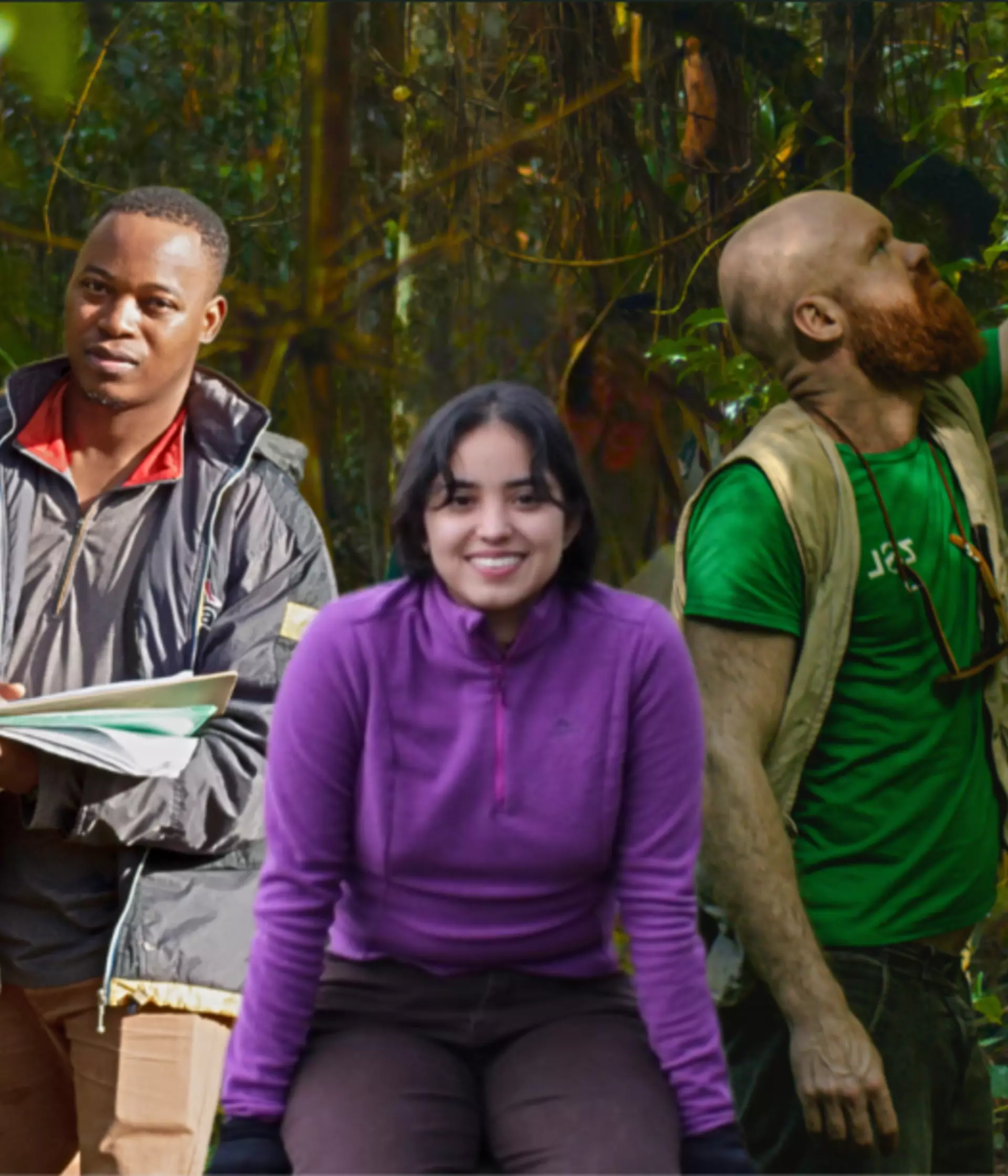
We spoke to three inspiring EDGE Fellows working to conserve plant species and restore the habitats they sustain: Ibrahim Mitole in Malawi, María Susana Sánchez Chávez in Mexico, and Elton John de Lírio in Brazil.
What made you want to work in plant conservation?
"One of my most extraordinary experiences in conservation happened some years ago when we rediscovered two plant species that hadn't been seen in the wild for over 100 years," says Elton John de Lírio, an EDGE Fellow based in Brazil. "Finding plants that were presumed extinct was incredibly exciting and profoundly meaningful."
That rediscovery invigorated John's passion for plant conservation. Today, he works to protect three rare Podocarpus species in Brazil's Atlantic Forest.
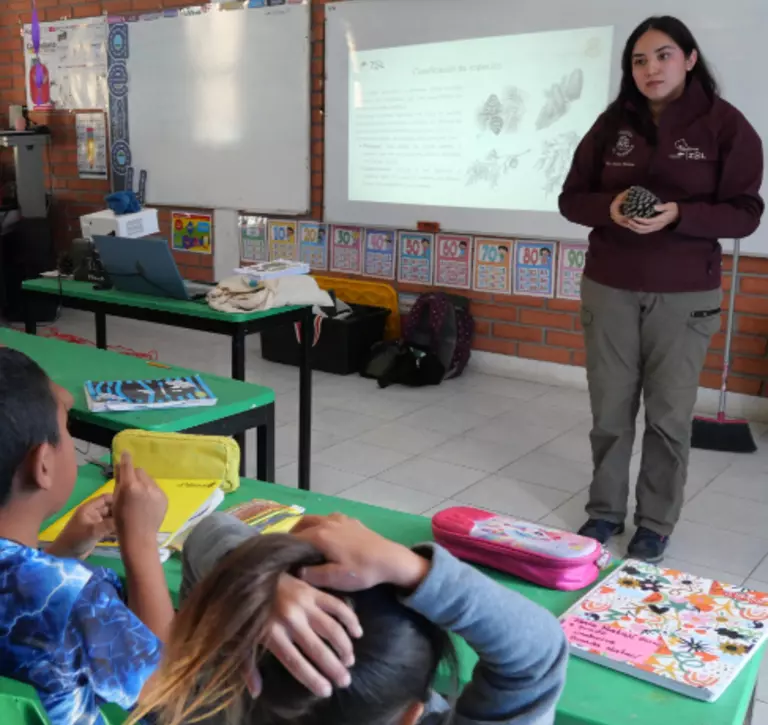
For María Susana Sánchez Chávez, who works in the high elevations of northern Mexico to save the one of its most endangered tree species, the Potosi pinyon pine, a deeper connection came through unexpected field experiences.
“My work has brought me closer to rural communities," says Susana. "At first, I mistakenly assumed people would not be very interested in the project, but I was met with genuine interest and the discovery that some had even started their own initiatives to save this plant species. This was incredibly inspiring for me, and showed that my work would have a real impact on the ecosystem these communities depend on.”
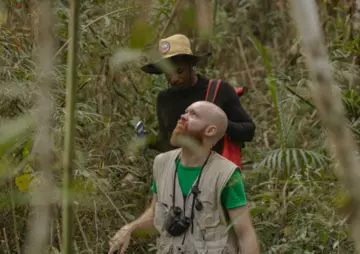
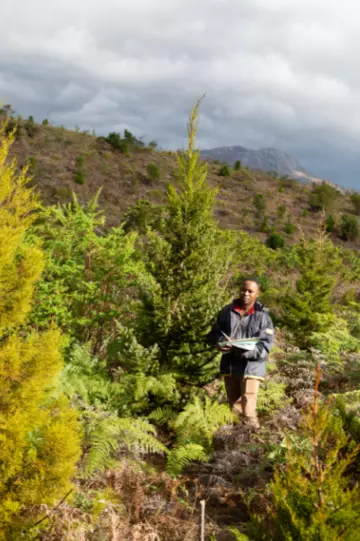
Ibrahim Mitole, based in Malawi, grew up surrounded by forests—but also watched them vanish. He is now working to protect the iconic Mulanje cedar tree in one of Malawi's most threatened habitats, the misty slopes of Mount Mulanje.
“As years went by, I saw forest areas being lost within my community with the increasing demand for charcoal and firewood," says Ibrahim. "This made me realise that the forests I admire will one day be lost, and something had to be done. When I joined Mount Mulanje Conservation Trust and learned about the Mulanje Cedar, I decided to commit in finding solutions to save it from extinction.”
How does your work help restore habitats?
For all three Fellows, conserving a single plant species often means bringing entire habitats back to life.
Ibrahim’s work with Mulanje Cedar includes planting and monitoring seedlings in partnership with local communities.
"Most people see Mulanje cedar as valuable for its durable wood, but few realize how crucial it is for maintaining ecosystem stability on Mount Mulanje. The tree plays a role in soil conservation and supports a microhabitat for other species, making its decline even more concerning."
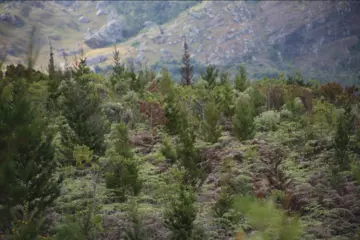
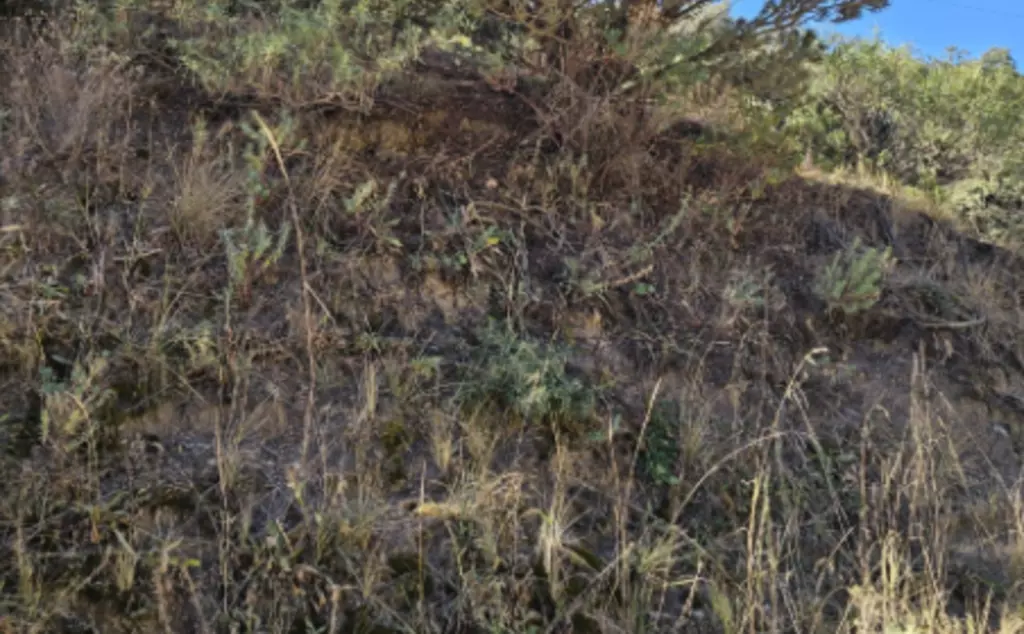
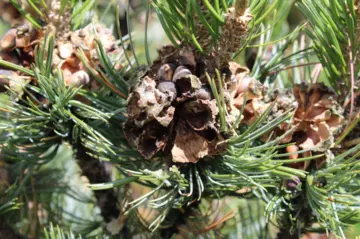
Susana’s work on Pinus culminicola, found only above 3,000m in the Sierra Madre, includes genomic research and community-led recovery efforts.
"We are planning a direct intervention in the Potosi pinyon pine's ecosystem through a system of exclusion zones, which will support the regeneration of the species and its habitat. We also strongly believe that this will enable long-term benefits like water availability for nearby villages."
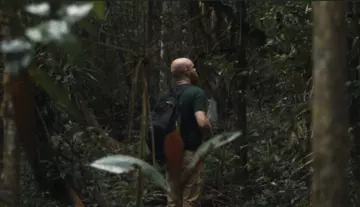
Through patient recovery work, John and his team are not only helping this rare species bounce back—they’re laying the groundwork for a healthier, more resilient forest ecosystem. He describes the following as one of the most rewarding achievements in his career:
“When we began our work, this species was in a precarious situation, with only about 80 individuals known to exist in the wild… After five years of dedicated effort, we achieved a significant milestone by increasing the wild population by nearly 60%. This experience demonstrated that with scientific knowledge, patience, and persistent conservation action, even species on the brink of extinction can be brought back from the edge."
What's one misconception about conservation you wish more people knew about?
For both Ibrahim and Susana, working across two separate continents, one of the biggest misconceptions is the idea that conservation means leaving nature untouched. In reality, they say, it’s about finding sustainable, practical ways for people and wildlife to thrive together.
“Many people think conservation is just about protecting wildlife in isolation, like locking nature away from human influence," explains Ibrahim. "But conservation is deeply interconnected with economics, politics, and social systems. It’s not just about trees and animals, but it is about people, policies, and sustainable solutions that ensure biodiversity can thrive alongside human and societal needs.”
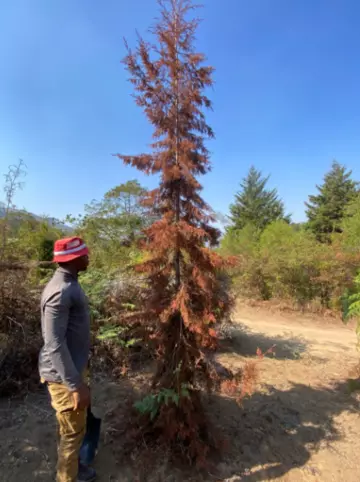
“I think many people who are not familiar with conservation believe that it means leaving ecosystems completely untouched," Susana says. "But personally, I believe that responsible use and conservation go hand in hand. Sustainable, rational, and well-planned use of natural resources is essential.”
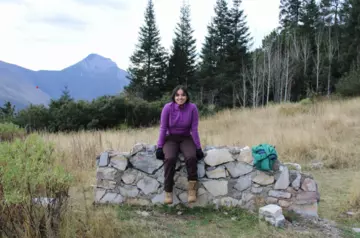
Both work closely with local communities and see firsthand how conservation succeeds when it’s inclusive—when it reflects how people live, and what they value.
For John, the misconception lies in how success in conservation is measured. He believes it’s not about how many species are on endangered lists, but how many we can help recover.
“The true measure of conservation success isn't putting species on endangered lists—it's developing strategies to remove them from these lists.”
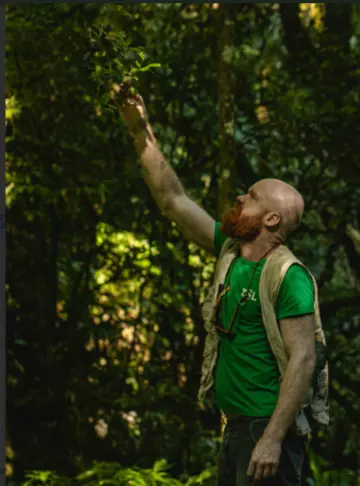
His work with the Podocarpus species shows that with enough persistence, species can be brought back from the brink—and that’s the kind of success we should be striving for.
Protecting Plants, Restoring Life
Through their work on some of the world’s most threatened plant species, these EDGE Fellows are doing far more than conserving flora. They’re restoring entire ecosystems, empowering communities, and reshaping the way we think about conservation.
By training a new generation of conservationists, they’re helping ensure that even the most overlooked species have a future. Because protecting plants means protecting the countless animals, insects, and people who depend on them.