






Dr Aidan Byrne
Postdoctoral Research Assistant
Wetlands play an essential role in regulating our planet’s climate – and our latest research, led by Dr Aidan Byrne, reveals that the swamp forests of the Congo Basin are playing a bigger role than previously thought...
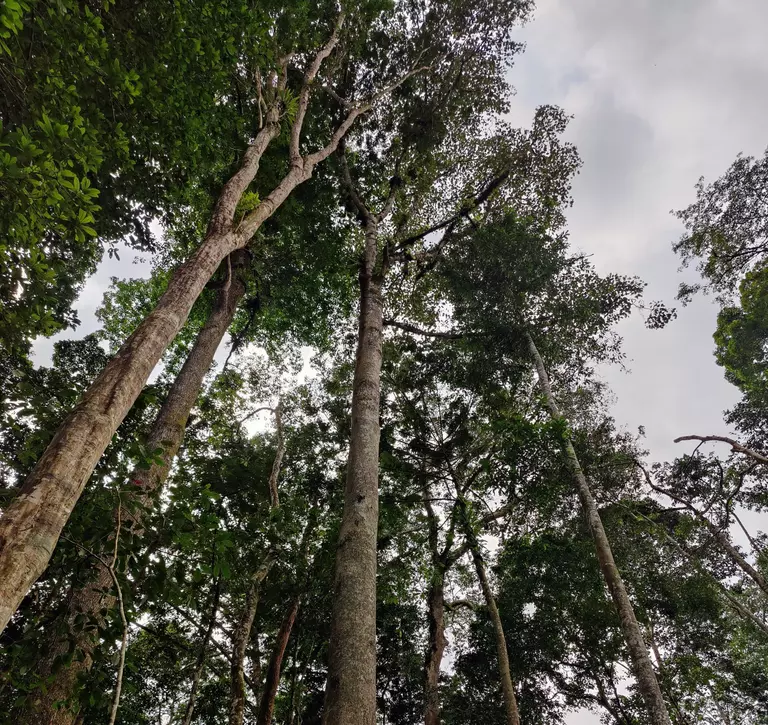
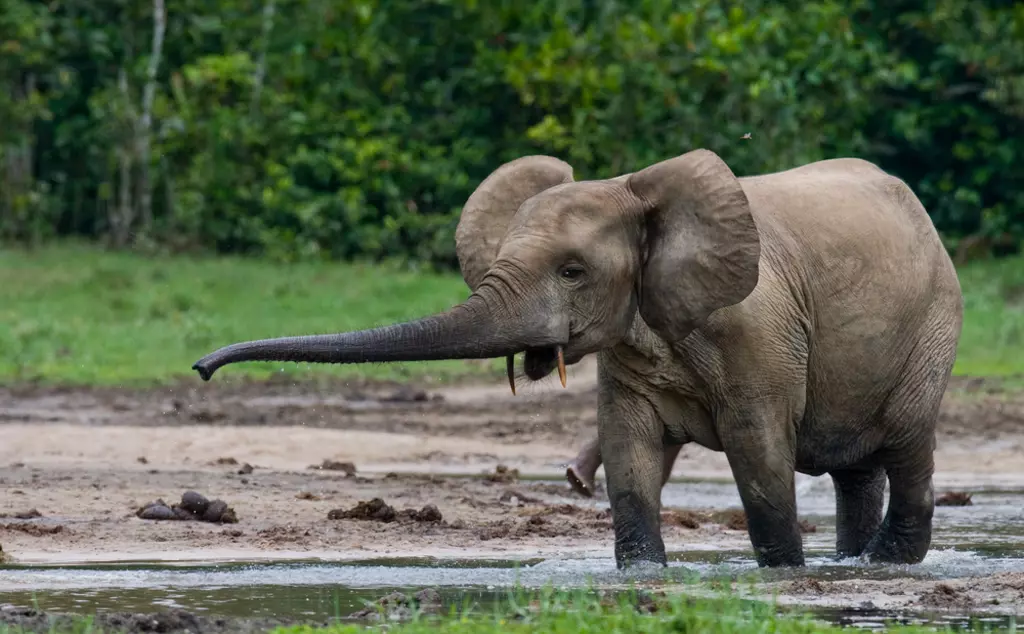
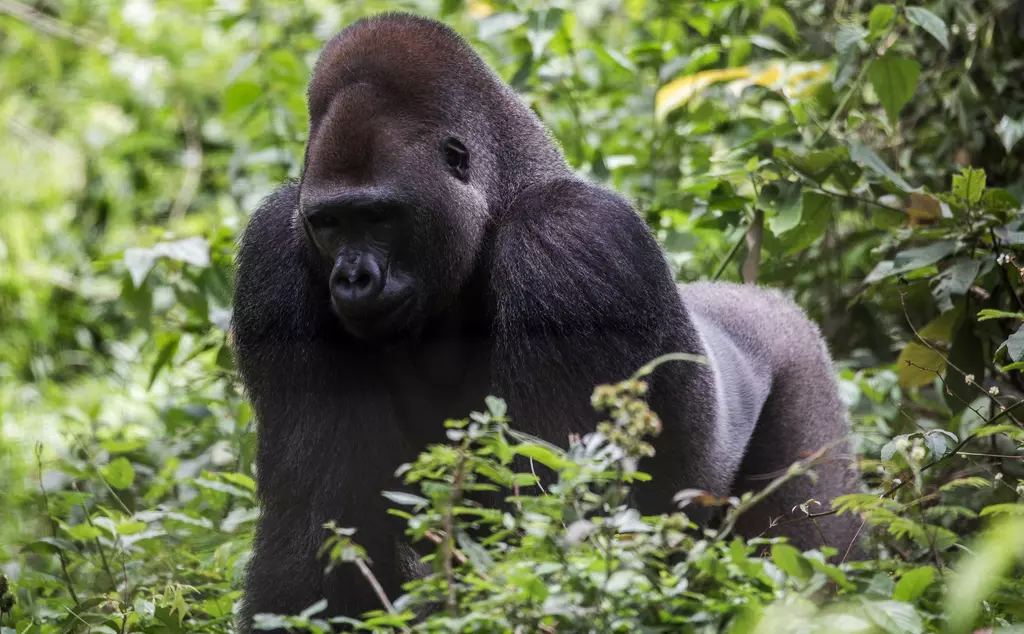
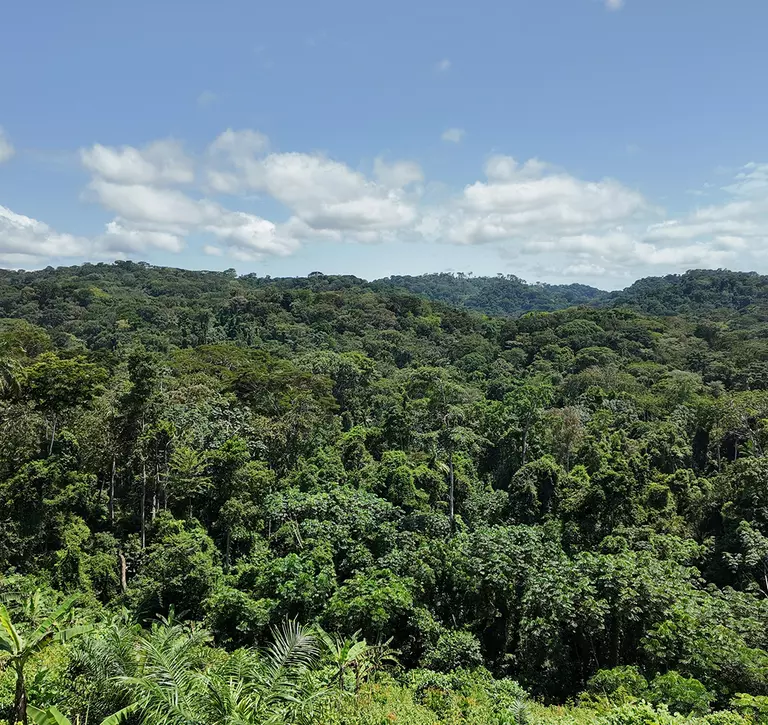
The Congo Basin is home to the world’s second largest tropical rainforest. In its depths are vast swamp forests with an area larger than England, stretches of towering trees and murky waters, that harbour unique biodiversity found nowhere else on earth. These remote, waterlogged ecosystems are not easy places to reach and they are often hidden beneath dense forest canopies, making them particularly challenging to study. But beyond acting as a refuge for western lowland gorillas and African forest elephants, these wetlands are incredibly important.
Wetlands like these store carbon, regulate water, reduce flooding and support extraordinary wildlife. Across the globe, however, wetlands are disappearing three times faster than forests. They are drained for farming, cleared for development, or degraded as the climate changes. When they dry out, the carbon locked in their soils is released into the atmosphere, accelerating climate change.
The carbon stored below ground in the Congo swamp forests is equivalent to 3 years of global fossil fuel emissions, however due to limited data we didn’t know if these wetlands were actually drying out or by how much.
That’s why we wanted to understand what is happening in one of the largest and least studied wetland complexes on the planet, the swamp forests of the Congo Basin.
Our research shows that the swamp forests are growing
In our recent study, published in Global Change Biology, we combined nearly two decades of satellite data with wetland greenhouse gas estimates to track changes in the Congo Basin’s swamp forests between 2007 and 2024. This involved using radar satellites that can penetrate the dense forest canopies to identify the hidden swamp waters underneath.
What we found surprised us. Instead of shrinking, these swamp forests expanded from roughly 195,000 km2 to over 222,000 km2. While previous research reported long-term drying trends in the basin, our results indicate a reversal of this trend. Upon further investigation, we attributed this wetland expansion to a period of higher rainfall starting in 2016, likely driven by warming ocean and land surface temperatures.
So, we showed how climate change is impacting the swamp forests, but how do these swamp forests impact the climate in return?
Wetlands are complex when it comes to climate. They absorb carbon dioxide because waterlogged soils slow down decomposition, allowing carbon to accumulate over time. But they also emit methane, a powerful greenhouse gas produced in oxygen-poor, water-saturated soils. So we asked: does wetland expansion mean more climate warming, or more cooling?
When we accounted for both carbon dioxide and methane emissions - using a metric called “CO₂-equivalent emissions”, which combines their atmospheric warming effects into a single measure - we found that the wetland expansion led to a net reduction of around 2 million tonnes of CO₂-equivalent emissions per year.
In simple terms: as these wetlands expanded, they strengthened the Congo Basin’s role as a natural carbon sink, absorbing more climate-warming gases than when water levels were lower.
Redefining the Congo Basin’s role in tackling climate change
Wetlands cover only a small fraction of Earth’s land surface, but they punch far above their weight in climate regulation. Their peat-rich soils store vast amounts of carbon built up over thousands of years. When they remain wet, that carbon stays locked underground. When they dry out, it makes its way into our atmosphere.
Our findings challenge the assumption that long-term drying trends in the Congo Basin have dried out the swamp forests and their peat-rich soils. The unexpected wetland expansion we observed, driven by increasing rainfall in recent years, shows how dynamic and responsive these ecosystems are to climate change and other pressures. Our work shows how important the region is for regulating our climate and buffering against climate change, however it also shows how sensitive these ecosystems are to change.
We must protect swamp forests against deforestation
The Congo Basin’s swamp forests are still under pressure from logging, mining, oil extraction, infrastructure development and potential drainage. Protecting them must be a priority, not only for biodiversity, but for the global climate.
We need to recognise the value of intact wetlands as natural climate solutions and prioritise them for conservation. This means stronger protections to prevent deforestation, wetland drainage for agriculture and infrastructure developments that impact natural flood regimes.
We also need to invest in monitoring systems so we can track changes in real time on the ground. This will also help us use satellite data and other methods to monitor the wetlands more effectively.
Our study shows that when these landscapes are allowed to remain wet and connected, they can help slow climate change. That is cause for optimism. Nature has an extraordinary capacity to recover and to support us, but only if we give it the space and protection it needs.
This research was conducted as part of ZSL’s work in the Western Congo Basin under the Biodiverse Landscape Fund (BLF), a UK government funded initiative to develop integrated approaches to the poverty, climate and nature crises in in six critical landscapes across the globe.
At ZSL, we believe that nature can recover, and that conservation is most effective when driven by science. We call for science to guide all global decisions on environment and biodiversity and build a healthier future for wildlife, people and the planet.