







ZSL science journal
We're advancing understanding of wildlife through publishing high quality research papers on all aspects of zoology. Our journal has been spotlighting science around the world for two hundred years, and we've been listed as one of the most influential journals in biology and medicine over the last century.
We're publishing ground-breaking work that is solving wildlife mysteries, uncovering the secret behaviour of olms and revealing why shrimp leave the water to walk onto land. We welcome research on animal behaviour, ecology, physiology, anatomy, developmental biology, evolution, systematics, genetics and genomics, and particularly look for work that explores the interconnectivity between these disciplines.
Two hundred years of science
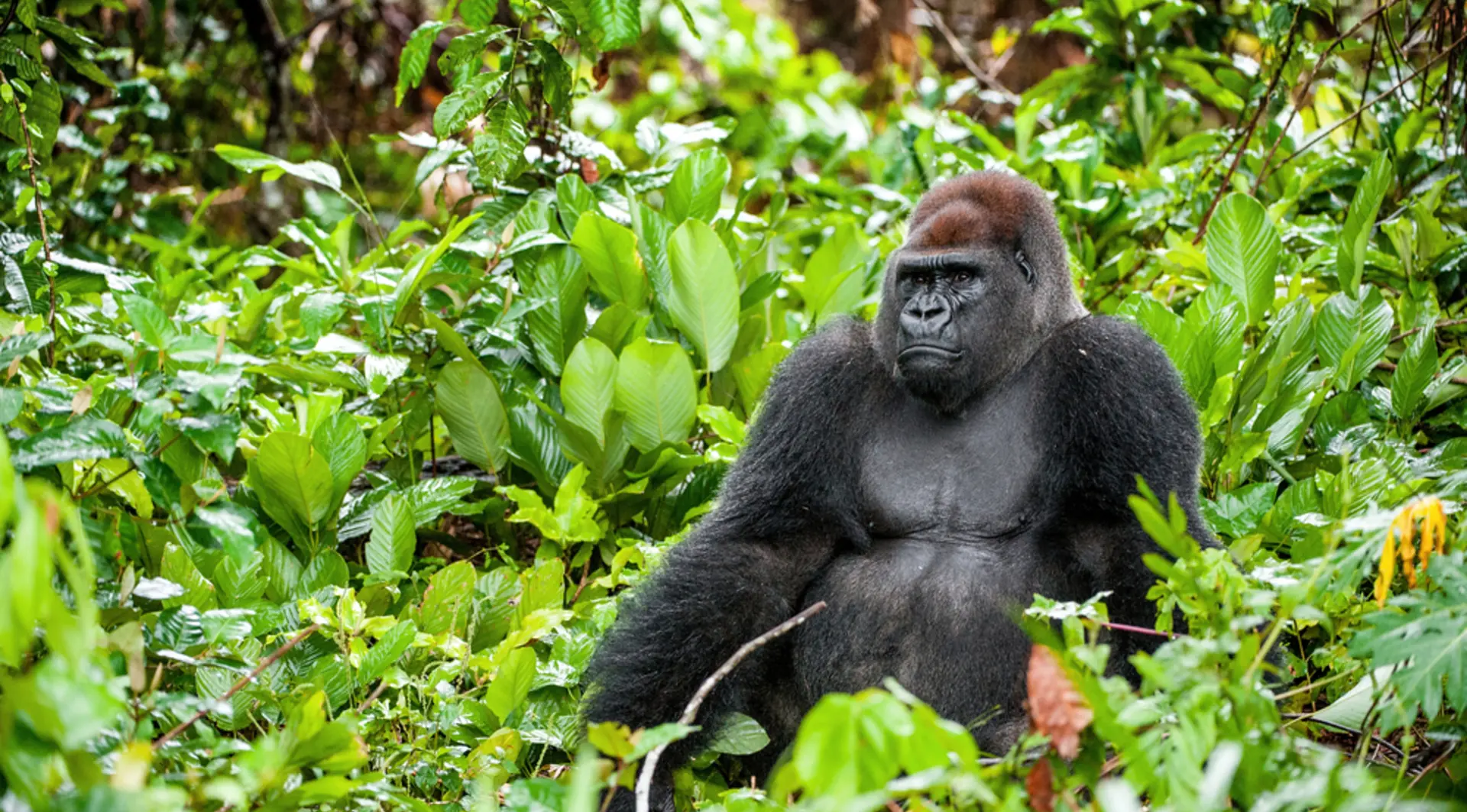
Journal of Zoology
Look back at papers from the journal, from the very first volume in 1830 to today's cutting-edge scientific research.
Science at ZSL
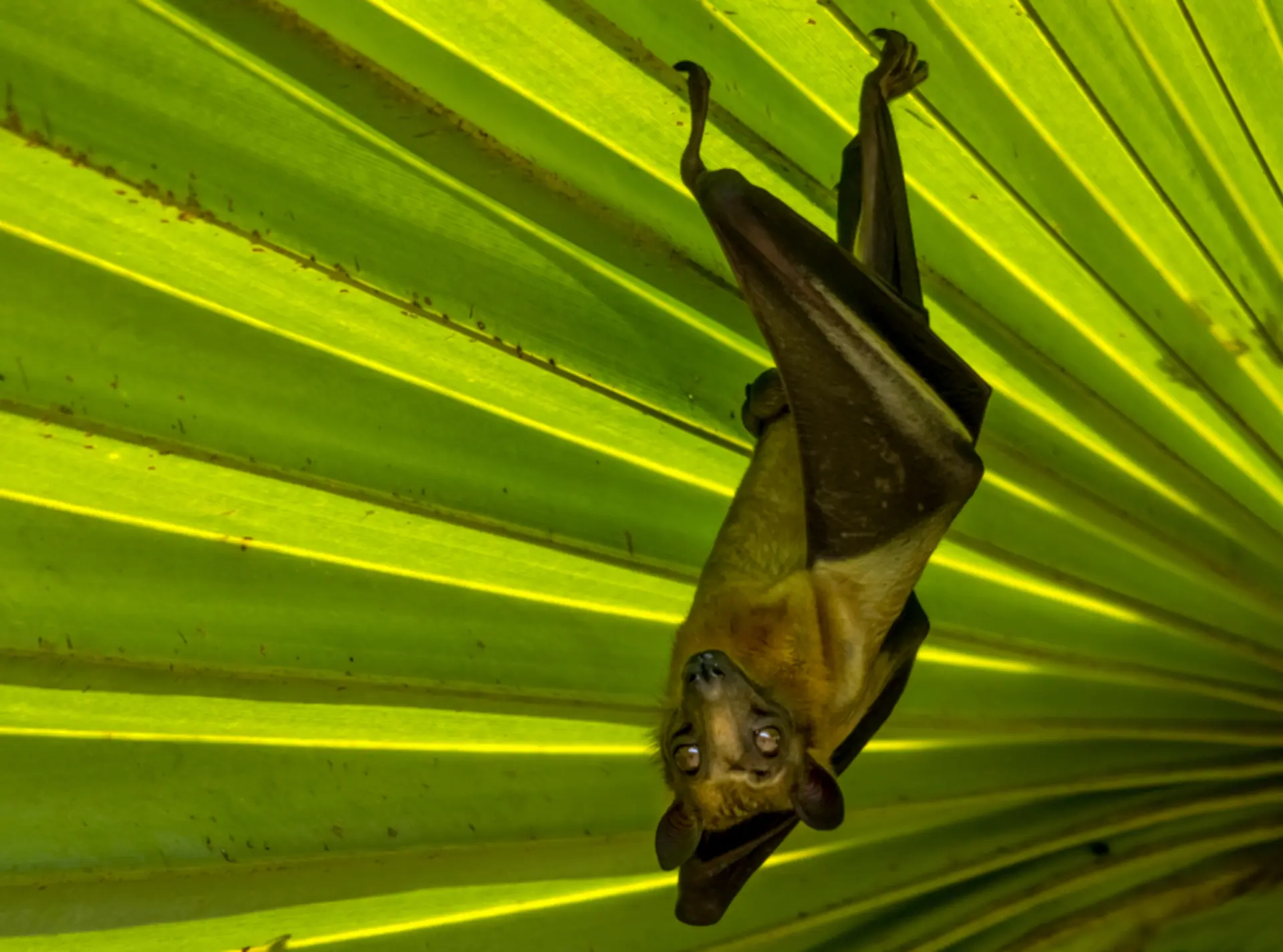 Leading research on viruses found in bats
Understanding bats and disease
Bats make up 22% of all mammals, and their unique immune response which enables them to remain healthy despite carrying viruses that would cause serious disease in people and other mammals.
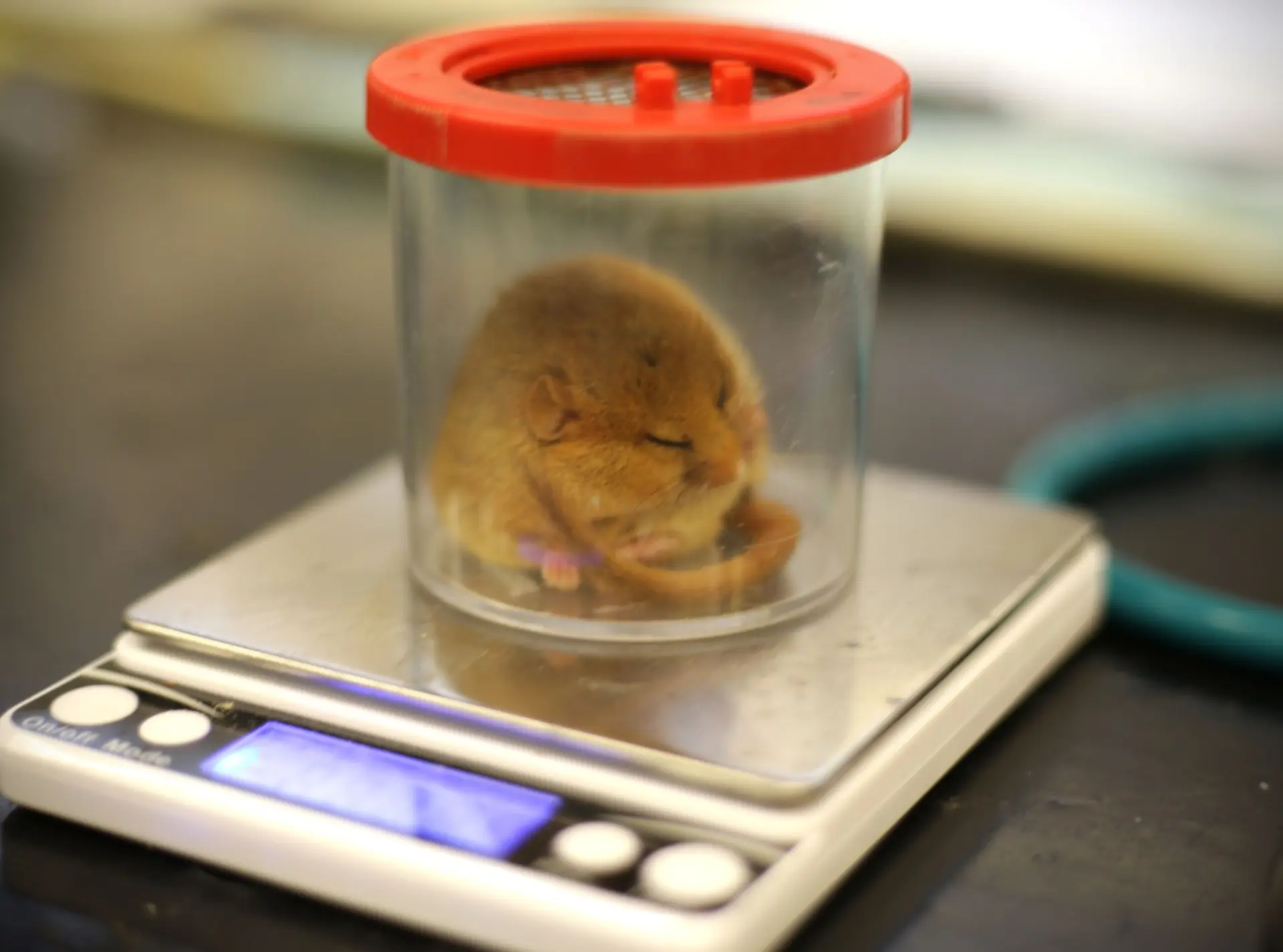 Providing essential wildlife health checks
Wildlife Disease Risk Analysis and Health Surveillance
Our DRAHS team provides essential wildlife health checks for conservation projects.
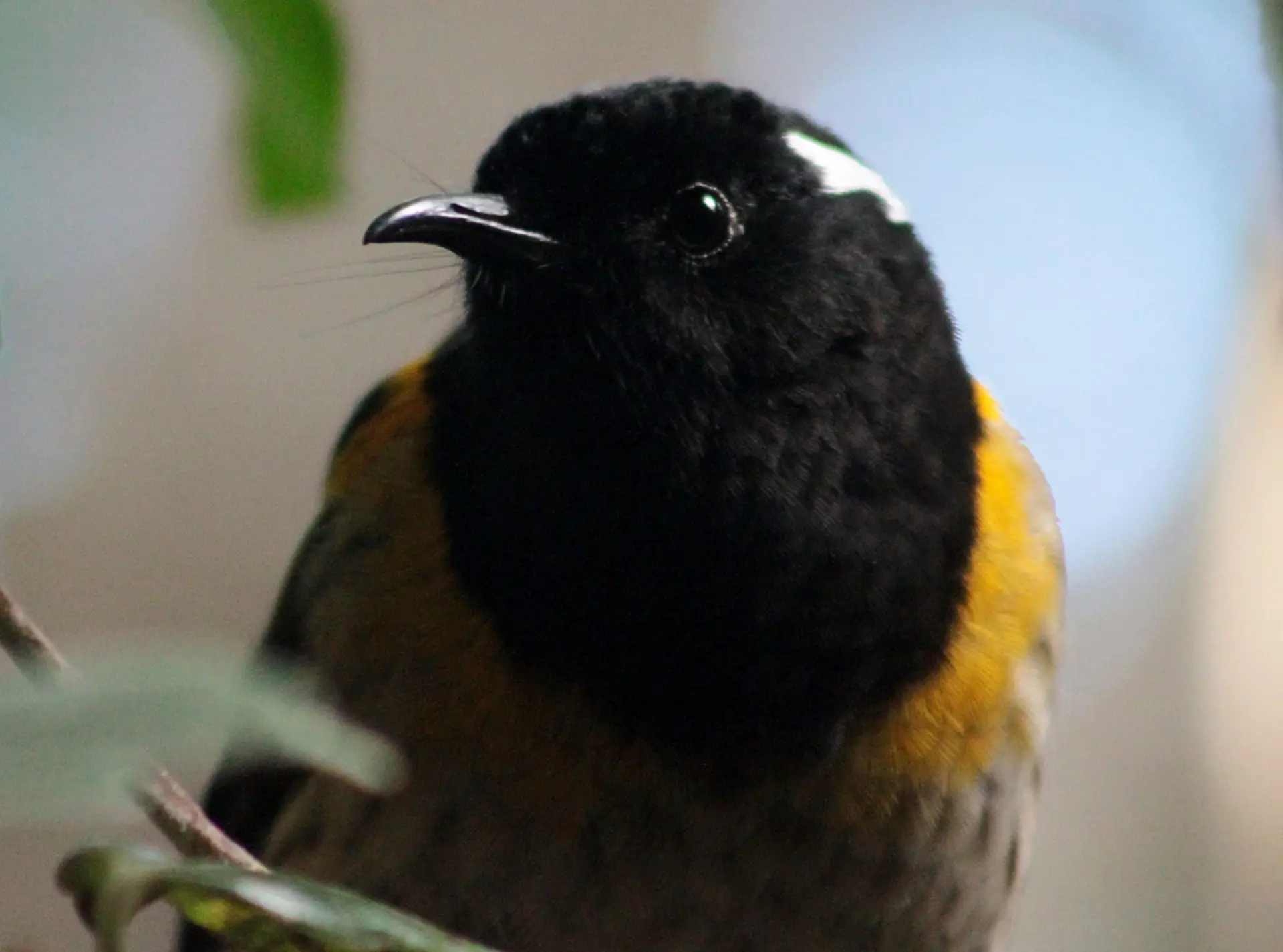 Bringing hihi back from the brink of extinction
Hihi conservation
How this tiny bird is helping reframe wildlife conservation translocation programmes globally.
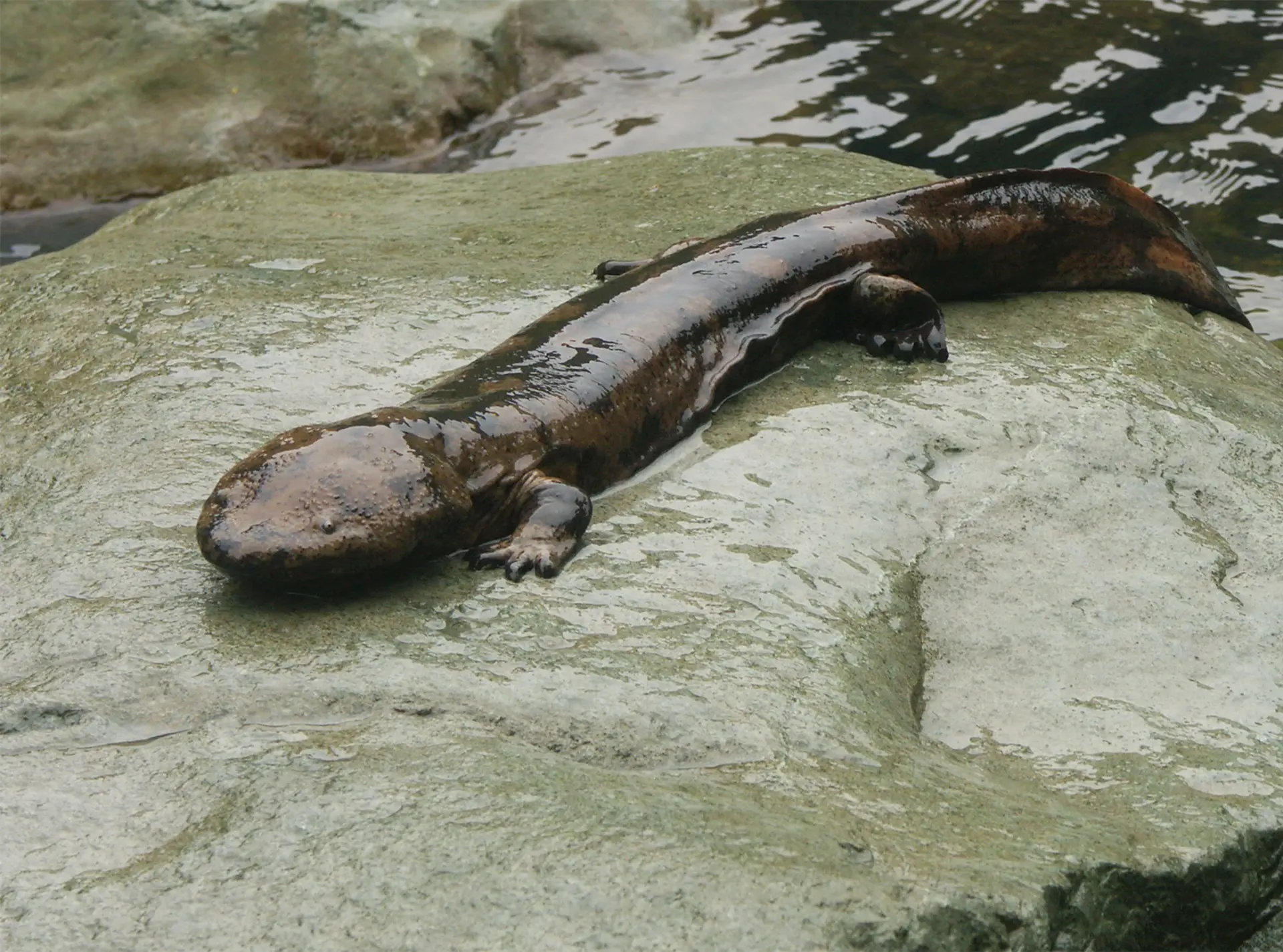 Creating a new future for an ancient species
Chinese giant salamander conservation
Together with our partners, we completed the largest ever wildlife survey in Chinese conservation history, and discovered just 24 giant salamanders, all of which were likely escapees from farms.
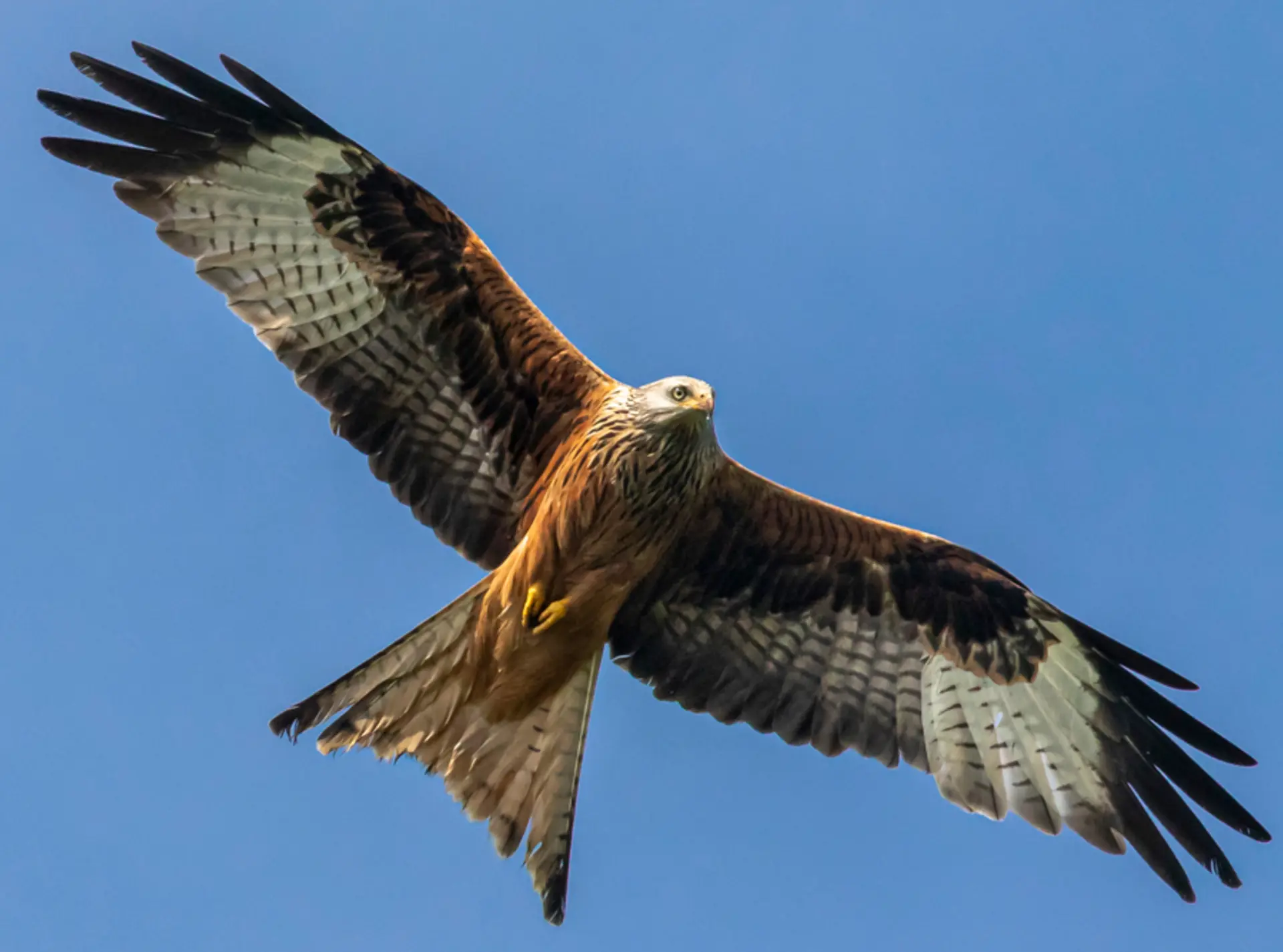 Driving a resurgence
Red kite conservation
We are protecting red kites to ensure their numbers never crash again, by providing expert health surveillance and supporting reintroductions.