






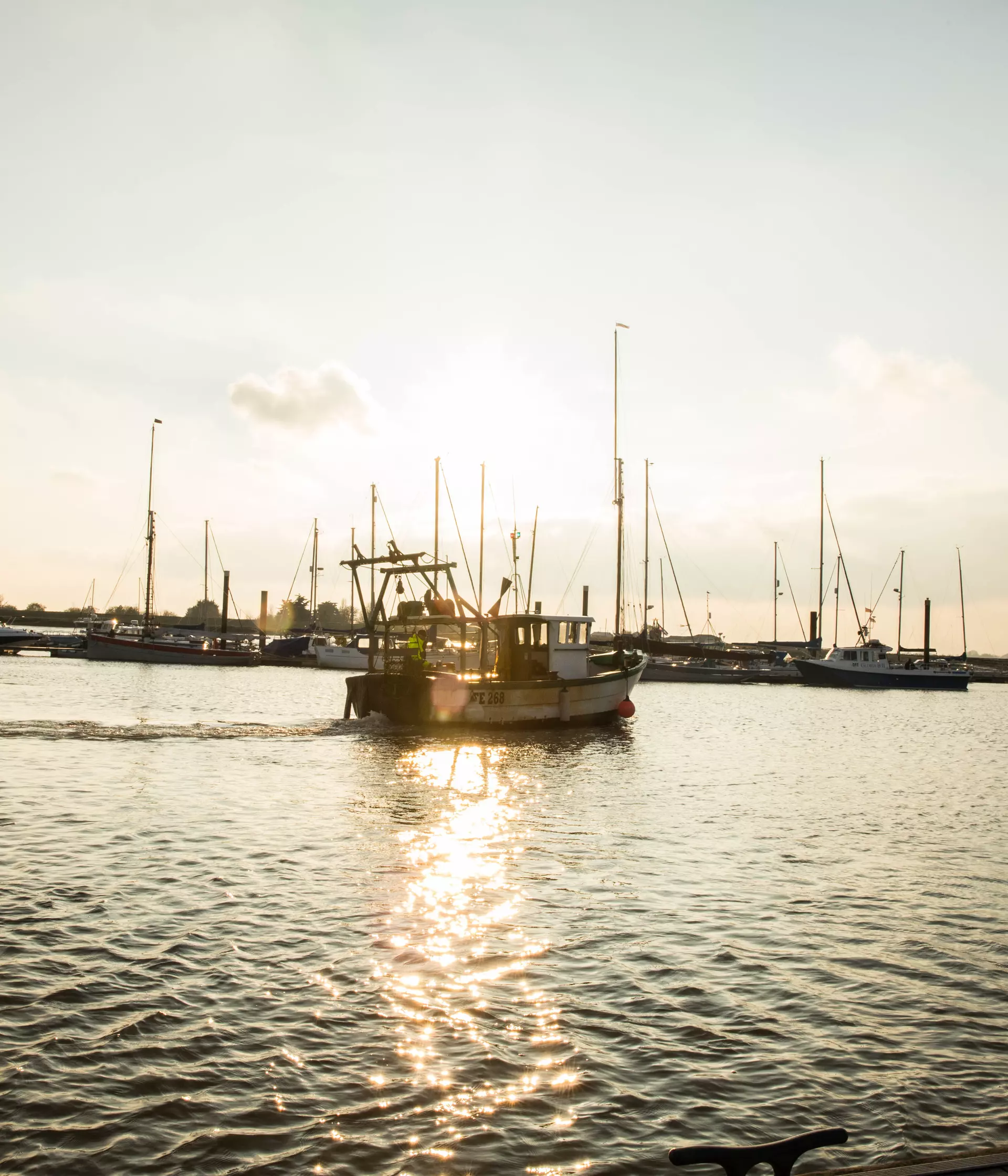
The Transforming the Thames Partnership has a vision of the Thames Estuary Restored, Reconnected and Resilient; an Outstanding Coastal Wetland for Communities and Wildlife.
Transforming the Thames is a Partnership, made up of diverse organisations from industry, government, environmental groups, local nature partnerships and landowners. Together we are working to re-connect the currently fragmented and damaged seascape of the Greater Thames Estuary through habitat protection, repair, and restoration. Our first tranche of work includes restoring 320ha of coastal habitats by 2030, while continuing planning to scale up over the long term. We will continue to work together until the habitats in the Greater Thames are functional, reaching their full potential to create a connected and thriving seascape.
The importance of the Thames
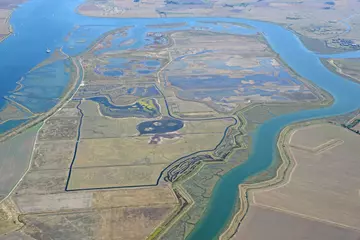
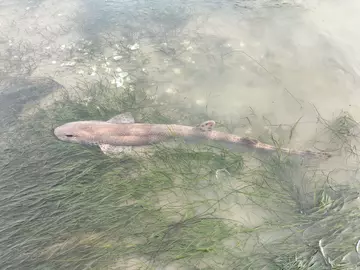
The Greater Thames Estuary is one of the most important wildlife sites in Europe containing a freshwater and coastal wildness including saltmarshes, seagrass meadows, oyster reefs and saline lagoons. It is known for nationally important populations of birds, rare invertebrates, and essential fish habitat including fish and marine mammal nursery grounds, and foraging areas for Critically Endangered sharks and eels.
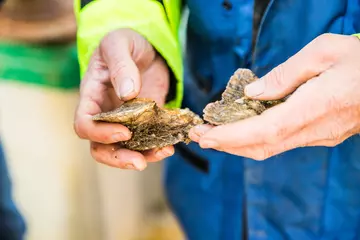
These habitats also provide a multitude of ecosystem services (benefits) for people too. For example, saltmarsh is one of the most effective habitats for capturing and storing carbon in the world. Furthermore, healthy coastal habitats help slow storm surges and flooding, and native oysters clean water of pollution.
Despite its high value to wildlife and to us, the Greater Thames Estuary has been severely degraded. This makes the estuary more vulnerable to disease and storm events, and the remaining habitats lack the size or quality to regenerate and withstand further threats. Fragmentation and damage also means that the true potential of ecosystem services in the estuary are not being realised, including its capacity to mitigate against climate change which is more important now than ever before.

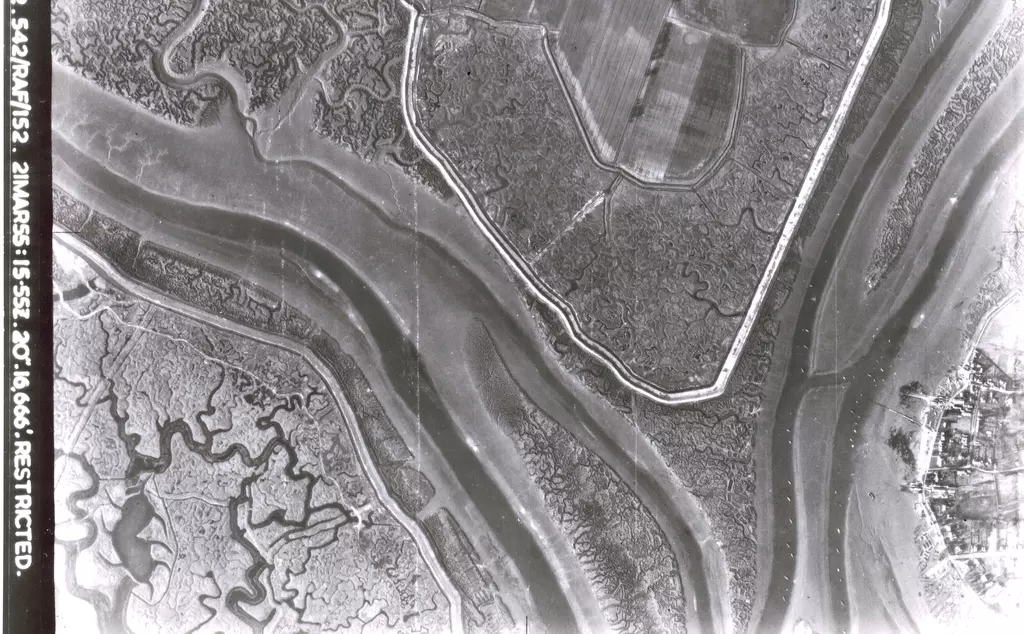

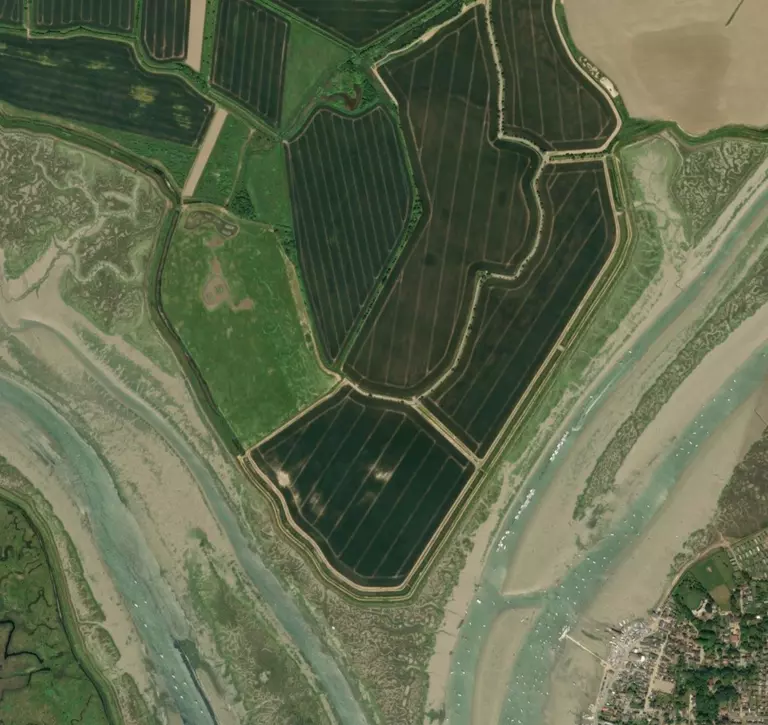
Part of the Blackwater estuary saltmarsh in 1955 vs today
What we're doing
We have partnered with likeminded organisations to undertake an ambitious restoration project in the Greater Thames Estuary based on a more joined up seascape approach to restoration in the Thames. There is already substantial conservation work ongoing in the project area, but by coming together collaboratively the Partnership can work at bigger scales, and take a more strategic, coordinated approach to improving the entire estuary system.
To learn more about what we're doing visit our Partnership website, Transforming the Thames.
This project was made possible with support from
the Endangered Landscapes & Seascapes Programme, managed by the Cambridge Conservation Initiative in partnership with Arcadia.
With additional support from
the Environment Agency, the Ida Davis Foundation, the Linbury Trust, Marshall Wace and Oak Foundation.
