






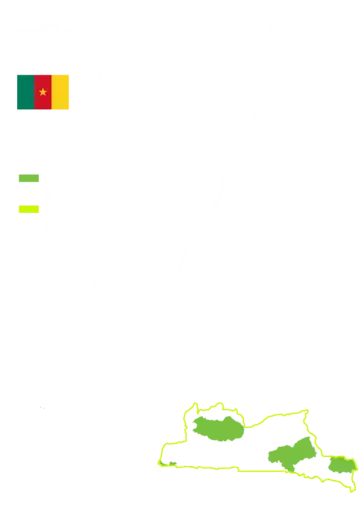
Building a fair, sustainable economy for people and nature in Cameroon
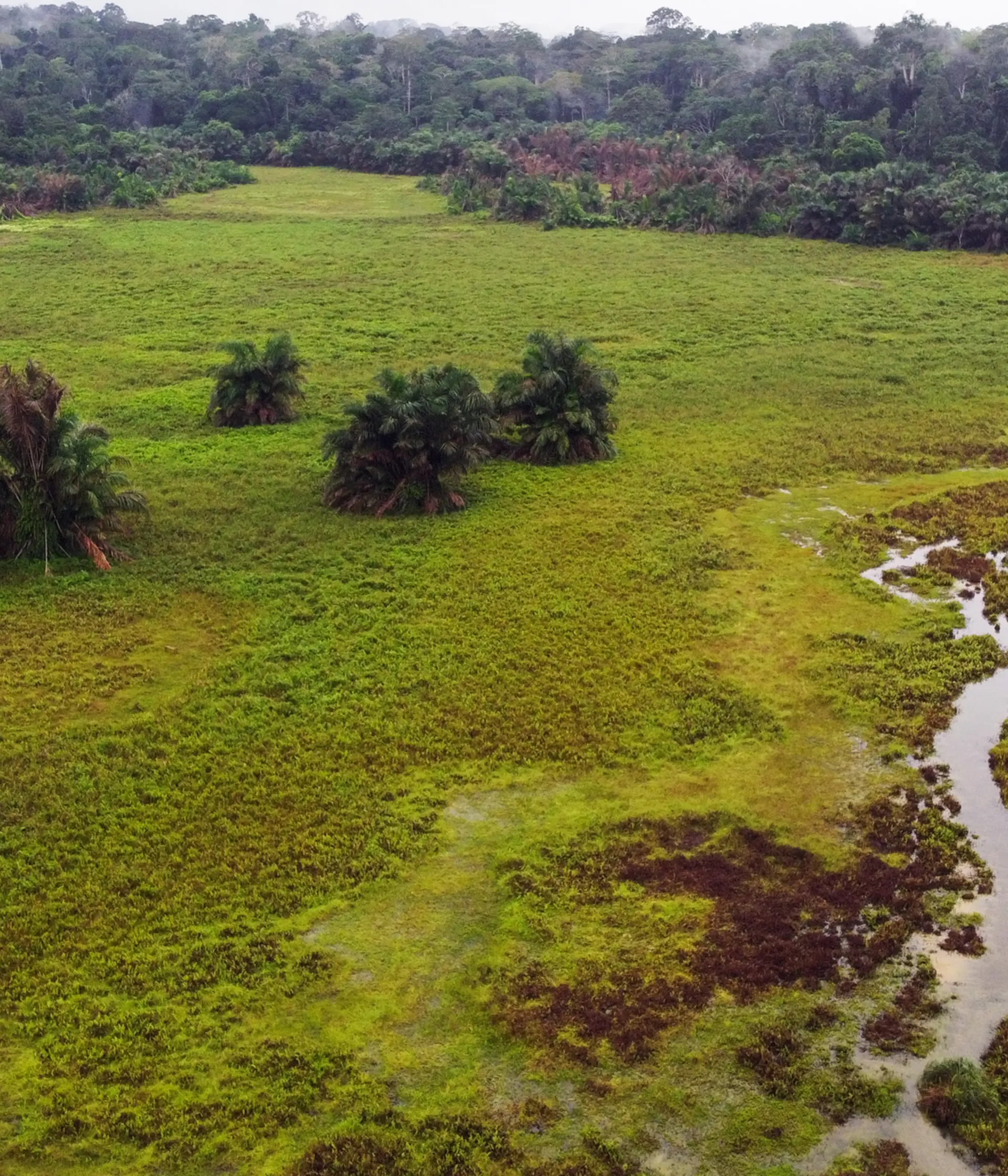
Across the Dja–Nki Corridor and surrounding buffer zones, this ZSL-led initiative is advancing a biodiversity economy that connects forest protection with shared prosperity. This forms part of our wider strategy to drive conservation impact for both people and wildlife across priority landscapes.
By strengthening communal land rights, developing deforestation-free cocoa, ecotourism, and non-timber forest product value chains, and safeguarding critical wildlife habitats, the project aims to create tangible, lasting benefits for local communities.
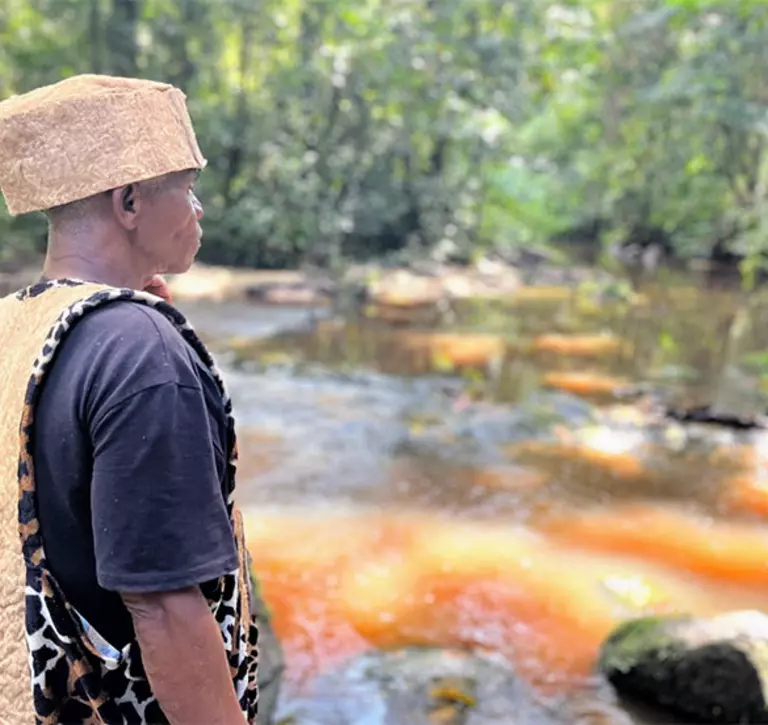
Rooted in the cultural and Indigenous heritage of the West Congo Basin, it promotes an inclusive model where forest conservation and community enterprise go hand in hand.
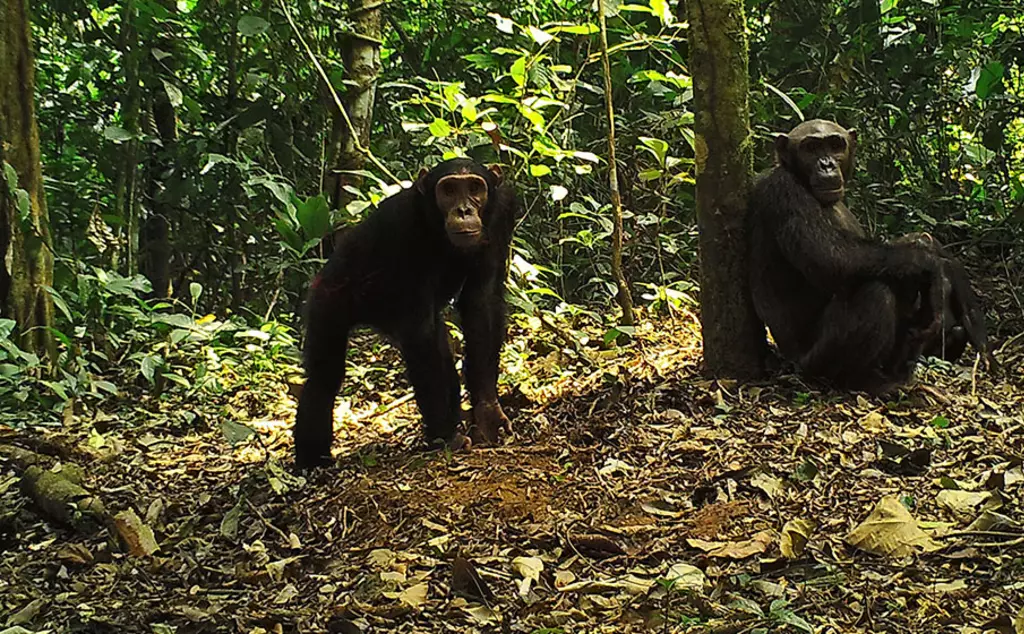
The landscape is also home to globally important populations of Western lowland gorilla and forest elephant - flagship species whose protection is central to the corridor’s conservation value.
Partner with us to invest in a future where thriving forests mean thriving communities.
Project goals
200,000ha
of forest under more sustainable management
7,500
households with improved access to market and incomes
25
enterprises established or strengthened in tourism, NTFPs & cacao
$15M
mobilised in investment in the landscape
10
governance institutions with improved equity & capacity
5M t
of CO2 emissions forecasted to be avoided or sequestered
Project pillars
Each pillar represents a practical route to make conservation profitable and inclusive, turning sustainable cocoa, ecotourism, non-timber forest products, and land rights into engines of growth for people and nature alike.
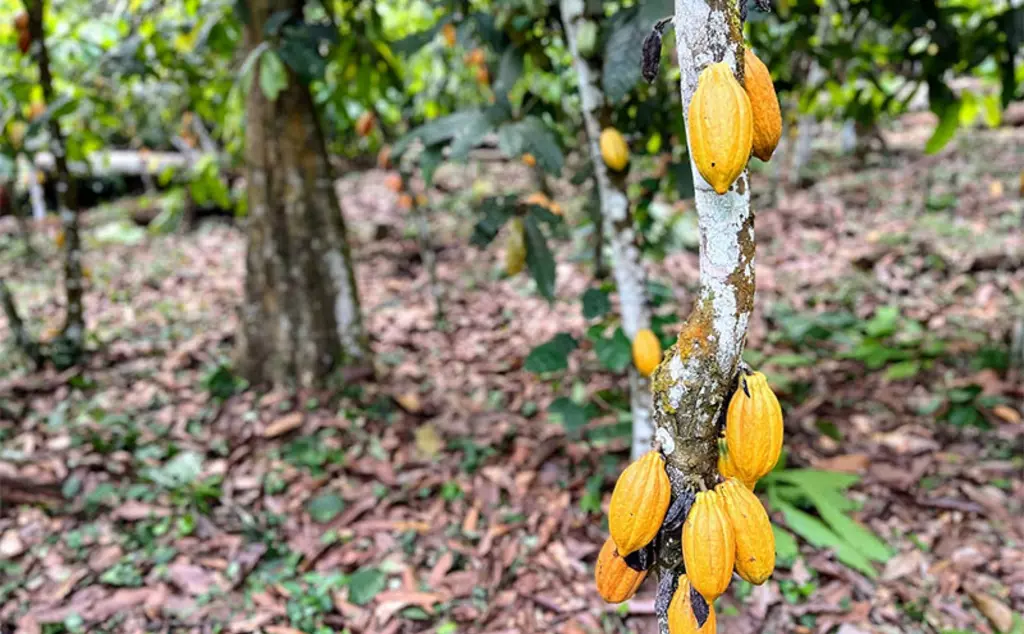
Deforestation-free Cocoa
The opportunity
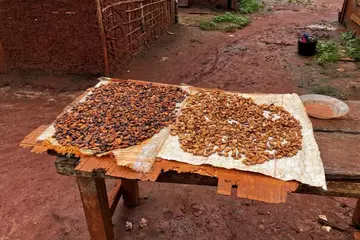
Cameroon is the world’s fourth-largest cocoa producer, but this region contributes just 8% of output and exports almost all beans raw. Low yields, poor quality, and reliance on middlemen keep farmers in debt, yet many already farm “organically” by default, offering huge potential for premium, deforestation-free cocoa that protects forests and grows local value.
So far we have..
Mapped farms, evaluated cooperatives and their capacity needs, and identified strong potential for organic certification and EUDR compliance.
What we could achieve
Develop a “TRIDOM Origin” brand, boost yields through agroforestry, and build community-owned processing hubs that keep value local.
Responsible Ecotourism
So far we have..
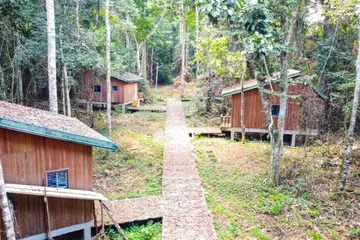
- Documented rich wildlife through long-term monitoring in Dja, Nki and surrounding areas
- Built trusted partnerships with Baka and Bantu communities
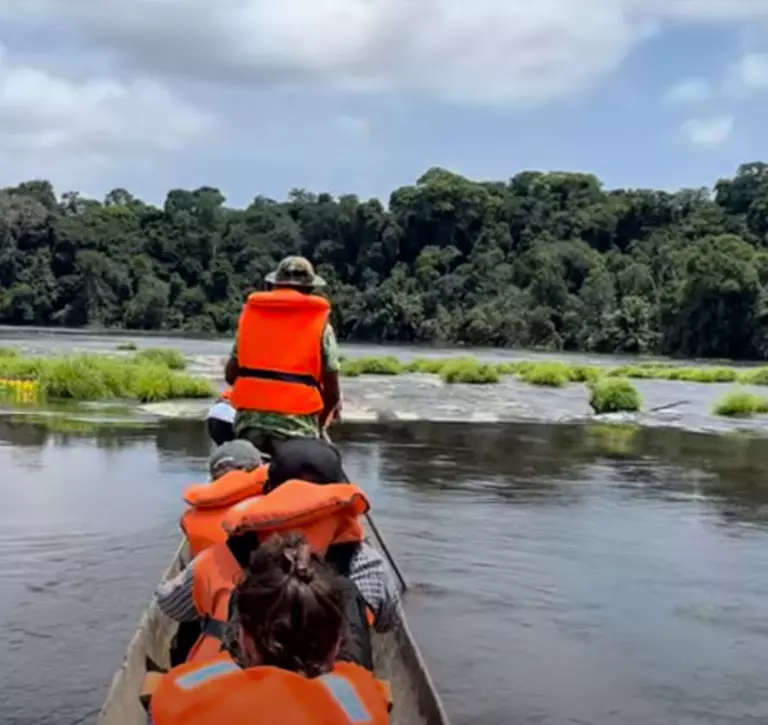
- Begun zoning and feasibility work for responsible, community-led tourism and great ape viewing.
What we could achieve
- Position Dja-Nki as Central Africa’s hub for ethical, affordable great ape tourism, develop community enterprises in guiding, hospitality, and handicrafts
- Reinvest visitor revenues into conservation and community funds
- Pilot a tourism-linked biodiversity credit
- Generate over US$200K annually within five years while protecting wildlife.
Non-Timber Forest Products (NTFPs)
The opportunity
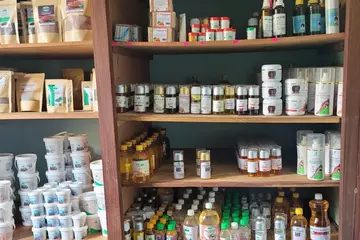
High-value non-timber goods like Allanblackia oil and bush mango butter, both in high demand from the growing natural cosmetics industry, a fast-expanding market with few trade barriers and strong potential for community-driven growth
So far we have..
- Partnered with 15 community cooperatives representing over 500 mainly female collectors
- Supported three processing hubs with technical upgrades
- Demonstrated clear income and empowerment benefits from existing small-scale NTFP value chains
What we could achieve
- Gain Organic and FairWild certification
- Upgrade processing hubs
- Connect cooperatives to premium markets
- Integrate agroforestry systems to restore land, store carbon, and help communities capture more value from sustainable production
Enabling the Biodiversity Economy
So far we have..
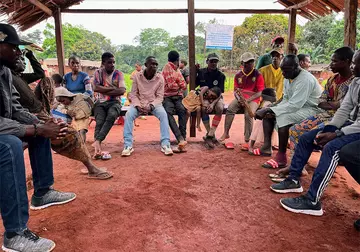
- Completed a year of feasibility studies and consultations using over a decade of baseline data
- Identified insecure land tenure as the main barrier
- Begun mapping and land-use planning with authorities
- Embedded ZSL’s FAIRER approach across all community engagement
What we could achieve
- Secure legal recognition for community forests and land titles
- Form 10+ trained cooperatives
- Deliver financial education for 300+ people
- Develop a Sustainable Enterprise Curriculum and launch a community-led REDD+/agroforestry carbon project showcasing high-integrity, locally driven conservation finance
Our coalition
- APIFED
- Tropical Forest and Rural Development
- Fair Wild
- ONACC
- BACK2EDEN
- COOKO
Invest in a future where conservation creates lasting value.
By supporting the Dja–Nki biodiversity economy, you’ll help build resilient communities, restore critical forests, and open new markets for sustainable enterprise.
Get in touch with arrah.emmanuel@zsl.org or submit your enquiries here to partner or fund the next phase of this work.
Partner with us
See how ZSL works with businesses, financiers, and governments to scale solutions for nature and people.