






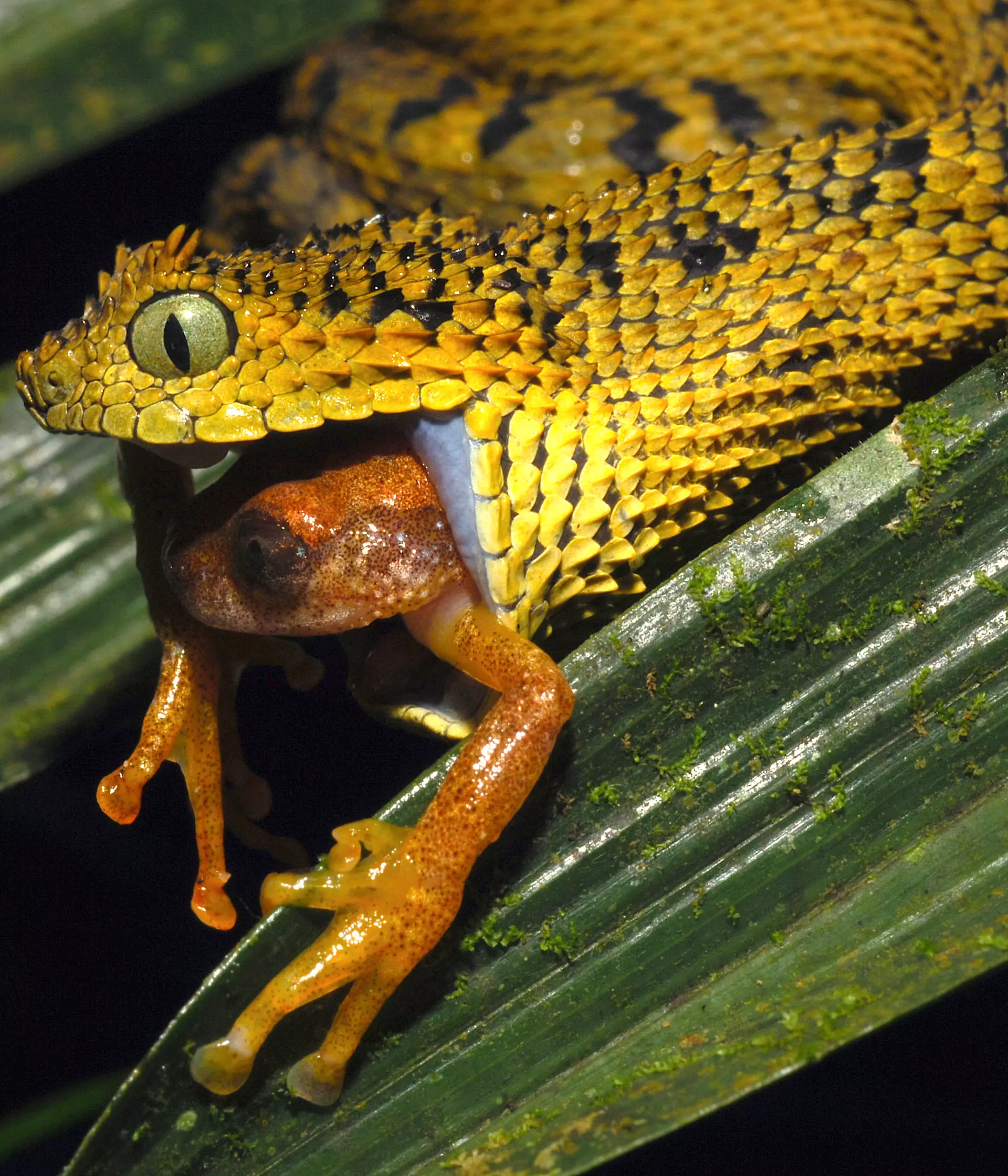
Reptiles and amphibians are some of the most threatened groups on the planet.
Pressures such as the deadly chytrid fungus, illegal trade, habitat loss and climate change have led to predictions that a large proportion of all reptile and amphibian species could go extinct over the next century.
ZSL is working to save several species including keeping tabs on chytrid fungus in the UK and around the world.
More than 4,000 amphibians are scored on the EDGE amphibians list, which prioritises Evolutionarily Distinct and Globally Endangered (EDGE) species for conservation attention.
More than 40% of amphibian species are threatened with extinction, which is more than birds (13%) and mammals (27%). However, this is likely an underestimation of the true number, as the majority of amphibians described since 2004 have not been assessed by the IUCN Red List.
At least 45% of all known amphibian species are declining, 37 are confirmed to be extinct and as many as 185 more amphibian species may already be extinct. There are currently 972 EDGE amphibians, which is more than any other EDGE group. Most of these are frogs and toads, due to the sheer number of species, but there are also priority EDGE salamanders and caecilians.
We have to act now.
 A Tiny Amphibian in Crisis
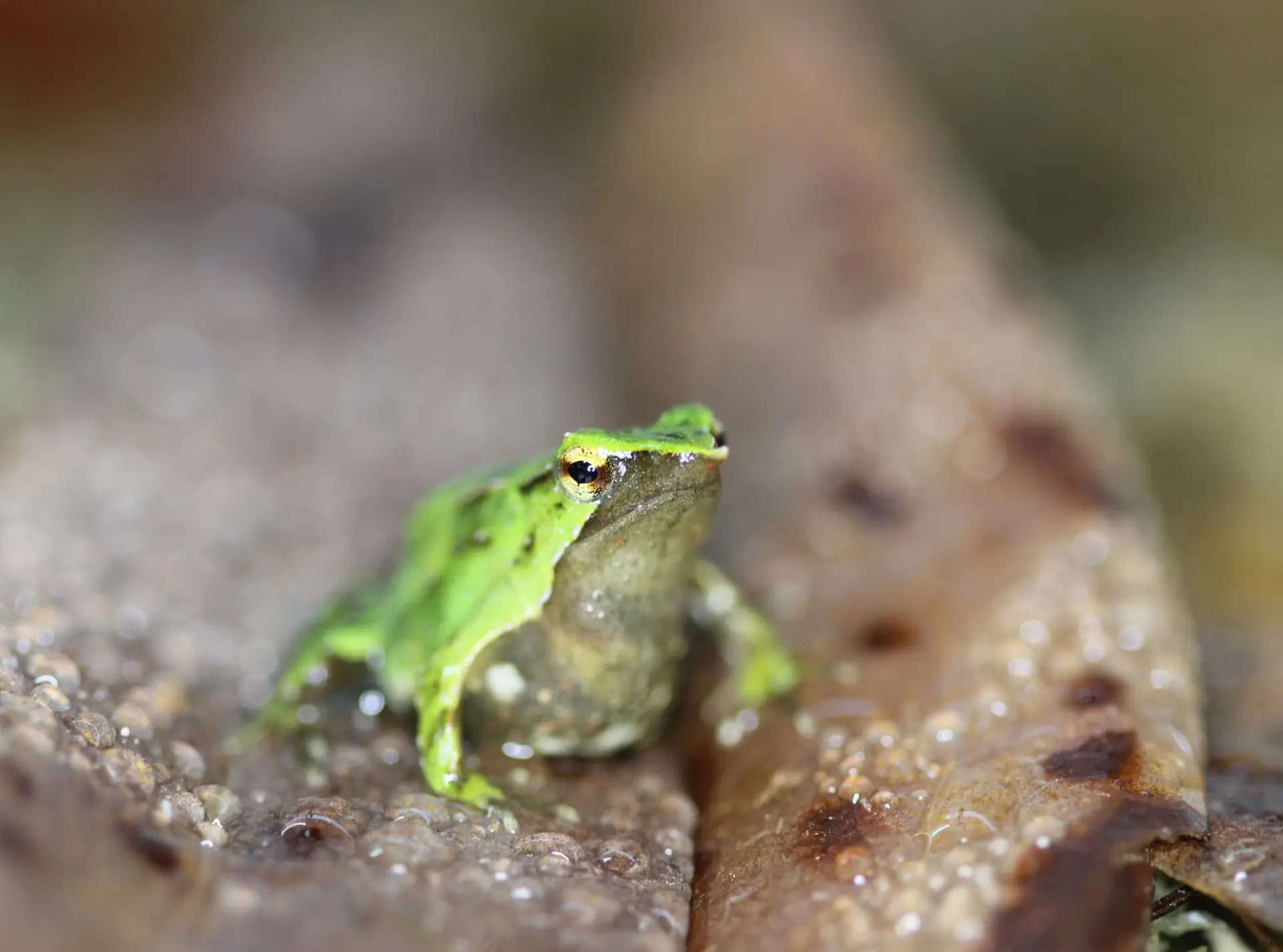
Saving the Southern Darwin's frog
Discover how ZSL scientists rescued Darwin’s frogs from extinction and are working to protect this rare species through groundbreaking conservation.
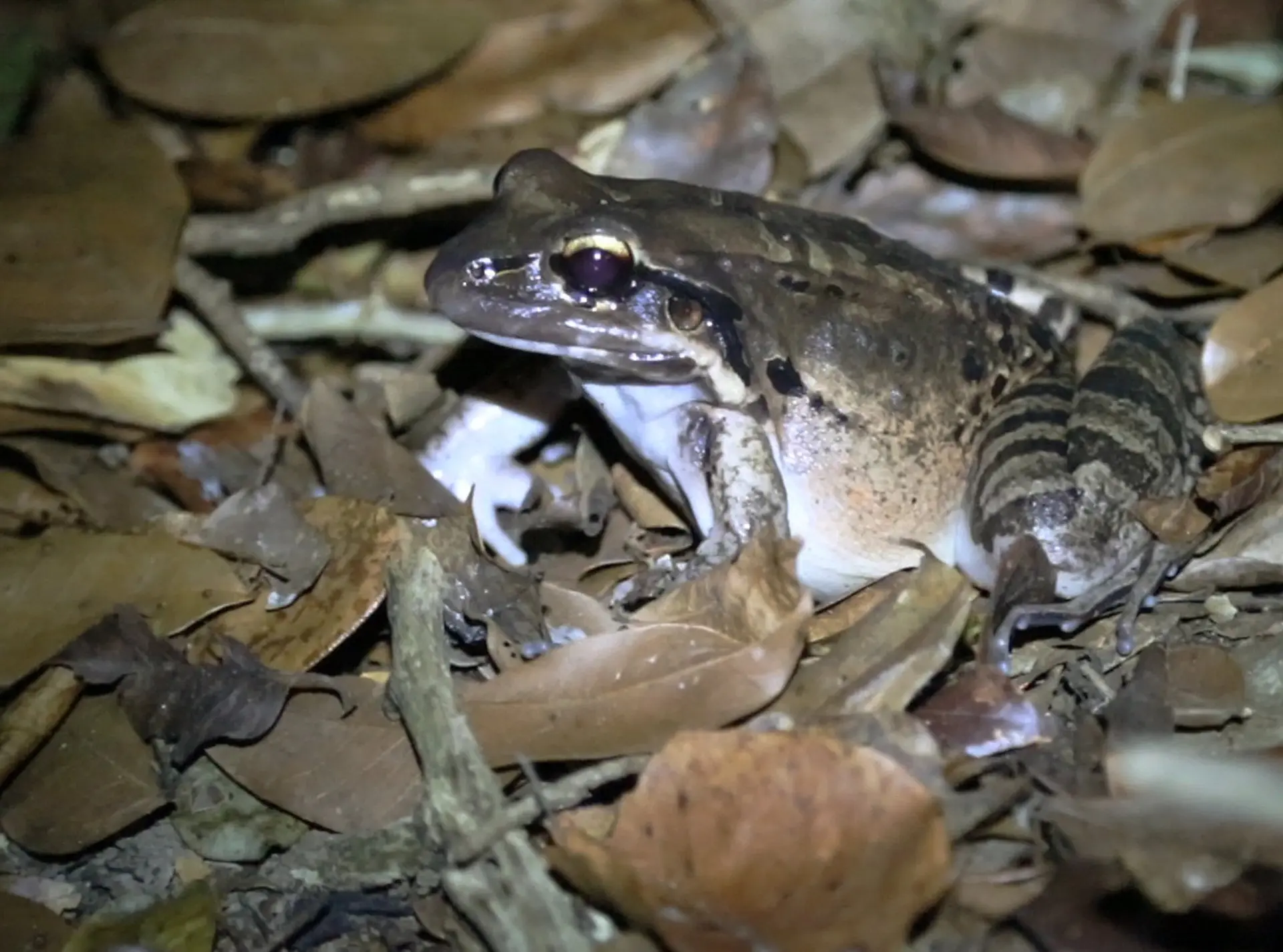 Restoring mountain chicken populations
Mountain chicken conservation
Creating routes to recovery through cutting-edge scientific research and breeding at London Zoo.
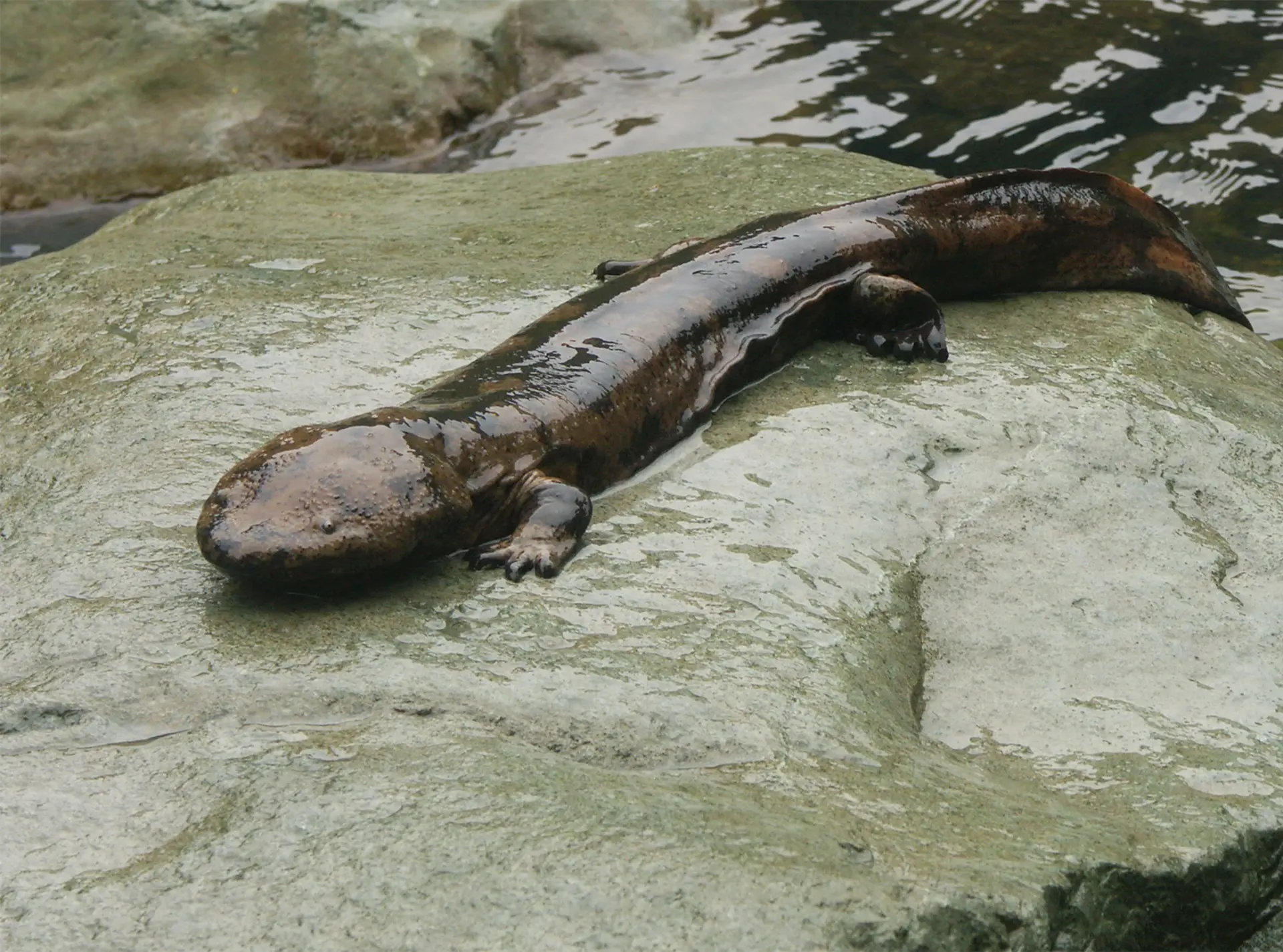 Creating a new future for an ancient species
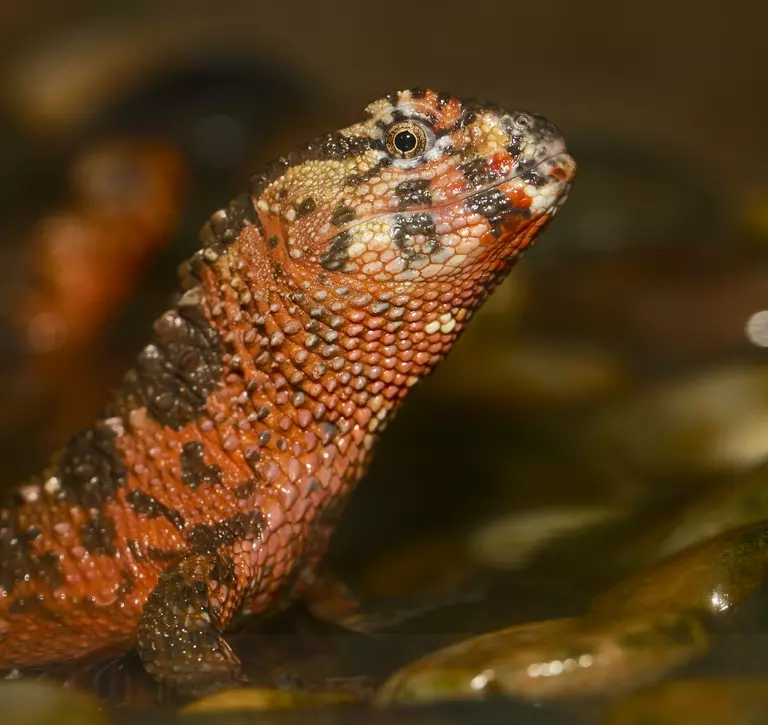
Chinese giant salamander conservation
Together with our partners, we completed the largest ever wildlife survey in Chinese conservation history, and discovered just 24 giant salamanders, all of which were likely escapees from farms.
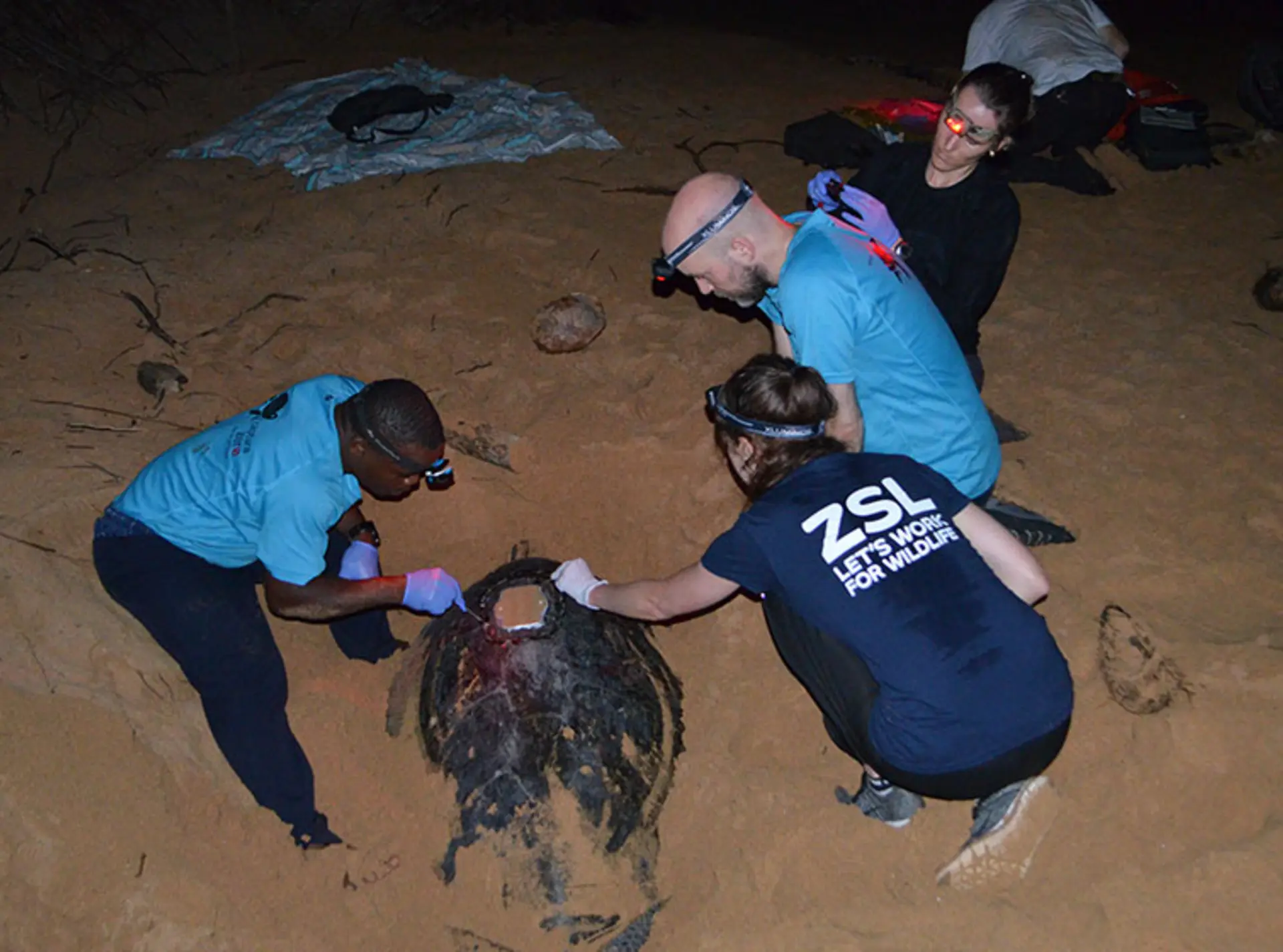 Safeguarding sea turtles
Sea Turtle Tagging
Developing and applying innovative technology to protect species around the world.
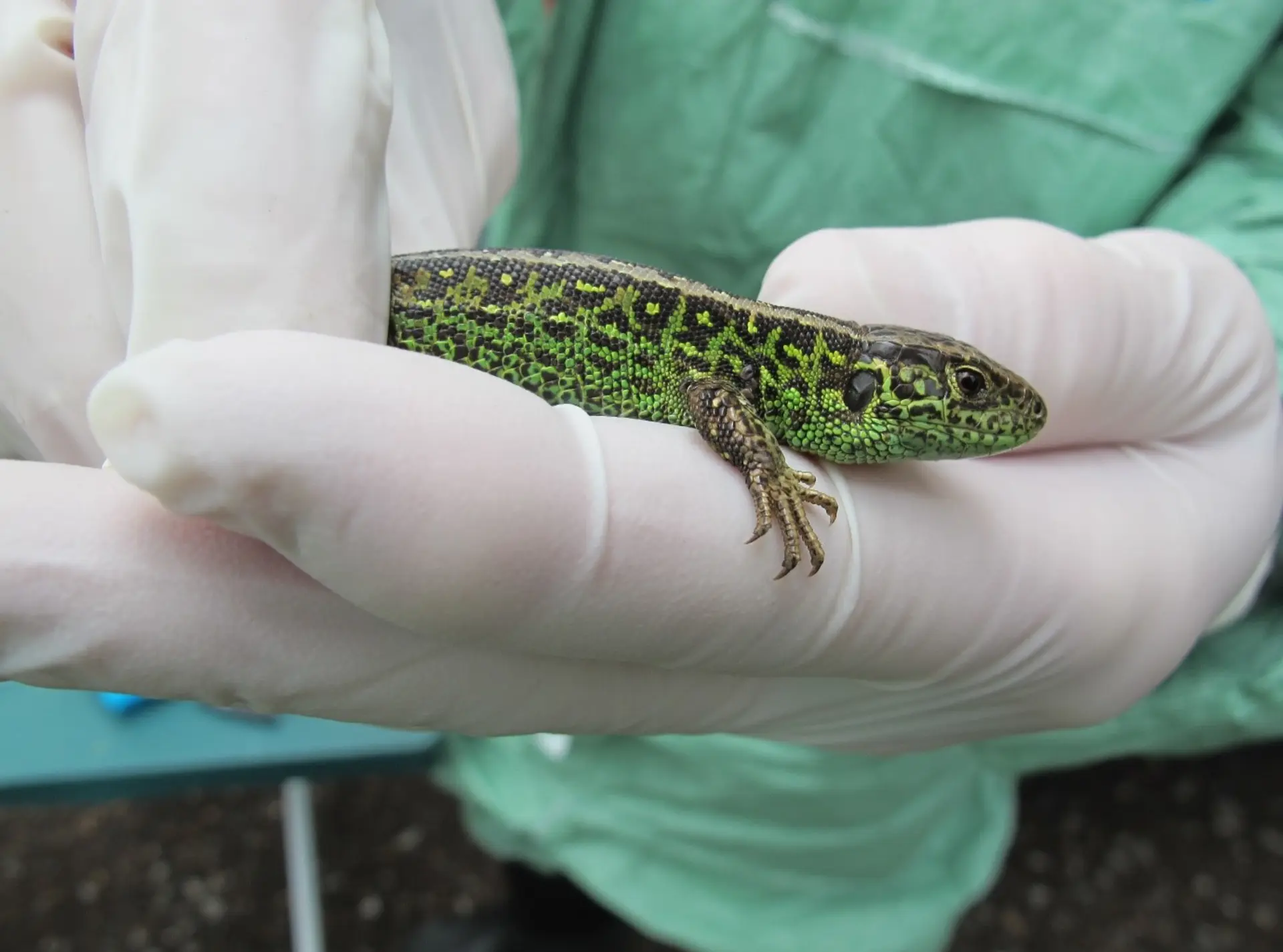 A closer look at sand lizard translocations
Analysing disease risks during sand lizard translocations
The sand lizard has disappeared over much of its former range in the UK. Habitat loss and fragmentation are cited as the main factors in the species decline.
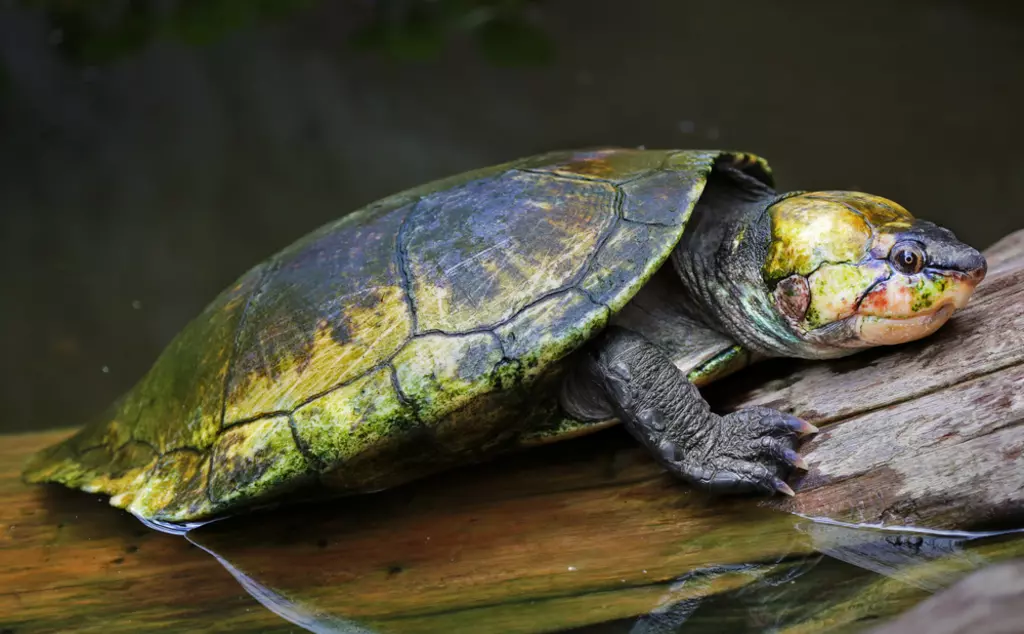
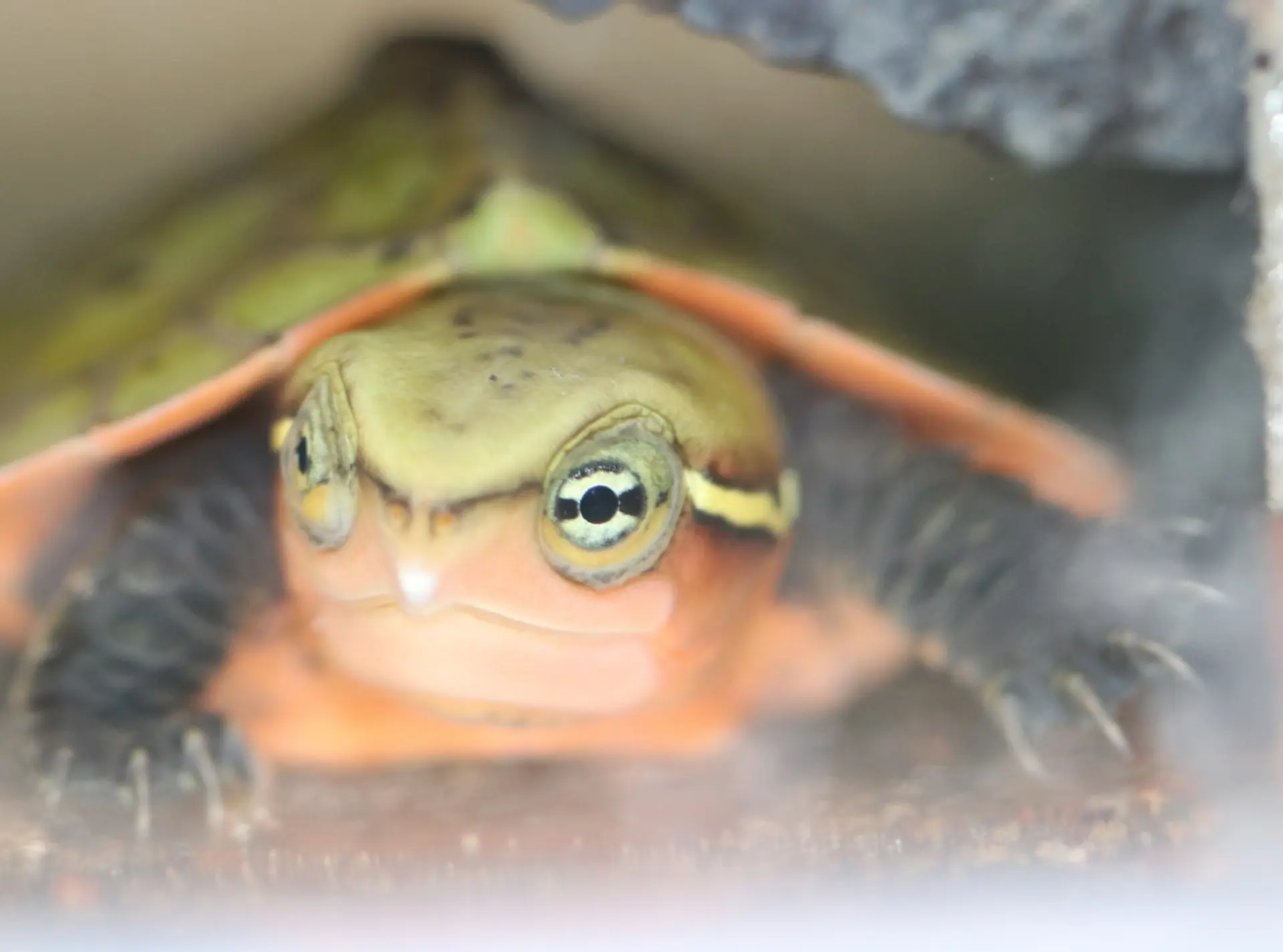 This turtle is Critically Endangered in the wild
Big-headed turtle
The big-headed turtle and many other freshwater species are hunted for their meat and the international pet trade. Zookeepers at London Zoo rescued four turtles from smugglers trying to illegally import them into Canada.