






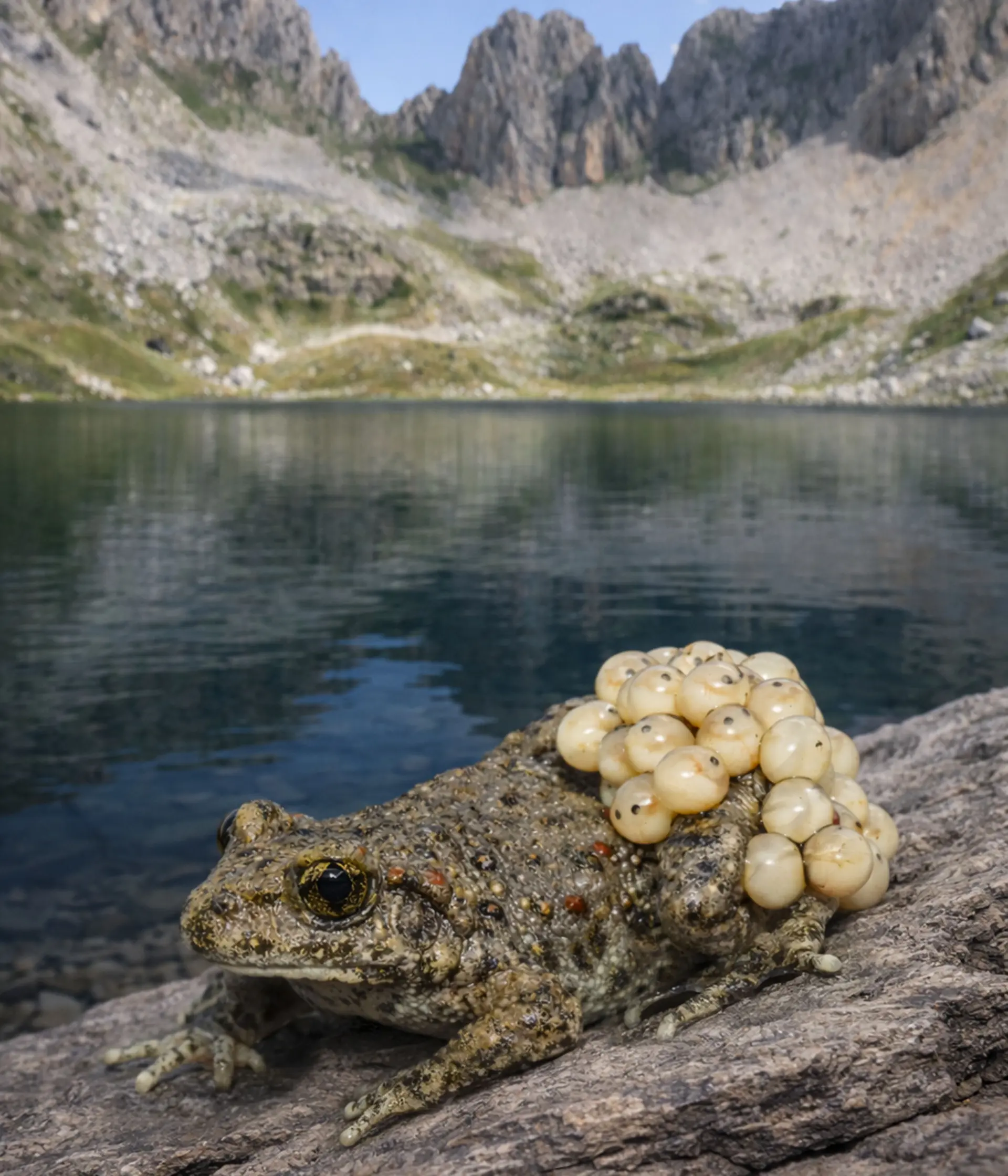
The mystery of why some populations of amphibians recover following outbreaks of a deadly fungus has been solved in a new study led by ZSL, UCL and Imperial College London.
The chytrid fungus, Batrachochytrium dendrobatidis (Bd), is a major cause of devastating declines in frogs and toads around the world - from tiny Darwin's frogs to giant mountain chicken frogs. Mass deaths occur often after amphibians transition out of the tadpole or larval stage and acquire the hard skin the fungus lives off.
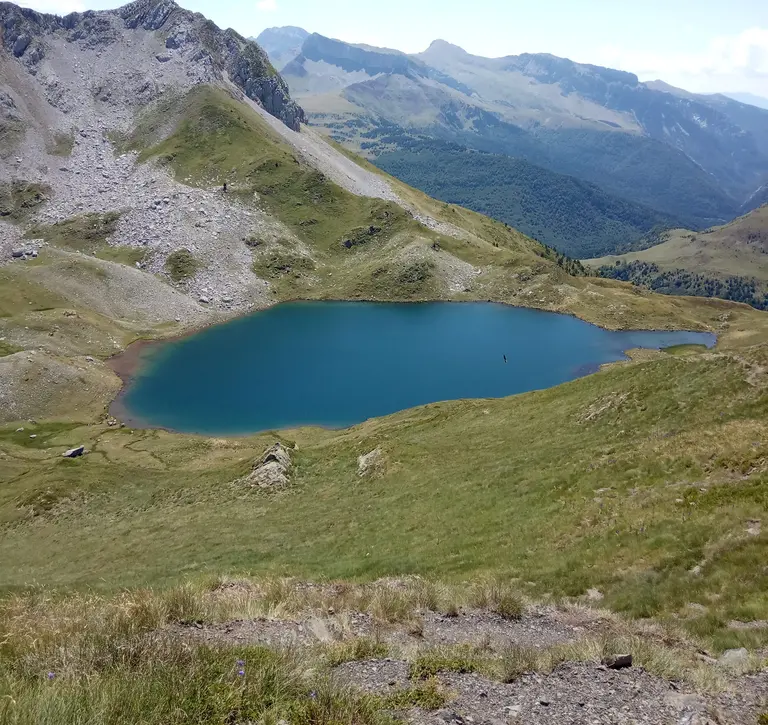
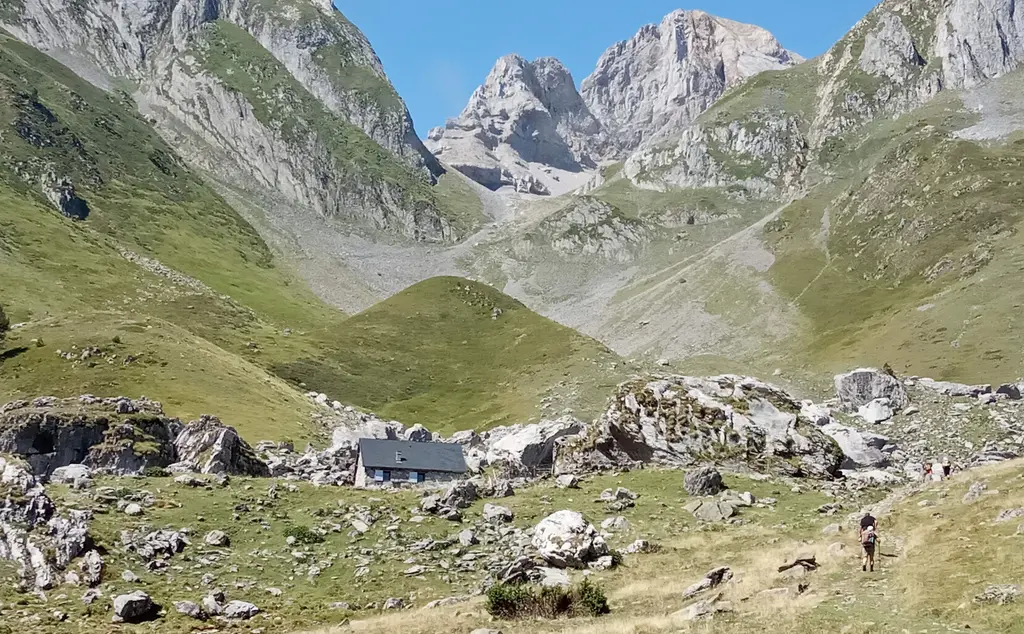
The new study, published in the journal Nature Chemical Biology, looked at common midwife toads living around four lakes in the Pyrenees in France and Spain whose populations had been ravaged by the fungus.
Around one lake, the toads were dying in large numbers and nearly extinct, but around the other three lakes the populations had recovered, with Bd still present but causing fewer deaths.
The role of the immune system
The team looked at antimicrobial chemicals called peptides that the toads secreted from their skin – a key part of their immune defence.
They found that that these immune defences were much more likely to mature earlier, at the tadpole stage, among groups of toads that had recovered from Bd outbreaks, who were therefore better protected as they entered adulthood.
Lead author Dr Phillip Jervis, of our Institute of Zoology, UCL Chemistry and Imperial College London, said: “Our study shows species that have declined heavily from this disease can still recover. They have the tools to fight off infection – it just depends on timing. The disease kills toads and frogs as they turn from tadpoles to adults. Getting mature immunity at the tadpole stage helps these toads survive and the population to continue.”
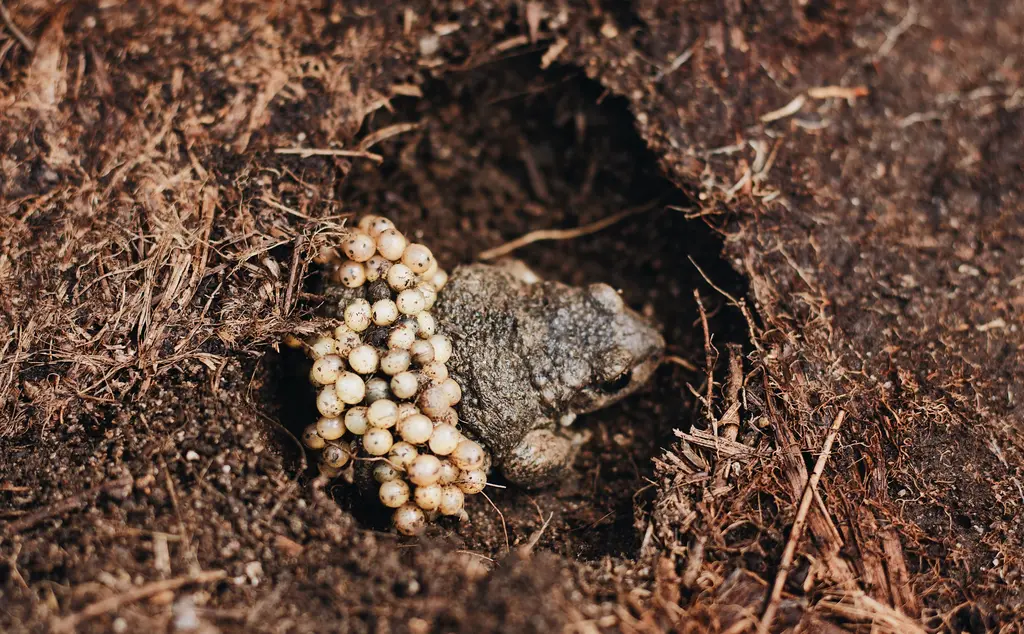
Bd causes a disease called chytridiomycosis, which degrades amphibians’ skin and interferes with their ability to regulate levels of water, salts and minerals.
But Bd lives off skin that is covered in keratin, and amphibians in their tadpole or larval stage do not have this. Only after they metamorphose into adults and their skin becomes keratinised do they become vulnerable.
Phillip said: “The next step is to look at what factors prevent these immune systems from maturing early. This could be down to genetics or environmental factors such as temperature or the presence of trout – a major danger for tadpoles that could drive them to develop into adults faster so they can leave the water, meaning less time for their immune system to develop.”
Cutting-edge wildlife health science
For the new study, the research team used a technique called mass spectrometry to analyse the mixture of peptides (short chains of amino acids) secreted by the toads and discovered a far larger arsenal of chemicals than expected.
Out of the 1,152 peptides they identified, only seven had previously been known.
The researchers found that groups of toads secreting a higher diversity of peptides in their tadpole phase (i.e., their defences had matured prior to becoming toads) were thriving despite Bd outbreaks, while toads that did not have many peptides as tadpoles were still experiencing high mortality.
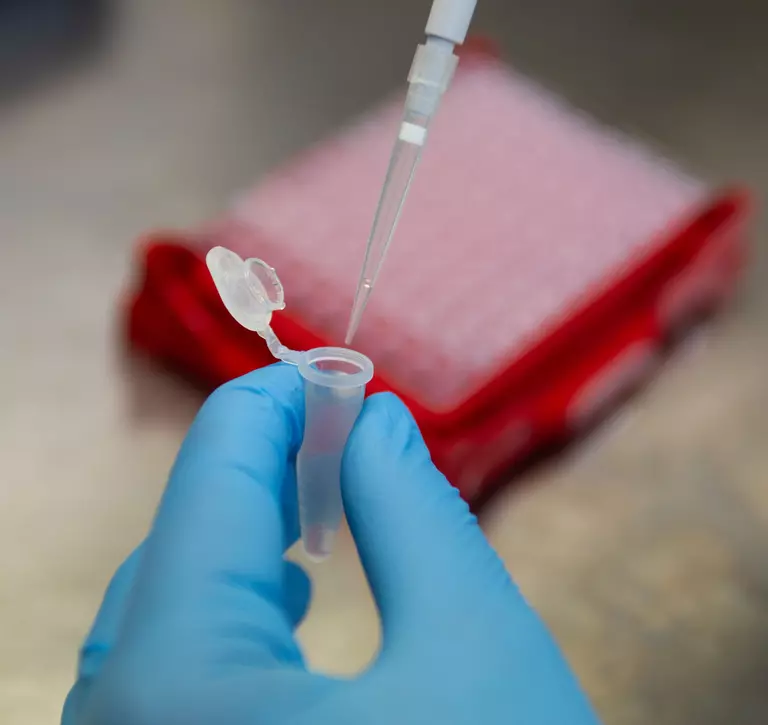
Senior author Professor Alethea Tabor from UCL Chemistry said: “We discovered a far greater diversity of peptides than we expected. We now need to understand how they work to control pathogens and which ones are anti-microbial.
“A lot of medicines for humans were initially found in the natural world – penicillin came from fungi, for example. So these peptides are new leads that could be used to help human health, especially as we have our own problems as a species with the rise of antimicrobial resistance, which is requiring us to find new ways to treat infections.”
Co-author Dr Kersti Karu from UCL Chemistry added: “The ability to analyse hundreds to thousands of molecules in parallel has only emerged over the past decade. This approach is more commonly applied in human health research, for example to distinguish cancer cells from normal tissue, but is increasingly being extended to other areas of biological investigation.”
Founded in 1826, ZSL has spent two centuries working to restore wildlife and support ecosystems around the globe. Today our mission continues through conservation projects in more than 80 countries, alongside our two conservation zoos: London Zoo and Whipsnade Zoo.