






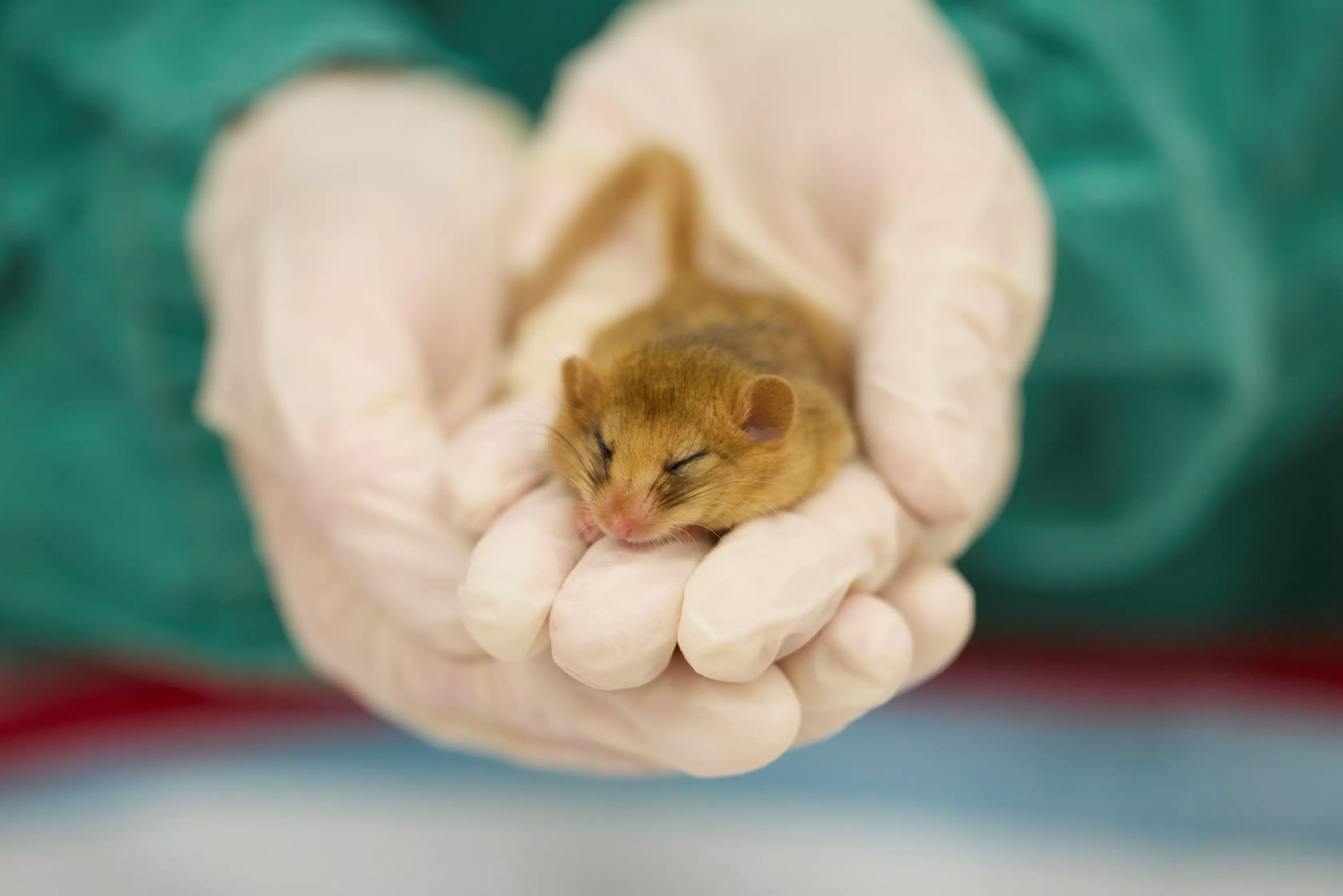
Our wildlife vets have given nine rare hazel dormice the all-clear, ahead of the tiny rodent’s release into the wild next month.
The dormice – including three born at Whipsnade Zoo - each received a health screening from our Disease Risk Analysis and Health Surveillance Team (DRAHS), as part of ongoing national conservation efforts to recover populations of this vulnerable mammal, which was once widespread across England and Wales.
How are dormice given health checks?
During the 10-minute-long health checks, the fluffy-tailed dormice were placed under general anaesthetic so that the team of vets could gently check the heart and lungs of each dormouse, before carefully looking over their eyes, ears, nose, teeth and fur, to ensure the animals are ready for release. Each mouse was fitted with a microchip to help conservationists accurately identify individuals during follow-up monitoring, when they check how the dormice are doing in their new woodland home.
The health checks are part of wildlife charity People’s Trust for Endangered Species’ (PTES) annual dormouse reintroduction programme, which restores hazel dormice to their former range. With dormouse numbers having declined nationally by 70% since 2000 due to habitat loss, fragmentation and climate change (PTES’ State of Britain’s Dormice 2023 report), and populations lost from 20 counties over the past century, the programme is crucial for the long-term recovery of this threatened species.


Vets protecting UK wildlife
Dr Clare McNamee, wildlife vet at our Institute of Zoology who led the health checks, said: “We’re delighted to report that all nine dormice passed their health checks and are now ready for their big move in just a few weeks’ time. These dormice might be tiny, but they have a big impact on their woodland habitat. By restoring dormouse populations, we’re making huge steps to protect and recover all the wildlife they live alongside.”
Conducted with the veterinary team at London Zoo – one of our two conservation zoos - this year’s health checks marks 32 years of our involvement in PTES’ annual dormouse reintroduction programme to reestablish dormice populations in areas across England where the tiny rodents are now considered locally extinct. Since the first dormouse release in 2001, PTES and partners have reintroduced dormice to 26 woodland habitats across 13 English counties.
Clare added: “Our health checks have supported the reintroduction of over 1,000 dormice since 2001. Saving UK dormice from extinction is a long, ongoing process, with new populations being established or given a genetic boost by reintroductions across the country. Our work not only ensures that the dormice are fit and set up for success in their new homes, but it also helps to protect these habitats by reducing and monitoring the risks from disease.”


Breeding dormice for reintroductions
This year marks a special moment for our involvement in the project, with the cohort including three dormice bred at ZSL's Whipsnade Zoo, under the Common Dormouse Captive Breeders Group (CDCBG), as part of the conservation charity’s wider mission to recover native species.
Luke Pharoah, a zookeeper at Whipsnade Zoo responsible for monitoring the dormice said: “Whipsnade Zoo is the UK’s largest zoo, so we're known for the larger animals that we care for – but behind the scenes we’re also working with these charming little dormice. Watching these three dormice grow from tiny, dozy newborns into adulthood has been so rewarding, and it’s exciting to know that with the all-clear from our vets they are now one step closer to raising their own young and boosting wild dormice numbers.
"Although we've supported DRAHS’s work for a long time, this is the first time in twenty years that ZSL has bred dormice for release into the wild, and we will continue to use our keeper expertise to breed and care for more dormice for these vital translocations."


The health checks are part of the DRAHS team’s work, working closely with Natural England to provide essential wildlife health monitoring for over 30 different species to ensure that animals released to the wild are both fit and healthy, and whilst also reducing the risk of disease being introduced to release sites.
The furry dormice are currently staying at our headquarters at London Zoo where they receive specialist care and daily monitoring in the lead up to their wild release, which takes place in a carefully selected, secret woodland location. This release is part of the annual reintroduction programme led by P TES, which is part of Natural England’s Species Recovery Programme. It brings together ZSL, Paignton Zoo, Twycross Zoo, the CDCBG (including Wildwood Trust), and this year Bradgate Park, the Leicestershire & Rutland Wildlife Trust, the Leicestershire & Rutland Mammal Group and the National Forest, to rebuild populations of this native species.
From wildlife health monitoring to genetic research, as the original science-led conservation charity we are leading a fight for wildlife across the globe. Together we can make a difference, join us on our journey to build a better future.