






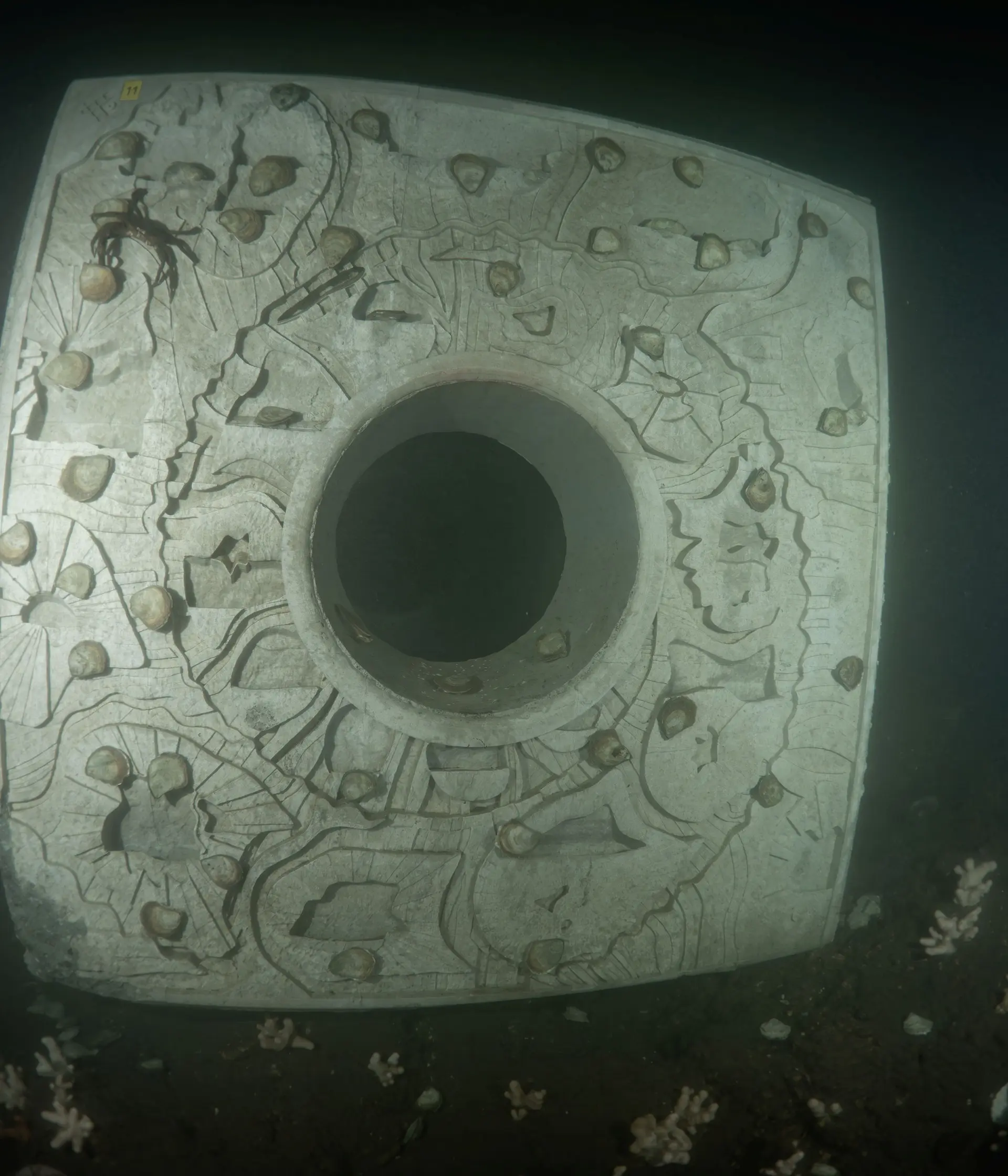
One year on from the deployment of specialist oyster reef cubes’ in the North Sea, dive surveys show native oysters surviving on the oyster restoration site.
We're celebrating after recent dive and underwater video surveys showed that adult and juvenile native oysters, UK’s underwater superheroes, are thriving on a newly restored native oyster reef habitat off the coast of Whitburn, South Tyneside. The dive surveys also showed that the oyster reef cubes are already providing a home to native fish and crustaceans.
This is the latest phase of our five-year restoration and conservation project from with Groundwork NE & Cumbria, The Wild Oyster Project: Tyne and Wear - which aims to bolster the health and resilience of the region by improving water quality, boosting biodiversity and providing nursery habitats for fish and other species.
Celine Gamble, Senior Partnerships Manager at ZSL, said: “We’re breaking new ground for oyster restoration in the UK, testing innovative restoration techniques at scale that haven’t been tried before in these waters. Restoring a reef in the open North Sea is challenging – the oysters have to contend with the impact of wave energy, water quality, changing conditions and predation – so seeing both adult and juvenile oysters survive their first winter is a really encouraging milestone.”
“It’s taken us many years of research, planning and partnership-working to reach this point, and we hope the lessons from this project will help shape the future of native oyster restoration in the North Sea. Conservation success doesn’t happen overnight, and these encouraging early results show the value of long-term investment, careful monitoring and adapting our approach as we learn.”
Giving nature's superhero a helping hand
Oysters are often described as nature’s underwater superheroes; a single native oyster can filter up to 200 litres of water every day, equivalent to a bath full of water. Native oyster reefs disappeared from the region over a century ago; across the UK, habitat loss, over-harvesting, pollution and disease have led to a decline in native oyster numbers of over 95% since the 1800s.
A 2024 assessment by ZSL and the University of Edinburgh found that a similar picture of collapse can be seen across Europe.
Working collaboratively with industry experts, the project team is trialling innovative approaches to native oyster restoration in the North Sea.
The restoration site, measuring one-hectare, roughly the size of one and a quarter football pitches, was created in October 2025 in a first-of-its-kind project to help restore the UK’s near-extinct population of ‘superstar’ water filters and rebuild the North Sea’s oyster reefs.
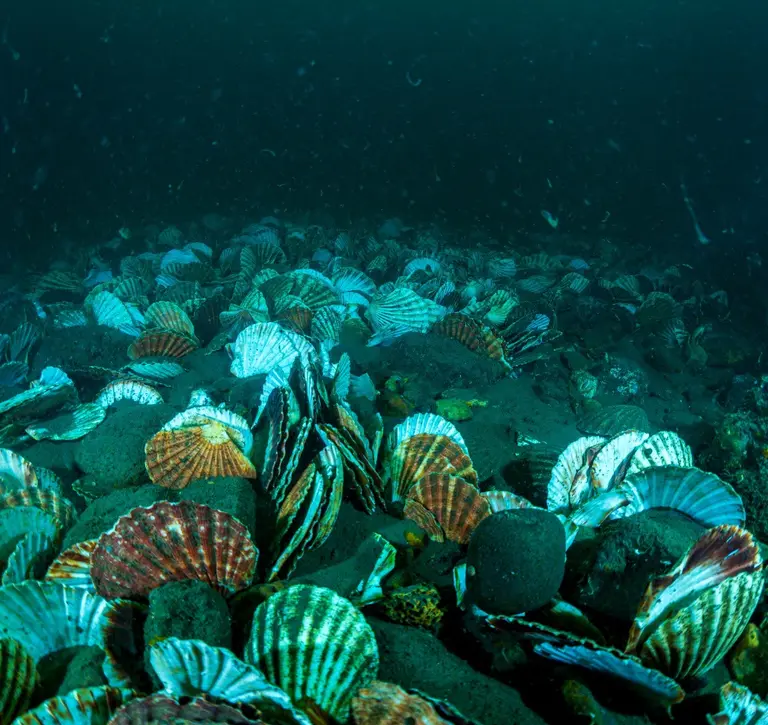
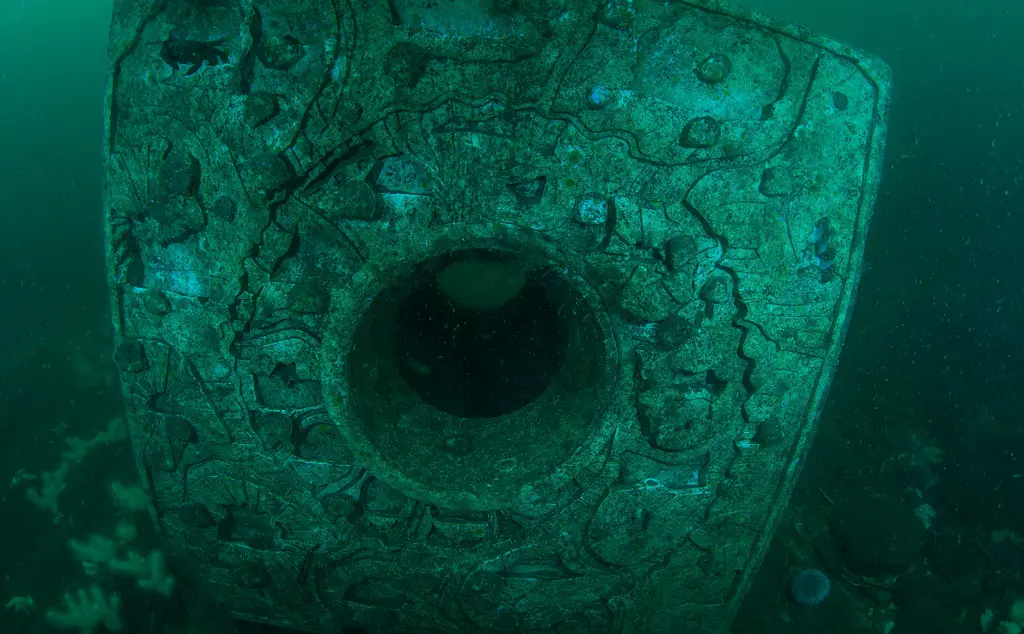
It comprises of 20 specially designed oyster reef cubes, 60,000 juvenile oysters, and 100 tonnes of scallop shell cultch, which provides a stable substrate for reef development. The textured oyster reef cubes were designed to mimic natural marine habitats and were seeded with 4,000 adult oysters, while their central portholes create shelter for fish, crabs, and other marine species.
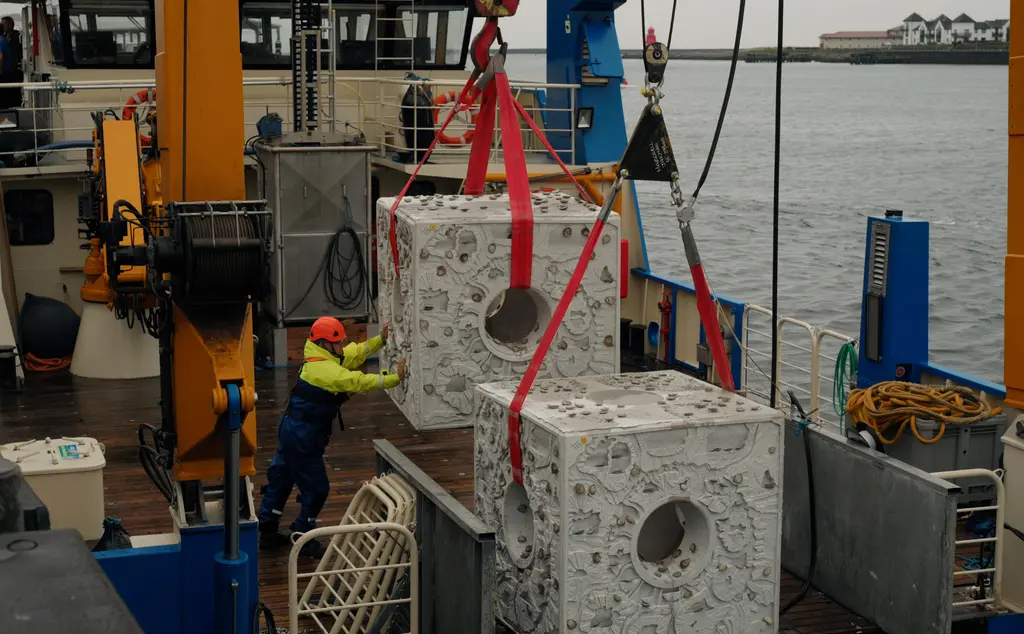
A promising step for oyster recovery in the North Sea
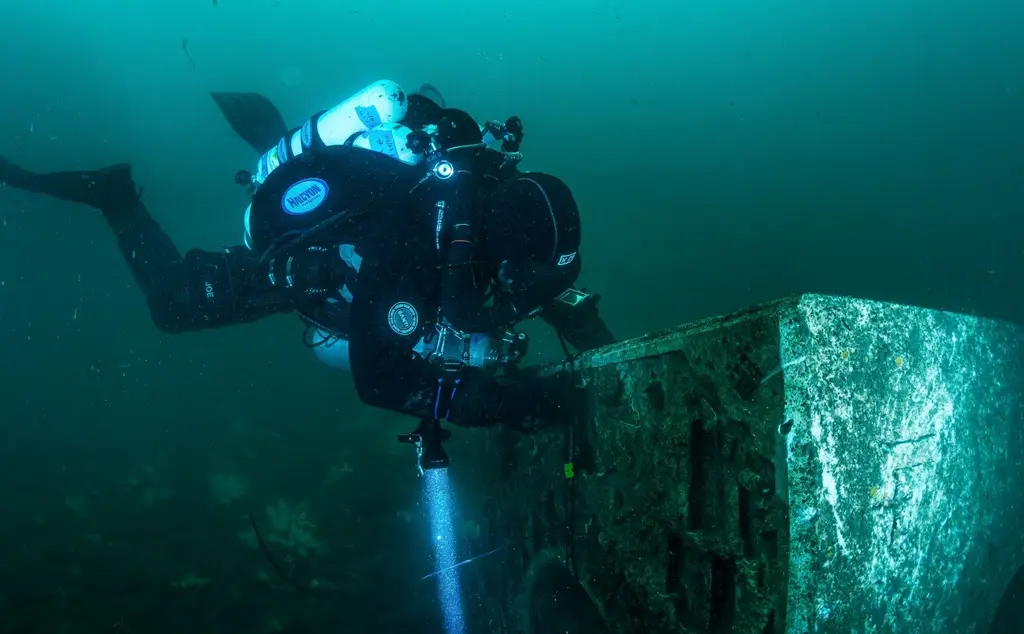
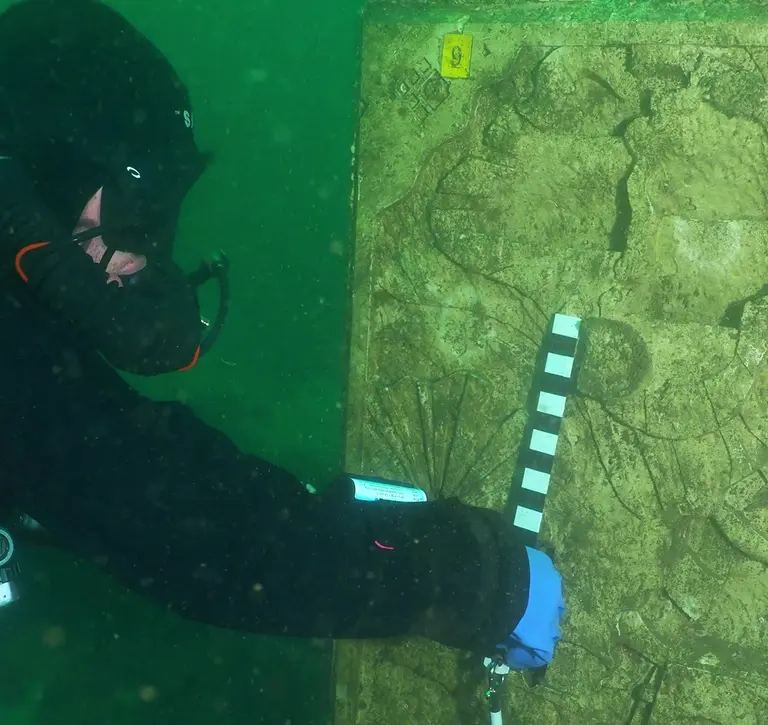
A team of seven volunteer divers from Project Baseline UK completed a survey in July to assess the oyster restoration site and the oyster reef cubes nine months after their installation - with early analysis of underwater video surveys by marine consultants suggesting that the restoration site is already functioning as a thriving marine habitat.
The survey found the restored reef was stable, with all oyster reef cubes remaining securely in place. The structures have provided a robust foundation for the reef and helped to protect oysters and cultch from waves and tidal surges, key challenges in the exposed coastal waters of North East England. It also survey showed strong oyster survival across the site. 99% of the adult oysters attached to the oyster reef cubes were found to be alive and healthy, and others that had become detached were observed loose on the seabed within the restoration area and continued to survive.
Sampling confirmed that young oysters (spat) had successfully overwintered through periods of low temperatures and limited food availability, an encouraging sign for future reef growth.
Excitingly, divers also recorded a variety of fish and crustaceans already living in the oyster reef cubes and surrounding habitat, demonstrating the importance of these restoration reefs for marine biodiversity. Across the wider reef area, shrimps and squat lobsters were among the most abundant species recorded, highlighting how the developing reef is supporting wildlife both on and around the structures.
Dr Ashleigh Tinlin-Mackenzie, Marine Ecology Technical Lead at Groundwork NE & Cumbria, said: “We are delighted by the results of the latest dive survey and are extremely grateful to Project Baseline’s UK volunteers for their dedication and hard work gathering data at 25 metres depth in the cold North Sea.
“The Oyster Cubes have done a great job. Seeing the artificial reef and the oysters. surviving their first winter and seeing fish, crabs, sea urchins, shrimps and squat lobsters already using different parts of the restoration site gives us confidence that this approach will help restore native oyster reefs and support wider marine ecosystems in the North Sea.”
Marcus Rose, Project Baseline UK said: “Working with Groundwork and ZSL has been really rewarding for Project Baseline’s volunteer divers. For us, it allows us to put our diving skills to good use and collect data that is relevant to live conservation work. Seeing the project mature from initial surveys, through to the placing of an artificial reef has been particularly exciting.”
Next steps for oyster recovery
Findings from the monitoring and dive survey have shaped the next phase of the programme, with the team installing custom-designed cages into the central hole of the oyster reef cubes. Each cage contains a mix of adult and juvenile oysters, helping to establish multiple generations of oysters on the reef while reducing the risk of predation during these critical early stages.
The Oyster Restoration Company (TORC) has supported the development of this latest phase, contributing to the design and engineering of the inner cage inserts, alongside oyster production and supply.
So far, the team have deployed an addition 1,000 mature native oysters and 15,000 juvenile oysters to boost the restoration site.
Ashleigh added: “We are now keen to build on these early successes and trial new restoration techniques. A second series of dives installed the new cube cages that we hope will further boost oyster numbers. The results so far are encouraging and show what is possible when we invest in science-driven conservation.”
The team is committed to continuous monitoring, assessment, and adaptation of the test site, refining restoration techniques to maximise oyster survival and give the restored reef the best possible chance of long-term success.
With programme funding from the Stronger Shores initiative coming to an end in 2027, the project team is working to secure further grant funding to scale up restoration efforts across the North East coast.
We work at speed and scale to drive forward a journey of recovery for the planet, protecting critical species, restoring essential ecosystems, supporting those living with wildlife and inspiring positive change - shaping a world where people and wildlife can thrive