







Photography tourism poses threat to rare, star-studded frog, reveals the latest report from our team of scientists and conservationists.
The paper, published today (17 December 2025) in Herpetology Notes describes how a population of threatened galaxy frogs is no longer detected in their study site in the Western Ghats, India, after several reported photography trips left the area damaged, likely destroying the precious microhabitat of these tiny frogs.
While nature photographers can generate vital income and support for conservation efforts, the report emphasizes the importance for photographers, government officials and tourism companies to ensure photography tourism has minimal negative impacts on wildlife - including restricting the capture and handling of animals for photography, limiting the use of high-intensity lights and avoiding habitat disturbance.
Dr Rajkumar K P, a fellow of our EDGE of Existence Programme and lead author on the paper said: “Named after their stunning resemblance to images of space, these beautiful yet rare frogs are unlike anything else on our tiny corner of the universe – but without careful and responsible management we risk them disappearing off the face of the planet for good."
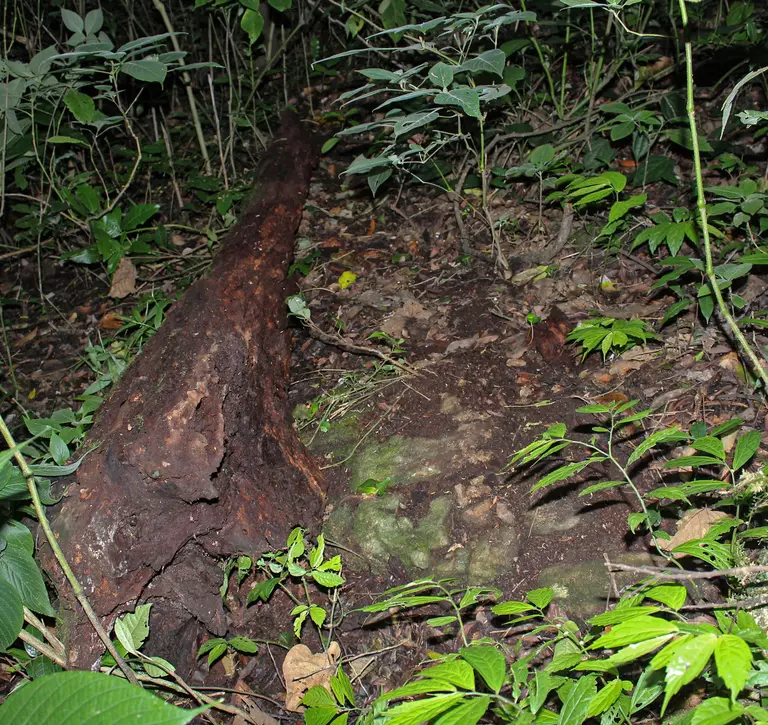
During multiple visits to the study site in early 2020, the research team found up that up to seven galaxy frogs were living beneath logs on the forest floor. However, upon returning to the study site between August 2021 and May 2022, the team noted that the logs had been overturned, the surrounding vegetation trampled, and none of the seven frogs were detected.
An anonymous informant reported that several groups of photographers visited the area between June 2020 and April 2021, with the informant reporting that in addition to turning over the logs, the flash setting was used during photography, risking dehydration and stress to the frogs. Multiple photographers allegedly handled each frog without gloves, increasing the chance of diseases being passed between them.
Rajkumar added: “This sad event is a stark warning for the consequences of unregulated photography. While their colouring and rarity makes the galaxy frog a sought-out subject for photographers, it’s vital that those wishing to photograph these unique frogs don’t inadvertently contribute to their extinction."
"It would be a tragic irony if a drive to capture their likeness on camera today turned them into a thing of the past.”
Galaxy frogs
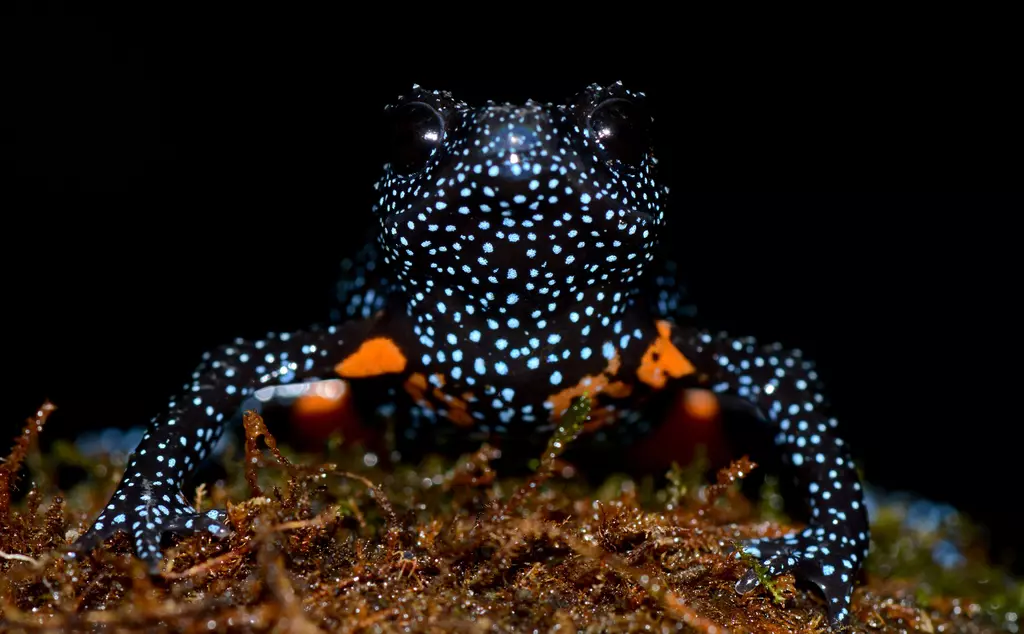
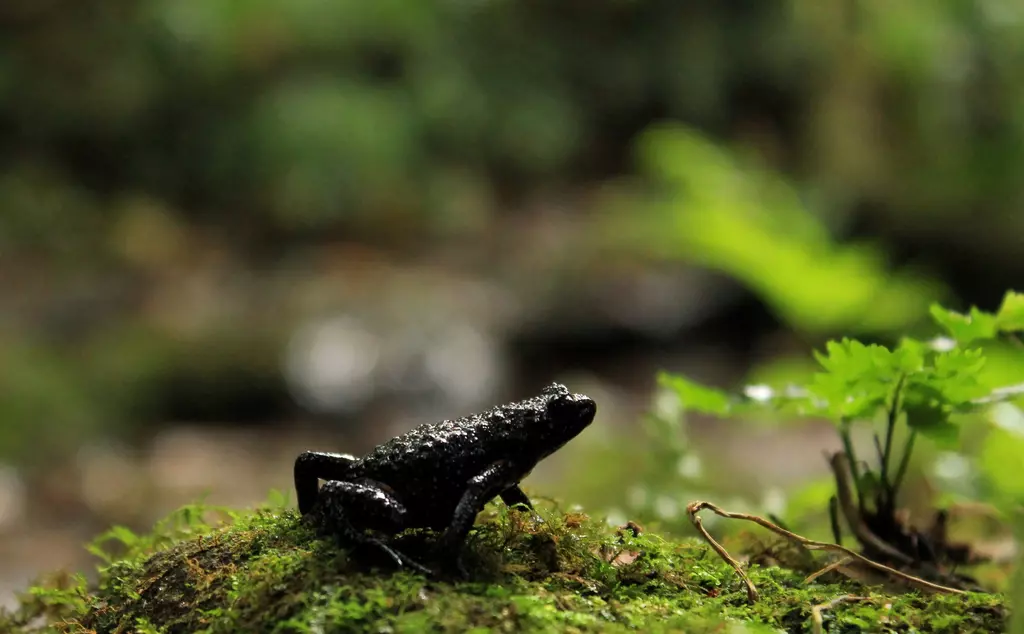
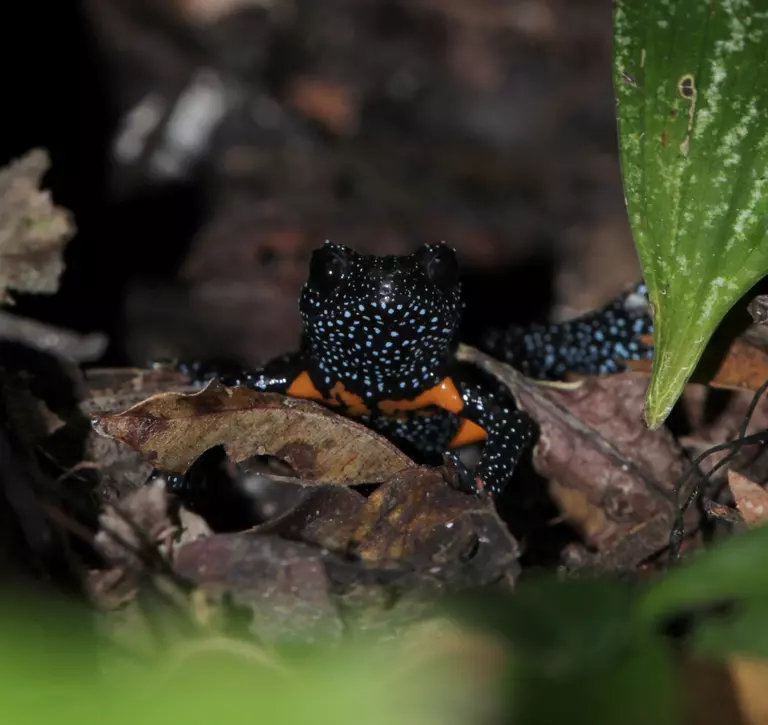
With pale blue speckles and bright orange patterning, galaxy frogs live only in the forests of the southern Western Ghats in India, where they can often be found nestled under rotting logs and stones. Measuring only 2-3.5cm in length, the tiny frog has been a flagship species for the Mathikettan Shola National Park in Kerala State since 2021.
As the sole member of their genus on the Tree of Life, galaxy frogs are classified as an Evolutionarily Distinct and Globally Endangered (EDGE) species – a group containing the world’s most unique species at risk of being lost forever.
The conversion of their lush forest habitat into agricultural land to grow crops, including coffee and tea, led to this frog becoming Endangered on the IUCN Red List.
While a recent reassessment using data from Rajkumar's work under the EDGE of Existence programme has led to them being reclassified as Vulnerable, the species remains rare - with populations in just three fragmented sites in the southern Western Ghats of India. The team published a survival blueprint in 2021 outlining the action needed to restore this frog and its habitat.
Photography as a tool for conservation
Rajkumar added: “Done correctly, photography can be a huge asset to helping conservationists build our understanding of areas such as animal distribution or behaviour – plus, the resulting pictures can help educate others about these incredible species. However, irresponsible photography can turn this asset into a hazard. Unethical actions of nature photographers has already led to a ban in India on bird nest photographs in competitions, and for the Great Indian Bustard specifically, there are restrictions on photographing them during breeding seasons.
“We need wildlife photographers to consider how they can minimise the disturbance they cause during shoots, and for those arranging or promoting such trips to ensure that photography has minimal negative impacts on wildlife and habitats. In addition to a code of ethical field practice, steps like introducing fines for those who violate these standards or training to ensure licensed guides are knowledgeable on correct practices will help ensure that people can continue photographing these wonderful animals for generations to come.”
Dr Benjamin Tapley, our Curator of Reptiles and Amphibians and co-author on the study added: “Sharing beautiful photographs and video clips of animals – especially animals like frogs that don’t benefit from the same universal adoration as some other species – can be hugely beneficial for their conservation."
" A picture can inspire someone to care, to learn more, to take action; but that picture-perfect moment should never come at the cost of the animal’s wellbeing or its home. "
“While it may seem that the galaxy frog is just one population of one species, this sad tale shows how we all have a part to play in protecting the natural world. While we want to encourage people to get out there and appreciate all the incredible life that we share this planet with, it’s essential they do so respectfully so as not to cause further damage.”
Supporting grassroot conservationists
Our EDGE of Existence Programme works across the world to support grassroot conservationists working to protect these animals from the brink of extinction. From leatherback turtles in Venezuela to chameleons in Tanzania, the galaxy frog is just one of many species that the programme works to protect as part of our mission to address the biodiversity crisis and build a world where people and nature can thrive.
ZSL believes nature can recover, and that conservation is most effective when driven by science. We call for science to guide all global decisions on environment and biodiversity and build a healthier future for wildlife, people and the planet.