






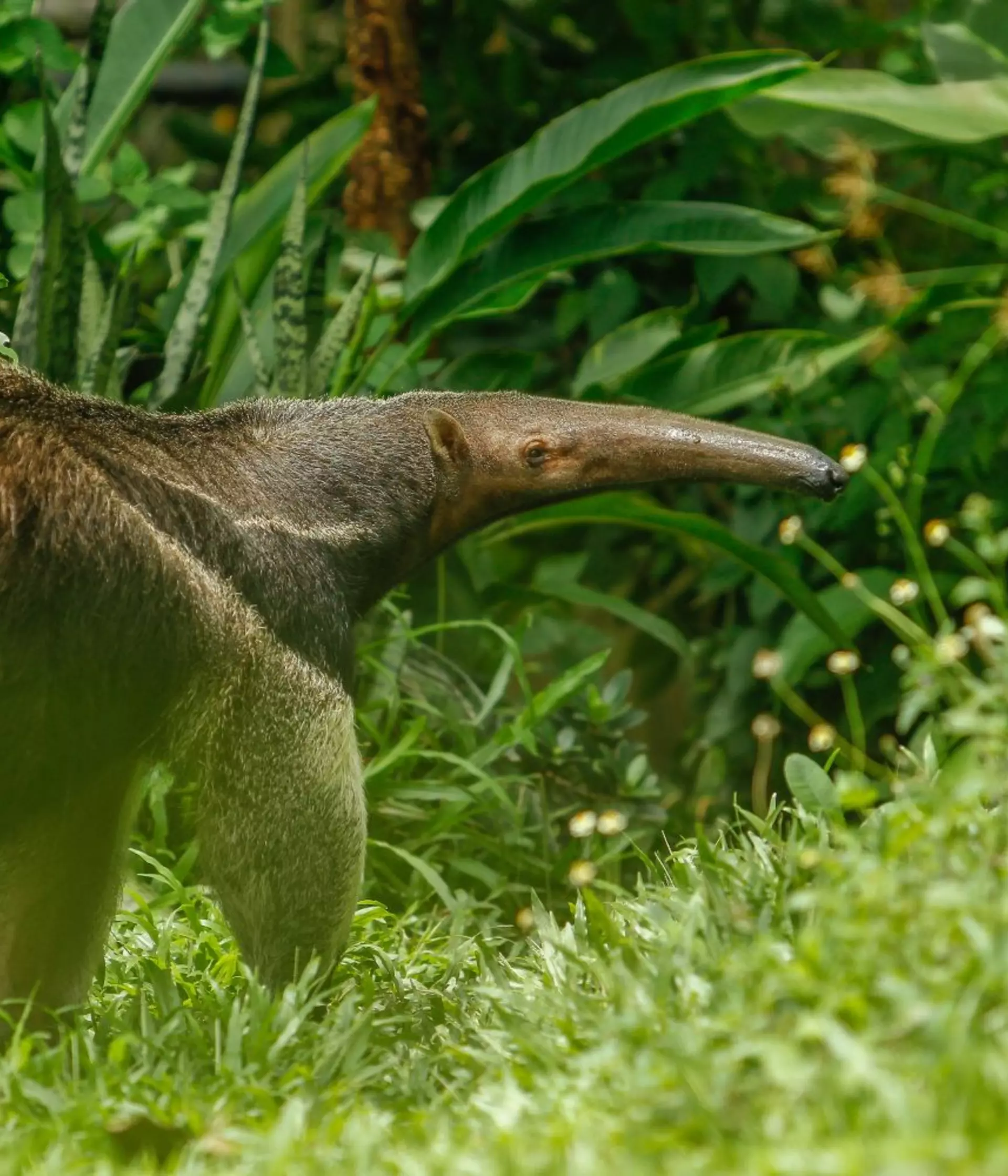
An international consortium - including ZSL - has launched a project to update our understanding of the world's biodiversity hotspots.
The two-year initiative aims to generate detailed scientific data to help prioritise funding to and conservation action in the world's most biologically unique and threatened regions. This work will guide conservation action for decades to come.
The project is announced as conservationists, governments and NGOs are gathered for the IUCN World Conservation Congress - the world’s largest gathering of conservationists - to shape the global agenda to protect species, restore ecosystems, and secure a future where people and nature can thrive.
Why biodiversity hotspots are important
Hotspots are biogeographic regions that are home to a wealth of species found nowhere else in the world and are threatened by human activities such as habitat destruction, pollution and climate change.
There are currently 36 terrestrial hotspots, which cover 16.7% of Earth’s land surface. Although they cover a small percentage of our planet's surface, biodiversity hotspots contain a disproportionately large share of the world’s animal and plant species.
Governments, conservationists, donors and other stakeholders have used hotspot designations over the years to prioritise the designation of Key Biodiversity Areas and the effective conservation of nature.
Over the last 25 years, large amounts of conservation funding have been funded to hotspot regions, with the Critical Ecosystem Partnership Fund alone mobilising USD 325 million. This support has been critical, for example, to the designation of more than 24 million hectares of marine conservation areas in South Sulawesi with the Indonesian government, the repopulation of wild silkworms in tapia tree forests in Madagascar with local communities to improve livelihoods, and the development of a collaborative management plan for 20,000 hectares of mountainous forest in Kyrgyzstan’s Chychkan Gorge with local communities.

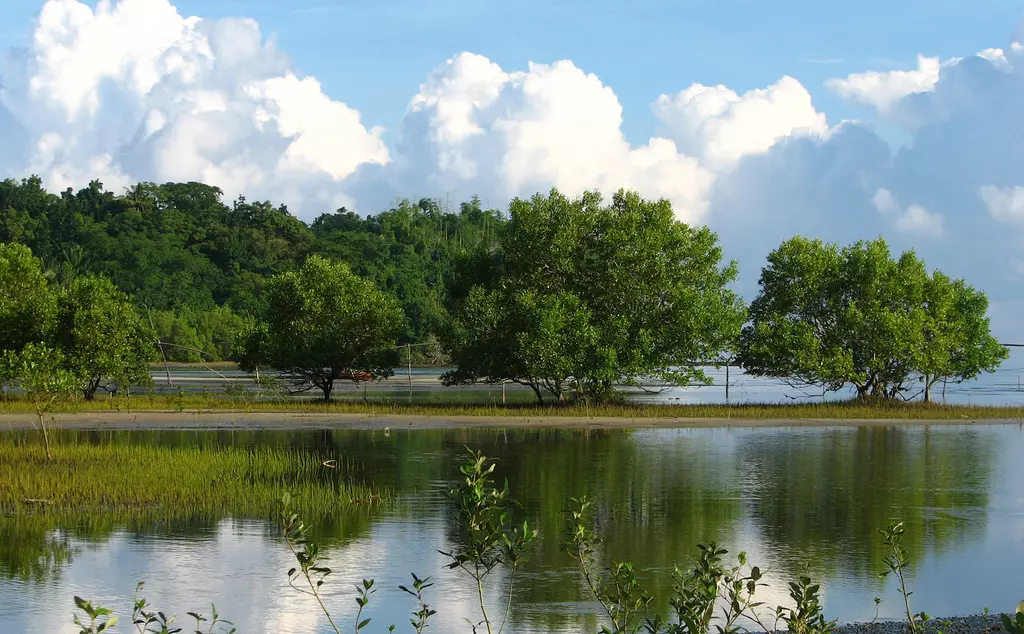

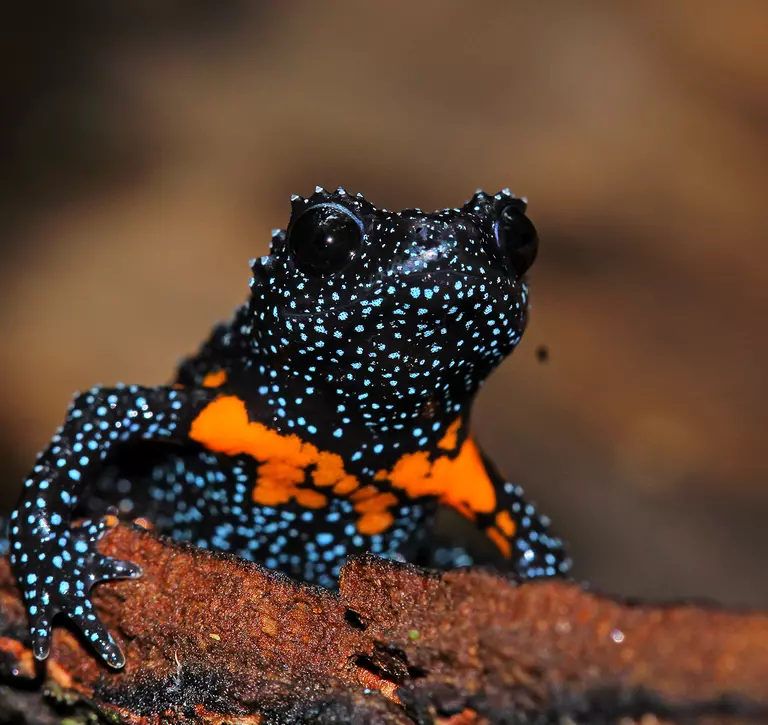
Driving science-led conservation
We know that conservation works best when it's powered by science.
Our current map of the world's biodiversity hotspots was updated in 2000, and over the last 25 years, there have been numerous important scientific developments and advancements in our ability to study the natural world.
For example, in 2000, the extinction risk of around 16,500 species had been assessed on the IUCN Red List of Threatened Species™ - today, the list now consists of over 170,000 species.
The project will deliver a comprehensive re-evaluation of biodiversity hotspots and megadiversity countries. This will include incorporating both the Species Threat Abatement and Restoration (STAR) metric, which measures to what extent an investment can reduce a species’ extinction risk, and EDGE, a metric devised by our scientists which focuses on evolutionarily unique threatened species.
The EDGE approach focuses on how Evolutionarily Distinct (ED) and Globally Endangered (GE) species are. The more evolutionarily distinct and close to extinction a species is, the higher it features on the EDGE list.
“Bringing two decades of EDGE scientific advances into our assessment of Hotspots will ensure they reflect the exceptional diversity of Earth’s most unique and threatened evolutionary lineages – shaping a conservation roadmap for safeguarding biodiversity across the Tree of Life, and the many benefits it provides people globally,” said Dr Rikki Gumbs, Research Fellow at our Institute of Zoology and Co-Chair of the IUCN Species Survival Commission’s Phylogenetic Diversity Specialist Group.

“This update will incorporate new data and techniques, while maintaining focus on exceptional endemism and exceptional threat, to reveal the irreplaceable places in the most urgent need of conservation resources and action on the ground,” said Russell Mittermeier, Re:wild Chief Conservation Officer and an IUCN honorary member, an IUCN Vice-President Emeritus, and Chair of the IUCN Species Survival Commission's Primate Specialist Group.
“Biodiversity is distributed unevenly across the planet, and some places face far greater threats than others. The Biodiversity Hotspots identify areas of exceptional endemism under severe pressure. However, the data have not been updated for 25 years, and much has changed in that time. With this new biodiversity hotspot update, we aim to ensure that future conservation efforts and funding are directed where they can make the greatest difference — for both nature and people,” said Anders Holm, Executive Director of the Hempel Foundation.
The consortium is led by IUCN as implementing partner and the Hempel Foundation as the funder, in collaboration with Botanic Gardens Conservation International (BGCI), the Critical Ecosystem Partnership Fund (CEPF), Newcastle University (which hosts the IUCN Species Survival Commission's Global Biodiversity Targets Task Force), Re:wild, and ZSL.
We work at speed and scale to drive forward a journey of recovery for the planet, protecting critical species, restoring essential ecosystems, supporting those living with wildlife and inspiring positive change - shaping a world where people and wildlife can thrive