






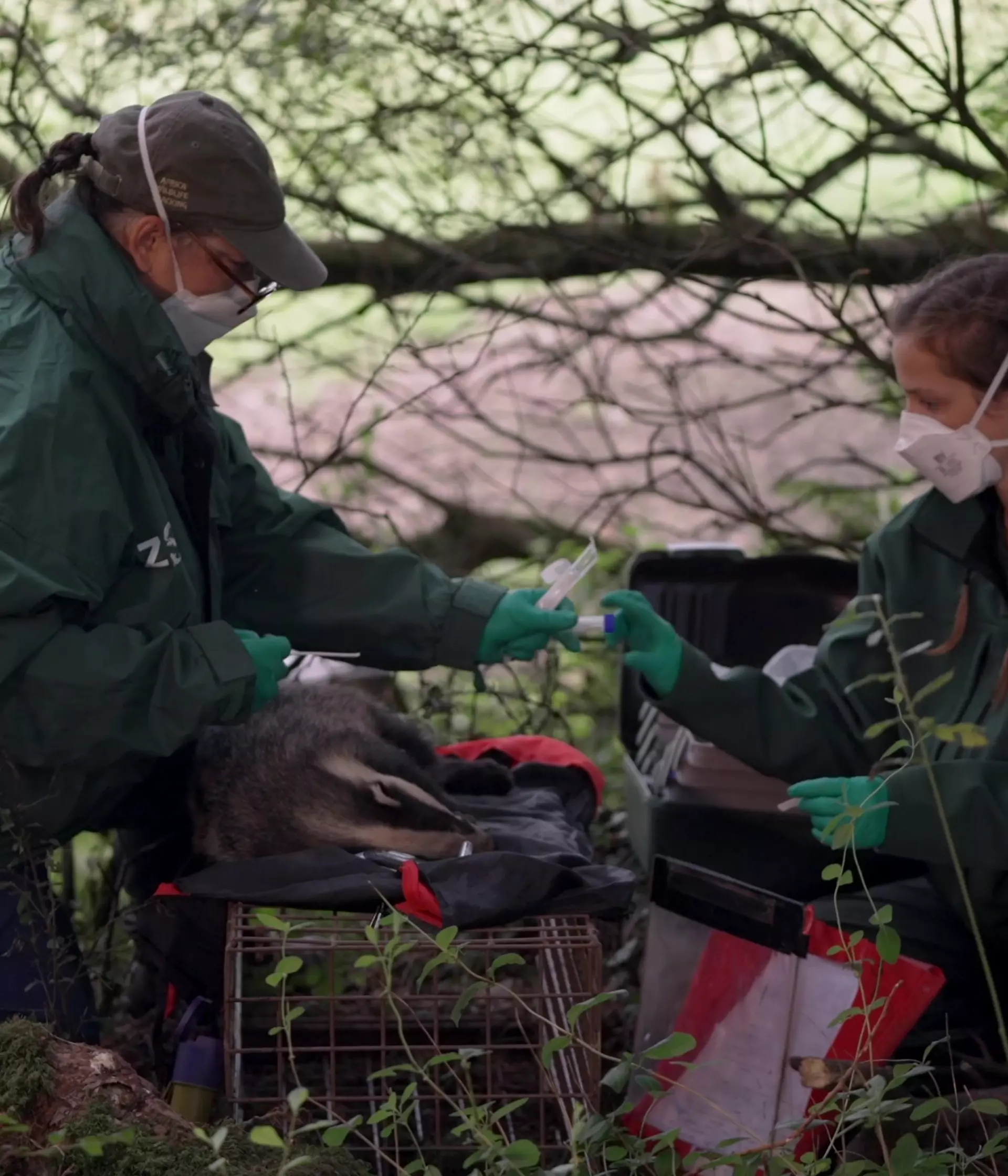
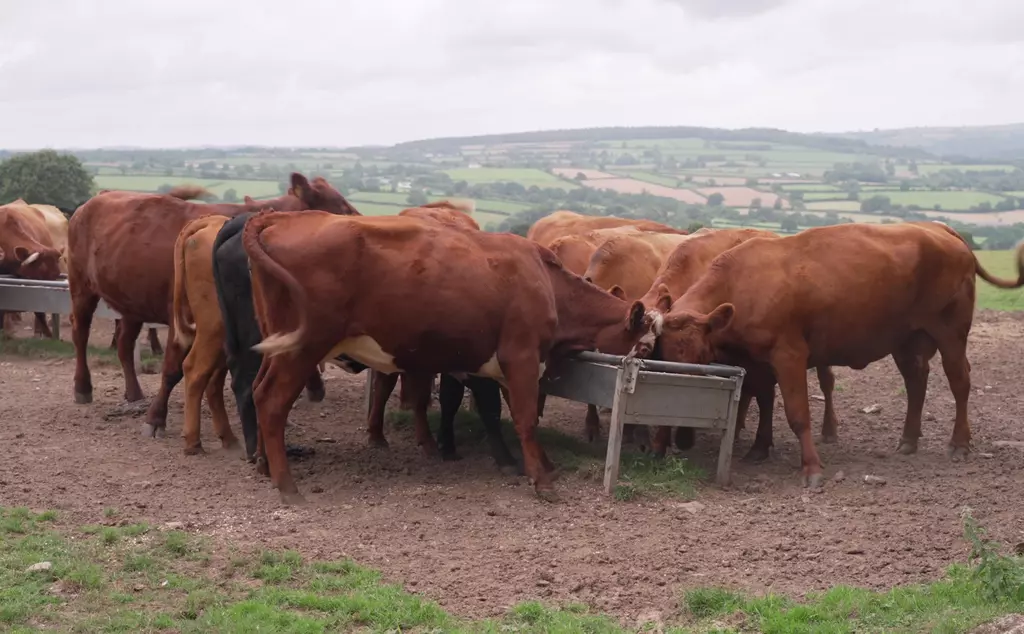
A new project to understand the next steps towards the eradication of a devastating cattle disease is underway, led by farmers and supported by our scientists.
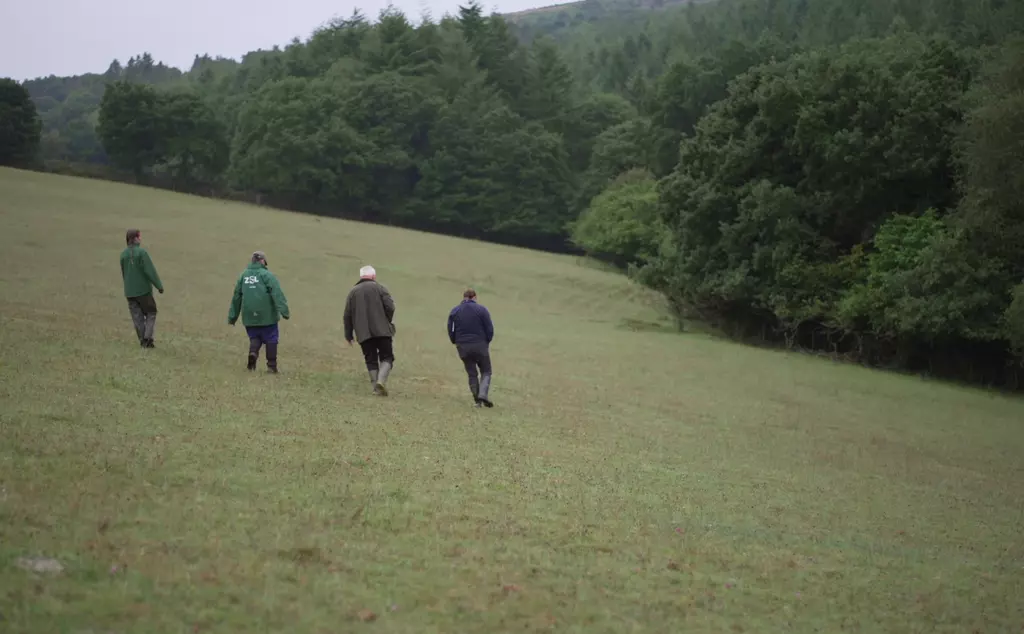
Led by farmers in Cornwall, we are working with the National Farmers Union (NFU) on the three-year project, which will explore the effectiveness and practicality of scaled-up, industry delivered, badger vaccination as part of a comprehensive bovine tuberculosis (bTB) eradication strategy.
What is bovine tuberculosis?
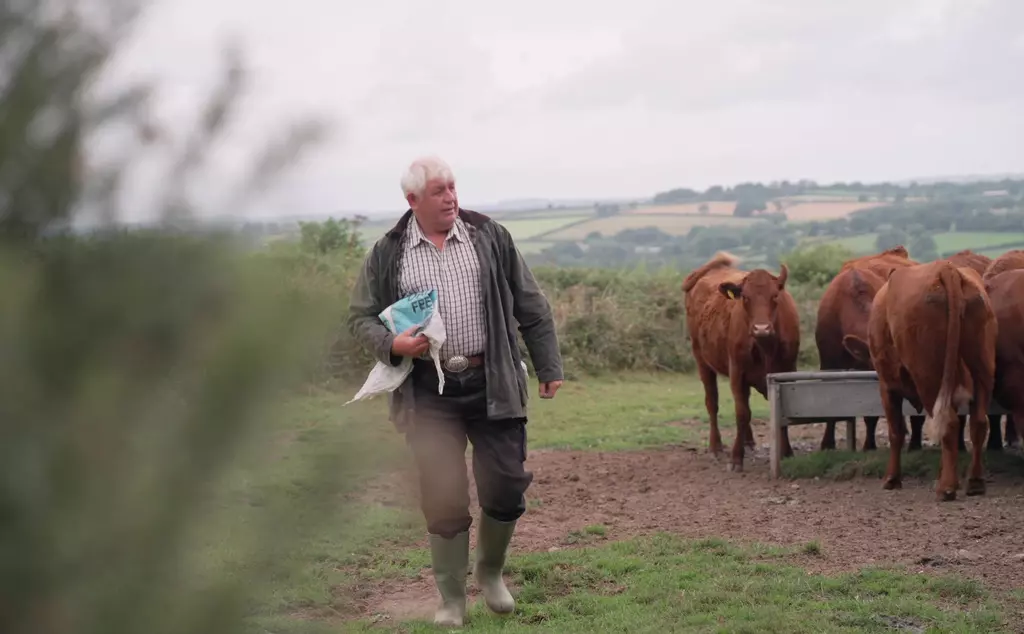
Bovine tuberculosis is a cattle disease caused by the bacterium Mycobacterium bovis. As part of the government’s commitment to eradicate the disease, any cattle that test positive for it must be slaughtered, and restrictions are placed on the remaining members of the herd – impacting farmers’ livelihoods.
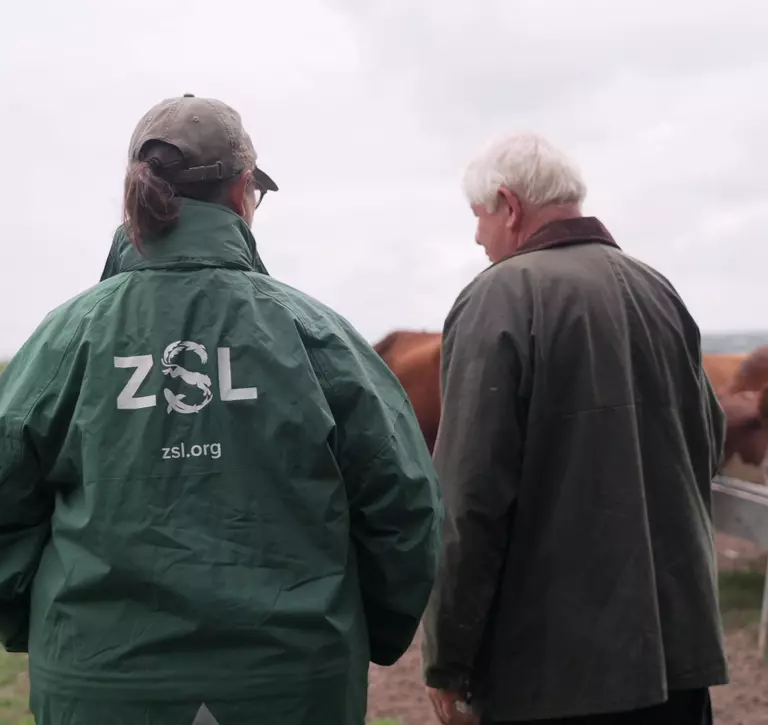
NFU member and livestock farmer Martin Howlett, who is taking part in the project, explained: “My farm was repeatedly hit by TB over a 15-year period. Losing cattle, even if it’s only a few each time, takes a massive toll on the family and the business, which was essentially frozen. What I remember most from that time was a constant sense of dread.”
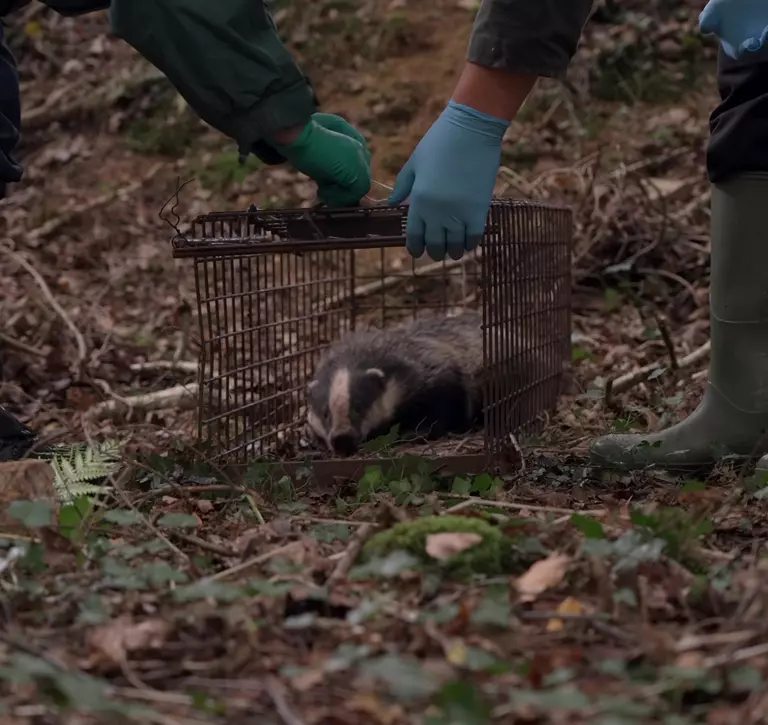
While most bTB incidents in cattle are caused by transmission between herds, the spread of the disease between wild badgers and cattle plays a role in the persistence of the harmful disease.
Finding a solution for people and wildlife
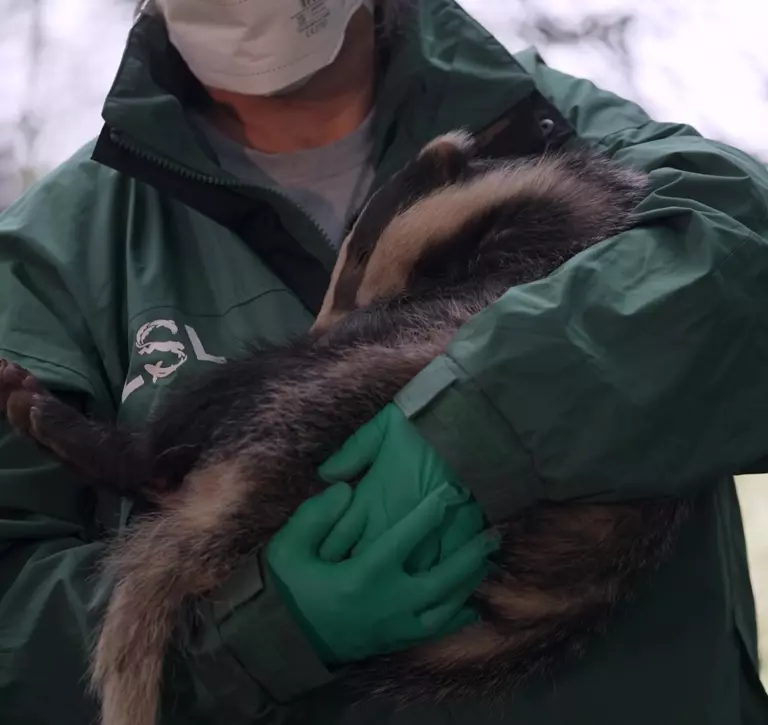
In order to determine which delivery model is best to deliver vaccinations in a cost-effective way, the project will pilot three different vaccination approaches – annual vaccinations, vaccinations every other year, and reactive vaccinations based on bTB outbreaks.
Rosie Woodroffe, Professor at our Institute of Zoology, said: “Ultimately, we all want the same thing: to see TB eliminated so that farmers, their livestock, and wildlife, can all thrive. By working together to compare different approaches, we can develop a shared understanding of the evidence as it emerges, and use it to identify TB control solutions which are effective and sustainable.”
Conservation science in action
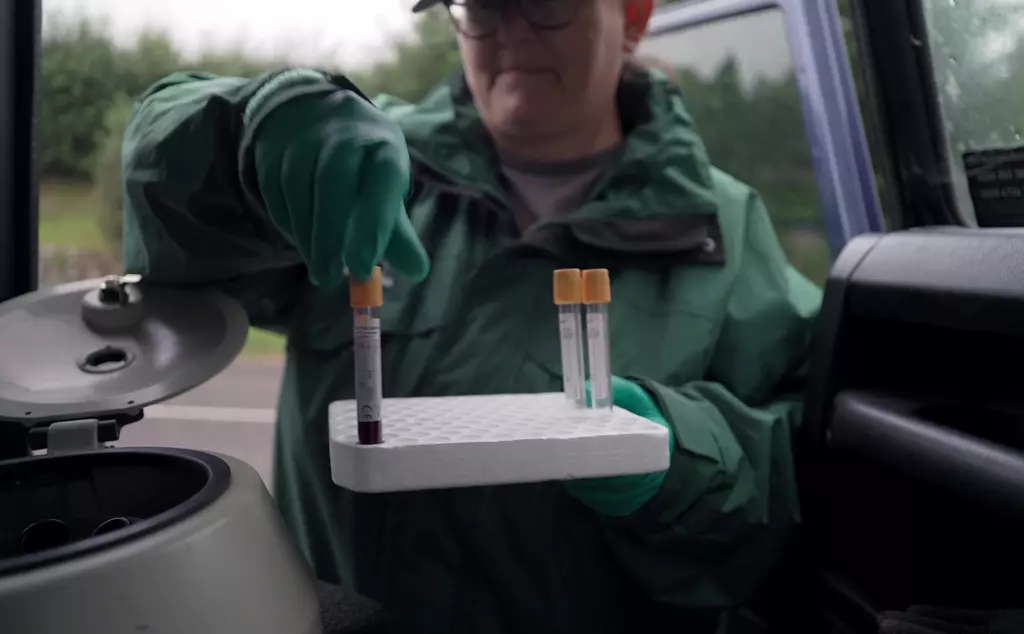
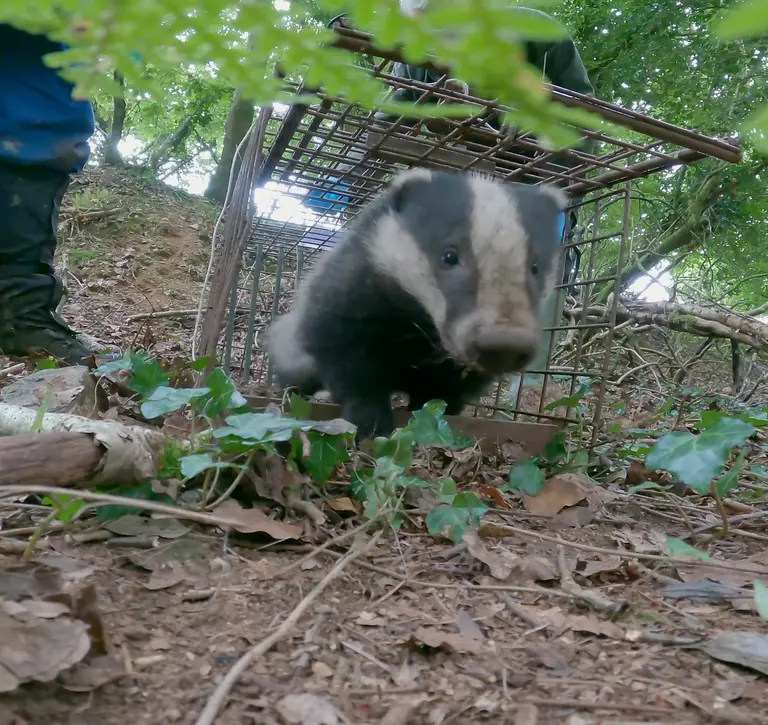
With the project made possible by £1.4 million worth of funding from DEFRA, the team will use blood tests to track how effective the vaccinations are at controlling bTB within the badger populations. Camera will also be used to estimate badger population densities, vaccination coverage, and the rates of badger recovery in post-cull areas.
The study follows a previous, smaller-scale farmer-led study, implemented by us in partnership with the Cornwall Wildlife Trust. Working to vaccinate badgers in another region of Cornwall, the pilot study found that the number of badgers testing positive for exposure to bTB dropped from 16% to 0% over the four years of vaccination.
Martin added: “I’m hoping this project will deliver the evidence we currently don’t have – that badger vaccination can be delivered at a much bigger scale across the country and help farmers in the fight against bovine TB.”
Urgent action to stop the devastation of critical species and habitats by helping people and wildlife live better together, is the only way to save the natural world we love and depend upon. That’s where ZSL comes in, and where you can play your part.