






31 March 2026
ZSL’s Biodiverse Landscapes Fund (BLF) programme in the West Congo Basin has now come to a close.
Funding for the project was withdrawn just two years into a seven-year long programme, by the Department for Environment, Food and Rural Affairs (Defra); following a wider review and reduction of Official Development Assistance (ODA) spending by the UK Government and Defra.
The BLF was formed as part of a broader UK Government ambition to protect and restore globally important ecosystems, with the ODA-funded programme working in six critical landscapes worldwide, and ZSL was leading work in the Western Congo Basin (WCB) landscape. Following the cuts to ODA spending by the UK Government, ZSL worked through the final commitments to the BLF and the programme has now been concluded.
Despite closing early, ZSL and our partners made significant progress and remain firmly committed to continuing our conservation work in Cameroon and across the wider region. Despite the withdrawal of the ODA funds bringing this specific BLF project to a close, the partnerships, data and momentum created through the work will continue to inform ZSL’s conservation efforts across the WCB.
One of the most important forest ecosystems on Earth
The BLF project focused on protecting the West Congo Basin, one of the most globally important forest ecosystems. Spanning Cameroon, Gabon and the Republic of Congo, this landscape is home to extraordinary biodiversity, including African forest elephants, western lowland gorillas and chimpanzees. These forests also support millions of people whose livelihoods depend on healthy ecosystems.
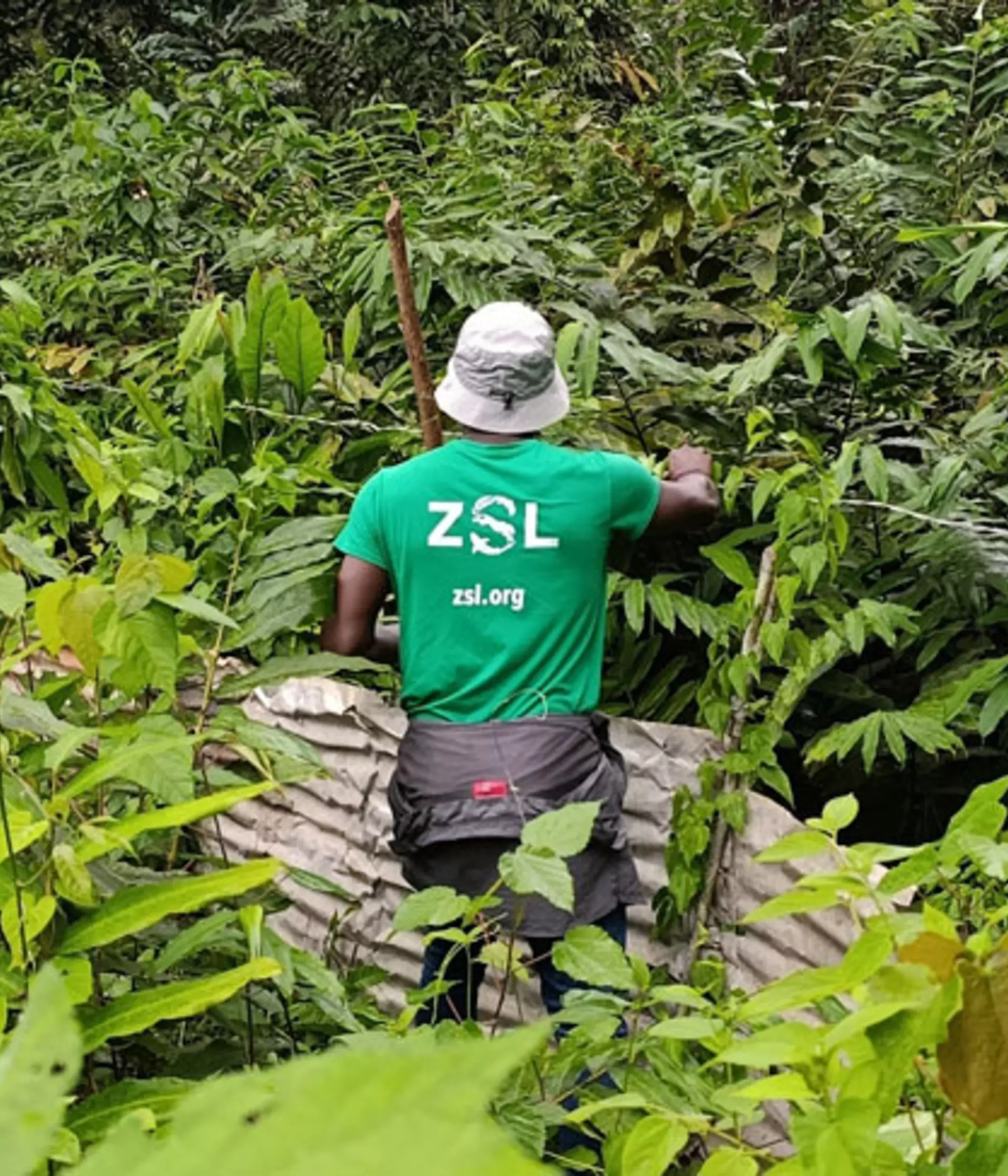
In Cameroon, where ZSL has been working for more than 18 years, the programme built on a long-standing and trusted relationship with the government and national partners. Cameroon remains a cornerstone of ZSL’s work in Central Africa, and the BLF programme helped expand our understanding of the region’s biodiversity and the communities who live alongside it.
Our approach combined efforts to support the effective and equitable management of protected areas and transboundary landscapes with engagement across key industries operating in the region. By encouraging more sustainable practices among palm oil, timber, pulp and rubber companies, the programme sought to help ensure that economic development and biodiversity protection can progress hand in hand.
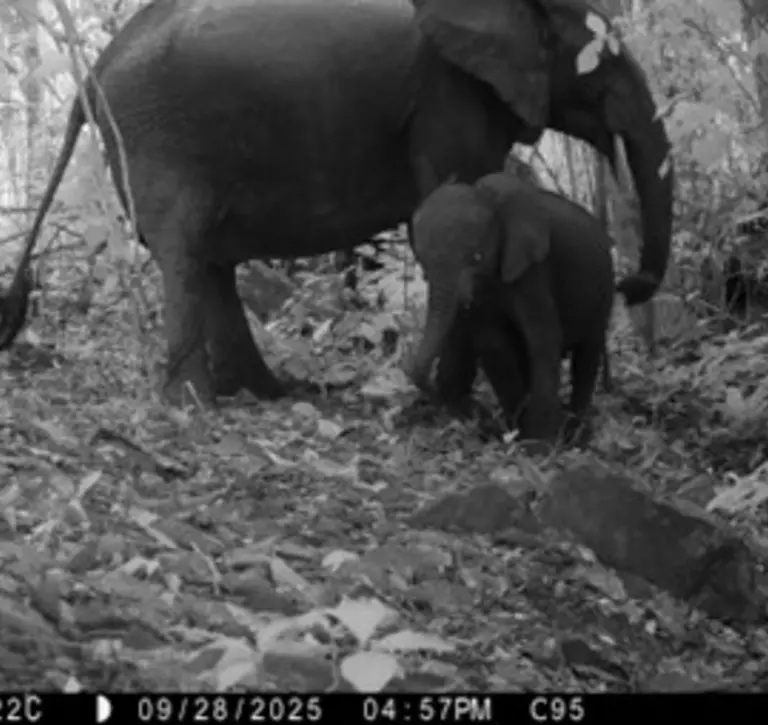
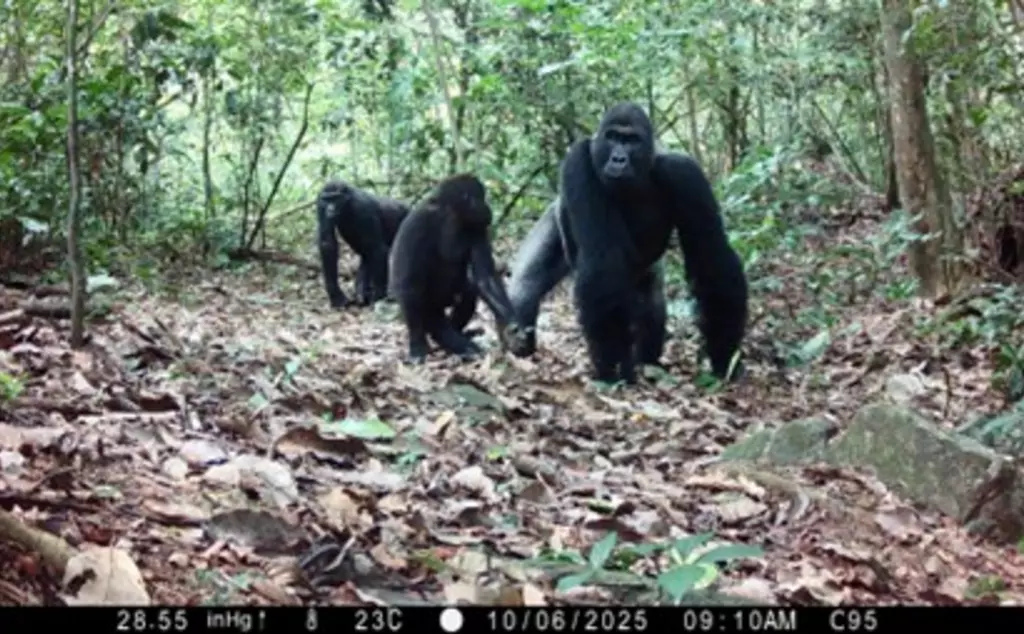
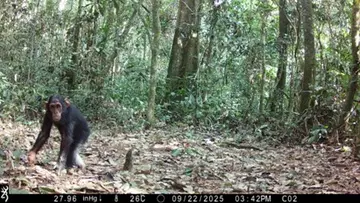
Camera trap images are from Nki National Park in Cameroon
Creating change by building relationships
A key focus of work between 2024 and 2025 was building and strengthening relationships with national governments in Gabon and the Republic of Congo. Strong partnerships with government institutions are essential to achieving lasting conservation outcomes, and the programme created important foundations for long-term collaboration. Over the course of the programme, ZSL and partners convened three national government engagement workshops to support dialogue around landscape management and sustainable development.
These engagements led to important milestones. A programme steering committee was established in Gabon to guide collaborative action, and formal agreements were signed with both the Republic of Congo and Gabon, setting out shared priorities for conservation and sustainable land management. In collaboration with stakeholders across the region, ZSL also led the development of the first Conservation Strategy for the TRIDOM (Tri-National Dja-Odzala-Minkébé) landscape – outlining a ten-year vision for conservation and sustainable development. These partnerships will continue to support conservation efforts across the WCB long into the future.
Biodiversity Baselines
One important strand of this work has been establishing robust baselines of biodiversity across the landscape. Camera-trap surveys have been deployed to monitor wildlife and gather vital data on the presence and movement of key species. These surveys provide critical insight into the health of ecosystems and help guide future conservation planning.
Researchers from ZSL’s Institute of Zoology (IoZ) were supporting the programme by strengthening monitoring and forecasting methodologies to more accurately assess ecosystem trends in the WCB. This included using improved climate modelling to map emissions and quantify forest ecosystem conditions, and the development of an app to help visualise, monitor and report on these trends.
This novel work has highlighted the importance of improving our understanding of climate dynamics within the WCB, as outlined in a recent scientific paper.
Supporting sustainable livelihoods
Supporting sustainable livelihoods was a central part of the programme’s vision and remains a priority for us. Across the region, many communities depend on natural resources for income and food security. By working with communities to develop alternative livelihood opportunities, the programme aimed to reduce pressures on forests while improving economic resilience.
Initiatives have included exploring opportunities in ecotourism and supporting forest-friendly agriculture, such as organic cocoa production. These approaches can provide stable income while helping maintain the integrity of the surrounding forest landscape. By linking conservation with economic opportunity, the programme sought to demonstrate that protecting nature can also support thriving local communities.
Part of this work included improving our understanding of the social and economic context of conservation in the region. A GESI (Gender Equality and Social Inclusion) assessment was conducted to examine how different groups access resources and hold decision-making power, as well as how climate change, human-wildlife conflict and the illegal wildlife trade specifically impact women, girls and Indigenous People. This work helps ensure that conservation initiatives are informed by the realities of people’s lives and that programmes can deliver meaningful benefits alongside biodiversity protection.
ZSL is committed to Cameroon and the broader region
For ZSL, the conclusion of this programme does not mark an end to our work in the region. the Congo Basin remains a priority landscape for our conservation efforts, and we remain deeply committed to supporting biodiversity protection and sustainable development in collaboration with national and local partners.
The foundations built through the BLF programme - from strengthened government relationships to improved biodiversity data and community partnerships - provide an important platform for the future. We will continue working collaboratively to protect the forests and wildlife of the Congo Basin, and to support the communities who depend on these extraordinary landscapes.
We are grateful to the many partners, communities, researchers and organisations whose dedication and collaboration made this work possible, and we look forward to building on these achievements in the years ahead.