






12 October 2025
By forming and strengthening existing agroforestry cooperatives, smallholder farmers can transition away from monoculture to diversified perennial crop systems.
Conservation success increasingly depends on creating economic systems that value nature as an asset rather than a cost. In Thailand’s Kanchanaburi province, our team at ZSL Thailand and Eco-Exist Society are demonstrating this shift in practice.
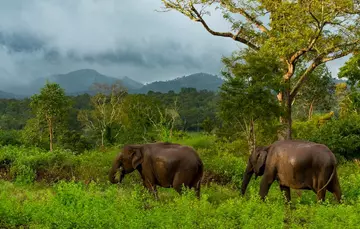
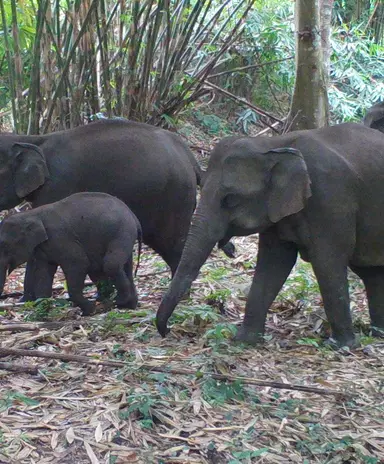
Around 50% of this province is within the southern portion of Thailand’s Western Forest Complex (sWEFCOM), which has a unique biological characteristic – it is home to Asia’s largest land mammal, the Asian Elephant (Elephas maximus), and its smallest mammal, the Bumblebee Bat (Craseonycteris thonglongyai, also known as Kitti’s Hog-nosed Bat). These two species are increasingly under threat from anthropogenic disturbances, which have a negative ‘knock-on’ effect on farmer livelihoods in the area.
Through nature-positive agroforestry, we are helping farmers establish livelihoods that promote human-wildlife coexistence while restoring landscapes and building a viable business model for conservation.
A market-ready model for sustainable land use
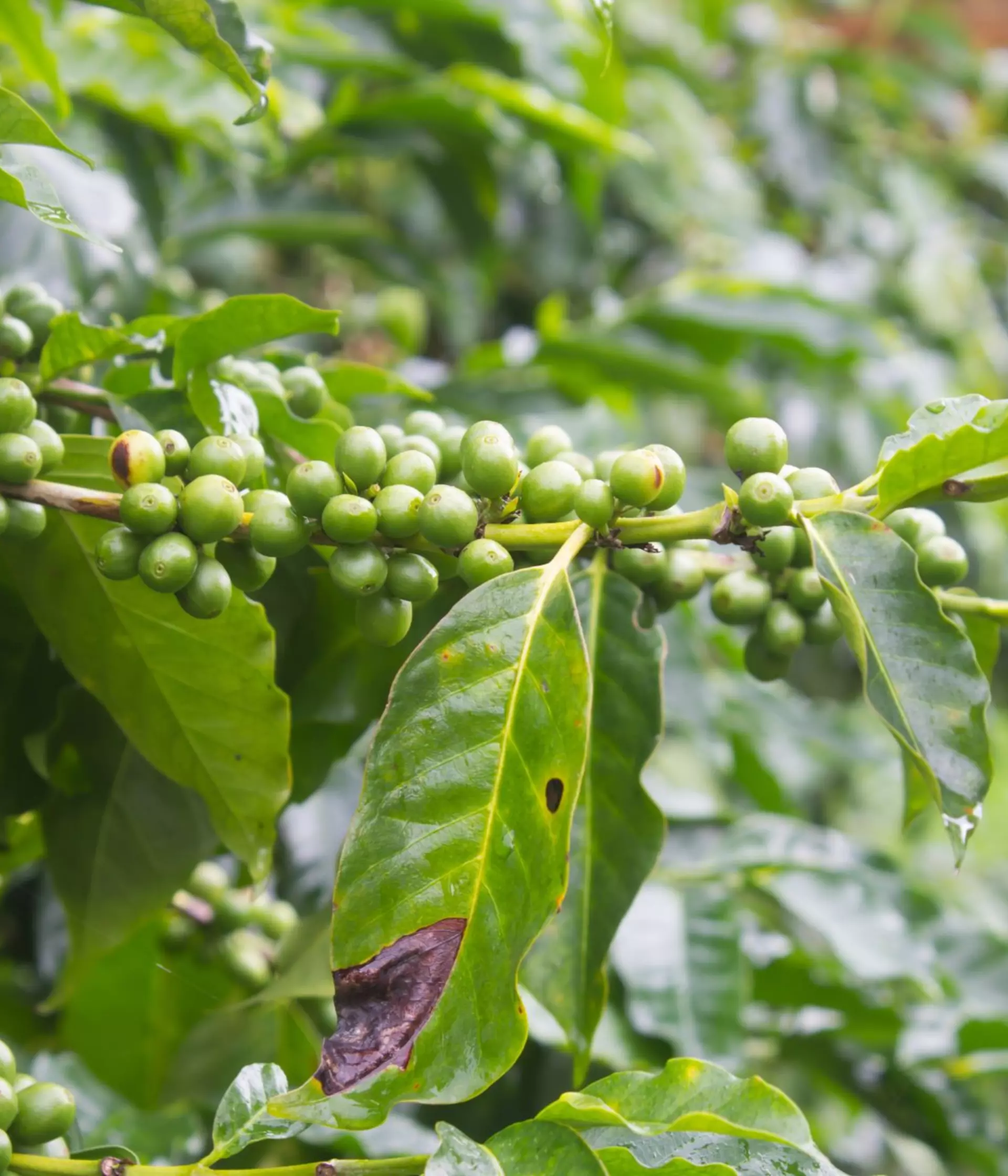
In Kanchanaburi province, where smallholder farmers work along forest margins, we are developing a financially self-sustaining agroforestry model that helps farmers move from monoculture crops like sugar cane and cassava toward diversified, elephant-friendly systems. These farms integrate crops and native trees to improve soil health, stabilise yields and generate multiple income streams.
At the centre of the model is the Chang Yim Cooperative developed by Eco-Exist Society, which serves as both a training and business hub. It supports collective production, processing and marketing, linking farmers to ethical buyers through offtake agreements and premium branding for elephant-friendly coffee for a start. As it grows, the cooperative will evolve into a legal community enterprise capable of accessing SME and government support.
Designing innovative finance solutions for lasting impact
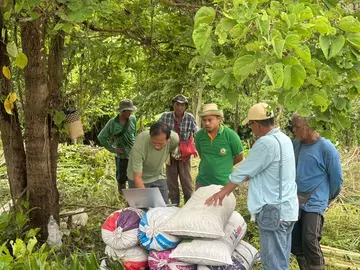
To ensure long-term sustainability, the business plan is designed to attract blended and concessional finance, including outcome-based investment mechanisms. Agroforestry demonstration farms across conflict-prone areas are being used to refine the model and prepare for scale, with future opportunities to generate emission reduction credits as an additional revenue stream.
Piloting a nature-positive business model
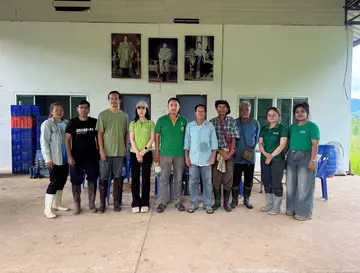
This year, agroforestry models for Tha Manao, Chalae and Huai Kayeng have been co-designed with farmers following focus group consultations to ensure ecological suitability and profitability. The sites are now being used to test crop combinations, market potential, and cooperative governance, providing the data needed to build an investible pipeline of future farms.

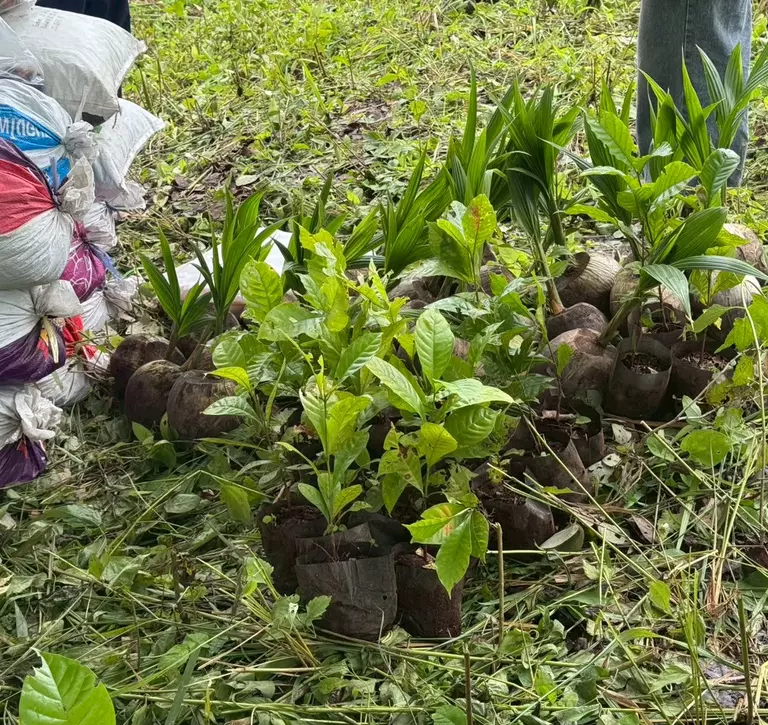

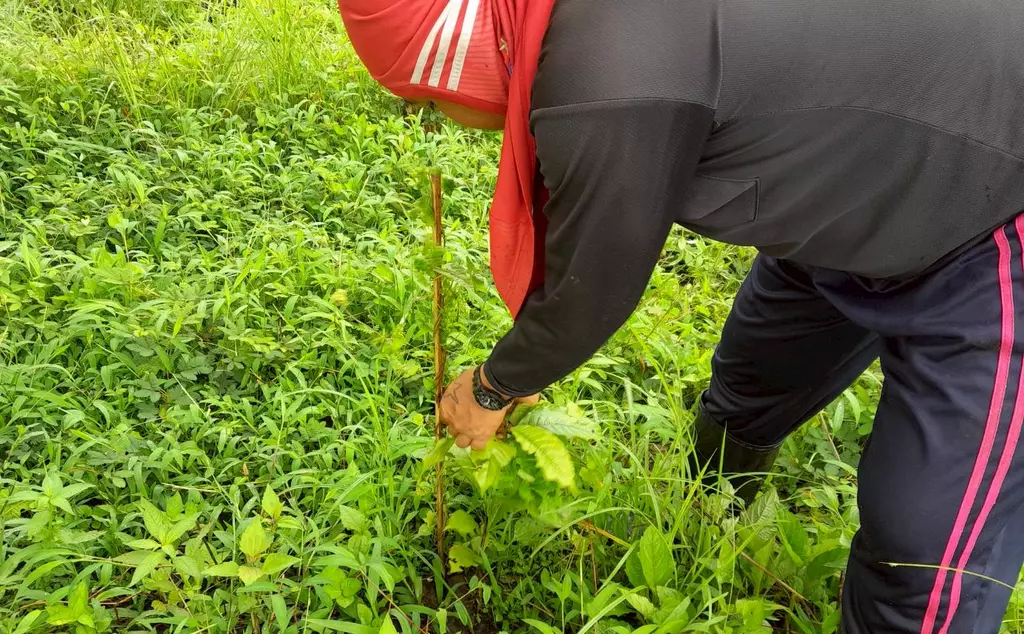
Seedling and planting
Update from Huai Kayeng
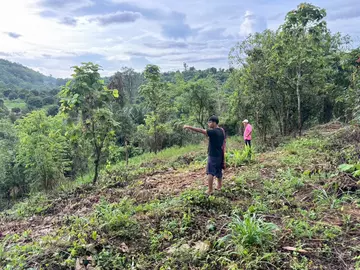
At Huai Kayeng, the first model farm was launched in June 2025 with technical support from the Royal Project. Land preparation and seedling distribution were completed soon after, followed by multi-crop planting in July and September. The site now includes more than twenty species, from coffee and coconut to mangosteen, avocado, pepper, and rosewood, strategically selected for soil improvement and drought resilience.
Farmers have agreed to form a registered community enterprise within the coming months, allowing access to government and SME funding and marking a shift from donor-supported activities to an emerging self-sustaining rural enterprise.
Scaling agroforestry in Thailand
By 2030, the goal is to expand to 1,000 hectares of diversified agroforestry, supporting over 150 farmers and sequestering up to 25,000 tonnes of carbon. With strong monitoring systems, the model will be ready to access carbon and biodiversity credit markets, further enhancing its investment potential.
This initiative demonstrates how conservation can operate within a functioning business framework. Scientific design ensures ecological integrity; community enterprises secure local ownership; and innovative finance provides the capital to scale.
Part of our broader conservation finance portfolio, this project shows how communities, investors and businesses can work together to deliver positive outcomes for people, nature and the planet.
Work with us to scale nature-positive business models
We help turn nature-based solutions into investible opportunities, supporting agroforestry, sustainable supply chains and nature-positive finance.