






20 May 2026
The weird and wonderful encounters from a day in ZSL’s biological archive
I cut through Regent’s Park on a crisp Wednesday morning and arrive at the Wellcome Building, home of the ZSL Biobank. It’s doughnut morning - an unofficial but much-loved traditional at the ZSL’s Institute of Zoology - so I spend the first half an hour of the day in the communal tea room nibbling on a treat and chatting with vets, technicians, scientists and conservation professionals over coffee. Conversations drift from recent fieldwork abroad to upcoming conferences and research projects.
Before the day has properly begun, you’re already reminded that this is a place where global conservation meets everyday teamwork.
A floor below, in the Biobank’s Volunteer Room, Louise Gibson (ZSL Biobank Manager) and Vicky Luk (ZSL Biobank Technician) have already written out today’s volunteer rota. Will we work on the computers today, digitising records? Maybe we will head over to another area of London Zoo to retrieve a specimen, or perhaps into the intriguingly named “Skull Cave”? Every day brings a different mix of tasks, and that unpredictable nature is part of the appeal of volunteering at the Biobank.
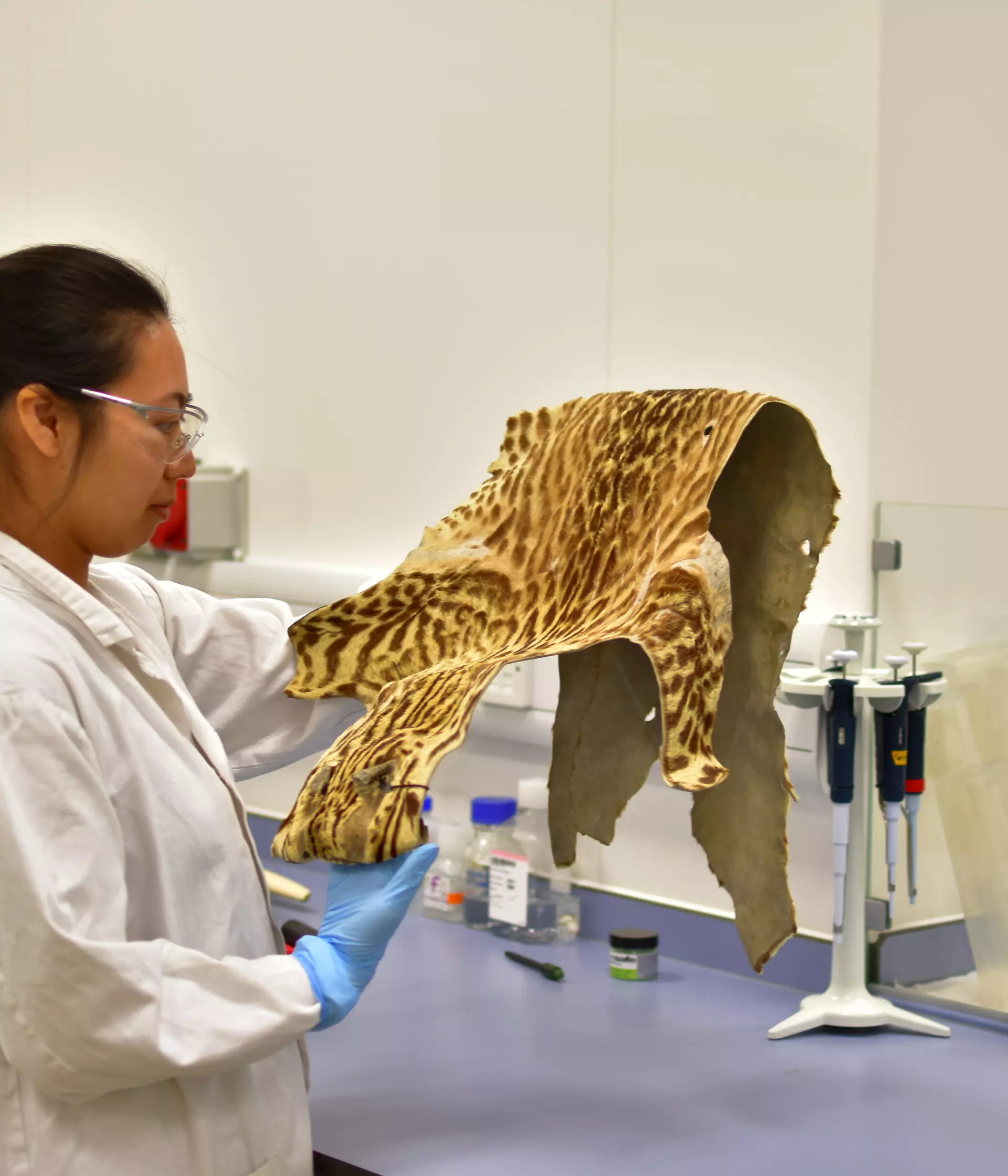
Today, we have new arrivals into our dry collections. A donor has generously contributed a fur coat and a small decorative box, potentially made of ivory. Alongside another volunteer, I help accession these items - formally adding them to the Biobank’s collection and database. In a clean room, wearing gloves and lab coats, we carefully measure each object, photograph it from multiple angles, assess its condition, and record any identifying features. Each item receives a unique accession number before being carefully bagged and stored.
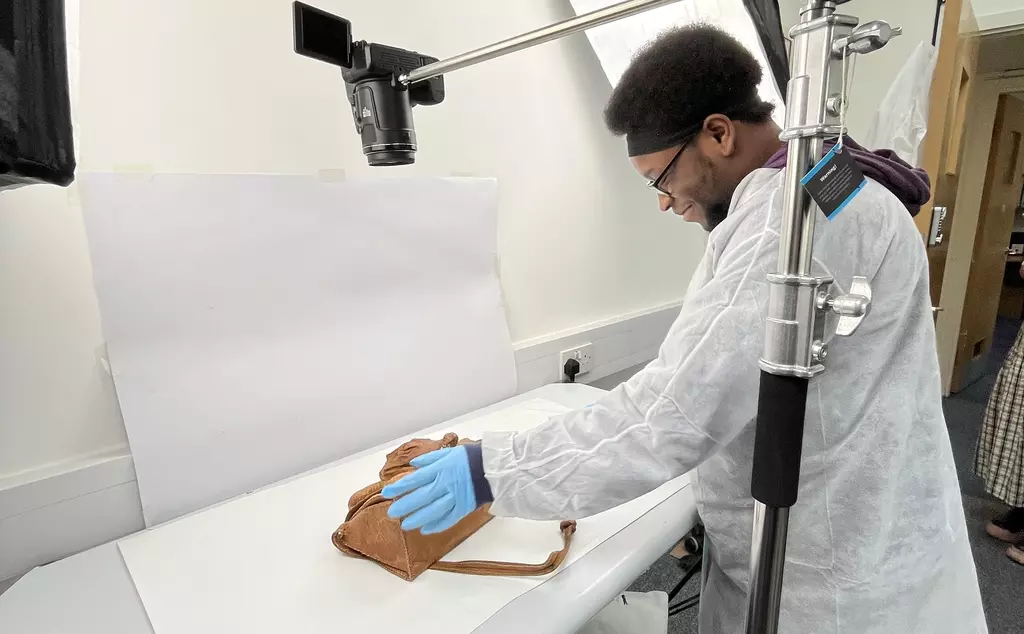
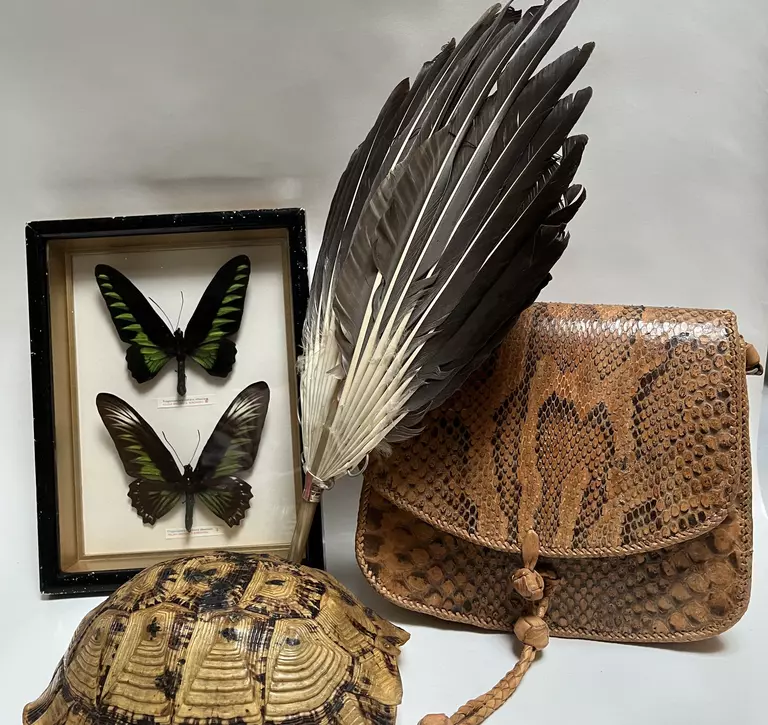
These details matter. Objects may need to be removed again in the future - for education, to be used by researchers, or for curatorial care and compliance - so accurate records of their location are essential. Room, rack, shelf, box: every step is logged. It’s meticulous work, but it’s also what turns an interesting collection into a resource that can support research into conservation issues like the illegal wildlife trade.
After lunch comes another weekly highlight: a walk through London Zoo. This week we visit the capybara, Gizmo and Kiwi, notable favourites for many zoo visitors! It’s our reminder that the ZSL Biobank isn’t separate from the living world it supports, but it’s part of the same ecosystem.
The afternoon is dedicated to sharpening our species identification skills. There are 26 living species of crocodilians - crocodiles, alligators, caimans, and gharials - and today two volunteers work through a taxonomic identification key to identify seven taxidermied crocodilian specimens in the Biobank. Some are particularly challenging: taxidermy can alter colour and proportions, obscuring key features. We record our conclusions, flag uncertainties for the team to revise, and plan to confirm our findings with one of ZSL’s herpetologists in the coming weeks.
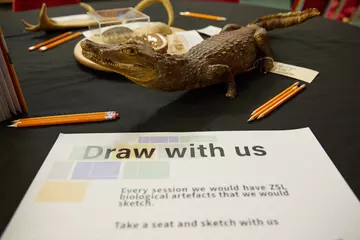
Each day at the ZSL Biobank is a balance between careful routine and constant discovery. Guest talks from researchers who have used ZSL Biobank samples, exciting collaborations with other natural history collections, and the occasional rediscovery of a long-lost specimen all punctuate the day.
Sometimes, you encounter an object so strange it immediately earns a place in your “top 25 strangest things I’ve ever seen”
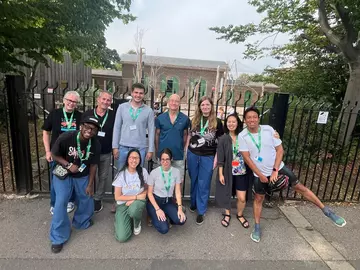
Running a biobank is no small feat, and teamwork is essential. Volunteers range from their 20s to their 50s and bring backgrounds in data science, IT, wildlife conservation, taxonomy, and more. We usually work in pairs or small groups, combining our different strengths, from data management and coding to photography, specimen handling and species identification. It’s a genuinely collaborative environment, with everyone contributing to the goal of creating an accessible archive of biological samples for benefit of the scientific community .
Overall, volunteering at the ZSL Biobank has been an extremely rewarding experience. It’s ideal for anyone curious about how biological samples - from zoo collections, public donations, or seizures linked to illegal wildlife trade - are stored, managed, and used for research and public engagement. You witness a biobank in the making. Behind the scenes, a dedicated team is working towards bringing almost 1 million samples into the digital era, ensuring they can be used to tackle some of the most pressing conservation challenges of our time. Being part of that process, even as a volunteer, is both humbling and very exciting.