






15 December 2025
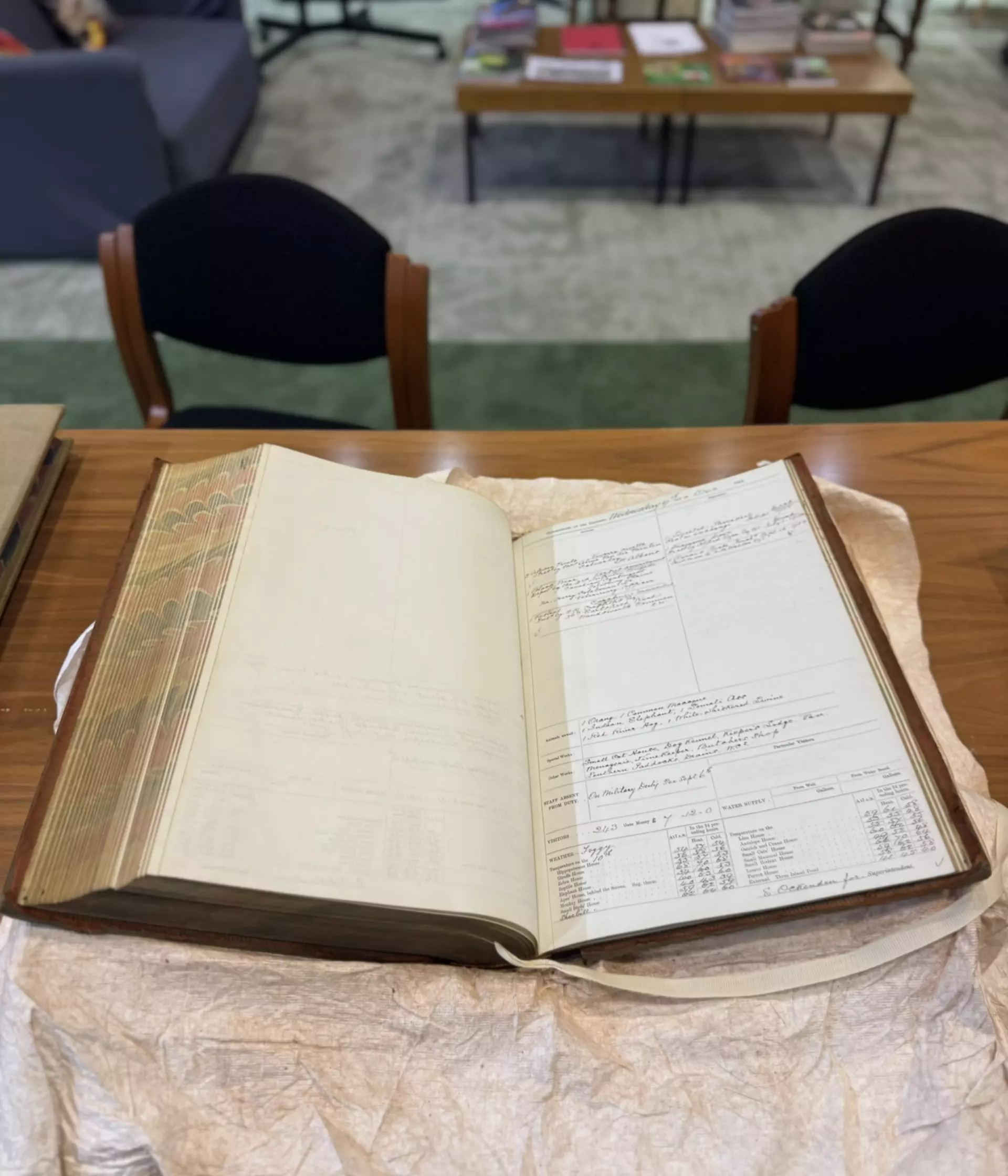
Every morning since 1828, someone at London Zoo has picked up a pen – or more recently, a phone – and recorded the day's events.
A flamingo relocated to the east enclosure. A zebra with a sore foot. Visitor numbers: 3,247. It's the sort of mundane housekeeping that happens in offices everywhere, except this particular diary has been running for almost two centuries, and occasionally, it contains a bear who changes literature forever.
How it started
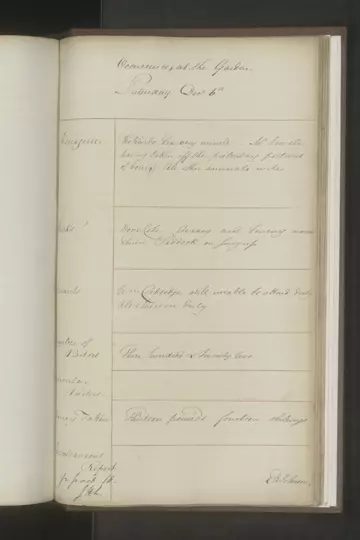
In 1828, the zoo's opening year, a Christmas Day entry written in the elaborate calligraphy that might grace a royal decree, contains the magnificently understated line: "fox much the same." For three weeks, a Coquimbo fox who'd been attacked by a honey badger on December 5th dominated the log with his ups and downs – rallying one day, declining the next.
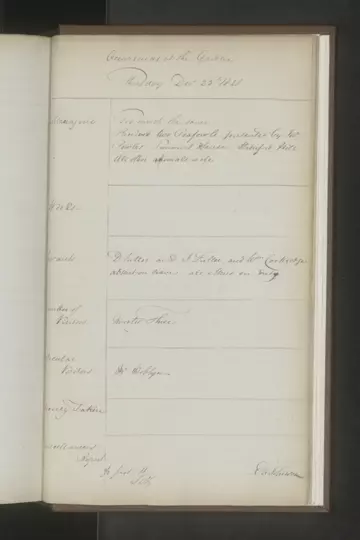
But on Christmas Day, amid what one imagines were mince pies in the staff room and families opening presents across London, someone sat down and recorded the day with the same fastidious care as any other: the fox was stable; Mr Powles had presented two peafowls (a festive gift if ever there was one); a flamingo was poorly, and 93 people had braved the cold to visit.
Under "Particular Visitors," no mention of Father Christmas – just Mr Bobbyn, whoever he was, deemed noteworthy enough to record for posterity.
Winnie and wartime
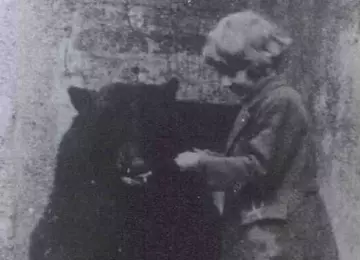
In 1914, a handwritten pen-and-ink entry notes the arrival of a black bear cub from Canada. The keeper couldn't have known that this bear, Winnie, would soon capture the heart of a little boy named Christopher Robin Milne and his father, A.A. Milne, inspiring one of the most beloved characters in children's literature. She's just another line in the log, wedged between a poorly orangutan and a note about the foggy weather.
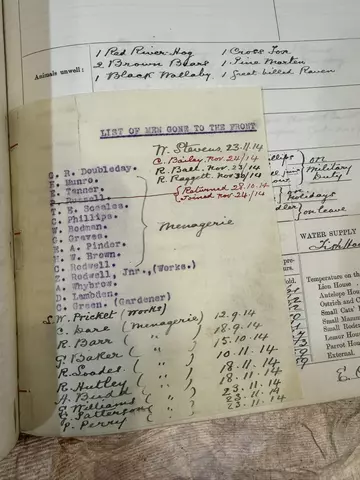
That same year, someone carefully pasted in a separate sheet – a long, solemn list of "men gone to the front." The daily rhythm of the zoo suddenly interrupted by war, yet still, the log continues.
David Attenborough
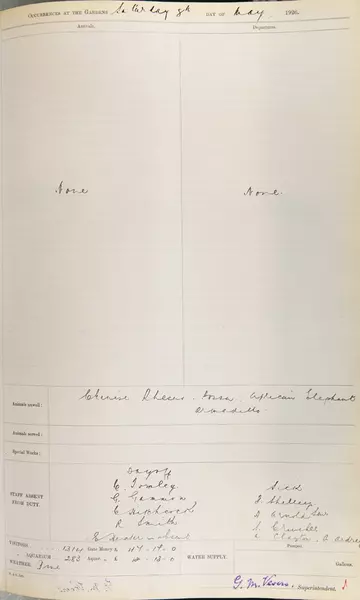
On May 8th, 1926, somewhere in London, a child was born who would become the world's most famous naturalist. At the zoo that day, Superintendent G.M. Vevers recorded the weather as fine, noted that an African elephant and an armadillo were unwell, and tallied the gate receipts: £47, 17 shillings from 1,314 visitors. Four staff were off sick, five more on leave. No arrivals, no departures.
David Attenborough entered the world, and the zoo – entirely unaware it was documenting a rather significant birthday – simply carried on.
Blitz and big moments
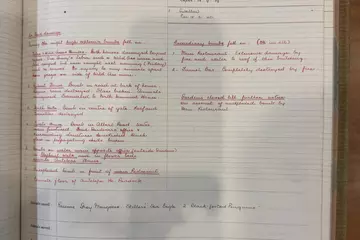
By 1940, entries appear with red ink additions: bomb locations. Even as the world fractures, someone dutifully records that the penguins are well, though several windows need replacing.
The format has evolved – from leather-bound ledgers to typed memos to emails and now WhatsApp messages that ping through twice daily – but the ritual endures.
On November 27th this year, the morning message arrives on someone's phone wedged between a friend's meme and a family group chat: 206 pre-booked visitors and eight schools; Fred is on site for first aid; no public penguin feed today; Christmas activities on the lawn with cheeky elves.
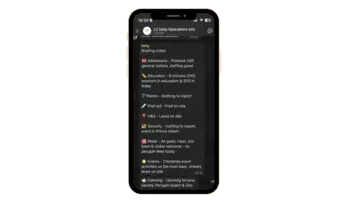
There's something wonderfully surreal about it: while the rest of humanity rushes through their morning commute or scrolls through their phones, someone at ZSL is noting that the pygmy hippo sneezed repeatedly or that a keeper is on annual leave.
On December 31st, 1999, as the world held its breath for the millennium, as champagne was iced and fireworks prepared, the keeper opened the log and wrote: "Nothing to report."
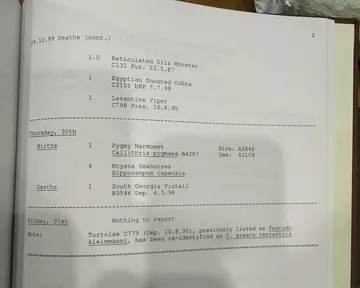
It's perhaps the most perfectly ZSL moment in the entire archive. The turn of the century, and all is well. The animals are fed. The gates are closed. See you tomorrow.
For 200 years, through wars, pandemics, royal visits, and quiet Tuesdays alike, the log has been kept. A small act of consistency in an inconsistent world. Proof that someone, somewhere, is paying attention to the flamingos.
ZSL's 200th Anniversary
Discover more about our incredible 200 year history and how you can get involved with our 2026 celebrations by heading to our 200th anniversary hub