






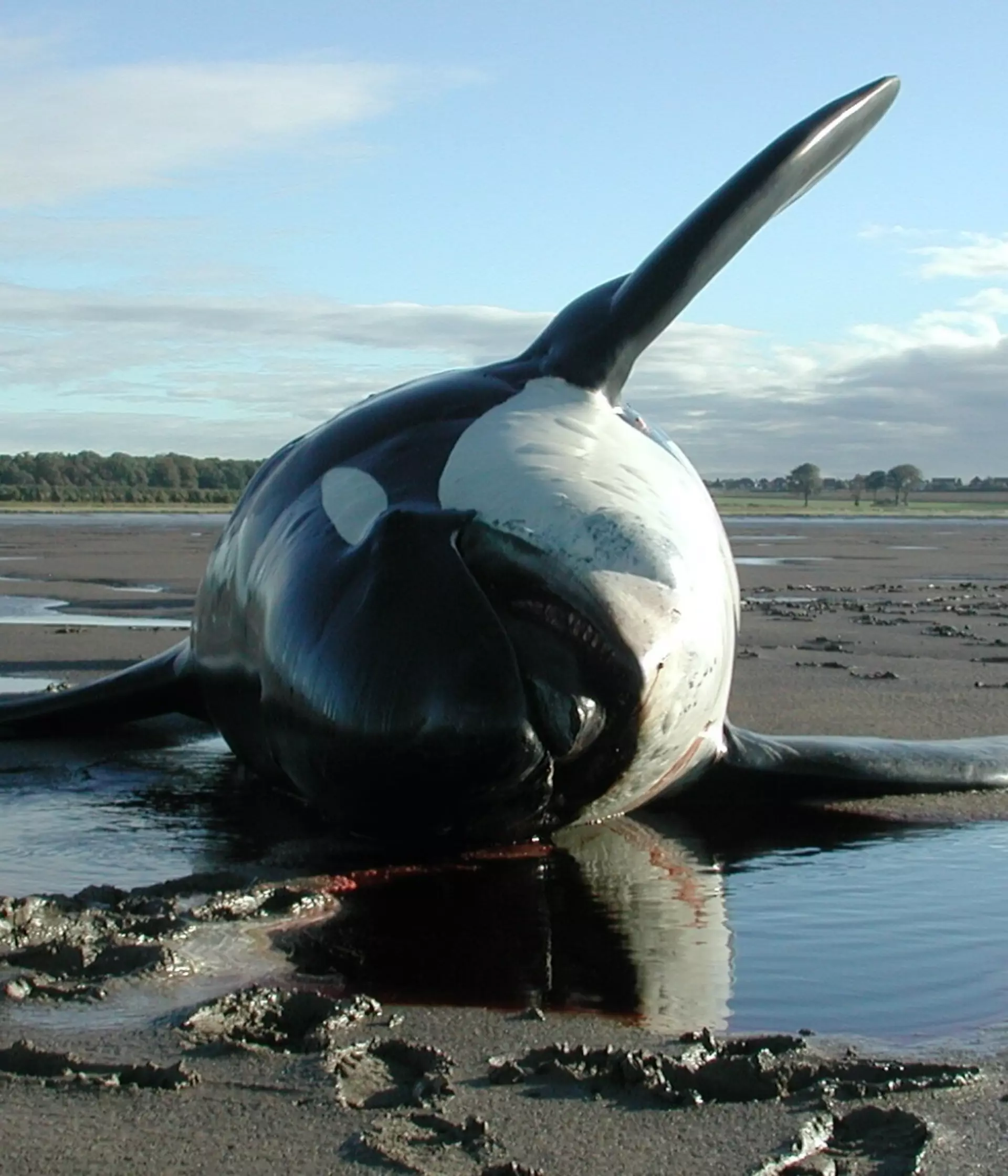
What can strandings of dolphins, whales and porpoises tell us about the impact of marine pollution?
Pollution is a major driver of environmental harm, affecting ecosystems in ways that are often invisible, complex, and cumulative. In the marine environment, threats range from toxic chemicals and underwater noise to physical impacts from plastic debris, all of which have the potential to disrupt biological systems, impair reproduction, and compromise immune functions in species like cetaceans (whales, dolphins and porpoises). Gaining a deeper understanding of how these pressures affect cetaceans in the long term is vital for effective conservation.
This event, hosted in collaboration with the Cetacean Strandings Investigation Programme (CSIP), brought together experts to explore three major forms of marine pollution in our waters: chemical, acoustic, and physical.
Drawing on decades of real-world strandings data and cutting-edge research, speakers examined how pollutants impact the health, behaviour, and survival of cetaceans. Talks covered topics ranging from the impacts of chemical contaminants on health, to characterising the threat from underwater noise, and reviewing the impacts of marine plastic debris through entanglement or ingestion.
The event concluded with a closing talk that weaved together these themes, offering a broader reflection on these threats and how cross-disciplinary science can inform effective action to protect marine life. Through case studies and interactive discussion, speakers examined what the future could hold for marine biodiversity in our seas.
Cetacean Strandings Investigation Programme
The ZSL-led Cetacean Strandings Investigation Programme (CSIP) coordinates the investigation of all cetaceans, seals, marine turtles and some shark species that strand around the English and Welsh coastline. It is co-funded by Defra and the Welsh Government. Since the inception of the CSIP in 1990, it has recorded data on nearly 15,500 stranded cetaceans and conducted over 3,200 cetacean necropsies, producing one of the world’s largest research datasets on strandings and causes of mortality.
CSIP partner organisations are Institute of Zoology, Zoological Society of London (ZSL), the Natural History Museum (NHM), Marine Environmental Monitoring (MEM), Cornwall Wildlife Trust Marine Strandings Network (CWTMSN) and Cornwall Marine Pathology Team (CMPT).
Speakers
- Dr Rosie Williams, Postdoctoral Research Assistant, Institute of Zoology, ZSL
- Dr Sarah Nelms, Senior Lecturer, University of Exeter
- Nikki Taylor, Marine Species Advisor, Joint Nature Conservation Committee
- Dr Frances Gulland, Chair, US Marine Mammal Commission
This event was chaired by Rob Deaville, CSIP Project Manager, ZSL.
Browse relevant strandings cases, publications, reports and videos
The ZSL Library will be open later on the day of this event, until 5:45pm, to allow attendees to visit before this event starts. Find out more information on the ZSL Library, one of the world's major zoological libraries.
- Dr Rosie Williams, Postdoctoral Research Assistant, Institute of Zoology, ZSL
Dr Rosie Williams has been with ZSL since 2012, when she undertook her PhD with the Institute of Zoology and Brunel University. As a Postdoctoral Researcher, Rosie now works in collaboration with CSIP and the Ocean Predator Lab at the Institute of Zoology, to assess the health of marine predators in relation to anthropogenic stressors such as noise and chemical pollution. Rosie's current interests lie in developing new methods to understand the impacts of chemical pollution on wildlife health and exploring ways to better characterize and understand the cumulative impacts of anthropogenic stressors.
- Dr Sarah Nelms, Senior Lecturer, University of Exeter
Dr Sarah Nelms is a Senior Lecturer in Marine Vertebrate Ecology and Conservation at the University of Exeter’s Centre for Ecology and Conservation, based at the Penryn Campus in Cornwall. She completed an MSc in Conservation & Biodiversity at Exeter before going on to do her PhD at Plymouth Marine Laboratory. Sarah takes a multidisciplinary approach to understanding the issue of plastic pollution, for example by using citizen science data to map the abundance and distribution of litter in marine environments and sifting through marine mammal guts to look for microplastics. She is lead supervisor to two PhD students whose projects are possible due to collaboration with CSIP, with Rob Deaville being a co-supervisor to both. The projects use strandings data and samples to understand marine mammal bycatch in Southwest England and plastic ingestion by marine megafauna.
- Nikki Taylor, Marine Species Advisor, Joint Nature Conservation Committee
Nikki Taylor is a marine conservation specialist focused on protecting vulnerable marine species through science-driven policy and strategic collaboration. With over a decade of experience, she’s led national and international assessments on marine mammal population status; represents JNCC and the UK at international forums; and advised on the implementation of Marine Protected Areas. She works in collaboration with cross-sector partners to develop mitigation strategies for impacts such as bycatch and climate change. Nikki is committed to bridging science and policy to ensure resilient marine ecosystems and lasting conservation impact.
- Dr Frances Gulland, Chair, US Marine Mammal Commission
Dr Frances Gulland is a veterinarian specializing in marine mammal medicine. She Chairs the U.S. Marine Mammal Commission, is a Research Associate at the University of California, Davis, and worked for 25 years at The Marine Mammal Center in Sausalito, California, where her focus was on treatment of stranded marine mammals and research into the causes of disease in these animals. She started her work as a wildlife veterinarian at the Zoological Society of London in 1985.
- Rob Deaville, Project Manager, Cetacean Strandings Investigation Programme, ZSL
Rob has been Project Manager of the CSIP since 2006. His responsibilities include overall management of the programme, liaison with funders, with/between partner organisations, other stakeholders and the UK public. Rob manages the production of national summary reports for the government and he coordinates the national web-accessed database and national marine mammal tissue archive. He helps to conduct necropsies on UK stranded cetaceans, marine turtles, seals and sharks and he also helps facilitate the production of research generated through collaborations arising from the project.
- This Science and Conservation Event is free to attend but registration is required so we can monitor event numbers and ensure online attendees receive the Zoom joining details.
- The event will feature talks from the speakers, followed by a Q&A discussion panel. It will run from 6:00pm - 7:30pm, and doors will open at 5:30pm.
- In-person seats are allocated on a first-come, first-served basis.
- Venue: Huxley Lecture Theatre at the Meeting Rooms of the Zoological Society of London, Regents Park, NW1 4RY.
- Online meeting: This event will additionally be held over Zoom. Details will be sent to all guests who register to attend online ahead of time.
- Travel: Nearest underground: Camden Town Station; Nearest bus: no. 274.
- Recording disclaimer: The presentations and Q&A session will be filmed during this event, and the recording published on our Science and Conservation YouTube channel afterwards. Please be aware that by attending this event you consent to be filmed or your voice to be recorded during the Q&A session, which will be included in the published video.
- ZSL Science and Conservation Events sustainability guidance can be found here.
- For enquiries about this event, please email scientific.events@zsl.org.
- For press enquiries, please contact the ZSL Press Office: press.office@zsl.org.
- Listen to our ZSL Wild Science podcast here or subscribe on your favourite podcast app.
- Follow us on Twitter @ZSLScience to hear about new publications from our researchers, upcoming events and podcast episode releases.
- Follow us on Facebook @ZSLScienceAndConservation to receive notifications about new events.
- To catch up on all our recorded previous events, you can subscribe to our YouTube channel.
- For more information about how to join the ZSL Fellowship programme and engage with a network of thousands who are shaping the future of conservation, please click here.