






As part of our birthday exhibitions at London and Whipsnade Zoos, our audio bench gives visitors an opportunity to sit and listen to four of our stories looking towards the future.
We’ve also hosted these sound clips here for those who want to listen to them later – or at a more peaceful moment.
Each 90 second clip responds to our four impact areas that guide our work to restore nature: creating change, training conservationists, restoring habitats and protecting species.
These speedy stories, as told by our teams (and honorary ZooTown consultants), offer bitesize snapshots into the vast work we’re carrying out today to safeguard the future of our natural world for years to come.
Discover our amazing new EDGE conservationists, restoration in the Thames Estuary, cheetah reintroduction work, and the role of Zootown in inspiring some of our youngest visitors!
Listen to four stories, from each of our impact areas, exploring our work to safeguard the future of wildlife:
Creating change with ZooTown
ZooTown co-creators, Bea and Milo, discuss their influences on London Zoo’s new roleplay centre, and plans to protect the natural world.
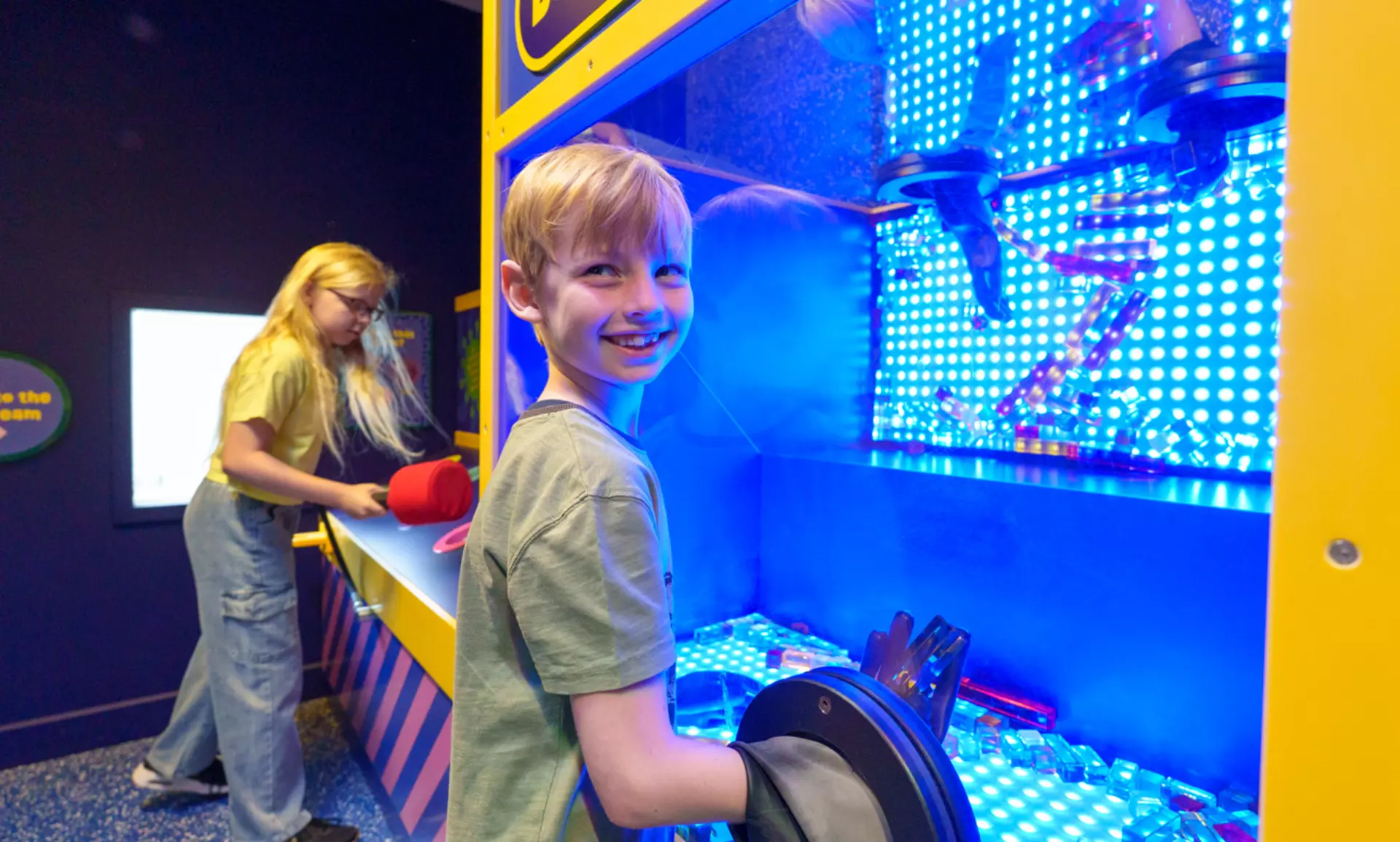
Bea: My name’s Bea
Milo: And my name’s Milo
Both: And we’ve been to ZooTown
Milo: ZooTown is a really fun and exciting place in London Zoo for kids. What I like about ZooTown is that you can scan a wild dog’s heart and chest to see the heartbeat.
Bea: One of the interactive games is collecting the zebra’s dung when it comes out of its bottom.
I was the inspiration for the scientist on the spinning wheel that you can spin to find out what your future job is.
Milo: I came up with the idea to make the zebra crossing in there be a zebra pattern.
Bea: That’s a really good ide
Milo: Thank you
I feel hopeful because as long as we have wildlife we can throve properly. Everyone can help no matter how tall or small you are.
When I grow up I would like to become a conservationist to help the mountain chicken frogs live.
Bea: I’m quite in the middle of whether wildlife will exist in millions of years because people don’t throw their rubbish away properly, people don’t recycle, animals are starting to go extinct.
I would say that most of my friends do care about wildlife, especially me and my best friend who are in a council trying to improve the situation that the environment is in.
In the summer I go litter picking with my neighbour and then we collect – we take out – two bin bags and collect rubbish and then we leave it for the binmen to come and collect.
Training conservationists with EDGE
Conservationist Trisha Gupta, celebrates the impact of a £4m pledge to train 70 conservationists over the next 5 years with ZSL’s EDGE of Existence Programme.
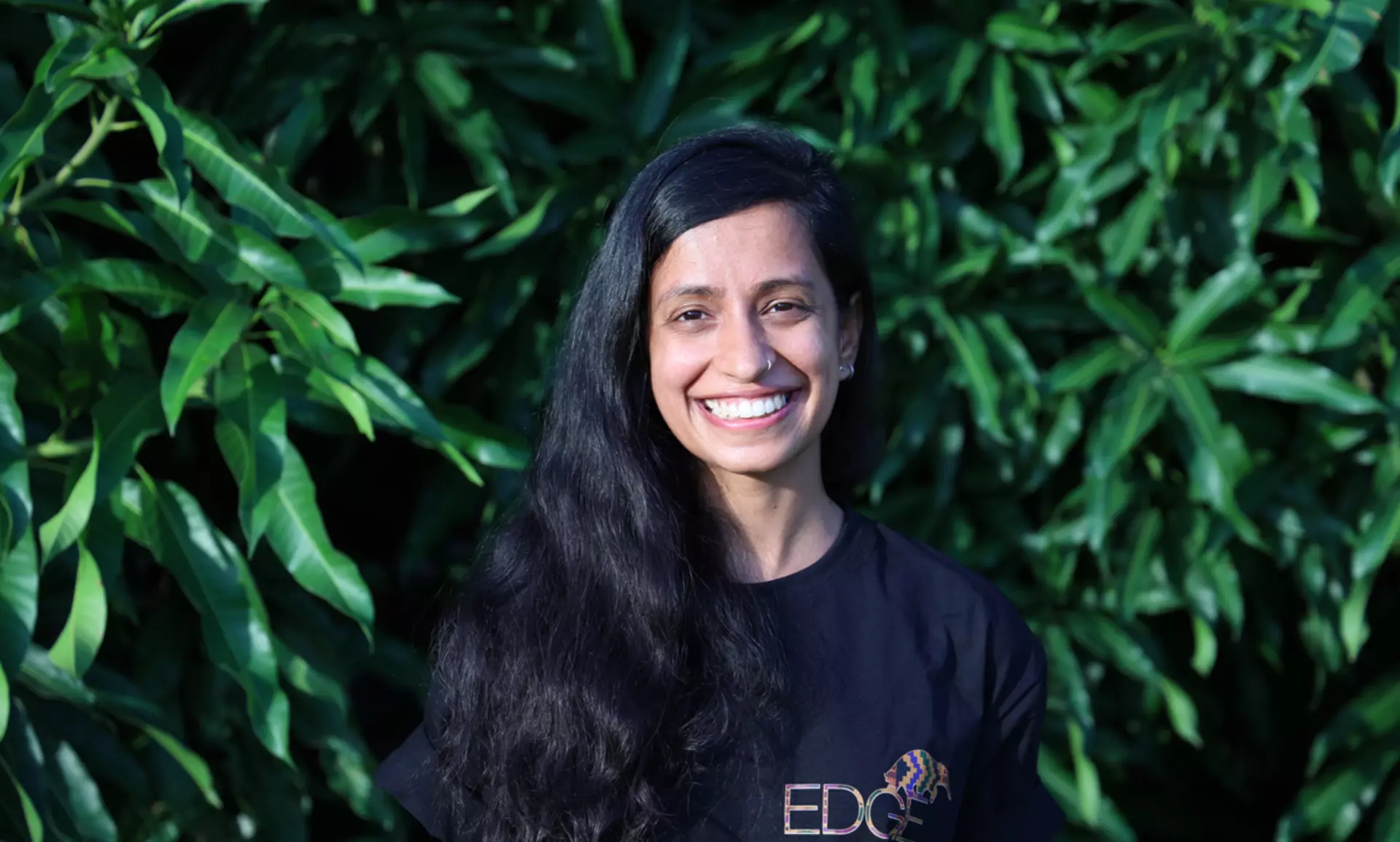
Trisha: The EDGE of Existence Programme at ZSL equips passionate, local conservationists from underrepresented regions of the world with the skills, network and support they need to protect the world’s most unique and threatened species.
EDGE Fellows become lifelong champions for biodiversity, leading conservation projects and inspiring change in their countries and beyond. So far, EDGE Fellows around the world have spearheaded projects for over 200 species.
Excitingly, we have just received a pledge of £4m to support 14 new EDGE fellowships every year for the next five years.
I’m very thrilled about what this means. Because at its heart, this is about opportunity – opportunity for emerging conservation leaders and for the Earth’s most extraordinary species.
This pledge is an opportunity for both to thrive, and it will change the lives of people and nature for years to come.
And so I’d like to introduce you to some of this year’s EDGE Fellows…
Mónica: My name is Mónica Franco, I am from Colombia. I am an EDGE Fellow protecting the great green macaws in the Chocó region of Colombia.
Ilse: I am Ilse Martínez, I am an EDGE Fellow from Mexico and I am working in the conservation of lemon sharks in the Yucatán Peninsula.
Gabriel: My name is Gabriel, I am EDGE Fellow from Brazil and I work to protect the red-billed curassow in the Atlantic rainforest in my country.
Mariam: My name is Mariam Curbelo Cruz, I am an EDGE Fellow, I live in Cuba and I study a frog called Eleutherodactylus bartonsmithi, the Yumurí frog - la ranita Yumurí.
Restoring habitats, Transforming the Thames
This year, our restoration work on the Greater Thames Estuary begins! Project Officer Olwen Belgrove, walks us through a bold recovery plan for these precious wetlands.
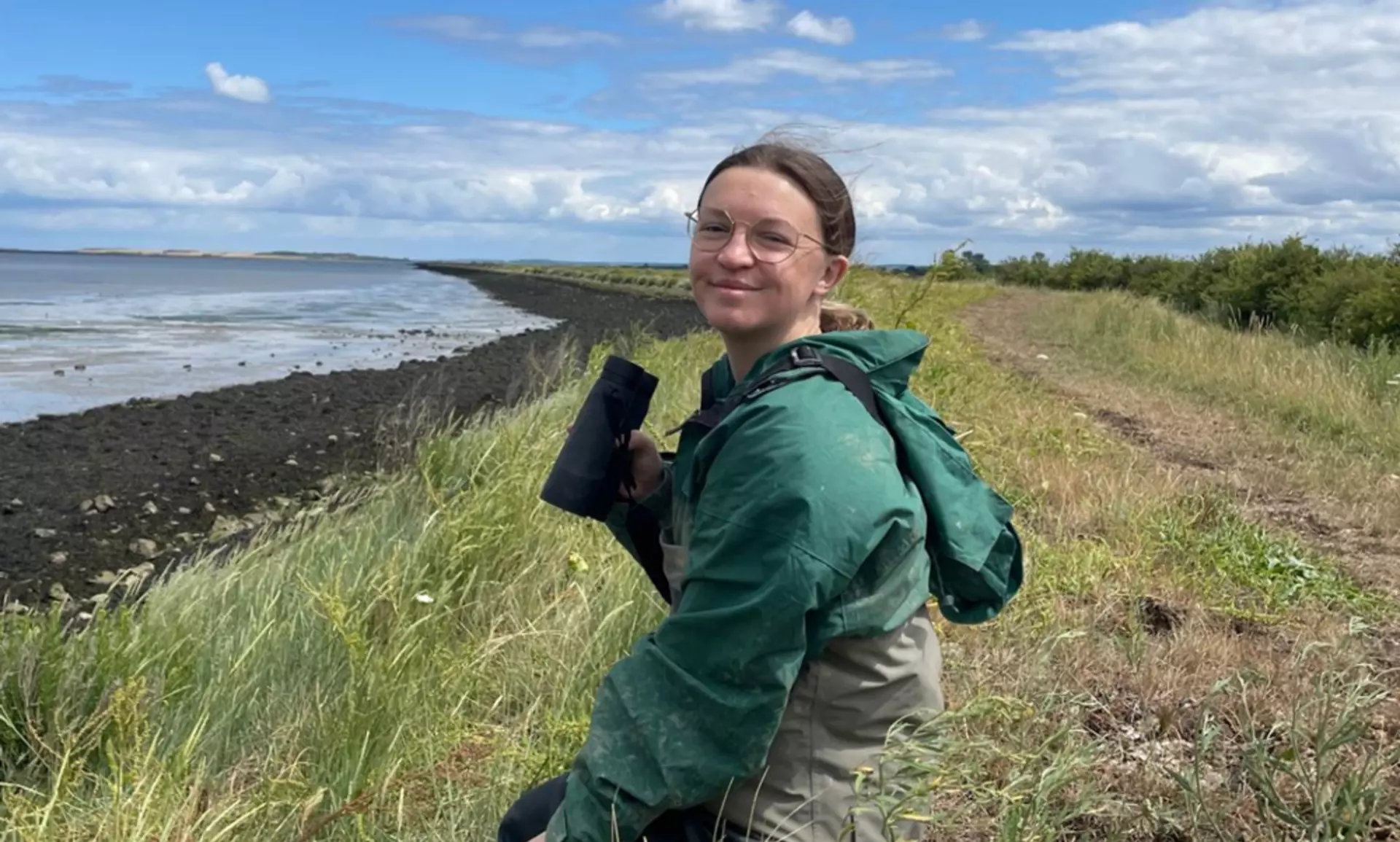
Olwen: The Thames is so much more than the river you see flowing past Big Ben or the London Eye.
Stretching out for miles and opening up into a complex estuary covering 250,000 hectares, it’s home to hundreds of thousands of animals, essential for migrating and breeding wildlife - and it supports millions of people.
But over time, the habitats of the Greater Thames Estuary have become fragmented and degraded – affecting people and wildlife alike.
That’s why we’ve come together with a host of partners to create a long-term vision and plan to Transform the Thames.
This large scale recovery plan is going to restore 320 hectares of coastal habitat over the next five years across Kent and Essex.
That includes sand and shingle, saltmarshes, seagrass meadows, oyster reefs, saline lagoons, coastal grazing marsh and more.
This is a precious and rare combination of wetlands that create nursery grounds for fish and sharks, a globally important lifeline for migrating and nesting birds - and even a safe haven for seals, dolphins and eels.
As well as delivering restoration, we’re going to be taking action to reduce and remove threats across the seascape, including tackling water pollution.
And our work will benefit communities as we play our part in the fight against climate change, supporting carbon-crunching, superhero saltmarshes – which store 40 times more carbon than tropical forests.
We believe nature can recover.
And this is just the start.
Protecting species with cheetah reintroductions
Professor Sarah Durant, explains how our work introducing cheetahs to Zambia’s Luangwa Valley can create a stronghold to protect the species from extinction.
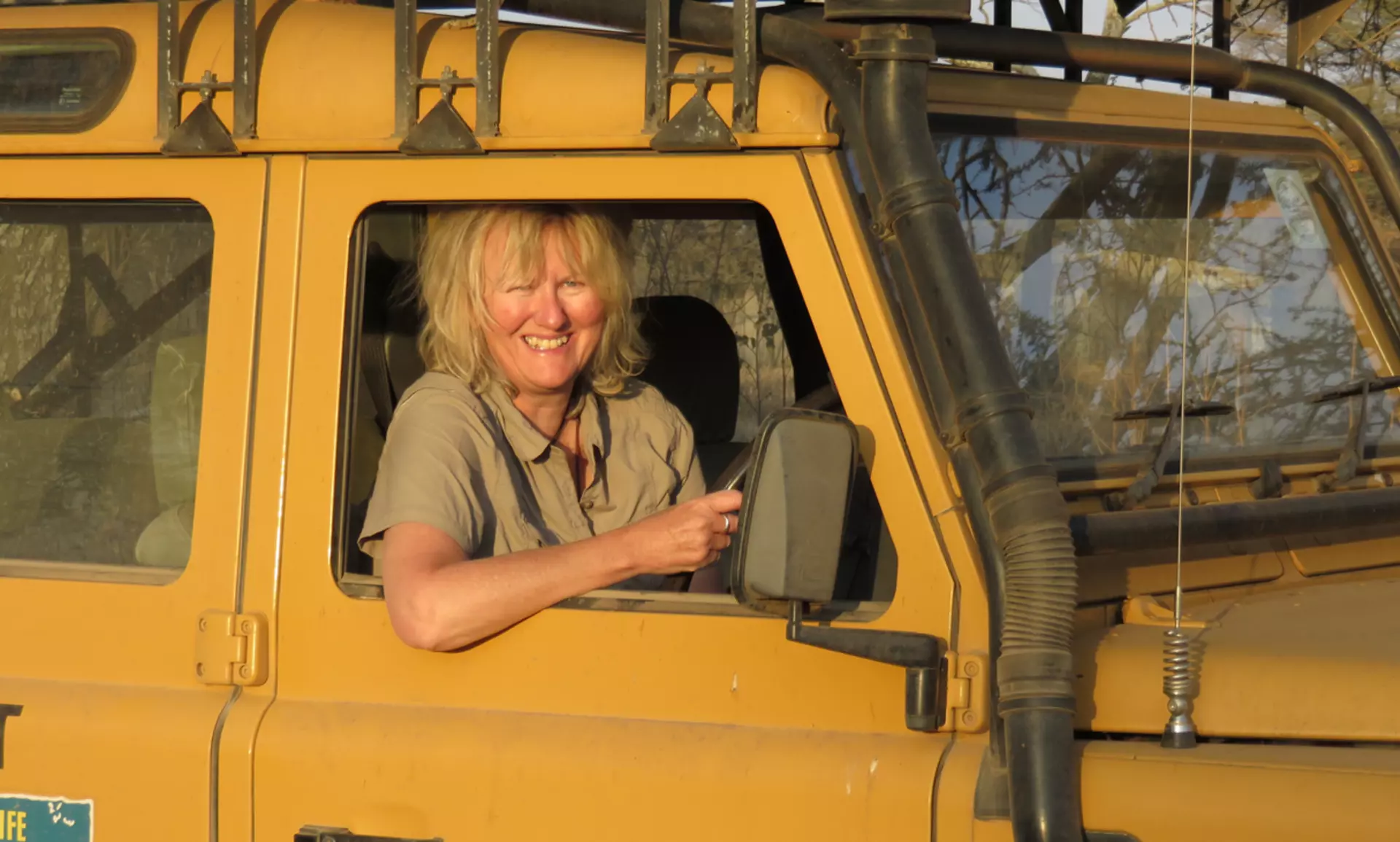
Sarah: This year we are working alongside the Zambian Government to reintroduce cheetahs into the Luangwa Valley in Zambia.
We estimate that this vast valley ecosystem, which encompasses 70,000km2 of wilderness, could support more than 200 cheetahs.
To give context, there are only about 6500 cheetah left in the wild at present. So this relatively undisturbed landscape could one day home a significant and thriving population.
Cheetahs can roam across hundreds of miles; they need safe space – and they need a lot of it. This means that they roam in and out of protected areas and depend on coexistence with local communities for their long-term survival.
This is why we are working with the local community of the Nabwalya Chiefdom to provide cheetah-linked livelihood opportunities and to support their custodianship and plans for the land.
This will help them maintain connectivity across the Luangwa valley, and allow cheetahs to move freely in and out of protected areas.
This restoration project is funded by the Howard G Buffett Foundation. As well as the Zambian Wildlife Authorities, our strong partnerships with Frankfurt Zoological Society, Zambia Carnivore Project, and Conservation South Luangwa, who have worked in the area for decades, have been essential.
A project of this scale provides a rare opportunity to reverse the global decline in cheetah in the face of the many threats against them, and to provide hope for the future of this species.