






Just some of the women who have shaped ZSL
All around the globe women have been making astounding contributions throughout history, often not getting the recognition they deserve.
To celebrate some of our own unsung heroes, we’ve put together a list of just some of the amazing women who have contributed to zoology through the history of ZSL. And there are so many more.
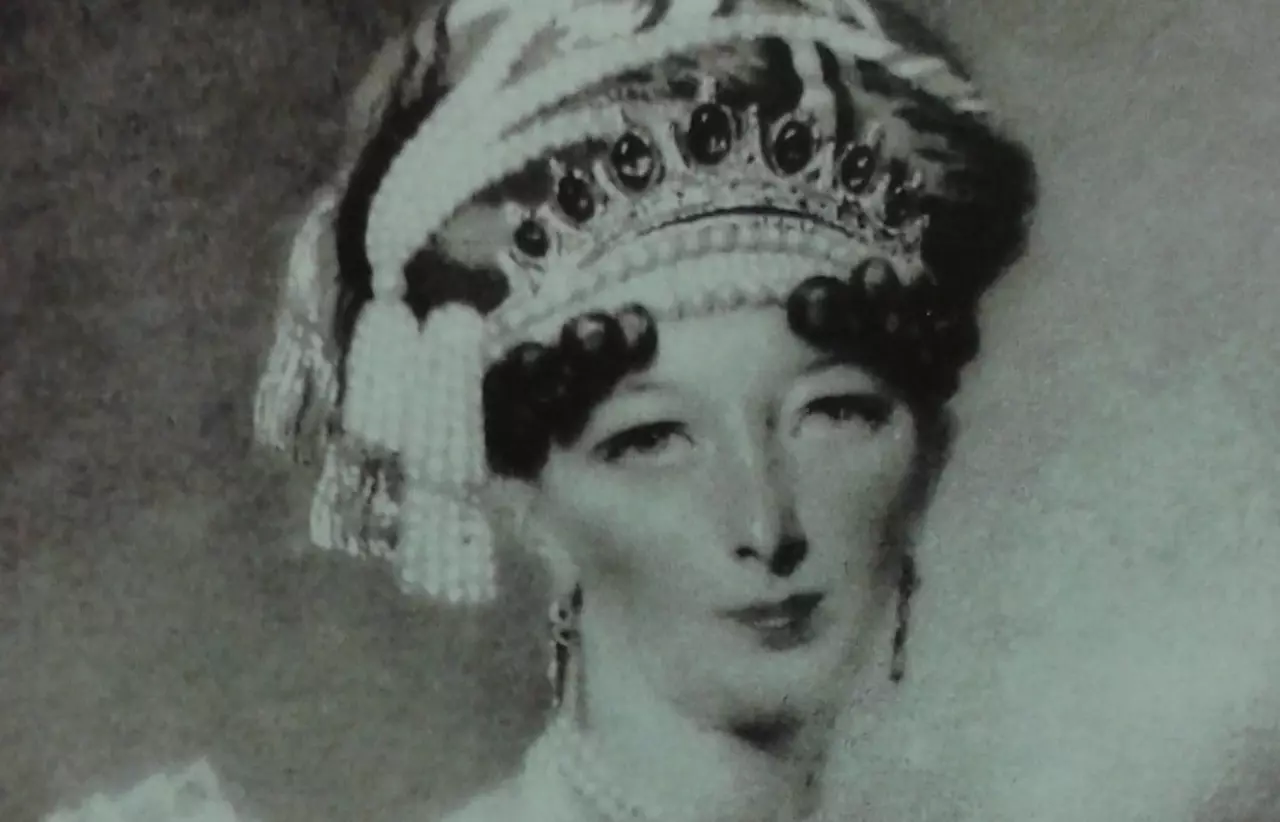
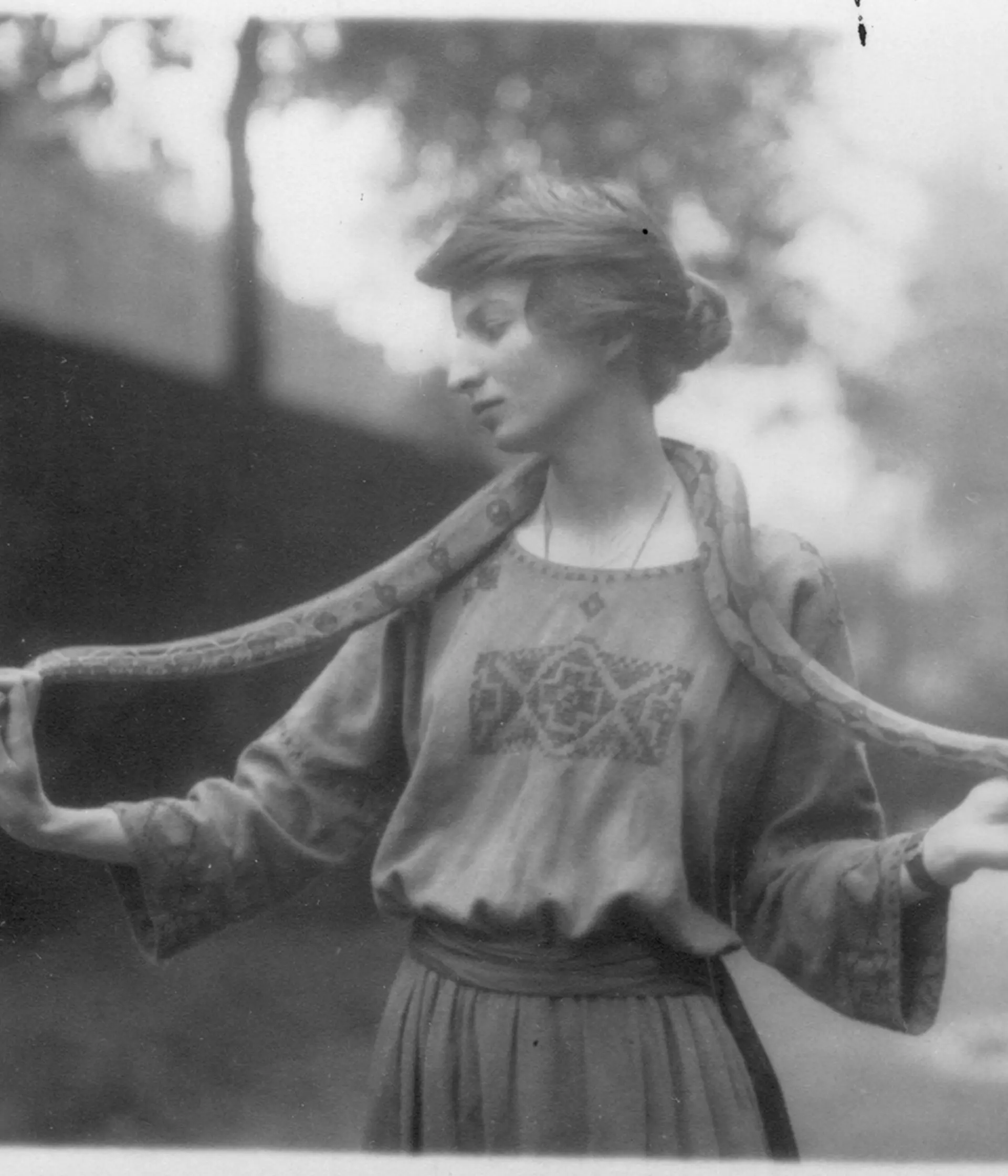
Lady Sophia Raffles - The first woman to become a Fellow of a learned society
If the name Raffles sounds familiar that’s because it’s the surname of ZSL’s founder Sir Stamford Raffles. However, behind this very famous man is a not so famous woman – his wife, Sophia.
Sophia Raffles was the first woman to become a Fellow of a learned society. In fact, she joined ZSL in 1826, making us the first society to admit women.
While her husband is famous for his exotic travels, Sophia was also braving these alongside him at a time when most women would choose to spend their time safe in the British countryside. Sophia accompanied Raffles on his voyage to Bencoolen (today's Bengkulu) in Sumatra. Her first child was actually born on board the ship during the journey.
After her husband’s death, Sophia wrote about their time together and created her husband’s biography of all of his achievements, and had it printed at her own expense. She also paid a substantial amount of money for the life-sized statue of Raffles in Westminster Abbey.
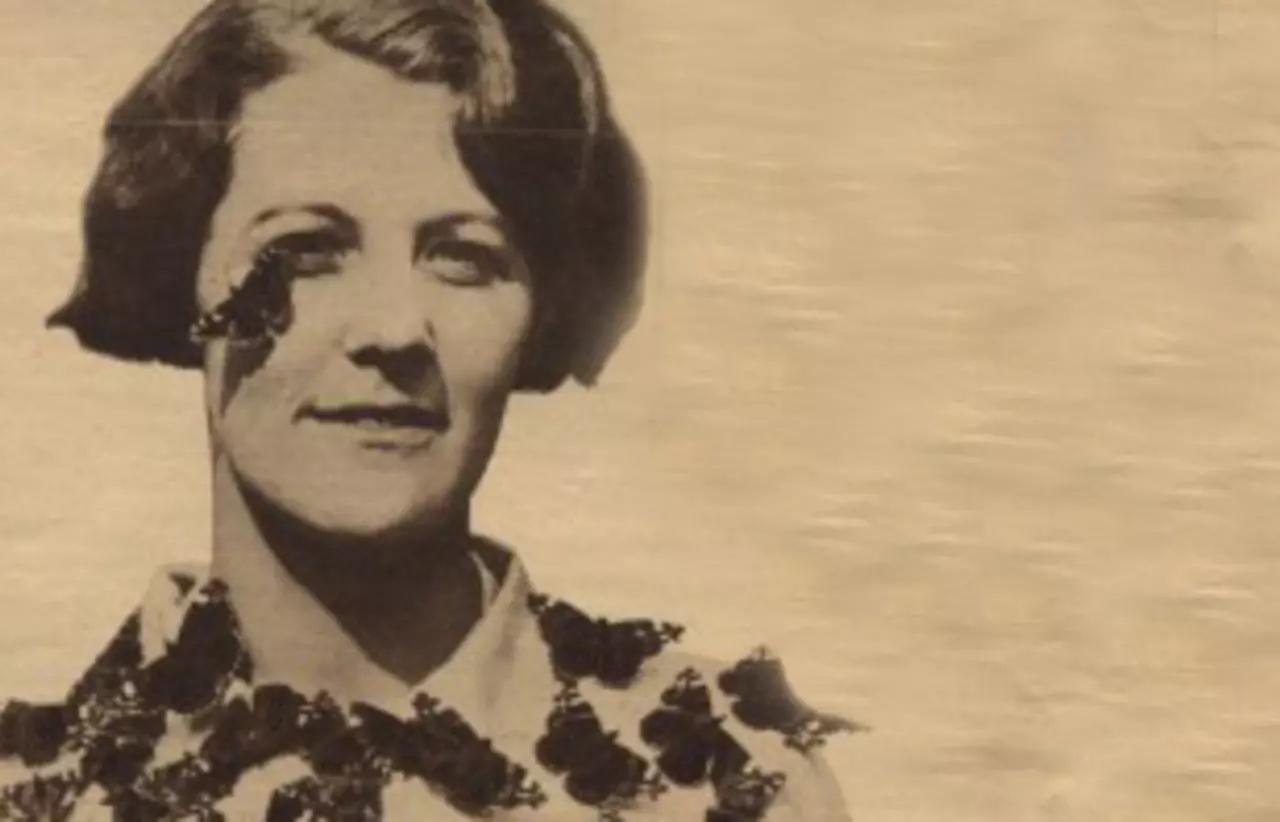
Evelyn Cheesman - The first woman in a curatorial post at ZSL
Evelyn Cheesman was a woman that let no patriarchal boundaries stand in her way. In 1906, she applied to become a veterinary surgeon yet was refused entry as the Royal Veterinary Society didn’t admit women. Undeterred, Evelyn set out to find other ways to pursue her passion for wildlife.
When the First World War broke out, many new positions opened up to women. In May 1917, Evelyn took up the position of Assistant Curator of Insects at London Zoo. (This was after she also aided the British allies by using her fluency in German to help unmask British companies friendly to the Germans.)
Evelyn found the Insect House to be sorely lacking, so she collected new stocks – she even got local children to help. Impressing her superiors, she became the first female Insect House Curator in 1920. This new position allowed her to pursue her passion for bugs further and she soon became renowned for the lengths she would go to collect exotic species.
Evelyn was also the first woman to undergo a solo trip around the South Pacific – a journey even men refused to undertake on their own! In her lifetime she led eight expeditions to the south pacific, her last at the age of 73. During her travels she accomplished amazing feats such as befriending a tribe of cannibals and getting stuck in a giant spider’s web!
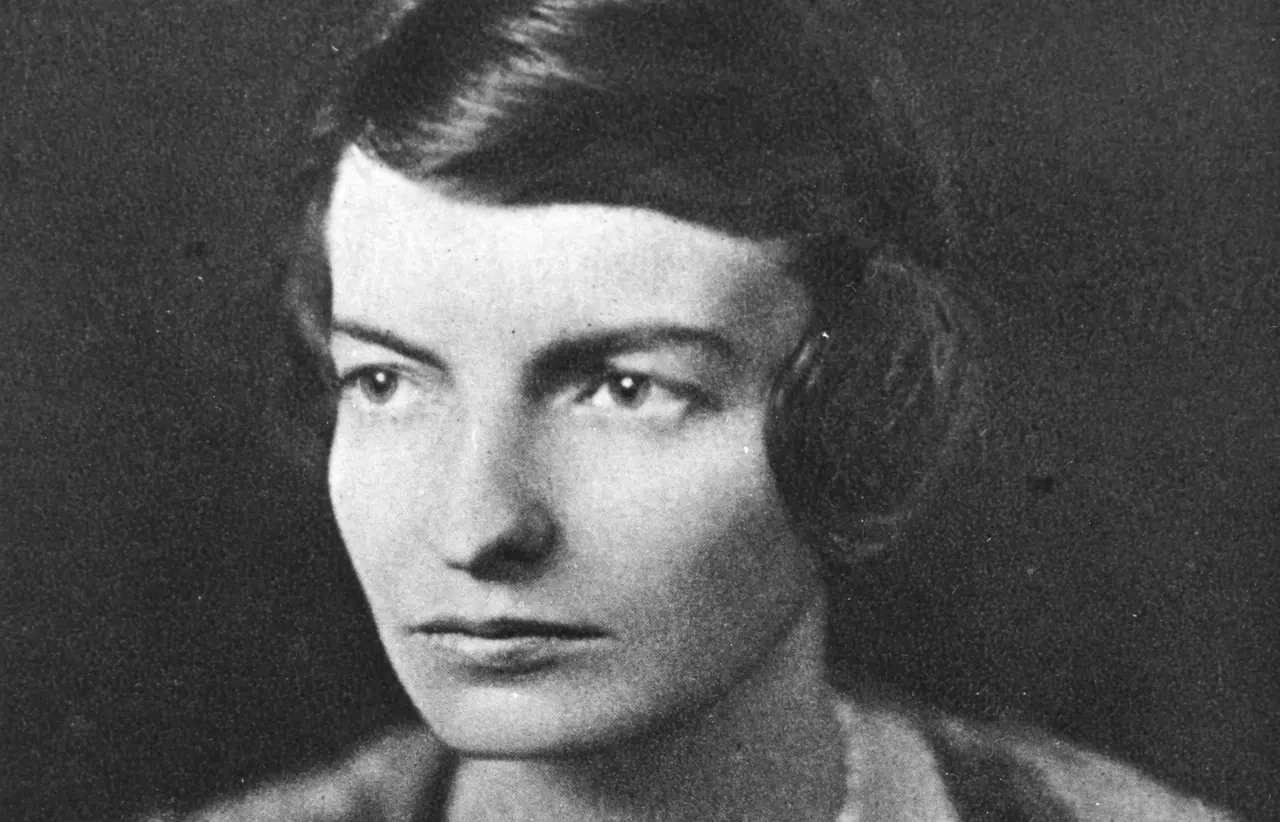
Joan Procter - The first female Curator of Reptiles at London Zoo
Joan Procter was something of celebrity in her time. Like Cheesman, she was appointed as Curator at London Zoo, looking after the reptile section. Her achievements in this field were ground-breaking.
Some of Procter’s most notable works were in London Zoo's Reptile House, a structure that she aided in the design of and was the first purpose-built building of its kind in the world.
Scientifically, Joan presented her first zoological paper to ZSL at the age of 19 and continued to be well regarded in herpetology throughout her lifetime.
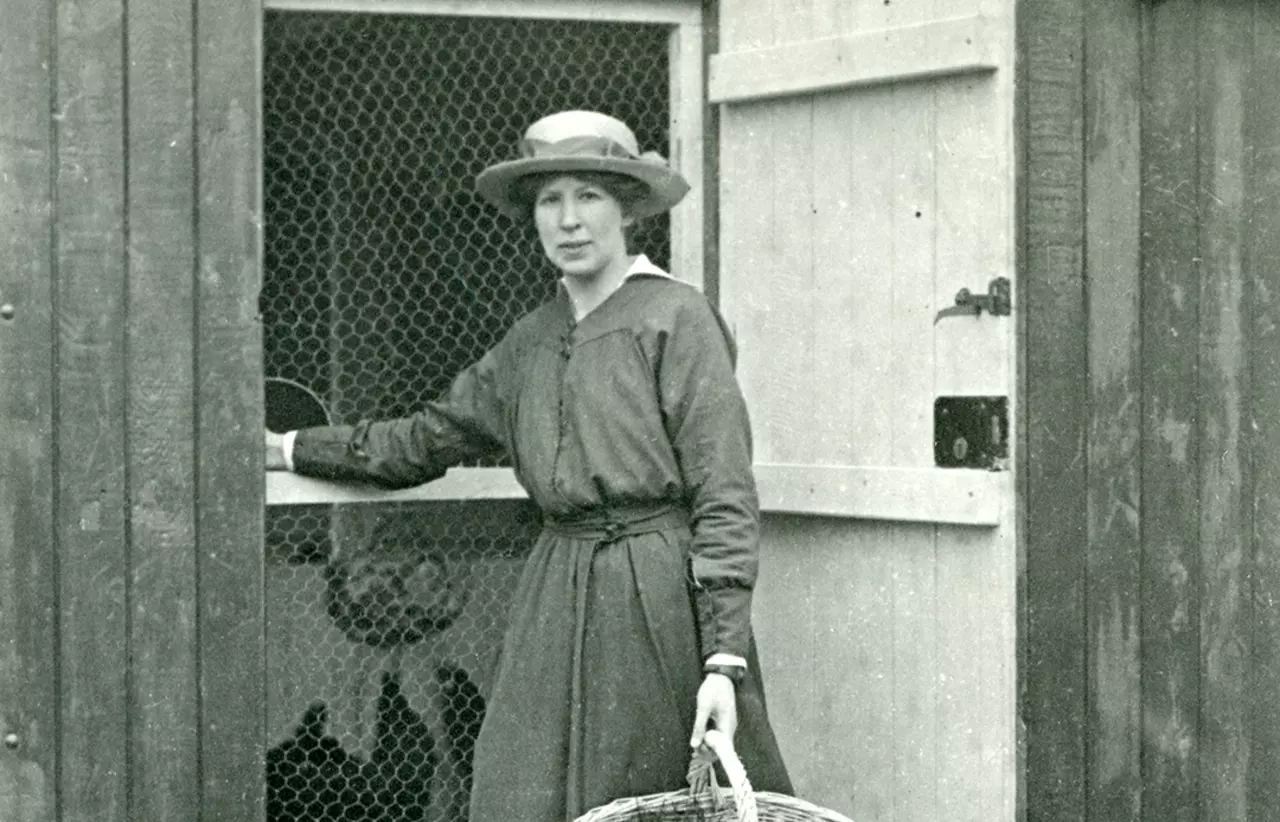
Marion Saunders - Pioneering zookeeper and wartime community champion
As the first female zookeeper at London Zoo, Marion Saunders used her poultry expertise to galvanise the public during the First World War. Working in the Zoo’s Poultry Department, she became a key figure in the National Egg Collection for wounded soldiers - a nationwide campaign urging households to donate eggs to support men recovering in hospitals overseas.
In 1916 she guided thousands of visitors through ZSL's new Poultry Exhibition, showing how even the smallest town garden could be turned into a productive source of eggs for the war effort.
The exhibition proved so popular it ran again in 1917, with Saunders receiving overdue recognition. Through her hands-on teaching and her role in a national campaign, she helped transform patriotic intention into meaningful action. In turn, the public supported ZSL, by collecting food to help feed the animals.
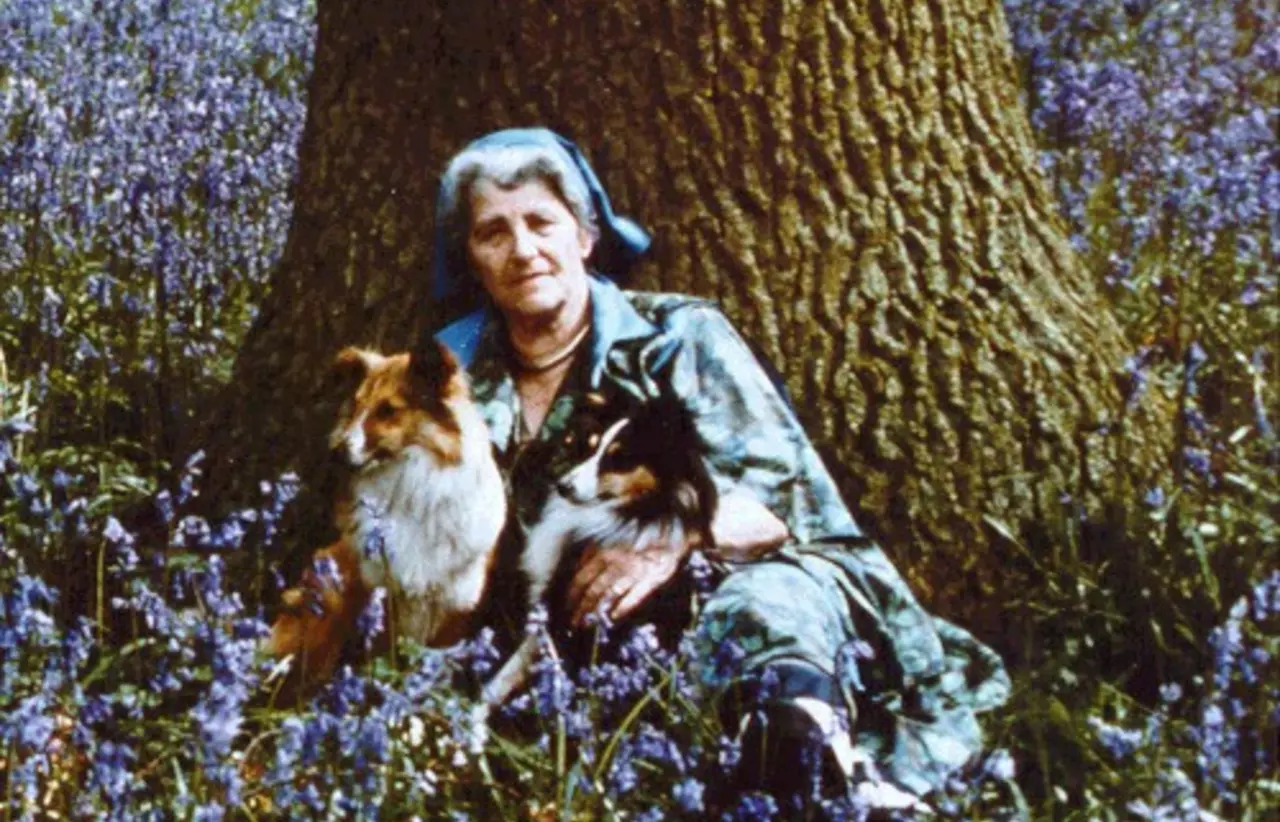
Dame Miriam Rothschild - A super scientist and first female honorary Fellow of ZSL
Miriam Rothschild published over 300 papers in her lifetime! She was the first woman to be made an honorary Fellow of ZSL, and in 2000 even became a Dame.
One of her most famous discoveries was identifying how the jumping mechanism works in fleas, establishing them as the most incredible high jumper in the animal kingdom. She also published the hugely successful book ‘Fleas, Flukes and Cuckoos’, which looked at the parasites of the animal world.
Miriam’s legacy still continues on to this day, as another of her amazing achievements was to be a founding member of the International Union for Conservation of Nature (IUCN).
Her most famous quote is: “I must say, I find everything interesting!”
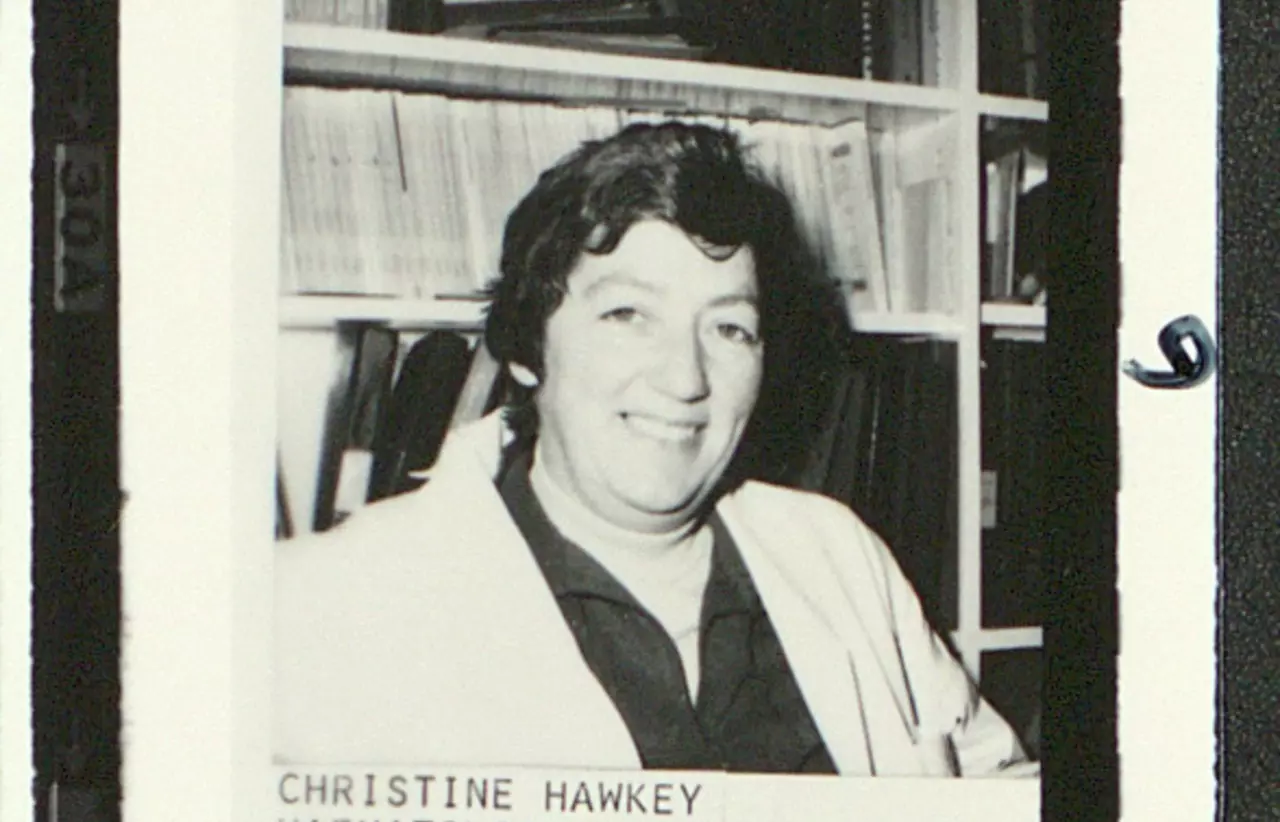
Christine Hawkey - Transformational ZSL Scientist
Christine Hawkey was a ZSL scientist who transformed veterinary diagnostics for wild animals by standardising blood testing protocols, which are still used globally. She was also the first to show that bat saliva contained compounds that prolong bleeding. This breakthrough inspired the development of blood-thinning medications for humans to treat or prevent strokes and heart attacks. Hawkey's research bridged veterinary science and human health - establishing a classic example of ‘One Health’ decades before the term became popular.
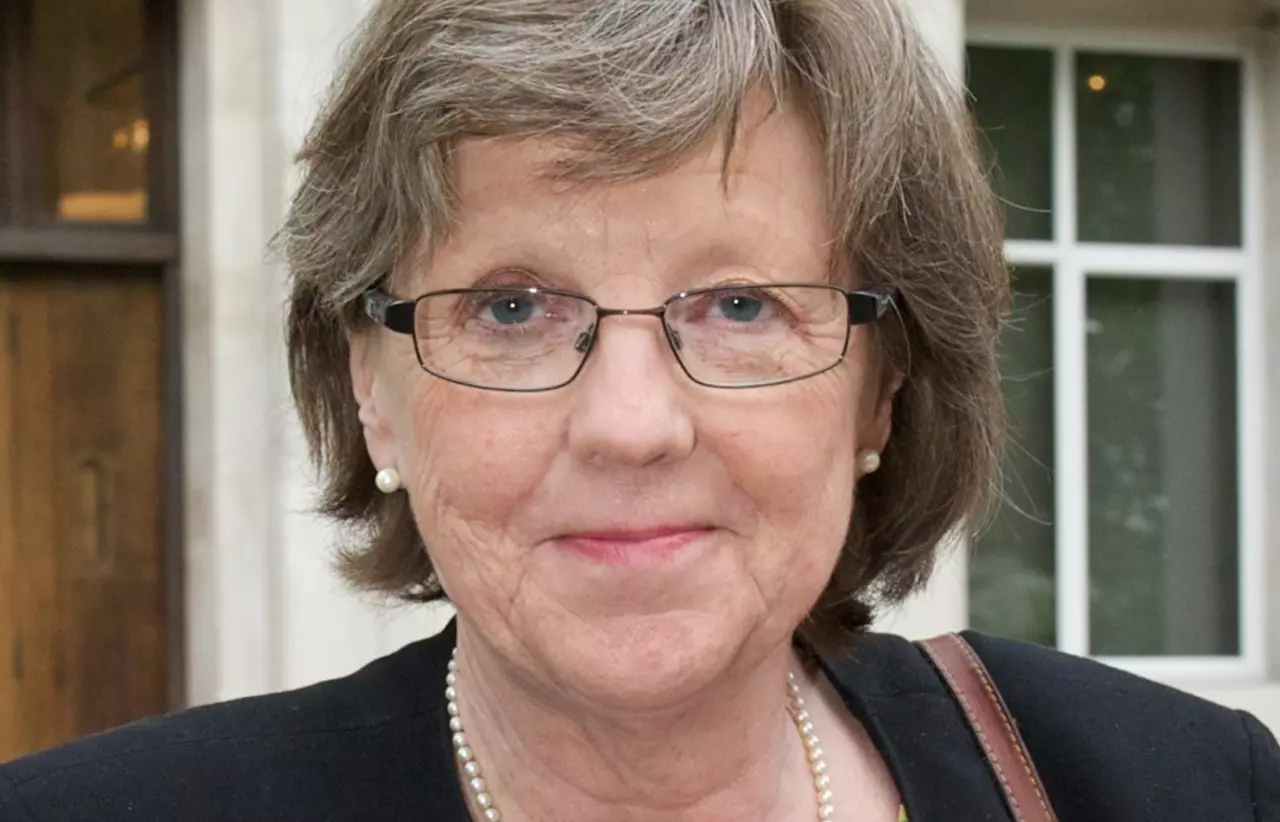
Dame Georgina Mace - Trailblazing conservation biologist and Director of Science
Georgina Mace was an influential scientist. She worked at ZSL from 1986-2006 and was Director of Science at ZSL’s Institute of Zoology from 2000-2006. A hugely valued colleague, amongst many other conservation science achievements, Georgina led the development of the modern IUCN Red List criteria, the world’s most widely used system for assessing extinction risk. This work fundamentally changed how species are monitored and prioritised for conservation worldwide.
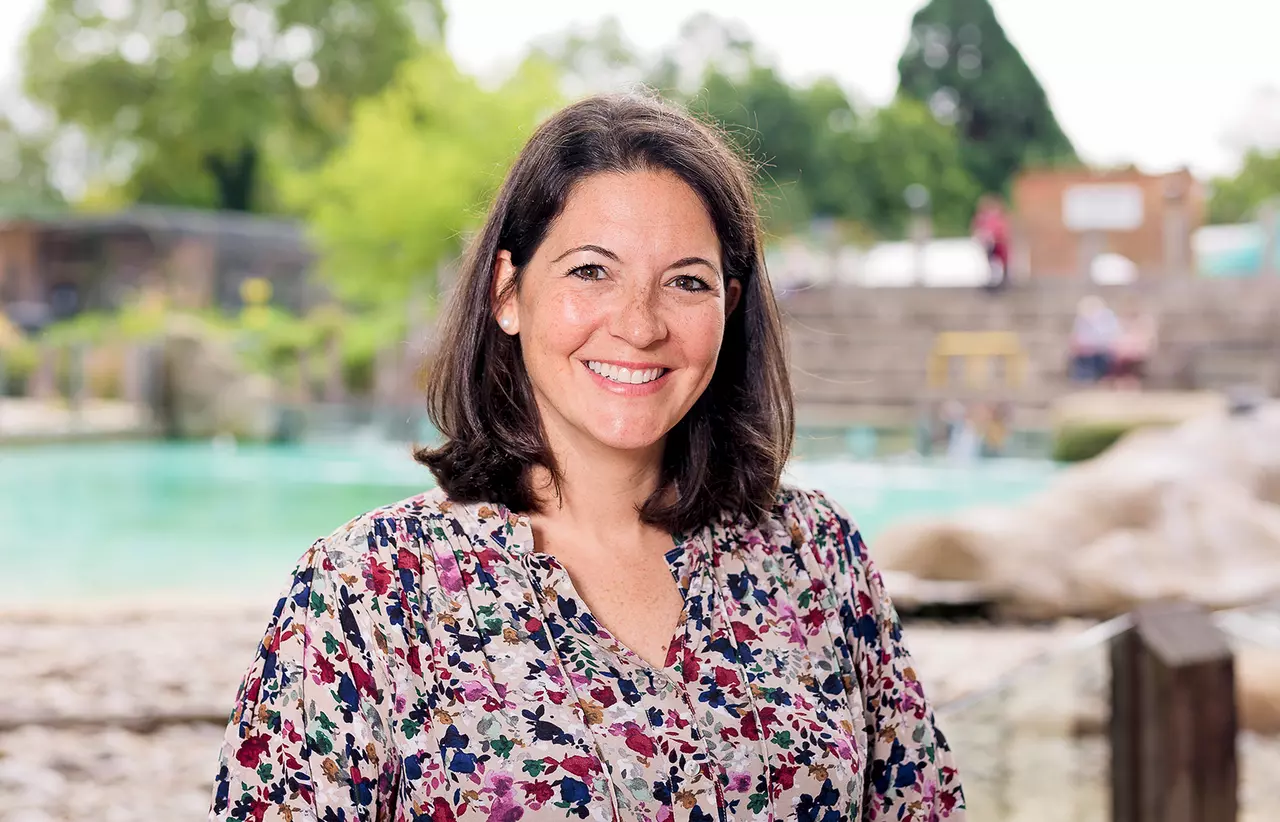
Kathryn England - ZSL's first female CEO
On 9 March 2026, we announced the appointment of Kathryn England as permanent Chief Executive Officer. Kathryn is the first woman to hold the role in our 200-year history, and is the latest chapter in our story.
This year, we're marking an extraordinary milestone: 200 years of ZSL. That’s two centuries of pioneering science, global conservation, and inspiring connections between people and wildlife.