






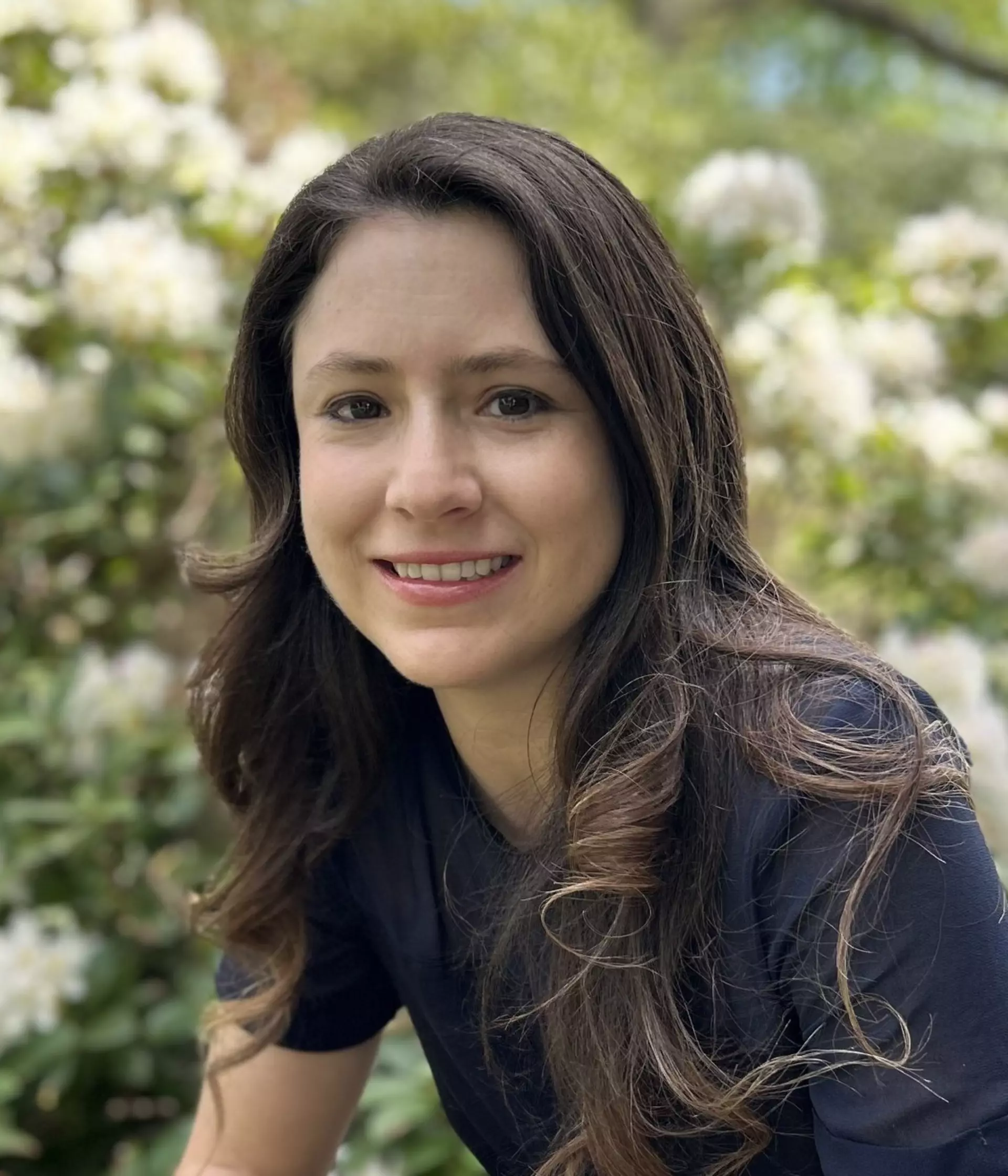
As Wildlife Trade Specialist at ZSL, I support teams across the organisation in the design and delivery of scientifically informed, ethically grounded projects that aim to counter wildlife trafficking and strengthen the sustainability and traceability of legal wildlife trade.
Our multinational team develops approaches to address illegal and unsustainable practices across wildlife supply chains, working across diverse geographies and taxa. We partner with local communities and Indigenous Peoples to support behaviour change and create incentives for sustainable wildlife use. We work with enforcement agencies to strengthen law enforcement and wildlife forensic capacity, and engage with national governments and international conventions to improve legal frameworks and global collaboration to tackle wildlife crime. Our work is grounded in multidisciplinary science that informs and underpins action.
My past academic and professional experience focuses on wildlife trade, environmental policy, and human–wildlife conflict and coexistence, with a particular emphasis on wild felids. Prior to joining ZSL, I worked with civil society organisations, research institutions, and international conventions, including CITES and CMS, to support awareness-raising and policy action to address the trafficking of big cat species such as the jaguar.
At ZSL, I also serve as Programme Officer for the IUCN Pangolin Specialist Group (PSG), where I coordinate a global network of more than 200 experts working to conserve pangolins, one of the world’s most trafficked mammals.
Qualifications
PhD in Zoology, University of Oxford
MSc in Environmental Management, Yale University
BA in International Affairs, Universidad San Francisco de Quito, Ecuador
- Muñoz Cassolis, N., Perera Rieder, F., Herrera Montoya, J., MacMillan, D., Arias, M. 2025. Trafficking in silence: The overlooked illegal trade of small felids in Colombia, Biological Conservation, Volume 314, https://doi.org/10.1016/j.biocon.2025.111639.
- Shahbol, N., Arias, M., et al. 2025. Breaking down silos: Conservation areas for Amazonian flagship terrestrial and freshwater species. Conservation Science and Practice, 7(9), e70100. https://doi.org/10.1111/csp2.70100
- Arias, M., Coals, P., et al., 2024. Reflecting on the role of human-felid conflict and local use in big cat trade. Conservation Science and Practice, 6(1), e13030. https://doi.org/10.1111/csp2.13030
- Arias, M., Sackey, HNK, Bashyal, R. 2024. Local impact, global challenge: the role of domestic markets in the illegal wildlife trade. Oryx. 2024;58(1):1-2. https://doi.org/10.1017/S0030605323001862
- Polisar J, Davies C, Morcatty T, Da Silva M, Zhang S., Arias, M., et al. 2023. Multi-lingual multi-platform investigations of online trade in jaguar parts. PLOS ONE 18(1): e0280039. https://doi.org/10.1371/journal.pone.0280039
- Arias, M., Hinsley, A., Milner-Gulland, E.J. et al. 2021. Complex interactions between commercial and noncommercial drivers of illegal trade for a threatened felid. Anim. Conserv., 24: 810-819. https://doi.org/10.1111/acv.12683
- Arias, M., Hinsley, A., & Milner-Gulland, E. J. 2021. Use of evidence for decision-making by conservation practitioners in the illegal wildlife trade. People and Nature, 3, 1110–1126. https://doi.org/10.1002/pan3.10258
- Booth, H., Arias, M., et al 2020. “Saving Lives, Protecting Livelihoods, and Safeguarding Nature”: Risk-Based Wildlife Trade Policy for Sustainable Development Outcomes Post-COVID-19. Front. Ecol. Evol. https://doi.org/10.3389/fevo.2021.639216