



Published to coincide with ZSL's bicentenary, Protecting Nature's Balance makes the case for sustained investment in wildlife health monitoring and research.
It identifies wildlife health as the neglected pillar of global health security and calls for coordinated action on diagnostic infrastructure, surveillance networks, and specialist training.
It draws on two decades of frontline evidence from ZSL's wildlife health programmes – from disease surveillance networks tracking pathogen emergence in British gardens and African savannahs, to diagnostic laboratories processing thousands of post-mortem examinations annually. It pulls together lessons from investigations into mass mortality events, zoonotic spillover incidents, and cumulative toll of environmental degradation on animal populations.
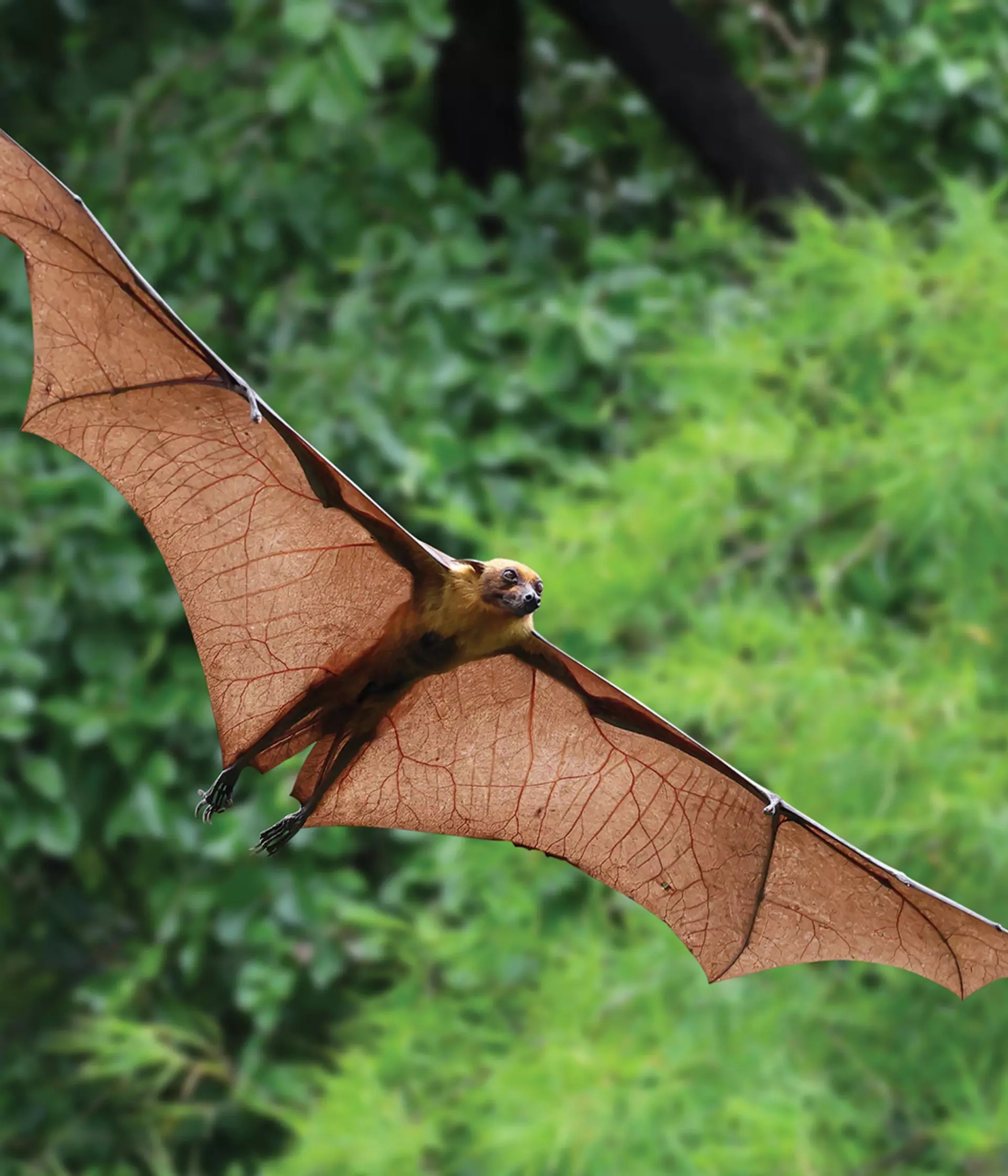
Bats play a major role in ecosystem functions, but are highly effective reservoirs for zoonotic diseases.
The findings are unequivocal: wildlife health infrastructure is not keeping pace with escalating disease risks driven by habitat loss, climate change, and intensifying contact between human, domestic animal, and wildlife populations. The same ecological disruption that accelerates biodiversity loss also creates the conditions for pandemic emergence. Yet global health security frameworks continue to treat wildlife health as peripheral rather than foundational.
Kathryn England, ZSL's Director General, frames the case for change:
Read Kathryn’s introduction
Wildlife health is not a niche concern. It is a global emergency hiding in plain sight. For two hundred years, ZSL has worked at the frontiers of conservation science. We have watched species decline, tracked diseases across continents and documented the slow unravelling of ecosystems under pressure. In that time, we have learned something fundamental: the health of wildlife is inseparable from the health of the planet, and from our own survival.
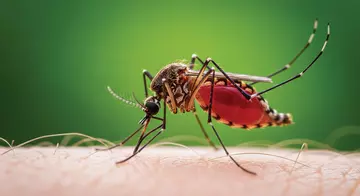
Mosquitoes carry several diseases dangerous to humans, including malaria, dengue and yellow fever.
That connection became devastatingly clear in 2020. COVID-19 upended lives across the globe, exposing how deeply human health depends on the health of wildlife. Healthy ecosystems act as a buffer against disease. When we degrade them, we invite catastrophe.
Yet wildlife health remains chronically underfunded, fragmented across institutions and nations, and absent from most of the world’s biodiversity hotspots. We monitor human health. We monitor livestock health. We barely monitor wildlife health at all. And this blind spot is becoming more dangerous every year.
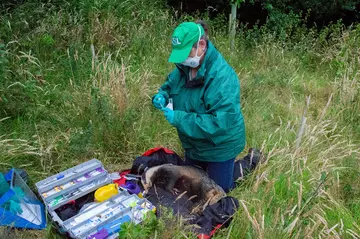
Bovine tuberculosis (bTB) can be spread by wild badgers, leading to the licensed culling of badgers across areas of England. Since 2011, ZSL has been investigating badger management methods, including evaluating badger vaccinations as a wildlife-friendly alternative to culling.
With more than thirty years working at the intersection of veterinary care, wildlife health and conservation leadership, I know that rigorous science, operational discipline and mission-driven values drive conservation.
Leading ZSL now, I recognise the rarity of holding all three. We have the clinical infrastructure, diagnostic laboratories, research expertise and 200 years of institutional trust. We know effective wildlife health monitoring because we’ve been doing it – often on tight budgets – for decades.
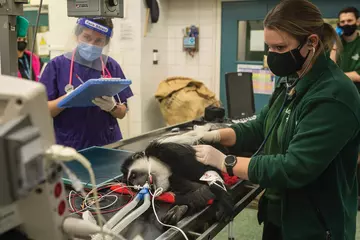
Our veterinary team carrying out a health check on a colobus monkey at London Zoo.
Wildlife health is the weak link in the One Health framework. Strengthening it is not optional; it is a must.
This report makes the case for organised, visible and adequately resourced wildlife health monitoring and research. For a new way of thinking – one that recognises wildlife health as foundational to pandemic prevention, biodiversity conservation, and planetary resilience – and one that integrates cutting-edge clinical practice with population-level surveillance and research.
Our bicentenary year is the moment to articulate this vision and to demonstrate how institutions with depth of expertise, infrastructure and public trust can help drive the One Health agenda forward.